Working at Heights

Falls from heights can cause serious injuries and remains a leading cause of workplace injuries in Ontario. “Working at height” refers to projects that involve working at heights more than three metres. This includes use of ladders, scaffolds, elevated work platforms and other equipment.
Key resource
Working at Heights (WAH) Program Manual
To help guide students, faculty and staff who work from heights to do so safely, a (google doc) Working at Heights (WAH) (external link) program has been developed.
The program outlines the roles and responsibilities of affected parties, legislative and training requirements, and safe work practices including fall protection systems.
The following provides an overview of the program and associated documentation:
- Related legislation and standards: the program includes links to the specific sections in the legislation that apply to working at heights
- Examples of hazard-control measures based on the hierarchy of hazard controls
- Procedures for working on ladders — including a (google doc) Ladder Safety Program (external link) — roofs, mobile elevated work platforms and scaffolds
- Fall arrest system and rescue plan that describes the components of a fall arrest system and provides examples of rescue plans
- Fall protection equipment inspection and maintenance that includes inspection checklists for elevated work platforms, scaffolding and harness and lanyard.
- Training
Please refer to the (google doc) Working at Heights (WAH) Program (external link) for full detail and to your work area procedures for specific tasks as needed.
Examples of WAH-Related Equipment
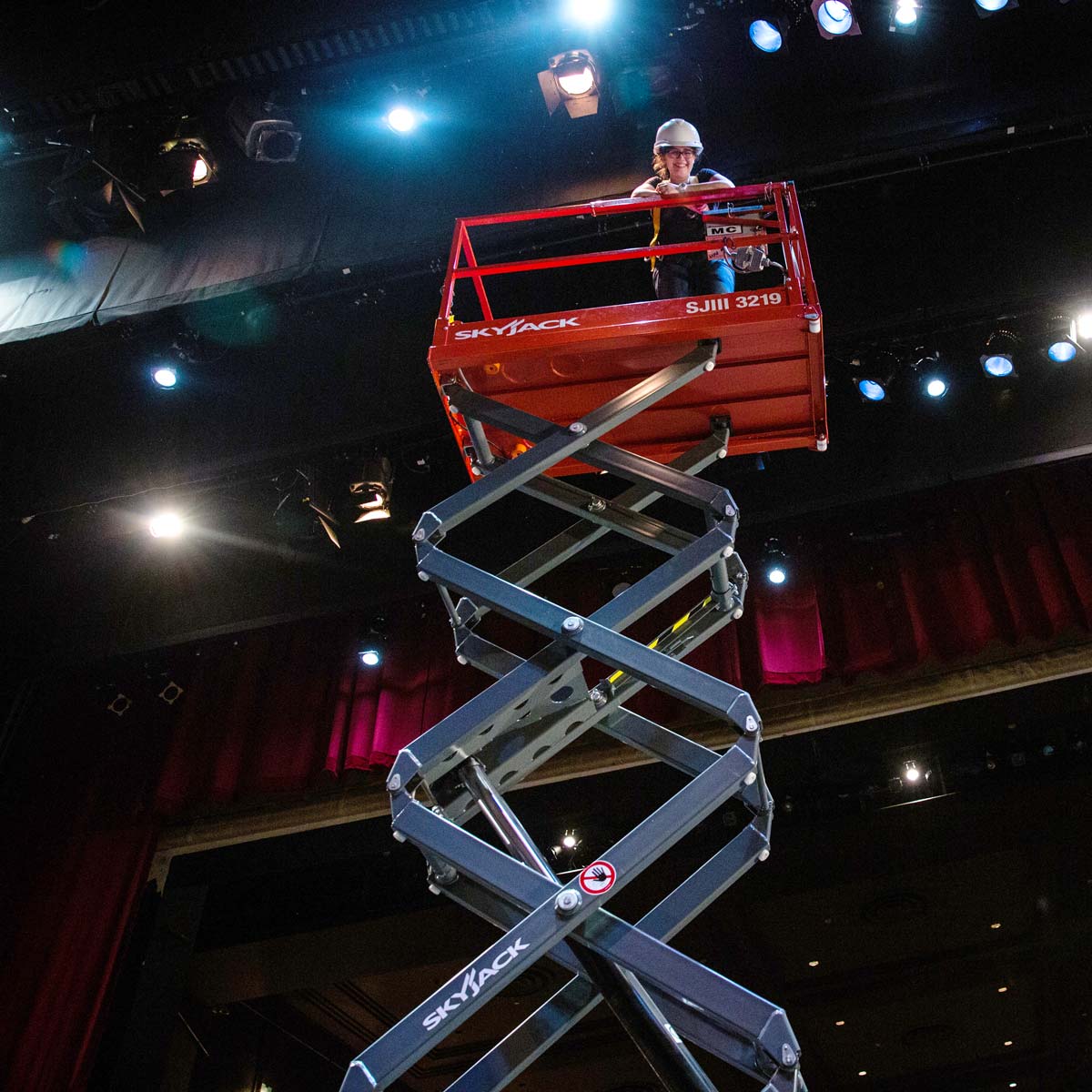
Electric scissor lift
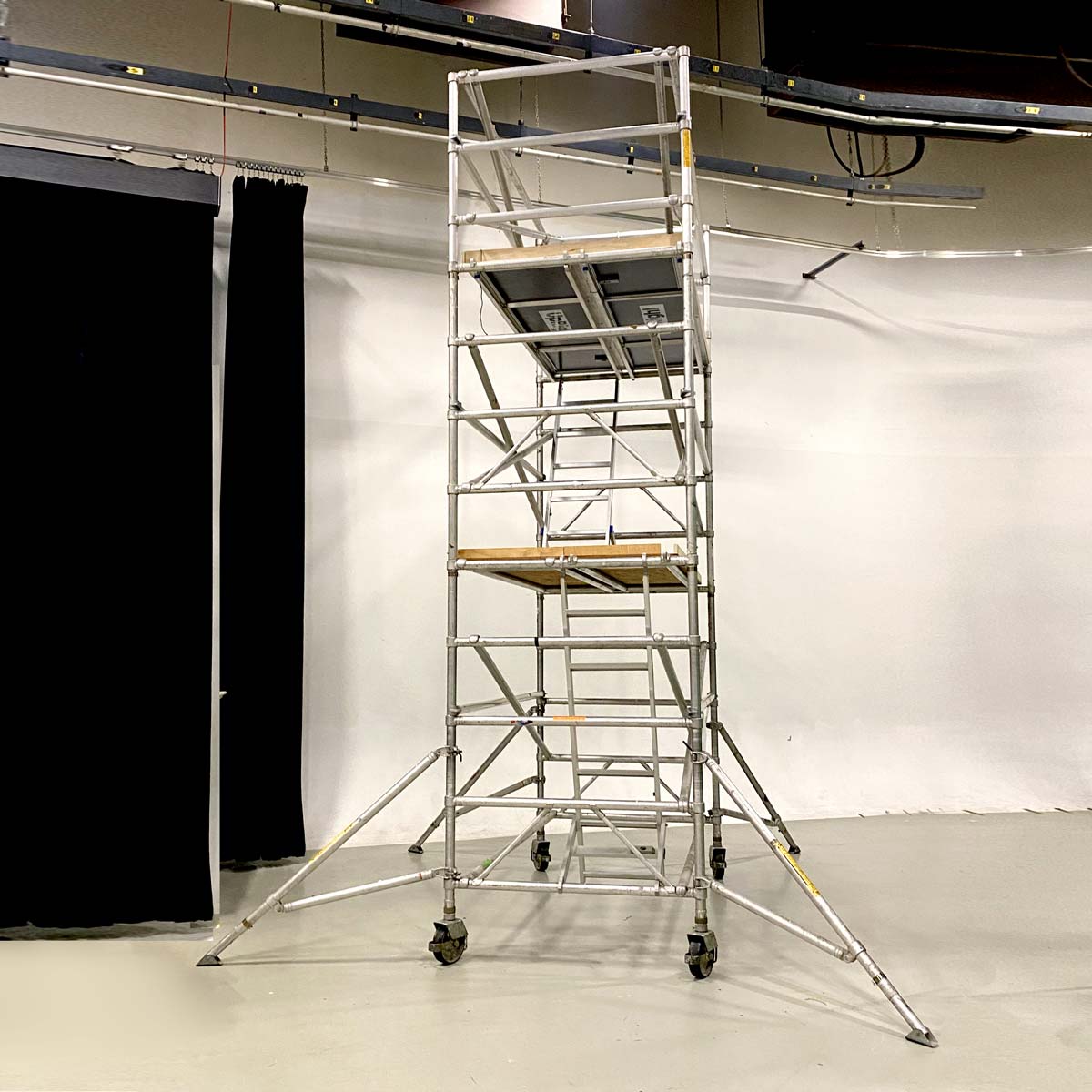
Movable aluminum scaffolding
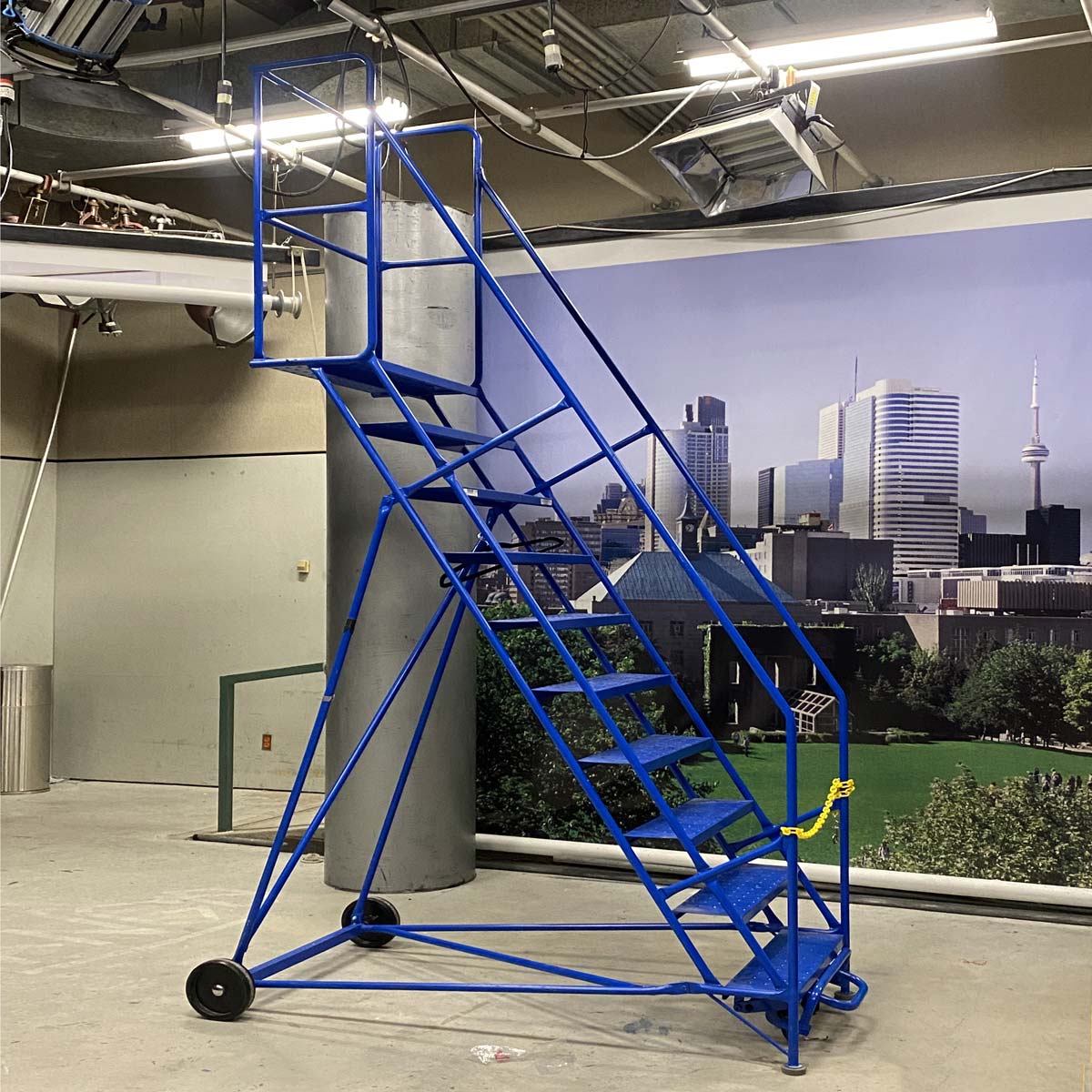
Rolling ladder
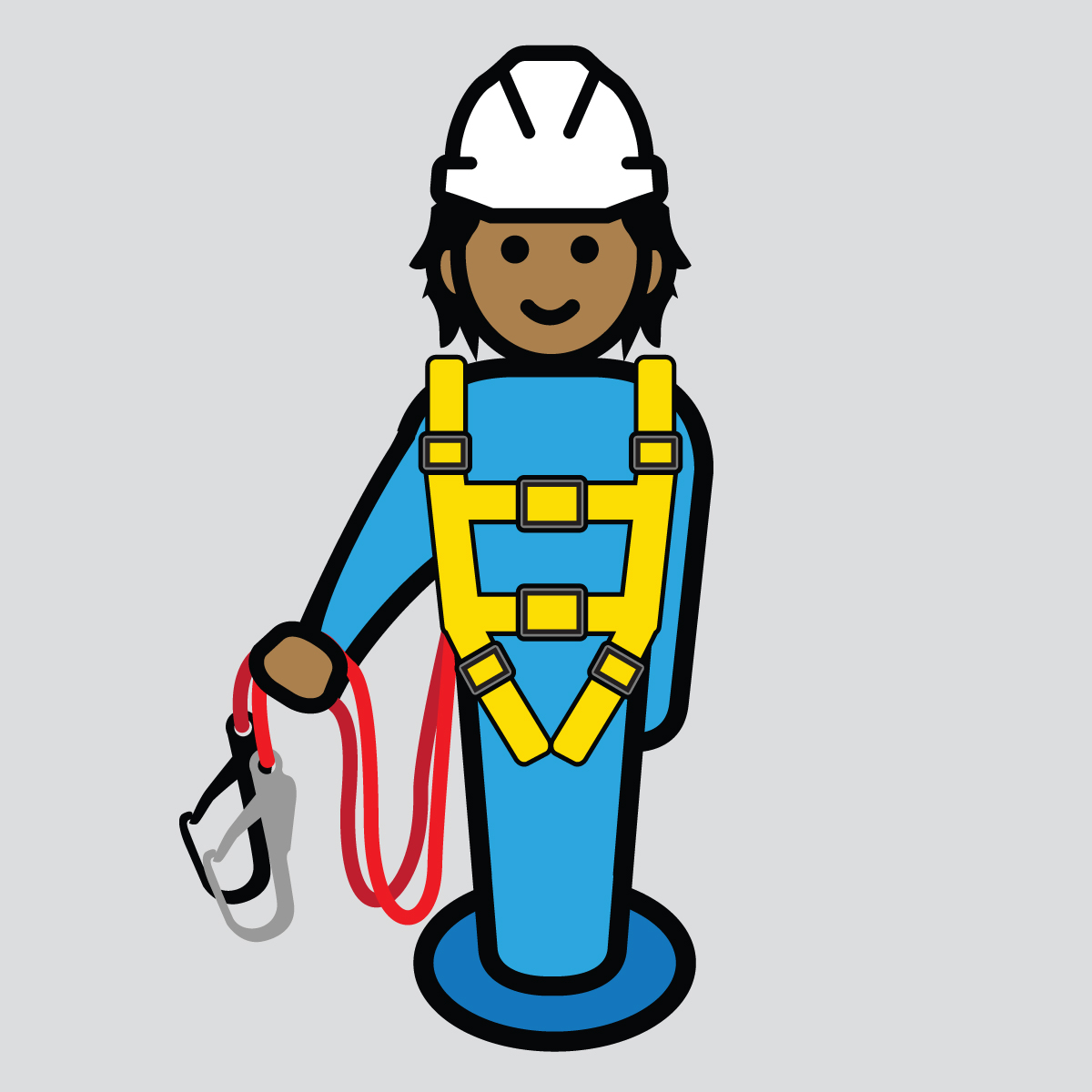
Full-body safety harness and lanyards

A-frame ladder
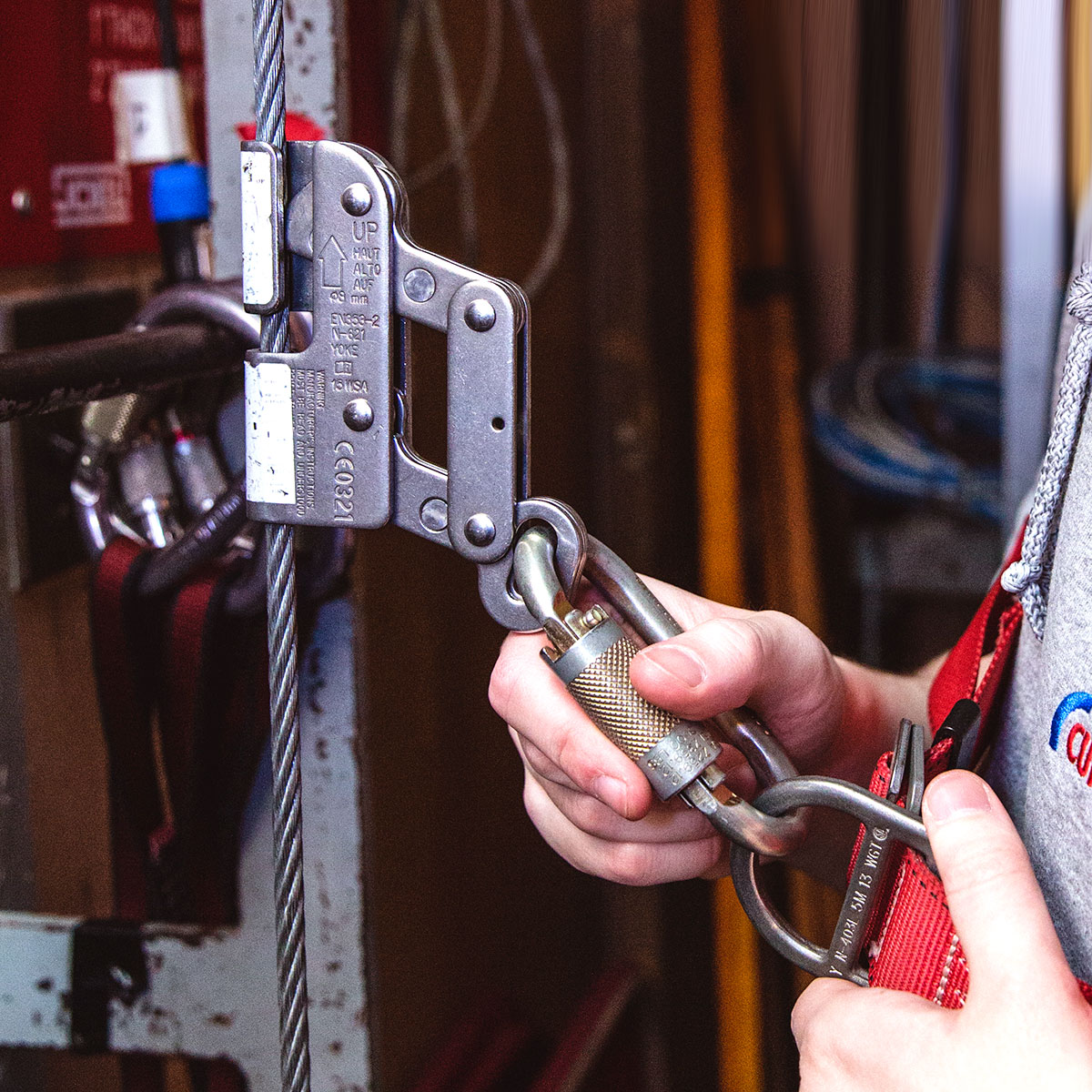
Fall-arrest device on a vertical safety line
Working at Heights Training
The Ministry of Labour, Immigration, Training and Skills Development requires that workers engaging in activities that use fall protection receive Working at Heights training (external link) before they can work at heights. The training program must be approved by Ontario’s Chief Prevention Officer and delivered by an approved training provider. Contact ehs@torontomu.ca to locate an approved training provider.
Who requires training
Students, faculty and staff should complete this training if they are expected to:
- Carry out work relating to working at heights (e.g. painting, repairs, dismantling, drilling, installation of machinery, etc.).
- Use any of the following methods of fall protection (e.g. travel restraint systems, fall restricting systems, fall arrest systems, safety nets and work belts/safety belts) in the course of their work.
- Supervise or assign work at heights.
Working at Heights training remains valid for a period of three years from the date of successful completion. The WAH training must be refreshed every three years.
Requesting roof access on campus
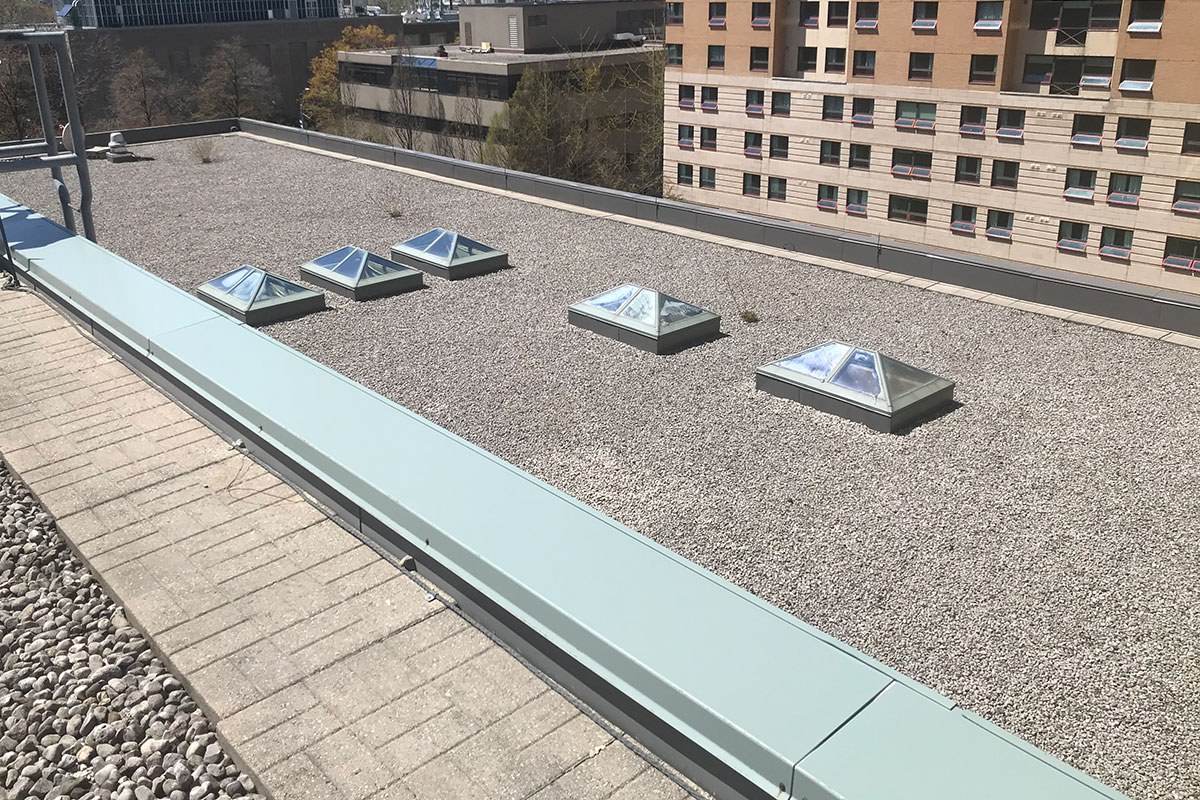
Only staff and contractors who are authorized by Facilities Management and Development (“Facilities”) are allowed to access roofs on campus buildings. Safety standards are essential for roof access/work and the nature of precautions required must be assessed for each individual job.
Those who need access and are not authorized must first complete the (PDF file) Flat Roof Access Risk Assessment Form, which assists those who have a legitimate need to access and/or work on a roof to do so safely. The controls listed in the form are to be applied by managers/supervisors to assist them in managing the work of their staff, thereby ensuring that a safe system of work is in place. The risk assessment is also to be shared with staff that should be aware of the hazards.