YSGPS Local Academic Plan

The YSGPS 2025-30 Local Academic Plan outlines five key priorities over the next five years, building upon the values and goals identified in the TMU Academic Plan, as well as the vision and values of YSGPS and the Graduate Strategic Enrolment Management Plan. Grounded in inclusivity and accessibility, the plan reflects our collective vision for graduate students and postdoctoral fellows at the university.
A land acknowledgement recognizes the unique and lasting relationship between Indigenous Peoples and their traditional territories. It also provides an opportunity to show gratitude and respect for the Indigenous peoples who have traditionally cared for the land and continue to do so today. Additionally, a land acknowledgement offers a meaningful moment to reflect on our relationship with the land, acknowledge its deep histories and consider the responsibilities that accompany living here, as well as our commitment to understanding how our presence fits into a broader, ongoing story.
Importantly, a land acknowledgement also reminds us that reconciliation requires ongoing commitment to learning. It encourages us to deepen our understanding of Indigenous histories, experiences and ways of knowing, and to engage in continuous learning and meaningful action as part of our shared responsibilities toward reconciliation.
Graduate and postdoctoral studies offer a valuable chance to start or continue a commitment to lifelong learning. As they expand their academic and professional horizons, learners are also encouraged to critically reflect on their roles within broader social, cultural and historical contexts. In this way, graduate and postdoctoral education can serve as a key entry point for fostering curiosity, humility and responsibility, all of which are vital for meaningful engagement in reconciliation.
With this in mind, we acknowledge that we occupy a place that has been home to Indigenous peoples for over 15,000 years: the Huron-Wendat, Petun First Nations, the Seneca and most recently the Mississaugas of the New Credit River. This territory is subject to the "Dish with One Spoon Wampum Treaty" — between the Anishinaabe, Mississaugas and Haudenosaunee that bound them to share and protect this land. When we acknowledge the land, we recognize the unique and enduring relationships that exist between Indigenous Peoples and their traditional territories.
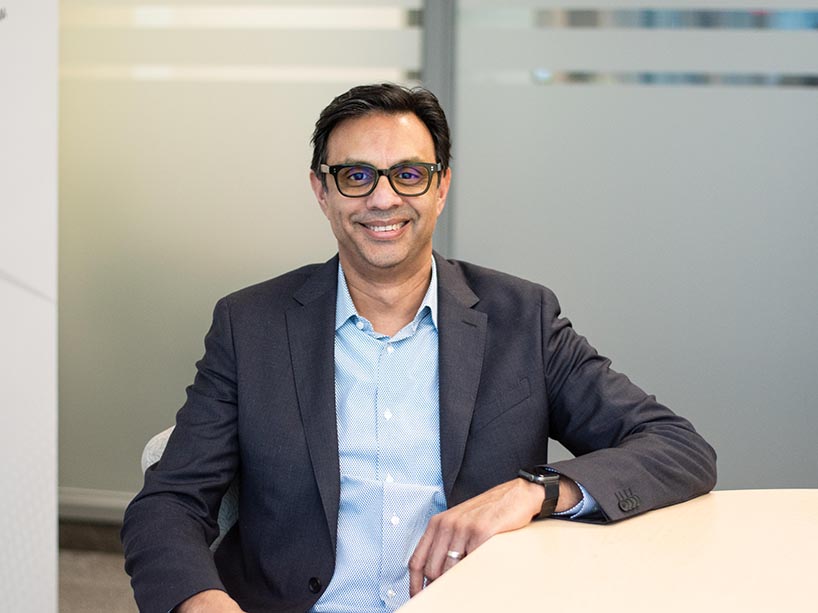
I am pleased to introduce the Yeates School of Graduate and Postdoctoral Studies (YSGPS) Local Academic Plan for the next five years, which reflects our collective vision for graduate students and postdoctoral fellows at the university, grounded in inclusivity and accessibility. It aligns with Toronto Metropolitan University (TMU)’s broader Academic Plan for the same period and supports the university’s International Plan and Strategic Research Plan. It focuses on five key priorities that build upon the values and goals identified in the University’s Academic Plan, as well as the vision and values of YSGPS and the Graduate Strategic Enrolment Management Plan.
YSGPS is committed to creating an environment where learners can thrive academically and intellectually, and excel in their professional endeavours. To achieve this, we are focused on enhancing our academic, professional and well-being offerings, improving funding, and facilitating impactful scholarly, research and creative activities. This commitment to inclusivity is at the heart of our mission, and we value every member of our community.
We will continue to foster an inclusive community and culture of inquiry that recognizes, advocates for and values excellence in graduate education and research as a collective priority across TMU. Over the next five years, we aim to enhance the graduate and postdoctoral experience, support innovation and scholarly, research and creative (SRC) activities, promote the health and well-being of our community, build partnerships with Indigenous and marginalized communities, and reimagine learning, teaching and career readiness in the rapidly evolving age of AI.
I am excited about the future of YSGPS and the opportunities that lie ahead. We plan to collaborate closely with key stakeholders, both within and outside the university, to achieve this shared vision. YSGPS is enhancing its admissions processes to make them more effective and inclusive, strategically managing graduate enrollment and funding, and expanding academic offerings, international student enrollment and transnational programs. Launching the innovative Master of Cybersecurity this fall is just the beginning, with several other exciting programs in development. I am committed to advocating for increased investment in graduate and postdoctoral studies, both internally and externally, to ensure a bright future for our community.
Dr. Carl Kumaradas
Vice-Provost and Dean, YSGPS
YSGPS Staff
March 7, 2024
Associate Deans, Graduate Studies (all Faculties)
May 14, 2024
YSGPS Interdisciplinary Graduate Program Directors
Oct. 8, 2025
YSGPS Council
Oct. 21, 2025
YSGPS aims to facilitate internationally recognized graduate and postdoctoral studies that emphasize inclusivity and accessibility. We strive to create an environment where graduate students and postdoctoral researchers thrive academically and intellectually at TMU, and excel both professionally and socially afterward. YSGPS champions the crucial role that graduate education and postdoctoral activities play in enhancing TMU’s reputation as a leader in innovative, inclusive and transformative education.
YSGPS is committed to offering strong and distinctive programming, attracting and retaining top domestic and international students and postdoctoral fellows, and providing exemplary scholarly, research and creative experiences. Additionally, we focus on mentorship, career readiness programming and comprehensive support for the well-being of graduate students and postdocs.
YSGPS will work towards building a community and culture of inquiry, promoting and supporting an inclusive culture that recognizes, advocates for and values excellence in graduate education and research as a collective priority across TMU. We achieve this by providing collaborative, thoughtful, and progressive academic and administrative leadership that highlights program quality and excellence in students' and postdoctoral scholars' experiences, along with both academic and non-academic support. YSGPS believes in and will strive for excellence in academic and administrative structures and support services. We will also strive to be nimble in responding to new opportunities to enhance and grow graduate and postdoctoral programming.
Priority #1: Enhancing the graduate student learning journey for student success
YSGPS will continue to promote and support a high-quality, holistic graduate student experience, fostering an engaged and interconnected community that reflects our diverse range of people, programs, and ways of knowing and learning. As part of our ongoing commitment, we will also continue to support our postdoctoral fellows in accessing resources and services to ensure an exceptional learning and research experience. YSGPS aims to strengthen graduate academic programming to enhance the quality of our graduate offerings. This effort directly influences our ability to attract and retain top students, postdoctoral researchers and faculty from Canada and around the world.
We will also continue our collaboration with the Office of the Vice-President, Research and Innovation (OVPRI) to provide resources and develop new programming for graduate students, postdoctoral fellows and faculty supervisors on key and emerging areas related to SRC. Through our collaborations with offices such as the OVPRI, the Centre for Excellence in Learning and Teaching (CELT) and the TMU Libraries, we will also continue to provide guidance and resources to help programs responsibly incorporate AI into graduate education.
| Goals | Initiatives | Performance Indicators |
|---|---|---|
| Support a holistic student experience | 1A: New Designing Your Life career-planning program | Program enrolment and completion rate |
| 1B: Develop templates for accommodation plans, sample wording and examples | Number of templates used by AAS to support students in non-course milestones and qualitative feedback on their use and effectiveness | |
Strengthen academic programming
|
1C: New workshops on IP for graduate students and faculty supervisors | Number of sessions held per year (separately for graduate students, postdocs and supervisors) and attendance per session |
| 1D: Collect and provide guidance and resources to help programs responsibly integrate AI into graduate education | Number of AI workshops with positive feedback Revised guidelines on AI use in graduate studies |
Priority #2: Collaborating with local and global communities to promote excellence in graduate and postdoctoral SRC
The reputation of our university, the quality of our programs and supervisors, and the strength of our culture of inquiry and SRC are all vital for attracting and keeping outstanding domestic and international graduate students and postdoctoral researchers. YSGPS aims to make an impact through SRC and innovation by increasing postdoctoral fellows' salaries to bring them closer to the sector norm, working towards a minimum level of funding for our doctoral students that allows them to dedicate themselves fully to their studies, and expanding funding for international graduate students.
Within the framework of the university’s International Plan, we will engage globally to provide a world perspective by developing global learning and student mobility programs for graduate students, promoting international research and academic collaboration. We will facilitate and support multidisciplinary collaborations, domestic and international partnerships, community involvement, and the exchange of diverse views and perspectives. In partnership with TMU Global, YSGPS will also develop transnational graduate programs, articulation agreements and joint programs. Additionally, YSGPS will serve as a city and community builder by working with university partners to engage donors for innovation opportunities aligned with the university’s priorities and advancement goals, and by strengthening connections with our graduate alumni.
| Goals | Initiatives | Performance Indicators |
|---|---|---|
| Make an impact through SRC and innovation | 2A. Ensure that all Faculties have a PhD program | Number of Faculties with at least one PhD program |
| Engage globally for a world perspective | 2B: Transnational education | Number of students engaged in transnational education; number of new transnational education arrangements (articulation agreements, student exchange programs, program licensing and joint programming) |
| Lead as a city and community builder | 2C: Engage with potential donors | Total value of donor-funded scholarships per year |
| 2D: Formalize alumni engagement initiatives within programs to facilitate increased alumni communication and engagement | Number of formal alumni networks within graduate programs |
Priority #3: Supporting our graduate and postdoctoral community
YSGPS is dedicated to promoting the health, well-being and safety of the graduate and postdoctoral community through holistic initiatives that effectively address their diverse needs. We have a good understanding of the complexity of well-being for graduate students and postdoctoral fellows — supporting wellbeing means attending to a variety of diverse needs, including financial and housing needs, mental health needs, and the need for a sense of community and belonging. We are working to enhance access to university housing for graduate students and postdoctoral researchers. We are also committed to collaborating with Student Care in the Office of the Vice-Provost, Students, to explore increasing the number of graduate-student-focused case management coordinators. There is currently one case management coordinator partly dedicated to graduate students.
Recognizing the vital role that faculty supervisors play in the success of graduate students and postdoctoral researchers, YSGPS aims to become a leader in faculty supervision support and will continue to expand its suite of programs and workshops. We are committed to exploring how to effectively implement holistic applicant review in our graduate admissions process, while continuing to attract high-quality candidates. YSGPS fosters community inclusion and belonging by continuing partnerships with the Black Scholarship Institute and other university stakeholders to support EDI and accessibility through our programs and services. These efforts will prepare our graduates and postdoctoral researchers for personal and professional success, further strengthening TMU’s reputation and future aspirations.
| Goals | Initiatives | Performance Indicators |
|---|---|---|
| Promote the health, well-being and safety of our graduate students and postdoctoral fellows | 3A: Increase access to housing for graduate students and postdoctoral fellows | Number of graduate students and postdocs in TMU housing and number of incoming international students using TMU housing |
| Increase our support for students experiencing complex challenges | 3B: Increase the number of graduate-student focused case management coordinators | Number of new graduate student-focused case management coordinators |
| Increase offerings aimed at enhancing community inclusion and belonging | 3C: New professional development programming and community building/networking opportunities for our Black graduate students and postdoctoral fellows | Number of new workshops for our Black graduate students and postdoctoral fellows |
| Become a leader in faculty supervisory support | 3D: New and improved supervisor guidelines, resources and workshops; new policy on student-supervisor responsibilities with procedures for changes in supervision and funding | Number of new workshops, the creation of a support hub for faculty supervisors, the creation of new policies and procedures on graduate supervision and funding |
Priority #4: Continued commitment to truth and reconciliation
Working with our graduate programs and the Office of the Vice-President, Equity and Community Inclusion, YSGPS will continue its efforts to build partnerships with Indigenous communities. We will continue work towards implementing Recommendation 9 of the Standing Strong Task Force in graduate studies. Work to date on this implementation includes ongoing consultation and discussions to develop a plan to support graduate programs that are already offering learning opportunities for students, and to help graduate programs develop strategies to create new learning opportunities. We are drawing on the Periodic Program Review process to better identify progress toward meeting the obligations of Recommendation 9 and to develop actionable recommendations for graduate studies moving forward. Together, this work is advancing our efforts to promote Indigenous scholarship and education across all aspects of graduate programs, including admissions, program requirements, student experiences and student funding. In terms of student funding, for example, we are continuing our commitment to our YSGPS Indigenous Graduate Awards (scholarships and bursaries) and the Supporting Aboriginal Graduate Engagement (SAGE) Award.
| Goals | Initiatives | Performance Indicators |
|---|---|---|
| Advance Indigenous scholarship and education | 4A: Implementation of Recommendation 9 of the Standing Strong Task Force in graduate studies | Number of programs that introduce a new learning opportunity for their students |
| Continue to support our Indigenous graduate students financially in meaningful ways | 4B: Convert our current Indigenous graduate student bursaries to become entrance scholarships for Indigenous students | Conversion of our bursaries to entrance scholarships Number of entrance scholarships awarded |
| Continue consultation on the role of the YSGPS Indigenous Advisor and/or YSGPS Indigenous Advisory Council | 4C: Consultations with groups, including the Indigenous Education Council and Indigenous graduate students, on the evolution of the Advisor/Advisory Council role | Having a new or evolved role (Advisor or Advisory Council) in place |
Priority #5: Ensuring graduate student and postdoctoral future-readiness
YSGPS will support the development of well-differentiated, high-quality programs, including advocating for interdisciplinary graduate programs while fostering sustainability by encouraging the integration of the United Nations' Sustainable Development Goals (SDGs) into program-level learning outcomes. We will prepare our graduate students for evolving careers and entering the workforce in the age of AI by better integrating zone learning into graduate education, increasing work-integrated learning opportunities in graduate programs, and enhancing our professional development, leadership development and career planning offerings for both graduate students and postdoctoral researchers.
YSGPS will reimagine learning and teaching by removing barriers to graduate education, especially in interdisciplinary teaching, and by gathering and providing guidance and resources to help programs responsibly incorporate AI into graduate education. We will explore ways to support graduate students’ career readiness by evolving and enhancing our professional development offerings, with plans to establish new career planning programs that YSGPS will offer for all graduate students and postdoctoral fellows.
| Goals | Initiatives | Performance Indicators |
|---|---|---|
Prepare our students for evolving careers |
5A: Enhancement of PD offerings, including the integration of experiential learning opportunities, through live-actor simulations | Development and piloting of live actor simulations |
| 5B: Integrate Zone Learning into the graduate curriculum | Percentage of programs involved in Zone Learning | |
| 5C: Add co-op opportunities in graduate programs | Percentage of programs with co-op options | |
| Reimagine learning and teaching | 5D: Strengthen interdisciplinary education | Number of TFA teaching commitments to interdisciplinary programs per year |
| Cultivate sustainability | 5E: Thoughtfully integrate SDGs into program-level learning outcomes | Number of programs that report to YSGPS Council on their assessment or integration of SDGs in their learning outcomes |