Truth and Reconciliation
The Diversity Institute (DI) is committed to Truth and Reconciliation and is aligned with Toronto Metropolitan University’s (TMU) broader institutional strategy to advance the Calls to Action (external link) of the Truth and Reconciliation Commission of Canada (TRC). TMU’s Truth and Reconciliation strategy establishes a university-wide approach that supports the meaningful inclusion of Indigenous knowledge in policies and programs, advances and supports Indigenous student success, strengthens community engagement and partnerships, and addresses the ongoing impacts of colonialism across teaching, research, and governance.
Our approach is grounded in respect for Indigenous rights, Indigenous knowledge systems, and the distinct histories, cultures, and priorities of First Nations, Inuit, and Métis Peoples. We honour these commitments, working alongside Indigenous Peoples in ways that prioritize Indigenous knowledge and ways of knowing, reciprocity, cultural safety, and shared learning in our research, partnerships, and programs. We recognize that Truth and Reconciliation requires systems change, long-term relationships, and accountability, not one-time initiatives.

The Diversity Institute's main office, located in Toronto, operates on the treaty territory of the Mississaugas of the Credit (Treaty 13) (external link) , the traditional territory of the Mississaugas of the Credit, the Anishnaabe, the Chippewa, the Haudenosaunee, and the Wendat Peoples. Toronto is also located on the lands protected by the Dish With One Spoon Wampum Covenant (external link) , an agreement among the Anishnaabe, Mississaugas of the Credit, and the Haudenosaunee that calls on us to share the land and its resources peacefully and with respect.
We recognize our responsibilities to one another and commit to sustained relationship-building, humility, and continuous learning, ensuring our work is informed and guided by Indigenous partners and Indigenous ways of knowing.
We also acknowledge that our broader work, and that of our partners, takes place on the traditional territories of Indigenous Peoples across the lands now known as Canada. We are grateful for the opportunity to live, learn, conduct research, and collaborate on these lands.
We are committed to advancing Truth and Reconciliation by working in partnership with Indigenous Peoples, through approaches grounded in respect, reciprocity, and shared learning. This includes co-developing evidence-based research, inclusive programs and curriculum, and community-led solutions informed by Indigenous ways of knowing, while supporting pathways that strengthen Indigenous leadership and participation in education, employment, and entrepreneurship.
We are committed to a systems approach to advancing Truth and Reconciliation at the societal, organizational and individual levels, applying Indigenous knowledge systems and ways of knowing across research, partnerships, and programs.
We are grateful and honoured to work alongside Indigenous researchers, students, consultants, Elders, Knowledge Keepers, organizations, and communities across the lands now known as Canada. We commit to listening, learning, and taking action to address systemic barriers, uphold Indigenous rights, and advance a more inclusive and equitable world.
Commitments to Truth and Reconciliation Calls to Action
DI’s work responds to Truth and Reconciliation Canada’s Calls to Action (external link) , particularly those addressing education and economic participation, which emphasizes removing systemic barriers and creating access to opportunity. These commitments are reinforced by the United Nations Declaration on the Rights of Indigenous Peoples (UNDRIP) (external link) , which affirms Indigenous Peoples’ rights to self-determination, participation in decision-making, and non-discriminatory access to economic life, and by Canada’s United Nations Declaration on the Rights of Indigenous Peoples Act (external link) , which mandates federal alignment with these principles.
We work alongside Indigenous Peoples, organizations, and communities to support self-determination and foster inclusive futures.
DI’s work contributes to the following Calls to Action (external link) :
Calls for a joint federal strategy with Indigenous partners to eliminate educational and employment gaps between Indigenous Peoples and non-Indigenous Peoples in Canada. DI works in partnership with Indigenous organizations, communities, and post-secondary institutions to develop, implement and evaluate evidence-based strategies informed by Indigenous ways of knowing to address barriers to success in education, employment, and beyond. Our work identifies systemic gaps and supports the design and evaluation of solutions that advance equitable participation and long-term inclusion.
Calls for the development of K-12 curricula on Residential Schools, Treaties, and Indigenous contributions and for funding to teacher training and resources to embed Indigenous knowledge and perspectives into classrooms. DI collaborates with Indigenous experts, school boards, educational organizations, post-secondary institutions, and cultural agencies, such as museums, to support the inclusion of Indigenous perspectives, culturally relevant content, and inclusive approaches into post-secondary and workforce development programming. Through partnership and advisory guidance, we ensure that programming reflects Indigenous knowledge systems, lived experiences, and approaches to learning.
Calls on all levels of government to ensure that teacher education programs include Indigenous content, such as the history and legacy of Residential Schools, Treaties, and Indigenous rights. DI works with Indigenous partners to reflect Indigenous histories, rights, and contemporary realities within curriculum design and program delivery for skills development and work-integrated learning programs. This includes supporting approaches that present these histories from multiple perspectives, including the intentions and impacts of colonial policies, to foster a more complete and informed understanding. We also support ongoing learning for staff to strengthen their understanding of Indigenous histories, Treaty relationships, and culturally responsive approaches to education and training.
Calls for collaboration between the federal government, post-secondary institutions, educators, and the National Centre for Truth and Reconciliation to establish a clear research program to advance understanding of Reconciliation. DI advances this Call through applied, Indigenous-informed research conducted in collaboration with Indigenous partners and institutions. Our co-developed work seeks to better understand barriers experienced by Indigenous Peoples in education, employment, leadership, and entrepreneurship, identify Reconciliation-informed approaches and generate evidence to inform policy and practice. We also support capacity-building within Indigenous organizations and contribute resources to Indigenous-led research initiatives.
Calls for Canada’s corporate sector to adopt the UNDRIP as a framework for Reconciliation and apply these principles to corporate policies and core operational activities involving Indigenous Peoples and their lands. DI works with corporate and sector partners to strengthen alignment with TRC principles and UNDRIP, including supporting education on Indigenous histories and rights, advancing anti-racism and culturally safe workplace practices, and promoting equitable recruitment, retention, and advancement of Indigenous Peoples. Our work also supports Indigenous-owned businesses and entrepreneurs in accessing capital, networks, and opportunities that strengthen Indigenous prosperity and self-determination.
Our Work with Indigenous Partners
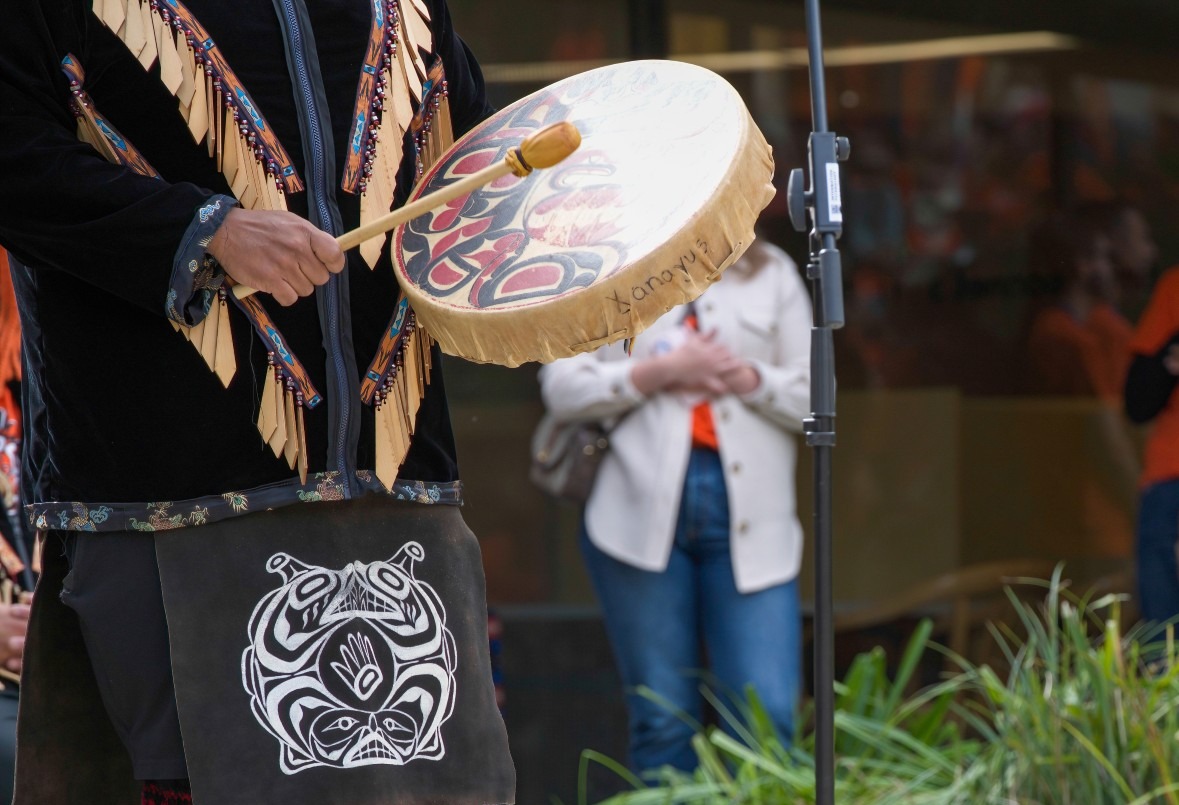
Alongside Indigenous partners across sectors, regions, and communities, we advance research and evidence-based programs, particularly in entrepreneurship, education and skills development, leadership, and northern agriculture, to strengthen inclusive economic and community outcomes.
Indigenous Advisory Council
The Diversity Institute’s Indigenous Advisory Council plays an active role in shaping efforts to ensure DI’s research, programs, partnerships, and organizational practices are culturally grounded, community-informed, and aligned with the Truth and Reconciliation Commission’s Calls to Action, the United Nations Declaration on the Rights of Indigenous Peoples (UNDRIP), and broader organizational reconciliation commitments.