Our Work with Indigenous Partners
Alongside Indigenous partners across sectors, regions, and communities, we advance research and evidence-based programs, particularly in entrepreneurship, education and skills development, leadership, and northern agriculture, to strengthen inclusive economic and community outcomes.

Education is the foundation of social mobility and while there has been progress, significant skills gaps and labour shortages remain across sectors. At the same time, many existing education and training systems have not been designed to reflect or accommodate Indigenous knowledge systems and ways of knowing. DI works across the education-to-employment continuum, supporting youth and adults through K-12, post-secondary education, career training, career support, upskilling and reskilling, and beyond. Our work helps learners understand their strengths and assets, build relevant skills, and navigate transitions into and within the workforce, centred in a community-based and place-based lens.
In addition to supporting learners, DI is committed to advancing systems change by working with Indigenous partners to update education and training models. This includes supporting approaches that embed Indigenous knowledge, community priorities, ways of learning, and contributing to more inclusive, responsive, and person-centred systems.
Our work underscores the importance of understanding how bias is embedded in systems and the strategies for addressing it. As part of the Education Quality and Accountability Office Multi-Year Action Plan, we examined the risks associated with standardized testing for Indigenous students in Canada, upcoming assessment practices in New Zealand, and the importance of culturally appropriate, Indigenous-led approaches that embed Indigenous lived experiences and ways of knowing and learning into the curriculum and large-scale assessments.
During COVID-19, we supported several initiatives aimed at preventing learning loss among K-12 students, including the Study Buddy Program, launched in May 2020 to provide free, one-on-one tutoring to Black, Indigenous, racialized and immigrant youth, who already face systemic barriers to educational success. Through this program, students received personalized academic support, mentorship, and encouragement to help build confidence, strengthen foundational skills, and foster engagement with learning during a period of unprecedented disruption. Between September 2020 and December 2021, the program provided over 8,600 hours of tutoring to over 300 students, with the vast majority identifying as racialized people, persons with disabilities, Indigenous Peoples, or members of the 2SLGBTQ+ community. By centering the needs of historically underserved students, the Study Buddy Program exemplifies our commitment to equity, culturally responsive education, and actionable strategies that reduce barriers and create meaningful opportunities for academic growth.
We support a range of programs designed to create meaningful pathways to employment, focusing on Indigenous Peoples and equity-deserving groups. As part of this work, we have conducted reviews of innovative skills development and employment approaches, including work-integrated learning and experiential learning, to better understand who is included, who is excluded, and the systemic and structural barriers that shape access and outcomes. This work has led to proven models to create pathways that not only enhance skills and employability but also promote equity, inclusion, and meaningful participation for all learners.
We have developed several custom training and work-integrated learning programs based on the Advanced Digital and Professional Training (ADaPT) program model, originally launched in 2014. The ADaPT program and its variants, such as ADaPT for Black Youth, have been updated to align with employer needs, delivered with partners across Canada, and designed with Indigenous Peoples and equity-deserving groups who have traditionally experienced bias and barriers to accessing skills-based digital and professional development training. More recently, we have partnered with TECHNATION, Red River College Polytechnic and other partners to deliver a customized ADaPT program for Indigenous Peoples, including Indigenous youth, and those residing in rural, remote, and northern communities. This program provides flexible, culturally relevant, trauma-informed training connected to in-demand jobs. The program incorporates trauma-informed, equitable design, with Indigenous involvement in program design and delivery, culturally relevant wraparound supports, and a commitment to empowerment, community benefit, and lasting change.
The Learning Recovery Tutor Programs, delivered in collaboration between the Peel District School Board (PDSB), DI, and other partners, offered a series of programs for Indigenous and equity-deserving students, including Study Buddy, the Future Skills for Success Badging Program, and the TMU-PDSB Summer Co-op. In particular, the Future Skills of Success Badging Program was an intensive pilot program designed to support senior students in grades 11 and 12 in developing and strengthening employability skills through three streams: the ADaPT stream, the Entrepreneurship Stream, and the Tutoring Stream. A total of 56 students across streams completed the program. The DI, PDSB, HSBC, and the Black Business Professionals Association delivered the TMU-PDSB Summer Co-op. It provided Black and Indigenous Grades 9 to 12 students in the Peel region with the opportunity to engage in entrepreneurial and digital skills training, field excursions, and pitch competitions. A total of 31 students completed the program.
We have partnered with the Indigenous Institutes Consortium in 2025 on a Scoping Review that provided a review and strategy to advance Indigenous self-governance in education by identifying emerging opportunities for skills development, partnerships and revenue generation. This comprehensive review included labour market and employment outcomes of Indigenous Peoples, the current Indigenous education landscape in Canada, and challenges and opportunities for the Indigenous Institutes Consortium.
We also work directly with employers across sectors, large and small, to develop corporate strategies that support the hiring, retention, and advancement of Indigenous peoples, as well as bringing a TRC lens to each step of corporate strategy. A recent report, Indigenous Peoples in the Workplace: Examining Training, Employment AI and Discrimination (opens in new window) , by DI and Environics, and funded by the Future Skills Centre, draws on the Survey on Employment and Skills to explore Indigenous Peoples’ experiences in the workplace.
With the Canadian Council for Indigenous Business (CCIB), (PDF file) Skills for Inclusive Workplaces and the Advancement of Indigenous Peoples (external link) examined the experiences of Indigenous Peoples in leadership positions, identifying barriers and enablers to advancement. Results suggest that to create genuine organizational change, employers must focus on building inclusive and diverse leadership teams.
We have published several other reports on the representation of women, racialized people, and Black people on boards and senior management teams through DiversityLeads. This project began in 2009 as part of the (PDF file) DiverseCity: The Greater Toronto Leadership Project and has been repeated several times over the past decade, with studies undertaken in Montreal, Vancouver, and other cities, with a range of partners, including TD Financial, and Asper School of Business.
We have also been active on several initiatives focused on advancing the representation of Indigenous Peoples and equity-deserving groups in federally regulated corporations, governed by the Employment Equity Act. We led research and advocacy efforts to ensure that Bill C-25, including the designated groups defined by the Employment Equity Legislation, specifically women, Indigenous Peoples, racialized people and persons with disabilities, in the “comply or explain” legislation governing federally regulated distributing corporations.
We have collaborated with Indigenous experts and organizations as well as other equity-deserving ecosystem partners to co-create and implement the 50 – 30 Challenge. In partnership with businesses and diversity organizations, the 50 – 30 Challenge encouraged organizations to advance gender parity (50% women and/or non-binary people) and increase diversity (30% other equity-deserving groups) on boards and/or in senior leadership roles. DI also developed the (PDF file) Publicly Available Specification (PAS) (external link) , in collaboration with the Standards Council of Canada, to establish clear standards and guidance for organizations committed to advancing equity, diversity, and inclusion in leadership and governance. As part of the process, a steering group, with members from Indigenous organizations, including Canadian Aboriginal and Minority Supplier Council (CAMSC) and CCIB, provided insights from an Indigenous lens development to ensure standards were culturally relevant.

DI co-designs research to understand barriers and enablers to Indigenous Peoples’ success and well-being.
Several of our Future Skills Centre projects have focused on the skills needed in the evolving workplace. For example, Mapping the Landscape: Indigenous Skills Training and Jobs in Canada (external link) , a collaboration between the Public Policy Forum and DI, provides a comprehensive scan of Indigenous skills pathways, labour-market demand and program design lessons. Digital Differences: The Impact of Automation on the Indigenous Economy in Canada (external link) , a project in collaboration with CCIB, explores how technological changes, such as automation, affect Indigenous workers and found that approximately 250,000 jobs held by Indigenous workers are at high risk of automation.
We worked with CCIB to deliver the report, Readiness and Resilience: Mapping the Contours of the Indigenous Skills and Employment Ecosystem in Canada, which provides a pan-Canadian map of Indigenous skills and training programs, funders, and gaps. Results highlight that to achieve an inclusive economy, deliberate and coordinated action is needed to ensure that Indigenous Peoples have opportunities to grow and succeed not only in the workplace but in society as a whole.
We are currently working on the State of Indigenous Economics Report, which synthesizes current data and research on education, employment, entrepreneurship, leadership, and community among Indigenous Peoples. It also identifies actionable recommendations to support inclusion, equitable participation, and meaningful engagement across all aspects of society.

DI supports Indigenous entrepreneurs and businesses through a range of research, initiatives, and programs, including the Inclusive Innovation and Entrepreneurship Network. This network is a collaborative project with more than 100 researchers examining barriers faced by diverse entrepreneurs, including Indigenous Peoples, women, racialized people, and others.
Our work also focuses on the challenges faced by Indigenous women entrepreneurs. With CCIB, we delivered the report, Breaking Barriers: Indigenous Women Entrepreneurship & the Power of Community (external link) , to highlight the unique challenges faced by Indigenous women entrepreneurs and the ways Indigenous knowledge, cultural expression, and community connections support entrepreneurship and resilience. In response to these findings, as part of the Women Entrepreneurship Knowledge Hub (WEKH), we co-created Mikwam Makwa Ikwe, a dedicated community of practice in partnership with 40 Indigenous organizations. Through this community of practice, we have contributed to advancing knowledge of Indigenous women entrepreneurs and provided practical recommendations for practice. For example, the project (PDF file) Mikwam Makwa Ikwe (Ice Bear Woman): A national needs analysis on Indigenous women’s entrepreneurship (external link) , provides an overview of the barriers and challenges Indigenous women face in entrepreneurship. Based on roundtables with over 350 participants, it identified key challenges, such as access to finance, systemic bias, mentorship gaps, COVID-19 impacts, and offers ecosystem recommendations for inclusive supports.
The project, (PDF file) Resources for Indigenous Women Entrepreneurs: An Analysis of the Current Supports Available in the Ecosystem (external link) , reviewed existing supports available to Indigenous women entrepreneurs across Canada, such as networking and business development programs, and based on an analysis of 136 programs and/or organizations, we highlight the importance of culturally responsive, holistic, and gender-specific supports that reflect Indigenous women’s realities and priorities. Further, to celebrate successful role models, the “See it. Be it (external link) ” database of 2000 entrepreneurs profiles 300 successful Indigenous women entrepreneurs, and the (PDF file) See it. Be it. A Showcase of Indigenous Entrepreneur (external link) s highlights the leadership, innovation, and success of Indigenous women entrepreneurs to challenge assumptions and counter stereotypes through Indigenous-led stories and lived experience.
Other projects included: (PDF file) Early Stages of Indigenous Women’s Entrepreneurship, a collaboration between CCIB and DI, which explores the lived experience of Indigenous women entrepreneurs. (external link) We have also worked with the Indigenous Tourism Association of Canada (ITAC) to support several projects, such as the Northern Recovery Incubator Program and Northern WE in Tourism. The Northern Recovery Incubator Program aimed to revitalize Indigenous tourism in Northern communities and facilitate sustainable growth. The program supported 103 Indigenous tourism businesses, exceeding the recruitment target. (PDF file) Northern WE in Tourism study sought to identify Indigenous women’s challenges in building sustainable livelihoods in tourism and co-develop recommendations to support social innovation in tourism in the North.
We have also designed and developed programs for Indigenous and equity-deserving entrepreneurs in Canada. The Capital Skills (external link) program was designed to address the financial capital needs of Indigenous and equity-deserving groups and SMEs. The first phase, launched in 2022, was delivered in partnership with CCIB, Mount Saint Vincent University’s Centre for Women in Business, the Black Business and Professional Association, and the Canadian Aboriginal and Minority Supplier Council. The program is designed to provide educational programming to address the financial capital needs of Indigenous and equity-deserving entrepreneurs. Results show that the CCIB-led stream trained 81 participants. Phase 2, led by CCIB in collaboration with Jelly Marketing and the Ontario Chamber of Commerce, provided targeted support to participants applying for CDAP Grow Your Business Grants. The program helped 58 businesses apply for grants, of which 28 were approved by grant administrators, including 9 Indigenous-owned businesses.

We are also leading the evaluation of the Government of Ontario’s Racialized and Indigenous Supports for Entrepreneurs (RAISE) program, a comprehensive grant initiative that supports Indigenous, Black and racialized entrepreneurs in Ontario to start, grow, and scale their businesses. This program offers several supports, including business development training, individualized and culturally responsive coaching, networking opportunities, and a $10,000 non-repayable grant for those who complete the program requirements. Preliminary results from the evaluation of the second cohort found that 98% were satisfied with the program and 89% agreed that the program was responsive to the specific barriers they experienced.
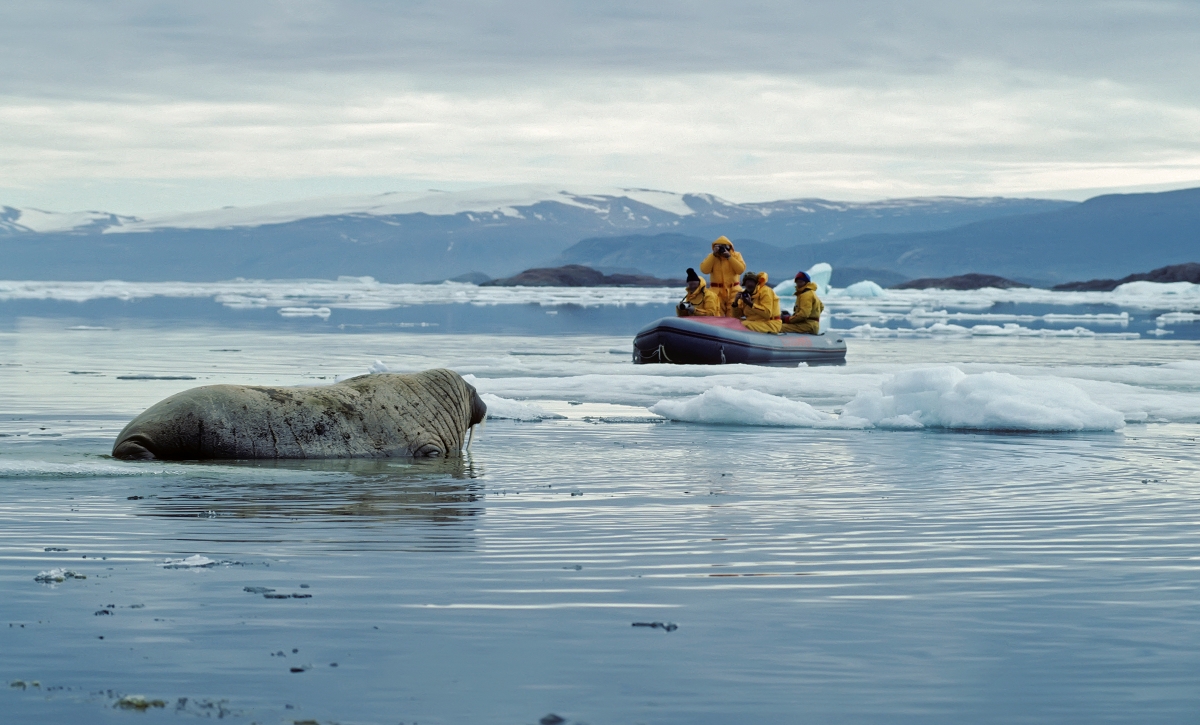
DI has also worked with many Indigenous communities, particularly in the north, on projects related to northern agriculture, food security and greenhouse skills.
In collaboration with the Future Skills Centre and other partners, we have completed several research projects. For example, Food Sustainability in the North: Community Based Greenhouses examines best practices of co-designed training approaches that include culturally-sensitive considerations for training and engagement and explores the impact of Green Iglu’s greenhouse and training programs across Canada, which found that 70 participants completed in-person training and 46 completed a revised online program in greenhouse management and sustainable agriculture. The project, Mapping Food Sustainability in Canada, Technology and Agriculture: Adoption and Barriers, maps the current ecosystem of food sustainability initiatives and, through an analysis of 288 initiatives and programs, found that most programs offer foundational skills, such as basic gardening and cultivation. Further, targeted programming is uneven for Indigenous Peoples and equity-deserving groups, especially Indigenous Peoples who are underserved. Supporting Rural Entrepreneurship explores Canada’s agriculture sector and barriers faced by rural entrepreneurs. It finds that many Indigenous Peoples live in rural or remote locations; however, they remain underrepresented in the sector. Results highlight the need for meaningful and culturally relevant supports for Indigenous agricultural entrepreneurs beyond general agricultural training.
We also partnered with the Standards Council of Canada (SCC) to develop a (PDF file) Publicly Available Specification: Guide on Applying Inclusion, Diversity, Equity and Accessibility Within Climate-Resilient Infrastructure. This framework provides guidelines for prioritizing construction, operation and retrofit in the context of climate change adaptation. Throughout the process, DI engaged with a steering committee, with representation from CCIB and CAMSC, to provide insights for the framework from an Indigenous lens. Indigenous communities were invited through community organizations to participate in an anonymous document review. Overall, by incorporating equity into climate-resilient infrastructure decisions, we can reduce impacts to Indigenous Peoples and equity-deserving groups who are disproportionately affected by climate change, climate-related disasters, and climate emergencies.