Embedding Equity, Diversity and Inclusion in Municipal Practice - A Close Look at Mississauga’s Empowering Change EDI Strategy
As equity, diversity and inclusion and accessibility (EDIA) initiatives face heightened scrutiny and backlash, evidence continues to show that Canadians who think equity diversity and inclusion “is mostly a good thing” outnumber those who think it “is mostly a bad thing” by a factor of more than 3 to 1. The EDI Backlash? What Canadian Workers Really Think report, based on a national survey of more than 5,600 workers, finds that 54% of Canadian workers view EDI positively, while only 16% view it negatively.
Amid this pushback, many employers are doubling down, recognizing that as Canada changes, so must our talent strategies, our design of products and services and our approach to creating safe and healthy workplaces. And in a context where we are pushing to develop new trading partners, Canada’s immigrant diaspora presents a global competitive advantage. Immigrants are more likely to be entrepreneurs and to export than others and they have deep knowledge of markets and networks that can open doors.
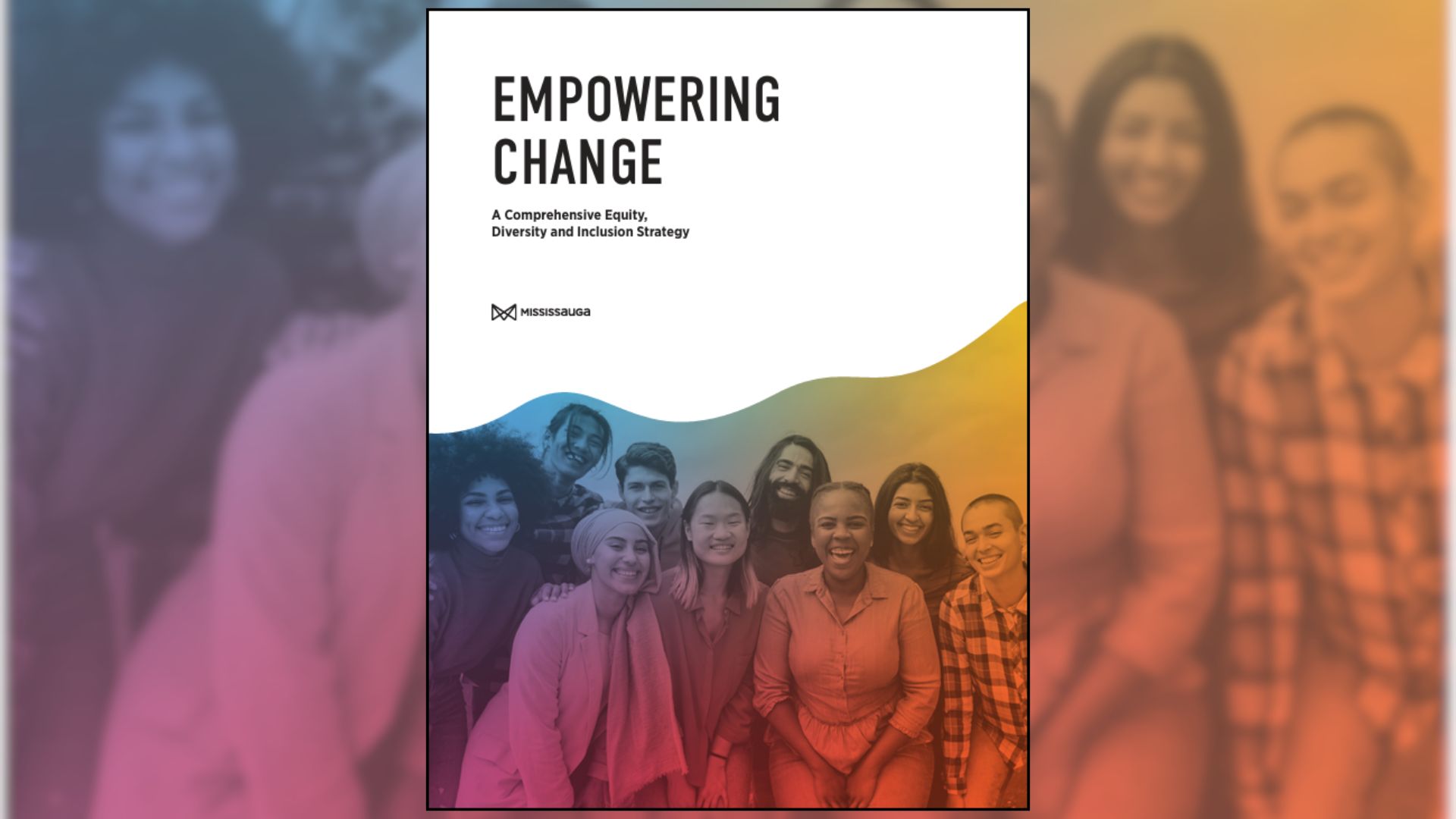
One of DI’s recent projects which illustrate the ways in which effective EDI strategies can support organizational goals is the City of Mississauga’s (PDF file) Empowering Change: A Comprehensive Equity, Diversity and Inclusion Strategy (2026–2031) (external link) . Created through a 2 year partnership with DI, this report sets out a long-term vision to embed EDI into City initiatives and processes, strengthening outcomes for residents, employees and community partners. The strategy, unanimously passed by City Council in October 2025, sets a standard for a clear path to embedding equity, diversity, and inclusion across municipal employment, programs and services, policies, and procurement. It ensures the City recognizes that creating an environment where everyone feels respected, represented and supported benefits both the community and the workforce.
According to the 2021 Statistics Canada Census, more than 60% of Mississauga residents identify as racialized making it one of the most diverse cities in the country. City leadership recognized that embedding EDI within municipal processes is not an add-on, but is a foundational requirement for effectively serving the communities they represent, for delivering responsive, accountable municipal services, and for attracting and retaining diverse talent. DI’s project with the City of Mississauga included a background document review and ecosystem scan, along with extensive internal engagement and multilingual external engagement to understand perspectives.
The strategy provides a clear and coordinated framework across four pillars of municipal responsibility: City employment, policy development, services and programs, and the procurement of goods and services. It provides tangible actions for City leadership and divisions aimed at mitigating barriers and biases and providing a framework for inclusive decision-making. Critically, the strategy was developed through an iterative and collaborative process, working closely with City of Mississauga staff to ensure proposed actions align with existing municipal processes, governance structures and capacity.
“Working with the Diversity Institute allowed the City of Mississauga to consolidate its disparate EDI activities into a coherent, practical corporate strategy that has been embraced across the organization,” says Uzma Shakir, Strategic Leader, Diversity and Inclusion, City of Mississauga. “The Institute’s research capacity provided invaluable tools and resources to support implementation, and the final deliverables not only met but exceeded our expectations.”
Shakir also emphasizes the importance of collaboration and adaptability in achieving meaningful outcomes.
“The most positive aspect of working with the DI team was the level and depth of collaboration, and their ability to pivot to meet our needs as the work evolved.”
This is just the latest of the municipal strategies DI has supported. DI has worked with the City of Vaughan and City of Markham, Cape Breton Regional Municipality, and developed the Municipal EDIR Best Practices Database (external link) in partnership with the City of Kingston.