Alumni work on CBC’s Missing Black Boys Doc
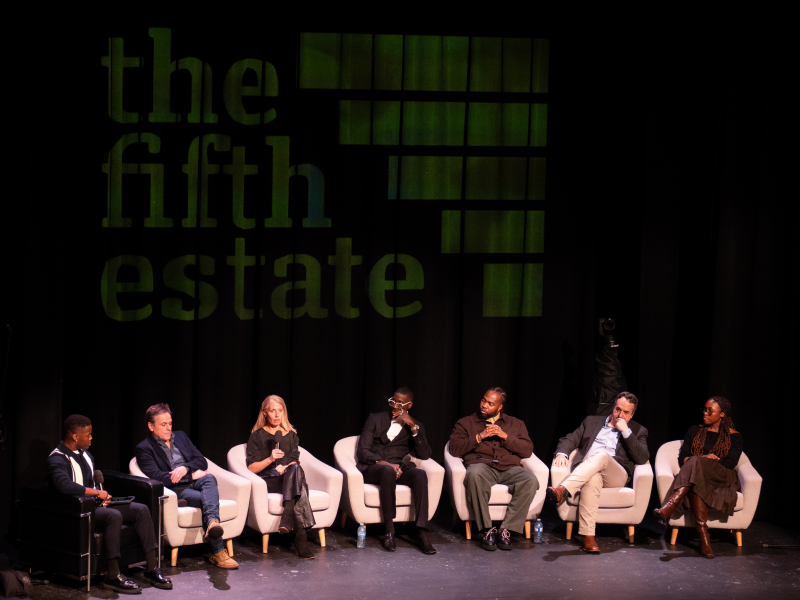
On Jan. 22, 2026, CBC’s The Fifth Estate premiered “Missing Black Boys (external link) ,” a documentary looking into reports of Black boys going missing and the theories behind their disappearances.
The Fifth Estate travelled around the GTA, across the province to Thunder Bay and Ginoogaming First Nation to investigate, interviewing parents who are looking for their children, field experts and local community members in the quest for answers.
Alumni and CJF Fellow Adriel Smiley (external link) ‘20, associate producers Daysha Loppie (external link) ‘24 and Danielle Reid (external link) ‘24 were a part of that team.
Their roles focused on assisting with production, researching claims, internet tips, interviewing as well as other tasks.
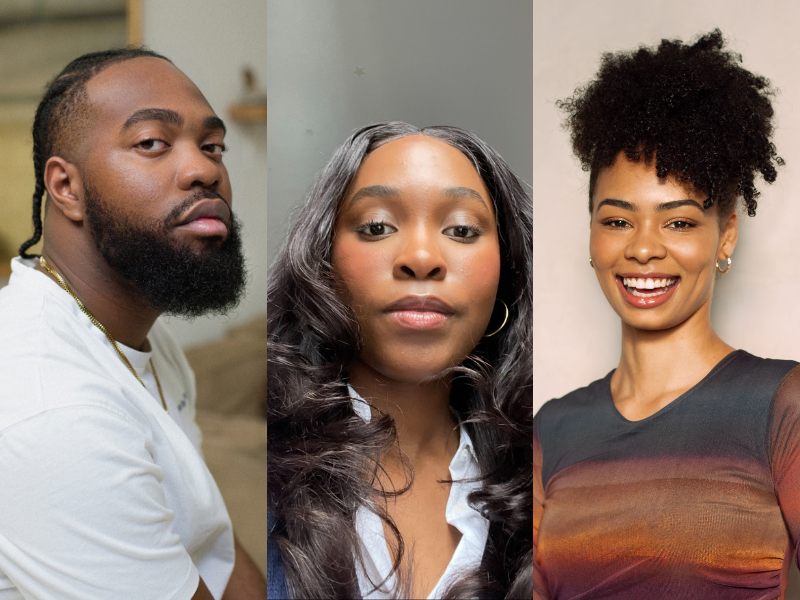
Left to right: Adriel Smiley, Danielle Reid and Daysha Loppie.
Loppie joined the team in May last year when she was asked by The Fifth Estate executive producer Allya Davidson to come work on the project. She worked with The Fifth Estate team previously while completing her CJF-CBC/Radio-Canada Black Women’s Journalism Fellowship.
She chased sources from social media posts who could speak on Black masculinity in Canada or folks who may have done things that could lead to jail.
“If they were saying something like, ‘I know this boy and he did XYZ’-- something that shows that they might know more than just your average commenter – that was kind of like a flag for me,” Loppie said. “Then it would be trying to find out more about that person, whether through Google, looking at their Instagram profile or profiles associated with them.”
Then Loppie would contact them and approach them in a way that was, “transparent and built trust, so that they would feel comfortable talking to me.”
By looking at who was commenting on social media and tracking posts, Loppie was able to find one of the documentary’s main voices, O'Shea Stewart, a Toronto-area school counsellor. Stewart shared how he’s trying to help boys stay out of gangs and raise awareness around the consequences of their actions.
Building trust with sources was also big for Smiley when he joined the team in November through his CJF-CBC/Radio-Canada Black Journalism Fellowship.
Part of his role that he felt helped the project was figuring out the profiles for the missing children.
"Me and Danielle (Reid) were combating that together, but we didn't get to talk to an actual child themselves who had gone OT," he explained. "It was a lot of friends, some parents and piecing together all this information in terms of how the kids were being groomed."
One of the interviews Smiley did was with a person who knew a lot of people who had gone missing, someone the team had already spoken with.
He listened to the team's interview and thought, "If me and him talk, being the only Black man that was part of the team [at that time in the project], maybe it'll be a different conversation and we’ll get more information.”
Which is what ended up happening.
With Reid’s research background, she was able to help answer the team’s more granular questions such as what do detention centres look like in Canada, are there bars, are there beds or bunks?
The team wanted to ensure everything was represented properly Reid said.
The level of attention to detail also went into Reid’s help with producing visuals on set.
She worked on filming b-roll footage of posters with missing boys on them. It was filmed in the CBC building downtown.
CBC workers were walking by while the team was setting up shots and filming, they were taking in how many people are missing, how young they are.
“It was just a really sad, but also eye-opening moment to see how impactful visuals can be in something like this,” she shared.
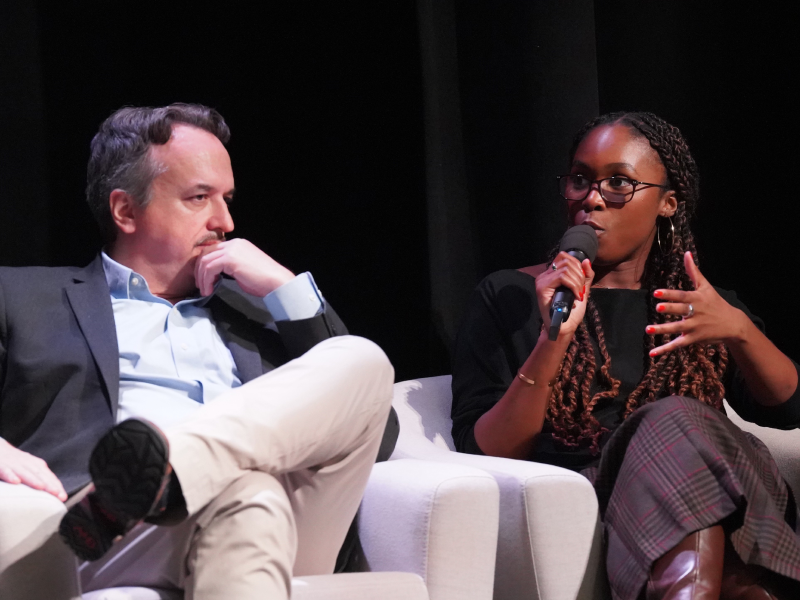
Reid and Smiley also had another opportunity to see how impactful The Fifth Estate’s work was when they spoke on the team’s panel at the documentary’s early screening in Ajax (external link) .
She said, “[It was a] huge privilege as a journalist in a young career to be able to sit in a room with the people who are directly impacted by reporting that I had a hand in.”
It changed how Reid looked back on all the hard work the team put into the documentary when she saw the audience watching it.
After the screening, a man came up to Reid and shared how he found the night to be healing for him.
“Knowing that it is having an impact even if it's not [in ways] we were thinking about. I'm so happy that it's having a positive effect on the community that's been dealing with this for years.”
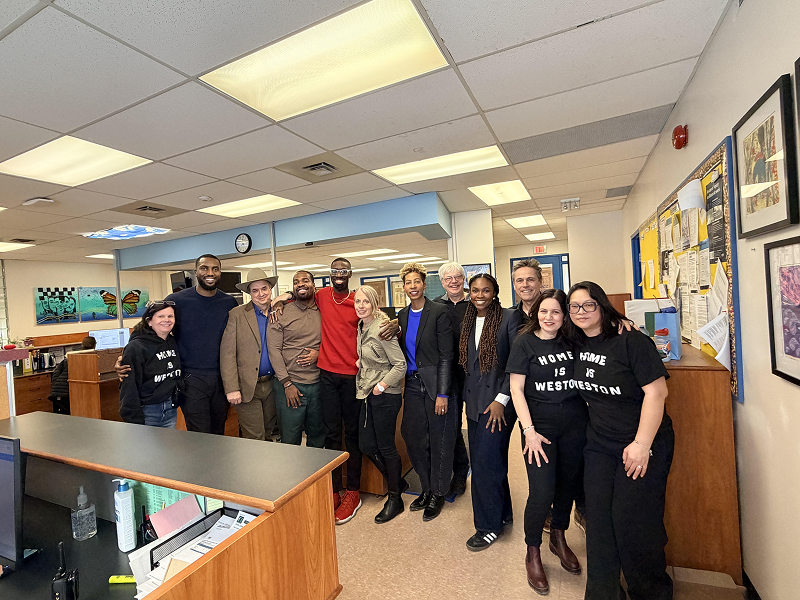
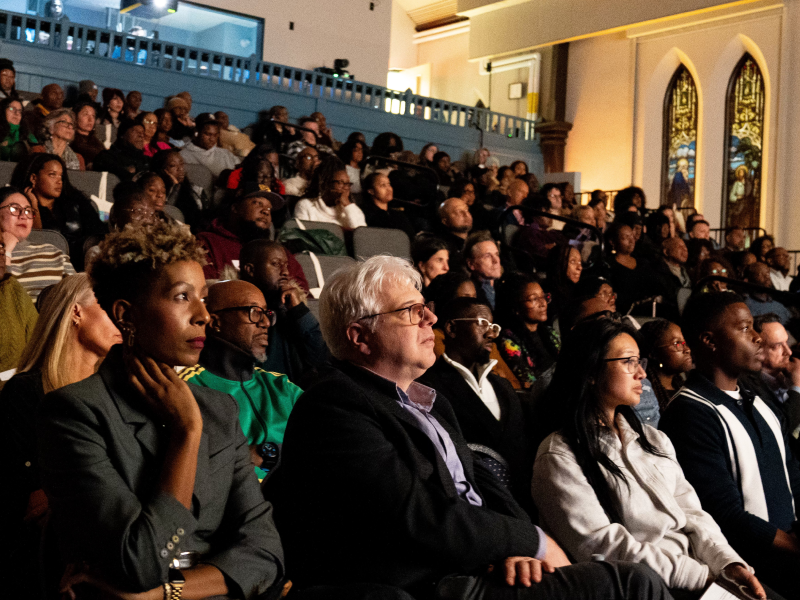
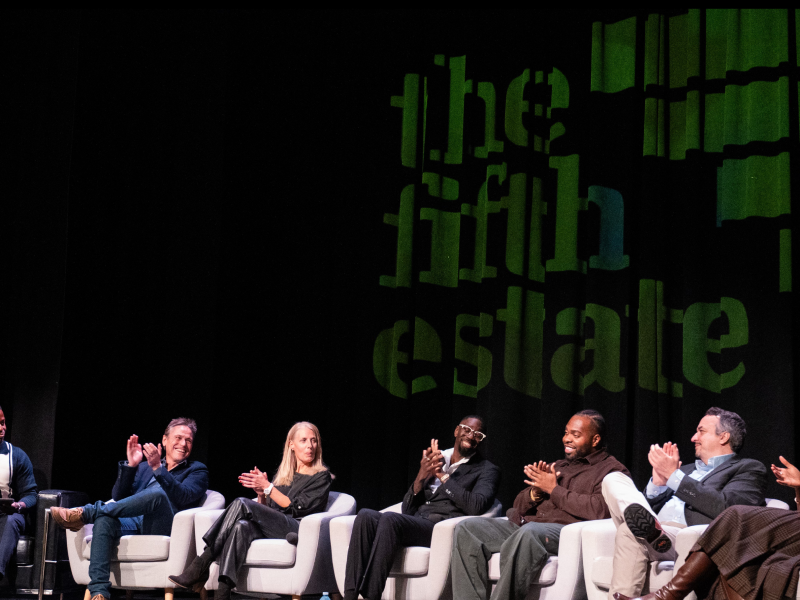
The documentary was well received across social media for digging deeper into the ongoing issue by various communities across the province.
Smiley said, while the documentary may be released, the work is still not done.
“Sometimes you cover something and there’s almost like a bow on the end of it. Maybe someone goes to jail at the end or someone passes away, unfortunately, and that’s the end of the story,” he said. “This is ongoing.”
Children continued to go missing while the filming was taking place.
“We did a shoot two days before Christmas and a kid went missing the night before our shoot,” he said. “As well, I had some connection to the kid because I knew someone that knew the parents, so it felt even a little closer to home.”
Smiley said, “I'm not a parent myself, but that was a moment where I kind of felt how these parents felt, knowing what happens to these kids when they go.”
Loppie also felt the need to continue working when looking back on being part of the documentary team.
She said the project was a start, but it can’t be the end.
“There needs to be connections and collaborations between journalists and Black communities outside of the newsroom.”
One example Loppie mentioned was Journalism at The Creative School assistant professor Eternity Martis and Carleton University associate professor Nana Aba Duncan’s Reporting in Black Communities (external link) research project holding community consultations and, recently, a symposium (external link) .
“We also need to acknowledge that this work is going on beyond journalism and that as journalists, we are amplifying that.”