Journalism Faculty Share Research Updates
Over the past four years, journalism faculty have been steadily increasing the range of their research activities and how they integrate their research and creative practice in their classrooms.
Journalism chair Ravindra Mohabeer said that close to three-quarters of the Journalism faculty have either a funded/multiply-funded research activity or an ongoing project that they are working towards.
These projects range from the professors’ teaching interests, the context of journalism practice or navigating spaces in the world through communication techniques (poetry, television, novels).
He said, “I would think that the research profile of the School of Journalism has become one that is not a question of active or inactive, but I would say more ubiquitous.”
We spoke with faculty members to learn more about their recently published and ongoing work and what people should take away from their findings.
Shari Okeke - On the record, off the mark: The effects journalists have on Black interviewees
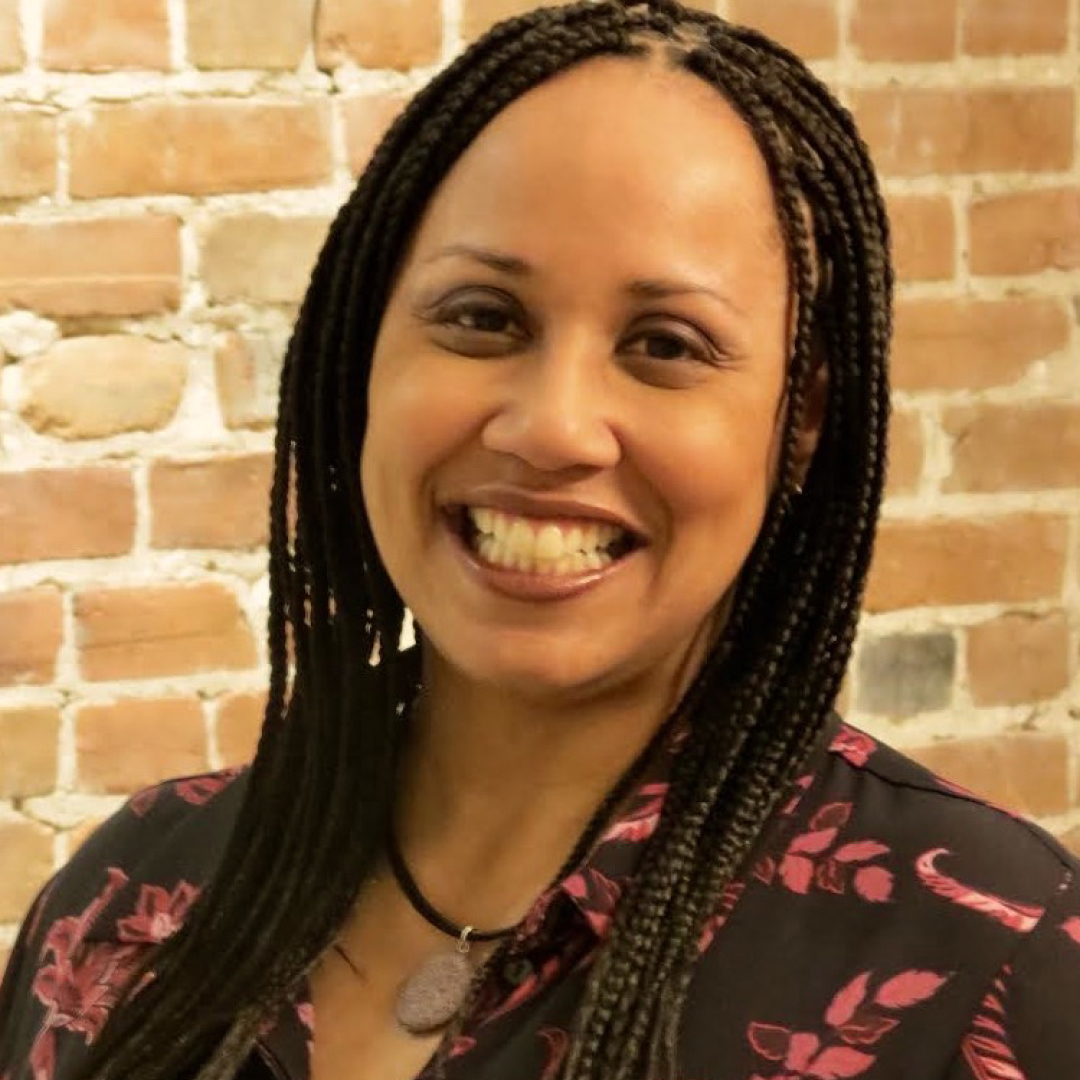
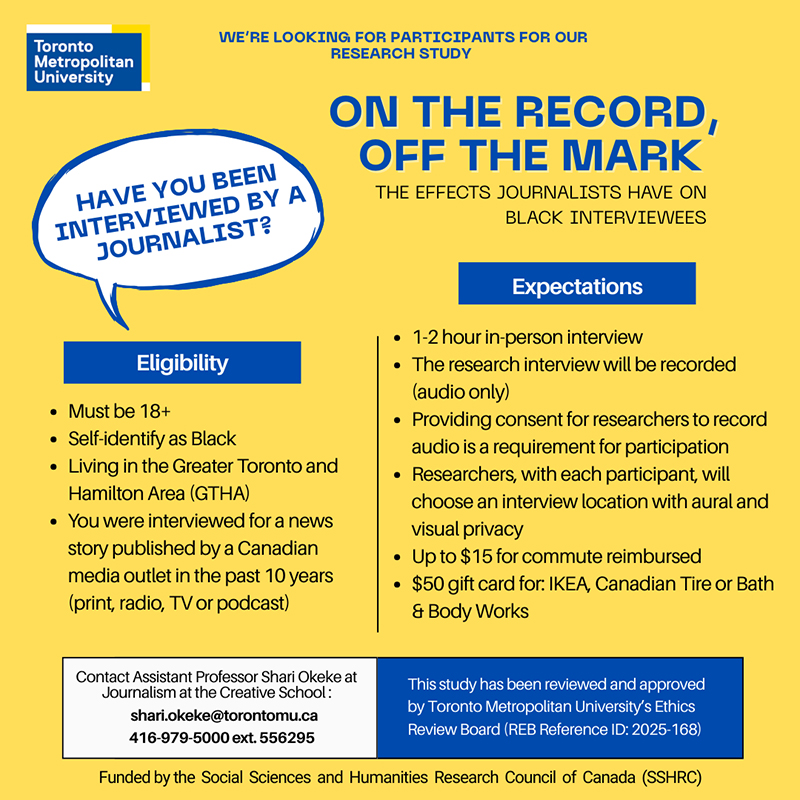
Shari Okeke, assistant professor, recently launched her research project, On the record, off the mark: The effects journalists have on Black interviewees.
This project will examine the experiences of Black interviewees when they interact with journalists—the positives and the negatives.
Okeke said, “the ultimate goal is for us to learn about what is going on in those direct interactions.”
She wants to pinpoint and identify what’s happening and how Black Canadians are feeling about the way they’re treated by journalists.
More importantly, she hopes we can learn from this feedback to improve our practices.
This research stems from Okeke’s experience as a reporter for over 25 years and hearing comments in the field.
“Some people would say to me, ‘I’ll talk to you privately, but I won’t talk to you as a journalist because I have felt burned in the past by talking to journalists,’” she added. Building trust takes time, she said. “Then I have colleagues asking me, ‘how are you getting access? How are you getting access to various underrepresented groups?’”
She said that we will never know why until we ask people who’ve been interviewed in the past.
The research project will include interviews with participants in Toronto, Montreal and Halifax. Within those cities, she hopes to find patterns that can give insight into what’s going on.
Okeke is eager to hear both sides of people’s experiences. “It’s just as important to understand what is working well as what needs to be improved.”
“We can always do better, and we need to think about the ways that we need to do better.”
If you or someone you know might be interested, please contact the researchers through this link (external link) .
Janice Neil - Documenting John Sawatsky’s legacy
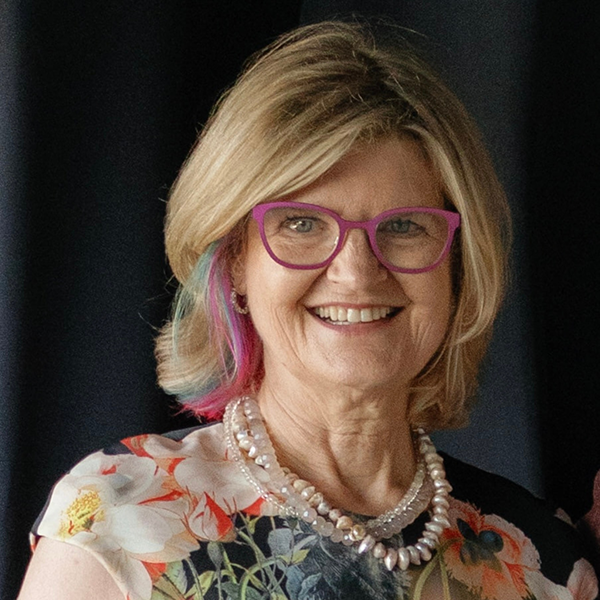
Janice Neil, associate professor, has been working on her big passion project about the art and strategies of journalistic interviewing.
She is trying to capture the legacy of someone who she considers to be “the greatest influence in terms of developing methodology or principles around interviewing.”
John Sawatsky (external link) is a former Canadian journalist who worked with journalists around the world for decades.
Neil’s goal is to capture his legacy because many who were trained by him, including Neil, have retired or left journalism. “I’m afraid it’s going to disappear and it deserves recognition.”
After working on her own for a few years, instructor Jill Mahoney joined the project last year.
They decided that the best way to do this project was as a scholarly podcast and are working on REB proposals to conduct the interviews.
Neil hopes to share with listeners who he is, how he came up with his principles and how some journalists are using them.
“I wanted to do a multimedia thing because it makes the examples come alive,” she added.
Her research on Sawatsky and his approach to interviewing bleeds into her teaching.
She hopes that students will do a lot of thinking on how they do interviews once her project is finished and available.
Angela Misri - AI Ethics in Newsrooms
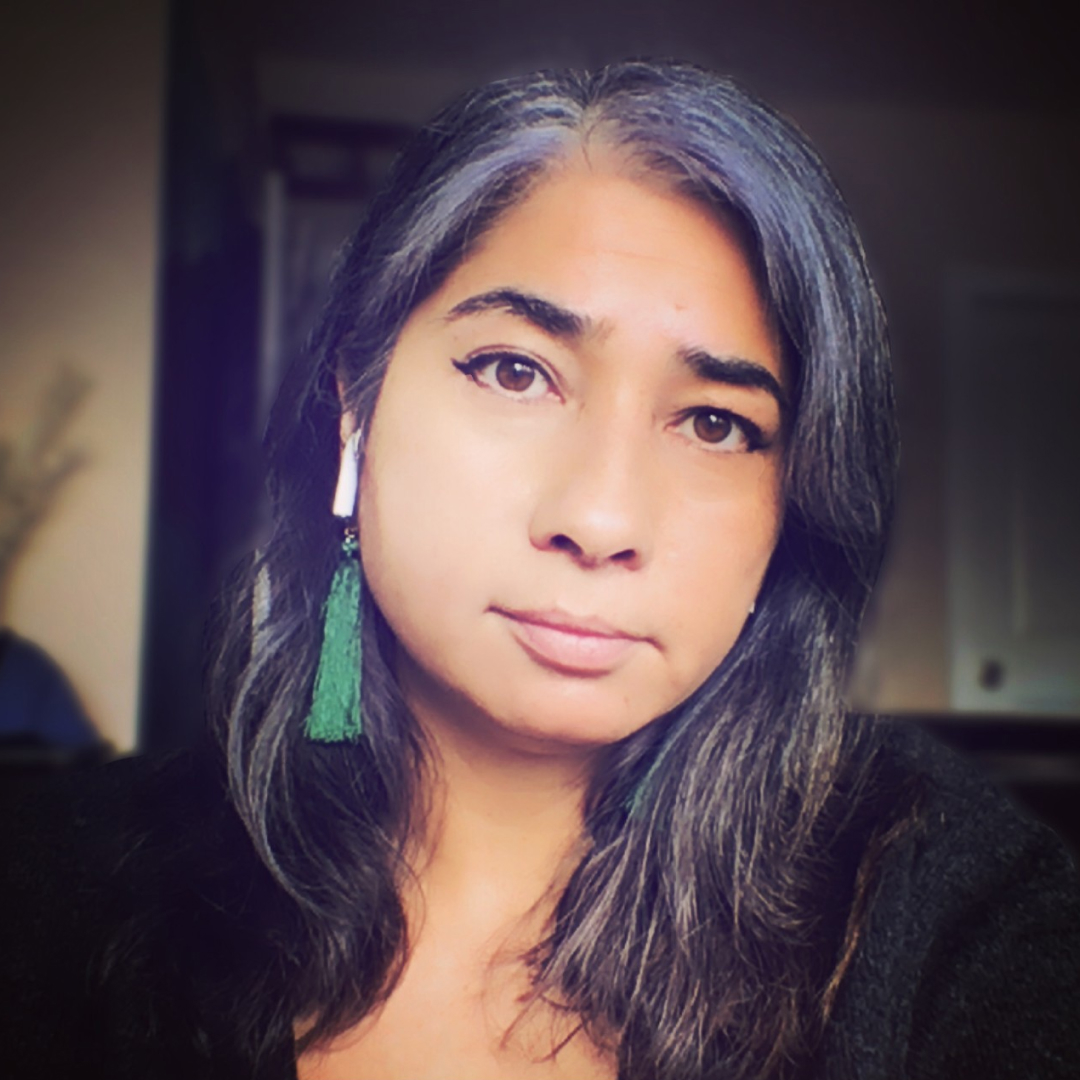
Assistant professor Angela Misri’s research interests lie heavily in AI and its use in newsrooms.
Earlier this year, Misri, Nicole Blanchett (associate professor) and April Lindgren (professor emerita), wrote about the lack of consistency between newsrooms' policies, and staff and audience transparency.
They worked on the paper for years, continually finding threads that they wanted to research next. One thread led to Misri’s and Blanchett’s recently published co-authored chapter in The Handbook of Artificial Intelligence and Journalism, “Rethinking journalistic role conceptions and role performance as artificial intelligence integrates into newsroom (external link) .”
Misri hopes that from the paper and chapter, people see that using AI as a tool can be powerful even when it’s explicitly declared.
“We’re not trying to fool people in our journalism production,” she said. “We’re trying to make the tools work for us.”
She also implemented the idea of using an AI disclosure field in her class, On The Record (external link) (OTR), this term as a “mindful way for students to consider the AI they are using to produce journalism.”
When you scroll to the bottom of an OTR story (external link) , you will find a note on what AI tools the reporter used.
This stemmed from her research on the continued importance of transparency in the journalism industry.
Misri plans to gather the data from OTR this term to create a paper on AI disclosure and mindfulness, while also working on papers on AI voice cloning and AI and copyright.
Joyce Smith - Kuper Island: The Metaphorical and Literal Haunting of Indigenous and Canadian Communities
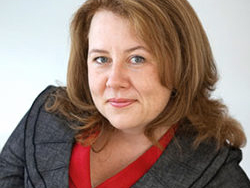
Associate professor Joyce Smith published a paper in The Journal of Religion, Media and Digital Culture titled “ (excel file) Kuper Island: The Metaphorical and Literal Haunting of Indigenous and Canadian Communities (external link) ” earlier this year.
Her research looks into a CBC podcast from 2022, “Kuper Island,” that deals with a former residential school on Penelakut Island.
The podcast concerns the torture and mistreatment of children and the continuing fallout from it. But one thing stood out to Smith: “the way that Duncan [McCue] and the people he interviewed talk about the ongoing presence of people who have died.”
This was important to Smith as it was one of the first times she has heard the ideas of spirituality come through in a piece about residential school.
Her take dives into how the podcast explains the spiritual elements of what happens when children have died and loved ones don’t know where they’re buried.
“Unfortunately, as human beings, we all experience grief and loss. But not all of us deal with the afterlife or burial in the same way,” she explained. “We have different customs and different religious ideas. I think this does a really good job of explaining that element of this story that I hadn't really heard before.”
Kuper Island helped Smith learn more about how these particular communities think about their loved ones who have died, how they should be treated and how the relationship continues. These are ideas which can help non-Indigenous Canadians better understand other traumatic stories.
“That's important to understand for instance, the stories of families whose loved ones were in landfills and why the search for them was important. Because it's not just, ‘look, a body can decompose anywhere. Who cares?’ It's a very different way of thinking about it.”
Her next project hopes to explore McCue’s and his fellow producers' editorial decisions through interviews.
Smith would like journalists who read her paper to be attentive to where spiritual and religious ideas are in play. Especially in the words that are used during interviews.
“Sometimes you might think they're not that different, but maybe they are. That's a good chance to ask the person, ‘oh, I noticed that you're using the word spirit instead of ghost. Why do you choose that word?”
She encourages reporters to “be open and acknowledge when things that are religious or spiritual are coming up, and not be sort of embarrassed, and like, ‘oh, that's very private. We won't include that in the story.’ Because that often is a really important part of the story.”
Asmaa Malik - The Research Centre and combining interests
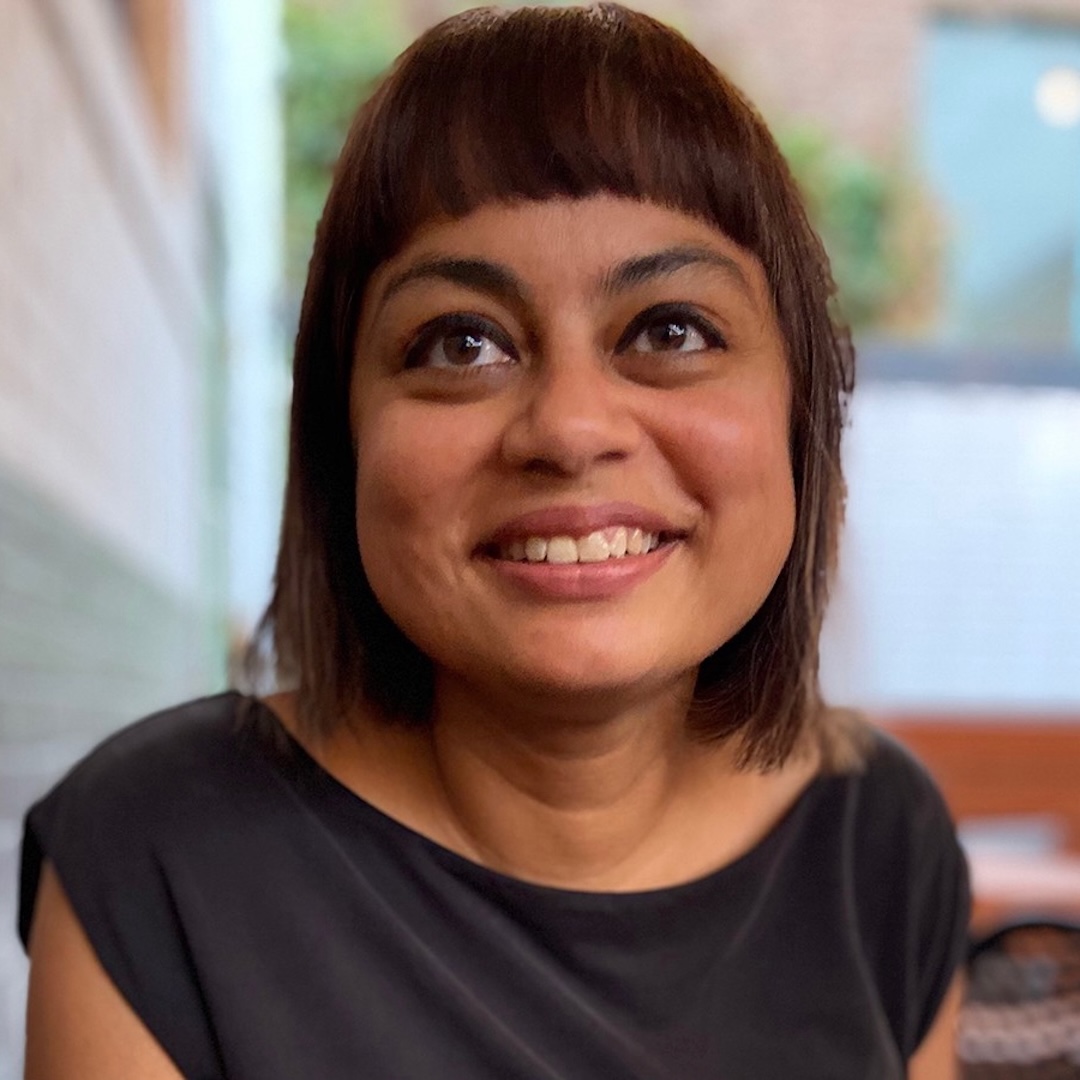
Asmaa Malik, professor and director of the Journalism Research Centre (JRC) (external link, opens in new window) hopes to focus her time in the position on connecting faculty research interests and projects to improve the transparency of work between members.
The JRC is responsible for supporting panels, discussions, conferences and getting the word out about what everyone is doing within the School.
This is Malik’s first time in the role. “My hope [is] to tie together the threads of different people’s research to showcase the department.”
One of the projects that Malik is working on is with associate professor and associate chair, Sonya Fatah, on the experiences of Muslim journalists in Canadian newsrooms.
She said, “newsrooms push for diversity and that can be a numbers game, but what kind of experience do journalists from non-dominant communities have in newsrooms?”
She has her own reflections as a Muslim journalist in Canadian newsrooms for almost 20 years, from an intern to leadership and management roles.
“At a time when I felt often I was the only Muslim in many spaces to a time when there’s a greater push for diversity, there’s still a question of whether we are seeing newsrooms get more diverse or less diverse,” she says.
Earlier this year, Malik and Fatah wrote about this topic: “Old WASPs” and “middle-class white ladies”: what columnists’ self-identification says about diversity in Canadian newsrooms (external link) .”
They looked at how numbers can change, but asked what changes structurally.
“We all know systemic changes really take a long time and require an investment of actual desire to change,” she said. “Our hope is to see from their experiences, whether they believe they have an impact on editorial coverage.”
For example, she wonders how the genocide in Palestine and the targeting of Palestinian and Muslim journalists may be having “a chilling effect on the experiences of Muslim journalists in the newsroom.”
Nicole Blanchett - AI and Journalistic Role Performance
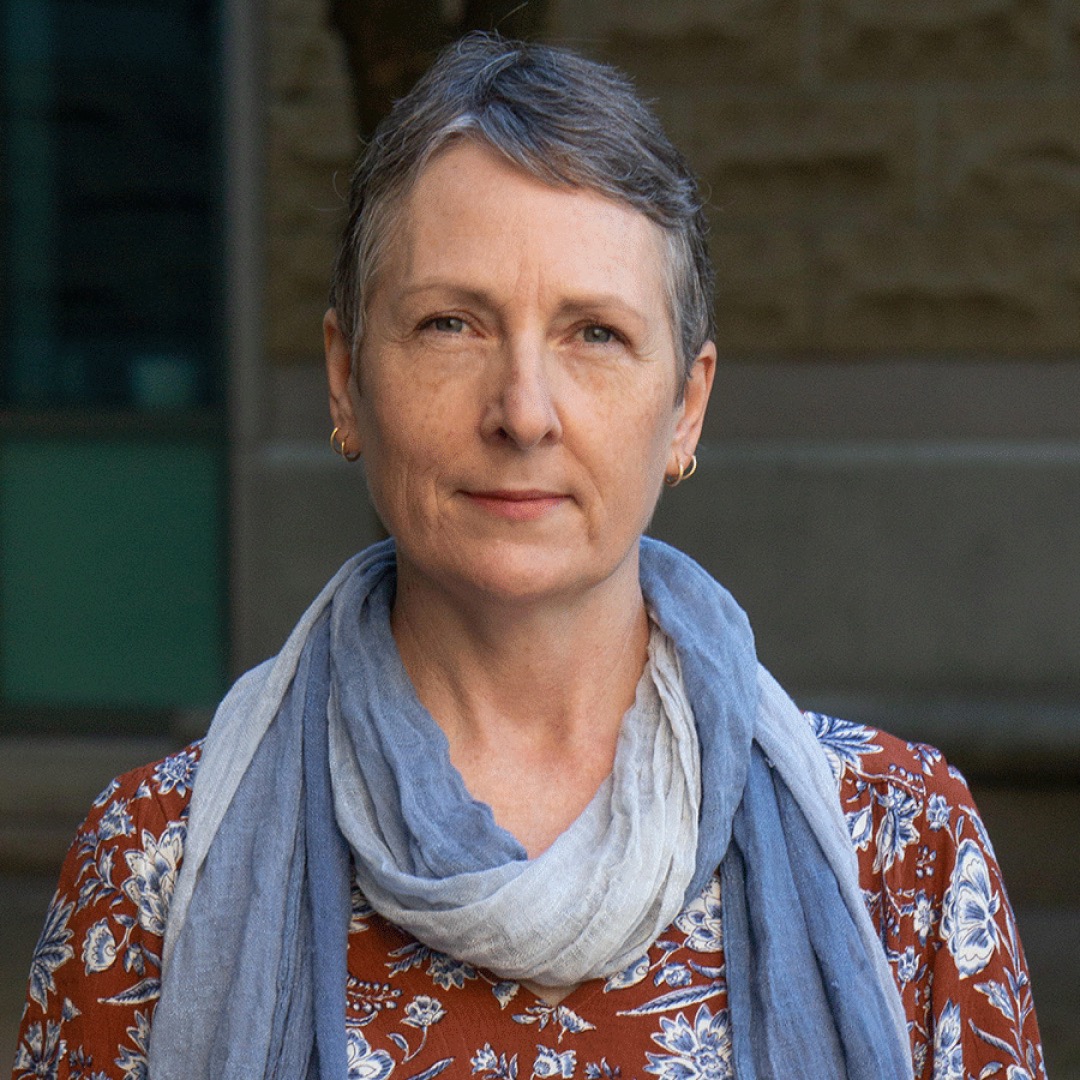
Nicole Blanchett, associate professor, is in the midst of preparing the third wave of the Journalistic Role Performance Project (external link) (JRP Project).
Similar to previous work from the project, data will be collected that will look for the presence of specific journalistic roles.
More than 50 countries will be participating in this third wave. There will be a range of sites across the countries where the JRP Project will collect all of the news from websites for a certain time on 14 days spread out across the year.
Then the researchers will analyze the content for specific roles, such as the watchdog role, where a journalist is holding power to account or infotainment, where a story might be more about entertaining than informing the audience.
“It’s quite a big undertaking,” she said.
When they do the content analysis, they will be able to say what percentage of journalism being done is about being a watchdog versus a service role or infotainment.
Last time there was a survey component and observations and interviews with journalists, but this time, there will be no survey.
“We can look at how the roles that journalists think are most important through interviews and some of the practice that happens in the newsroom that might impact why some roles or others are more prevalent in journalism that we see across Canada,” Blanchett explained.
Another part of this project will be looking at how AI is referred to.
She notes, “Is AI listed as a tool that was used for data analysis? Is it actually listed as an author in some instances?”
Through the analysis Blanchett and the team hope to find an understanding of how much AI is being used in a way that is obvious to the audience.
In a separate study with the XJO team at TMU, Blanchett and her fellow researchers are analyzing how audiences feel about the use of AI in journalism, and how that information might be useful to journalists.
“It's trying to help newsrooms figure out how would it be best to communicate with our audience, what kind of things do we need to let them know about, and what types of audience members, depending on who your target audience is, might be more or less concerned with the use of AI."