Seeing double: The next wave of transformative technology
INNOVATION

This publication is made possible, in part, with the support of the Research Support Fund.

Message from the Vice-President, Research and Innovation
As fast-paced technological change reshapes and reimagines our lives, researchers at Toronto Metropolitan University (TMU) are working at the leading edge of development and deployment. In doing so, they’re harnessing the power of new tools to deliver evidence-based solutions to a range of challenges across industries and communities.
Steven N. Liss, PhD
Vice-President, Research and Innovation
Idea to Innovation
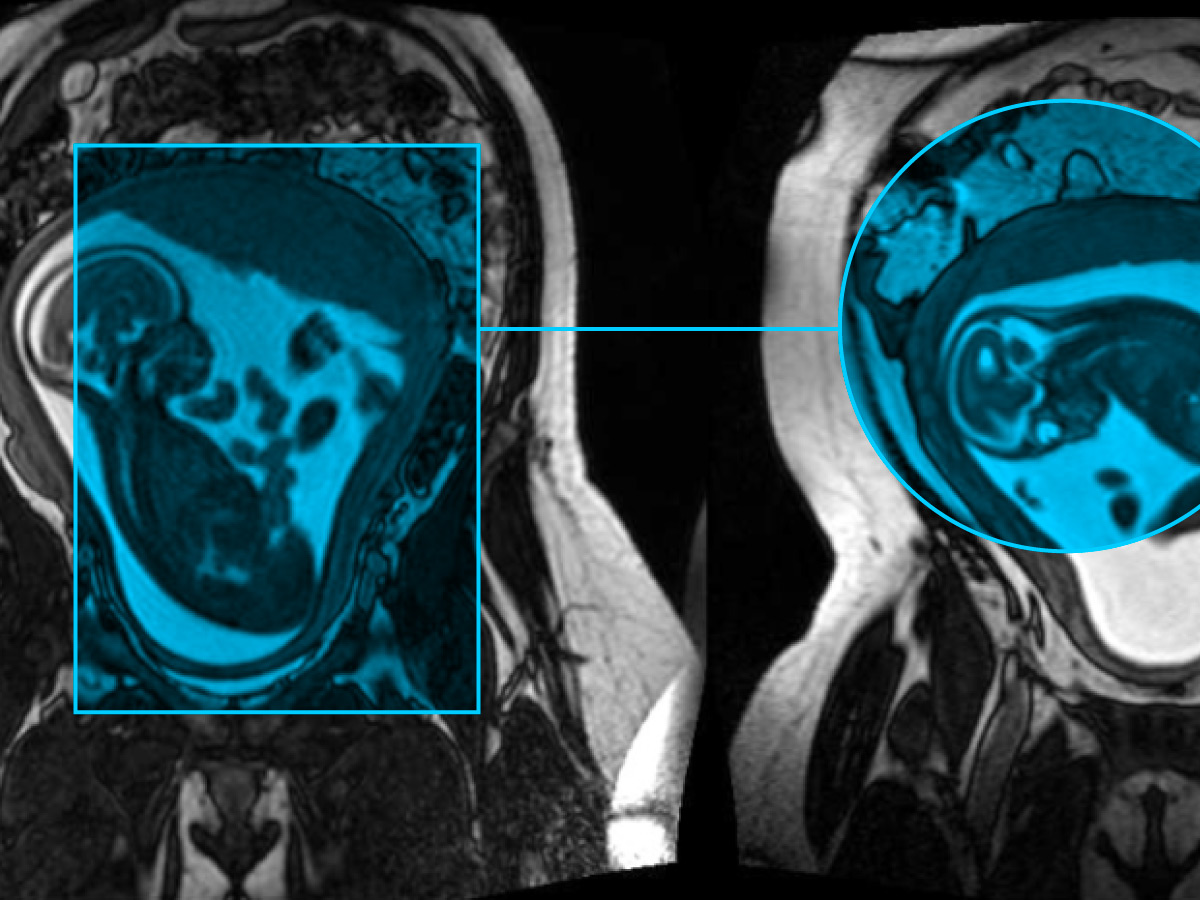
Harnessing AI to transform fetal MRI: Inside the Fetal Assessment Suite
To shorten fetal MRI interpretation times and improve diagnostic accuracy and accessibility, FEAS professor Dafna Sussman developed the Fetal Assessment Suite (FetAS). FetAS is a secure, easy-to-use, web-based platform using machine learning to automatically process fetal MRI scans and help identify potential abnormalities.
Shaping Policy
Ethical conduct in the age of AI: A new challenge for urban planners
Amid an explosion of powerful AI tools, professional urban planners lack guidance on how to ethically use these technologies. Professor Pamela Robinson of TMU’s School of Urban and Regional Planning is filling the gap – and protecting the public interest – with a specialized card game.
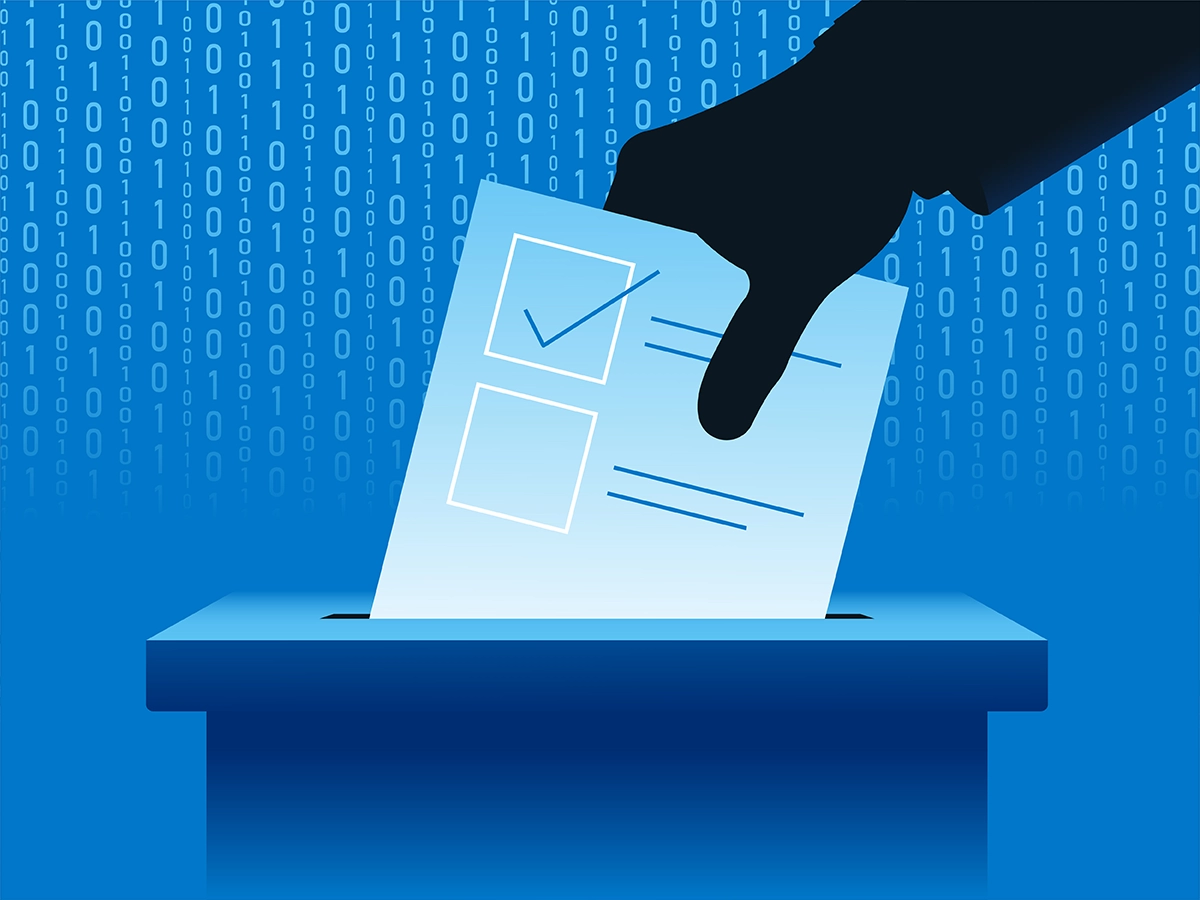
When AI meets the ballot box: Protecting democracy in a new digital age
With an international team of legal scholars, technologists and policy experts, law professor Jake Effoduh has produced one of the first global policy briefs on AI and fair elections, offering practical guidance to governments, political parties and electoral authorities struggling to keep up with fast-moving technologies.
Partner to Innovate
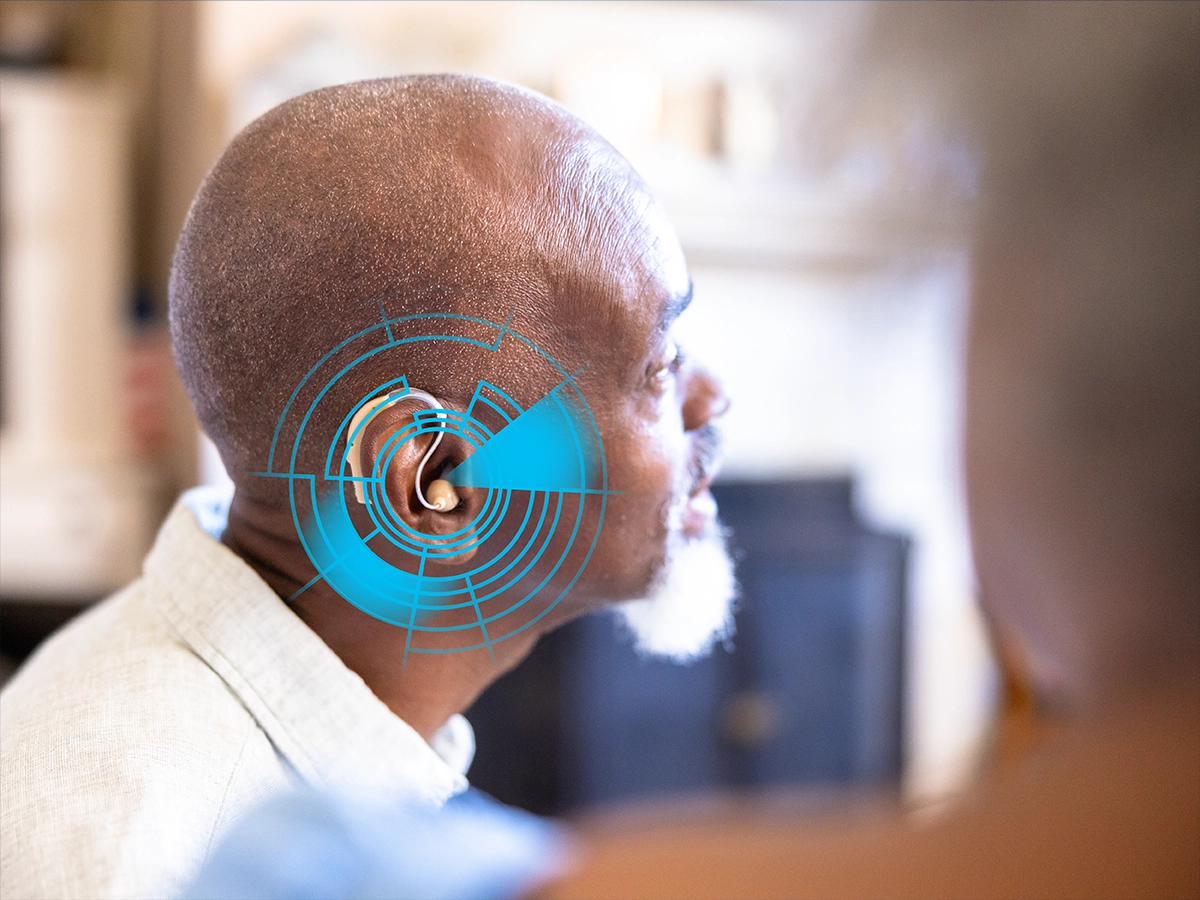
AI-powered hearing aids and listening effort: Promoting cognitive health in aging
Traditional hearing aids amplify sound, but they often struggle to separate speech from background noise. New research from psychology professor Frank Russo, in collaboration with industry partner Sonova, suggests that artificial intelligence (AI) could help solve this problem and ease brain effort while listening.
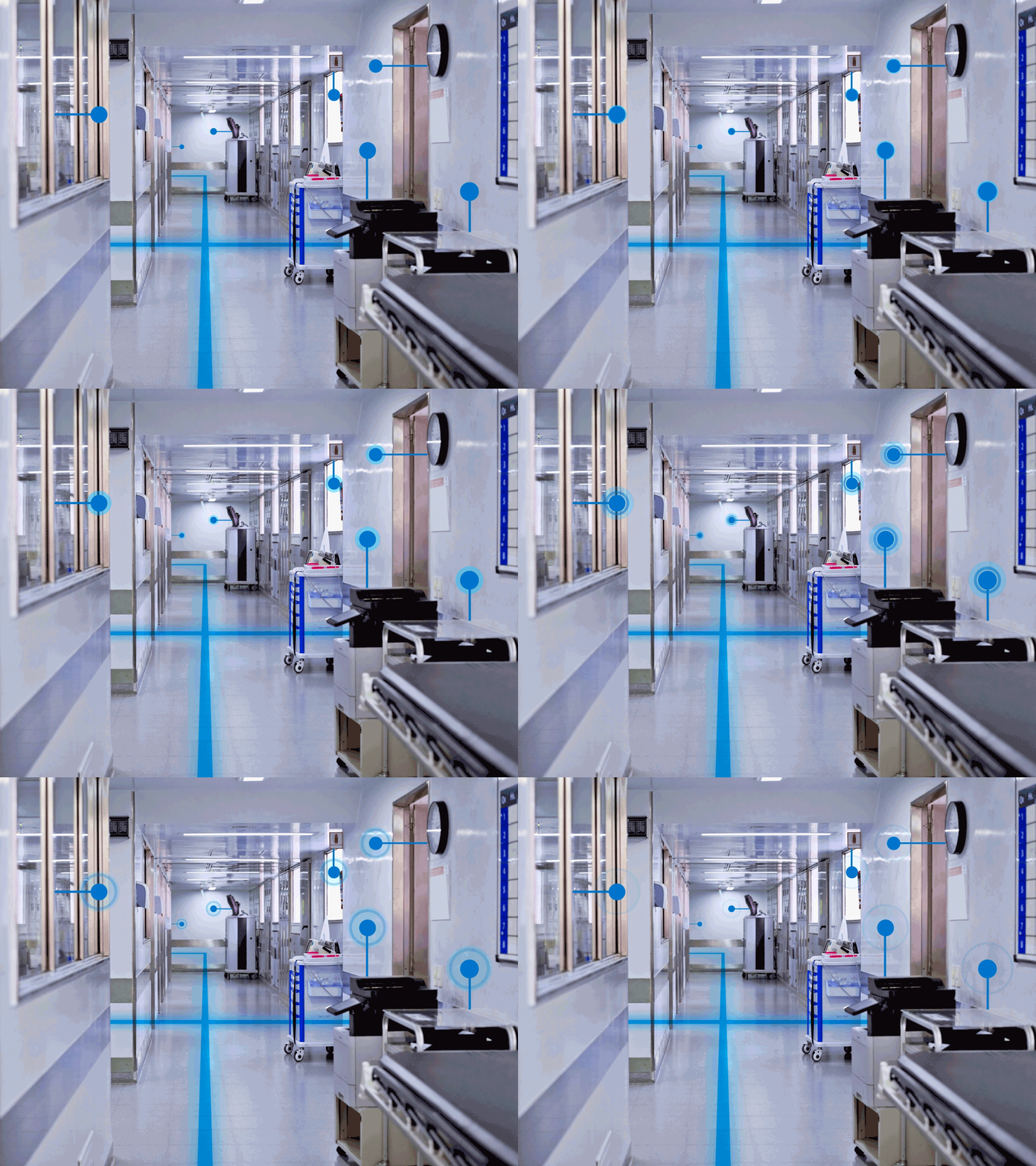
Tracking the future: How wireless positioning and AI are transforming health care and beyond
To enable Canadian hospitals and industries to manage growing numbers of people and assets safely and efficiently, TMU professor Xavier Fernando worked with industry partner Paytec, Inc. to develop a precise, scalable and privacy-focused location-tracking system.
Meet the Expert

Game changer: How video game design principles can help create digital twins that are more immersive, intuitive and interactive
Two TMU professors leveraged the educational elements of video games to design and build a digital twin that earned rave reviews for its engaging, user-friendly experience.
Technology & Design

Designing safeguards against deepfake deception in the digital age
As deepfake technologies become more realistic and more accessible, understanding how people react to them – and how that reaction can be shaped through design – has become a pressing challenge for information technology management professor Burcu Bulgurcu.
TMU researchers rethink digital twin design with a simpler, systematized method
Computer science professor Sadaf Mustafiz led an interdisciplinary team that used a model-driven approach to engineer a new, scalable process for designing digital twins and the complex systems that support them.