Sammy Kogan captures the world through his lens
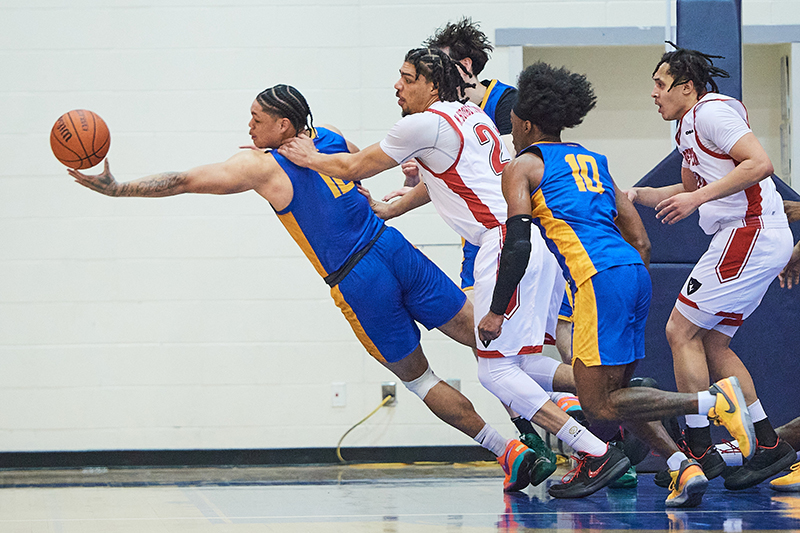
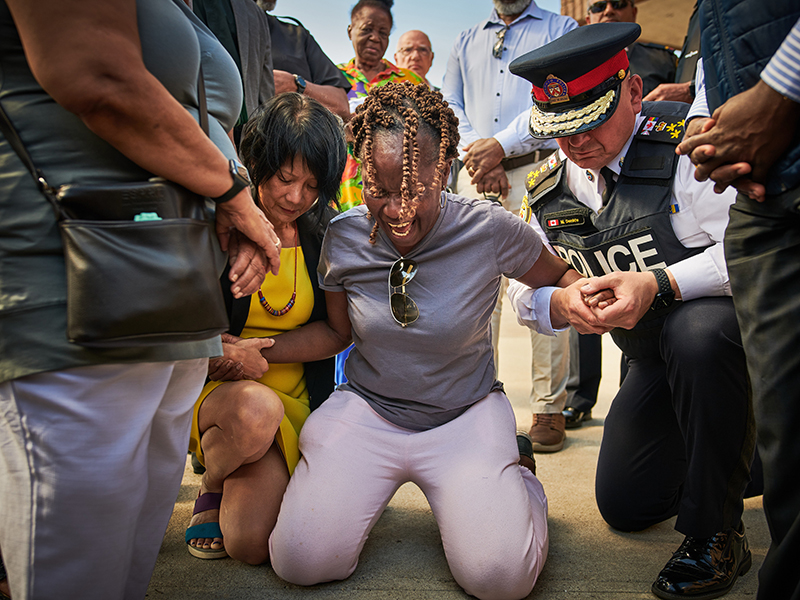
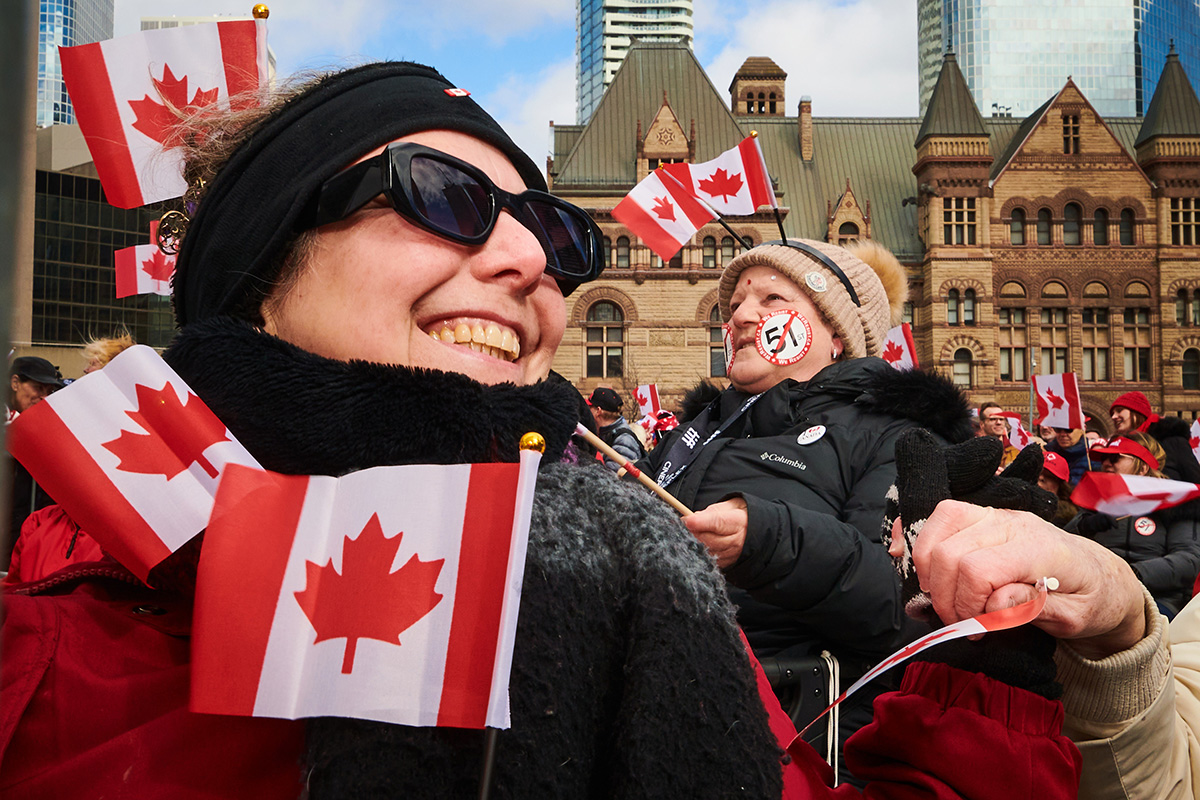
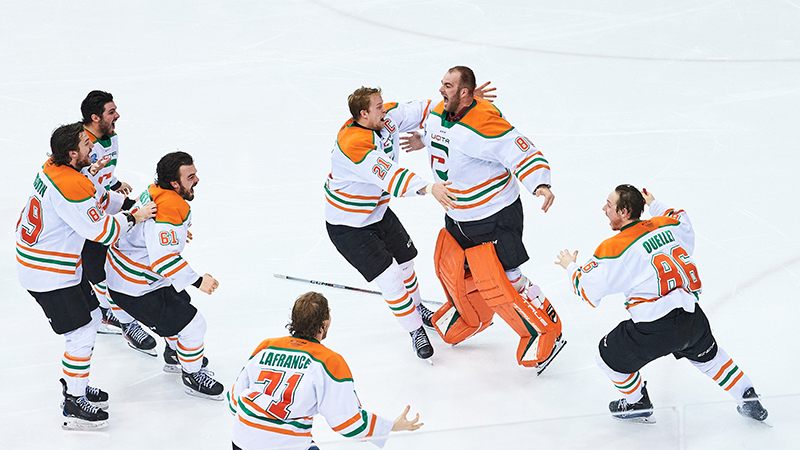
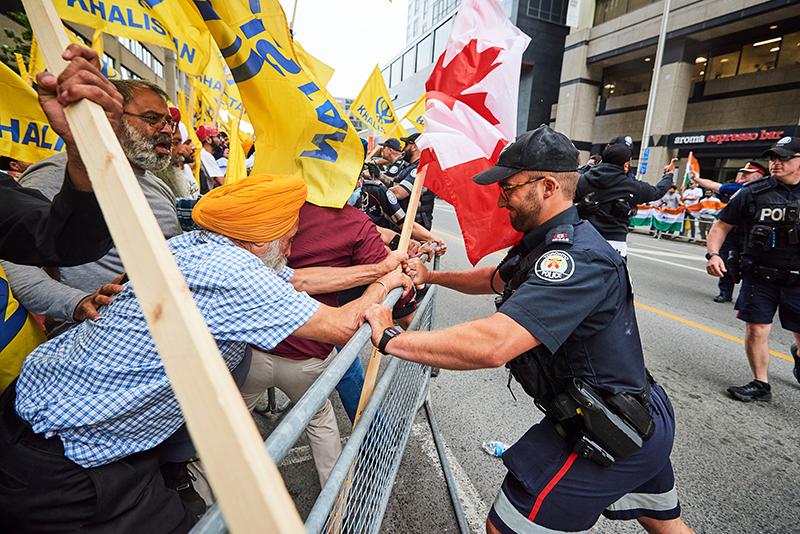
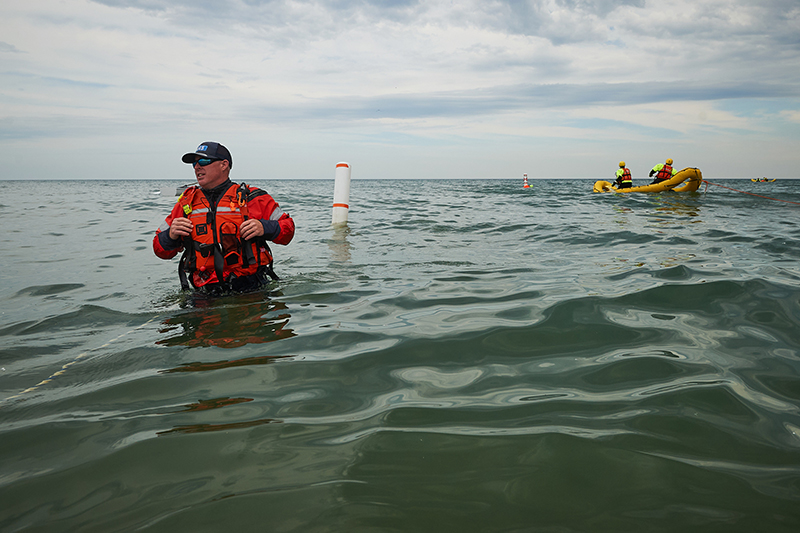
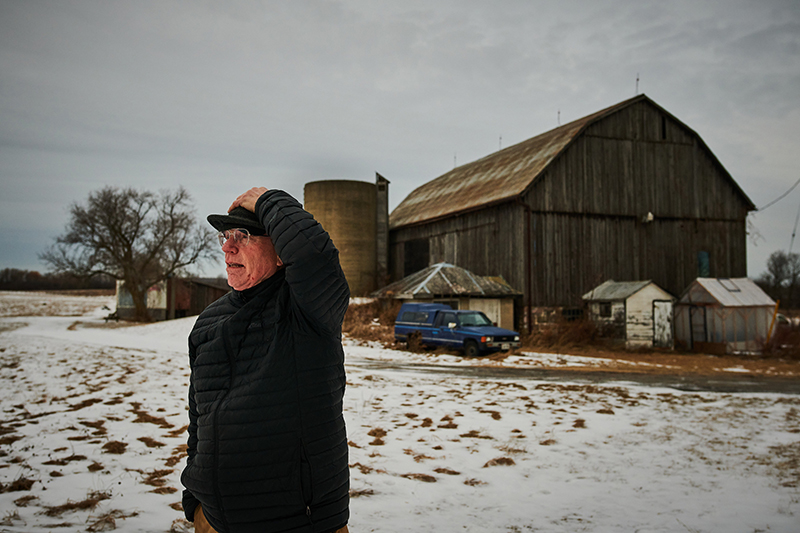
A selection of photos from Sammy Kogan that he took for The Eyeopener or The Globe and Mail. Photos courtesy Sammy Kogan.
Sammy Kogan wears a watch on both of his wrists.
On his right wrist is the digital one, where Kogan keeps track of incoming texts and emails, assigning him freelance photography work. Fitted with a back-up SIM card in case his phone battery dies, Kogan is committed to responding to editors within minutes. Sometimes it’ll have him riding his bike down to an embassy to cover a protest. Or to snap a photo of the CEO of Rogers Communications. Or to cover a vigil bringing people together after a harrowing shooting in the GTA. His analogue watch on his left wrist helps him keep track of the time.
“The camera is my way to meet people, to see things, but also to understand,” Kogan said.
To him, each assignment is not only about building his skillset or portfolio—it’s also about connecting with the people he’s taking photos of and doing justice to their stories in the way he captures them. He enjoys the immediacy of even the most mundane photo tasks.
Kogan, who just finished his final year of journalism school and won numerous awards throughout his time as a student, including the Tom Hanson Photojournalism Award, will begin his internship at The Canadian Press after graduation. He’s on a mission to capture the world in his camera lens, using his skills to craft stories through connection.
Kogan picked up his first professional Nikon camera when he started high school. An aspiring geography major, his photography was less about creativity and more about the technical aspects of it; messing around with technology. That changed when he joined his school’s yearbook team and discovered the role of photography beyond its wires and adjustments.
When the time finally came to apply to university, geography was no longer among Kogan’s choices as a major. In fact, he only applied to two programs: the Bachelor of Journalism program at Toronto Metropolitan University (TMU) and a photojournalism program at an Ontario college.
Kogan had become enamoured with the camera as a way to capture and understand reality.
“I wanted the ability to understand people better […] and take photography not as an artistic medium but as a medium of communication,” Kogan said.
Kogan heard back from TMU just two weeks later and accepted the offer within a week. To him, TMU’s J-School would offer the overall skills of engaging with people and telling stories that he could later apply to any medium.
Despite taking his first year during the lockdowns from the COVID-19 pandemic, Kogan said he noticed how the structure of the J-School allowed for students to put in the work and apply their skills outside of class. That’s exactly what gave him the opportunity to have his first news photo published.
When it still existed as a free tool, Kogan says he was “obsessive” on TweetDeck, with multiple columns tracking keywords and conversations happening in Toronto. His idea was to follow the latest trends and see what might give way to a photojournalistic opportunity. In February 2023, he saw the breaking news of a press conference with then-mayor John Tory in a half an hour.
Kogan didn’t know exactly what would be said but he had the time so he got on his bike, slung his cameras across his back and rushed down to City Hall. He didn’t have a plan of how he’d get in or who he’d take the photos to; he just knew that he wanted the experience.
He got into the elevator with a camera person from CTV—Kogan said the staff at the mayor’s office assumed he was with them, letting him into the press gallery. Among the handful of photojournalists there, Kogan observed as Tory stepped out, delivering one of the “fastest press conferences” he has ever seen, with the mayor’s eyes glued to his paper as he announced his surprise resignation. As soon as the press conference ended, Kogan watched the photojournalists run to file their photos and decided he should run, too.
He got home, looked up the email address for The Eyeopener and sent them his photo scoop. At first, Kogan said they didn’t believe the photos were even real but when all was verified, it became his first-ever to be published. He soon began to take more photos for The Eyeopener, later earning a spot as their photo editor.
Kogan’s passion for keeping up with Toronto happenings also led him to cover protests outside the Indian consulate later that year. He had sent those photos to The Globe and Mail, who initially had told Kogan they wouldn’t need them, but upon reviewing the photos, decided to publish them alongside wire photos. From that first connection, Kogan built up his reputation that landed a coveted apprenticeship at The Globe and Mail following his third year.
“I've never learned so much so quickly because there were fantastic people,” Kogan said.
Pushing himself to impress, Kogan worked early mornings and finished late and would even work through weekends. The team at The Globe, meanwhile, encouraged him to go out to look for stories and supported him. During his apprenticeship, news of pro-Palestine encampments on the campus of the University of Toronto broke out around 7:30 one morning. It was before much of the staff Kogan worked with at The Globe started, but he rushed to grab his cameras, shot an email to his editors letting them know where he’d be and ended up being one of the first photojournalists at the scene. By the time the managing editor logged on that morning, pictures of the encampment were in the system and ran at the top of The Globe’s online page.
Kogan said the apprenticeship drilled many good habits into him, as the staff there invested in forming his skills. It taught him to think visually about visual problems a story might face. He also learned to pull video at the same time as he took photos, so what he captured could serve double the purpose. It also reinforced what Kogan loved about photography in the first place.
“I don't have a sense of, ‘I want to change the world with my photography,’” he said. “I love the mundane assignments. I love the everyday. I love the immediacy of it.”
A lot of Kogan’s personal philosophy when it comes to photojournalism involves saying yes to all opportunities he has the capacity to take on and striving to be in the right place at the right time. That thinking has gotten him nearly 60 features in The Globe since his apprenticeship and front covers as well.
It’s also the kind of thinking which has seen Kogan rewarded with multiple acknowledgements in the past year. From Student Photojournalist of the Year at the JHM Awards, to nominee at the National Newspaper Awards in the News Photo Category and now, recipient of the Tom Hanson Photojournalism Award from the Canadian Journalism Foundation, he is taking the student photojournalism scene by storm.
“There is always such a sense of gratitude for every single person that's helped me in every single part of it,” Kogan said of his achievements. In particular, he said the encouragement of assistant professor Angela Misri, his colleagues at The Eyeopener, his mentors at The Globe and many others whom he crossed paths with shaped him into the emerging photojournalist he is today.
Throughout his four-year journey at J-School, Kogan felt reassured that he made the right choice pursuing journalism, as a complement to his passion in photography and building connections.
“You're creating visuals that matter, that are journalistically proper and important,” Kogan said. “We build trust.”
Now with his internship at The Canadian Press, Kogan hopes to cement himself among the Canadian photojournalists he is inspired by. And though he lives in the moment, much like his photos, he sees himself doing photojournalism for a long time.
“Every single assignment should be 100 per cent. You do this until the day you can give it 99 per cent,” Kogan said. “And that has to be your last day. At least, that’s how it is for me.”