Alum wins Best Short Doc at Caribbean Tales International Film Festival
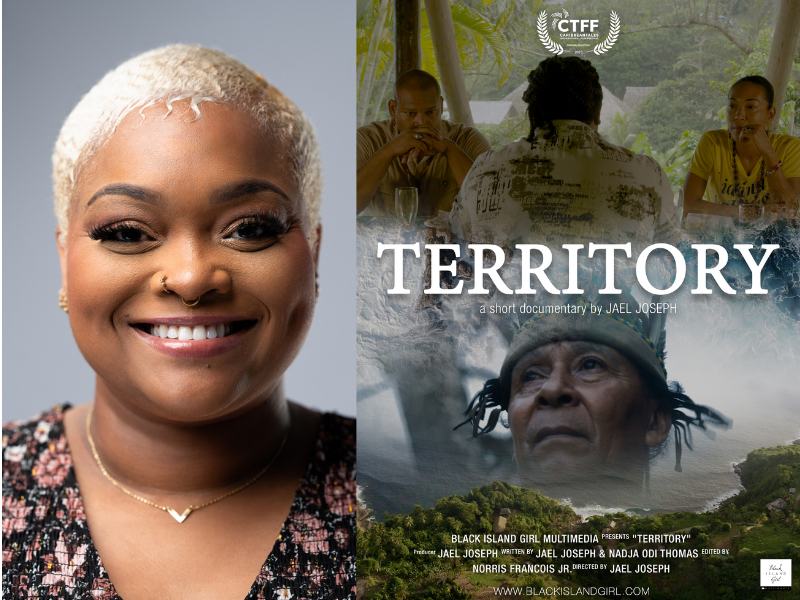
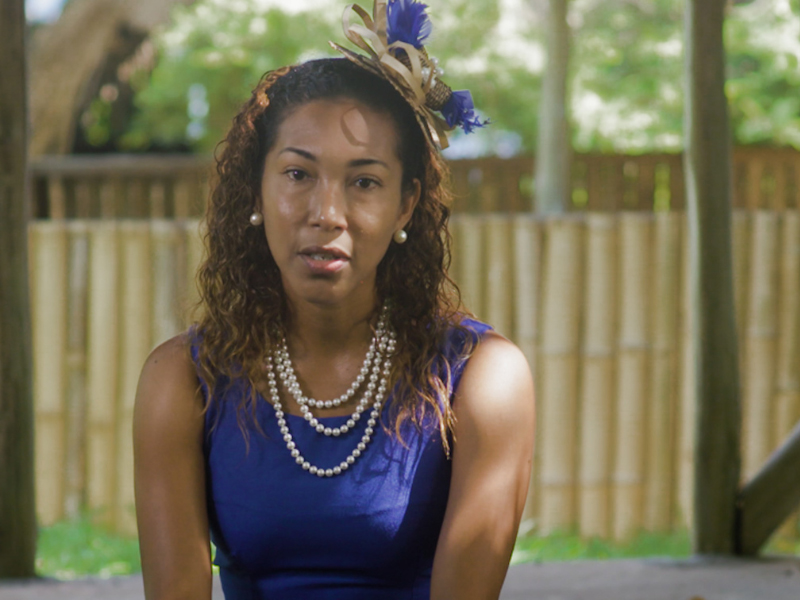
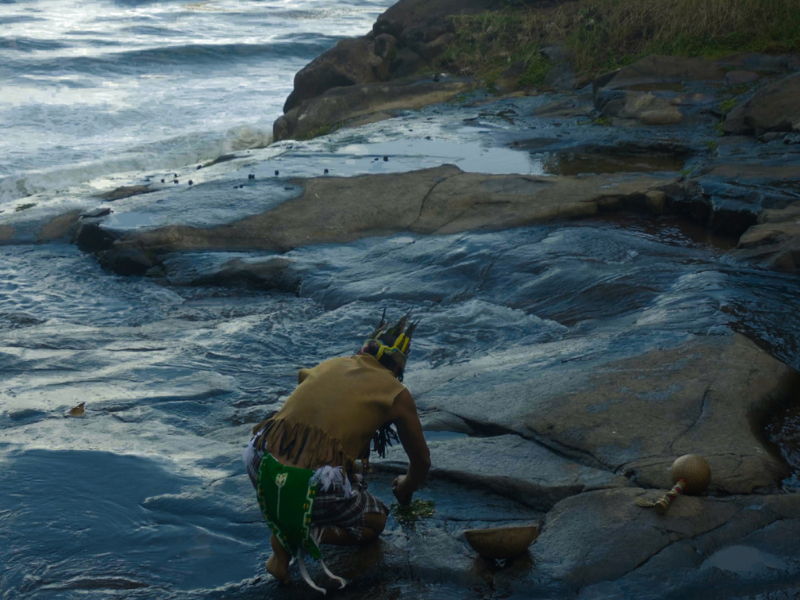
Media entrepreneur Jael Joseph (external link) ‘21 entered her first film, “Territory”, at the annual Caribbean Tales International Film Festival (CTFF) (external link) in Toronto. That debut - a documentary that follows the Kalinago people in Dominica - also became her first win, as she was awarded best short documentary from CTFF.
What were the processes for deciding themes for the documentary?
My great-grandmother was Kalinago, and she was my first introduction to the Kalinago people. My mom was a nurse in Dominica. She played an active role in her line of work, heavily in church and doing ministry in the country. These were things my family experienced, and I’m very aware of what goes on in Dominica because I’ve stayed very close to my community. I thought to myself, “I’m probably going to focus on the Kalinago, but what’s there?” My journalistic instincts came in, and there were a lot of stories coming up, and I eventually settled on the political struggles.
I did about 25 interviews, a lot of them were virtual. I’m Dominican by birth, and I’ve spent time back and forth. They know me, and it’s a small country, so even if they don’t know me personally, they know who I am. So, getting to speak to the chief and the parliamentary representative was not a hard thing.
I spoke to people about different things and started to figure out my themes. My team knew it couldn’t be an hour-long documentary, this needed to be under half an hour. In addition, I also had to write a paper, so we had to make sure the contents of the paper and the documentary made sense and were cohesive.
How did you build a safe environment for sources to share their stories?
Even though I’m in Canada, I’m very present in Dominica, and because of that, I could influence them in a way where they felt, ‘Oh my God, it’s Jael. We want to talk.’ I wanted them to know how it was different from what they’ve seen me do in the past in Dominica.
The two things I told them that if there were any certain things they didn’t want in it, it was out of the piece. If there were things they felt could harm them, we could nip it out right then. I said that right off the bat to them.
Secondly, my voice is nowhere. I’m a known voice if you turn on your radio in Dominica, you’ll hear my voice. If you turn on your TV, you’ll probably see me, or if you’re on social media, I’m there. So, I did not want to put myself in it because I wanted it to be their story. After all, I could bring my own biases, I could influence how people see the film by hearing my voice or mentioning me.
There were times when it would have worked well to hear me asking the question or having me in the shot, but I told myself and them that I was not putting myself in this. I needed them to know that this is an opportunity to share their story, and I’m going to edit it as is.
I tried my best to have a good balance between both sides. There are a lot of good things that get overshadowed by the political struggles they have. I wanted to share both.
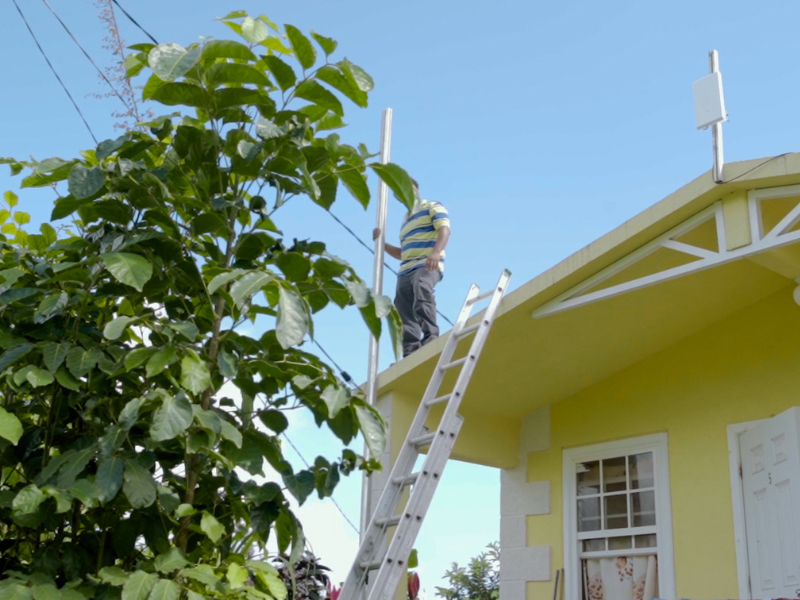
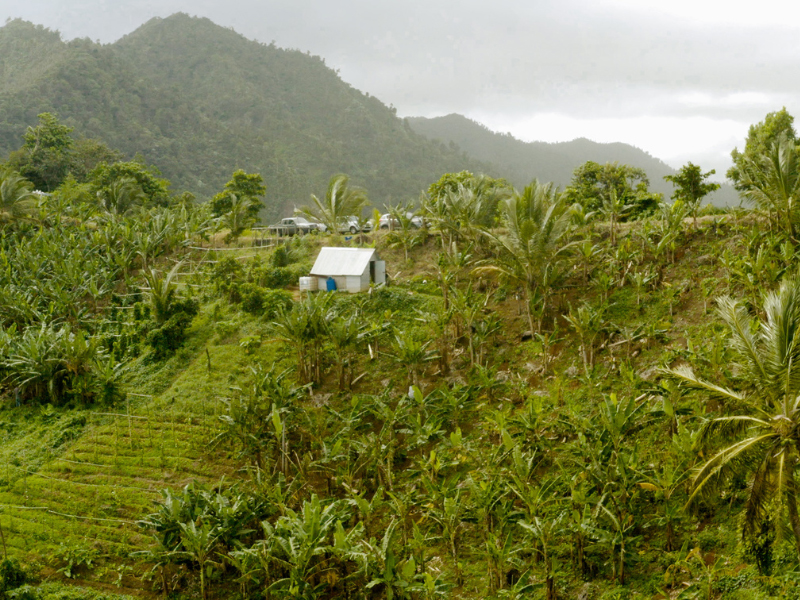
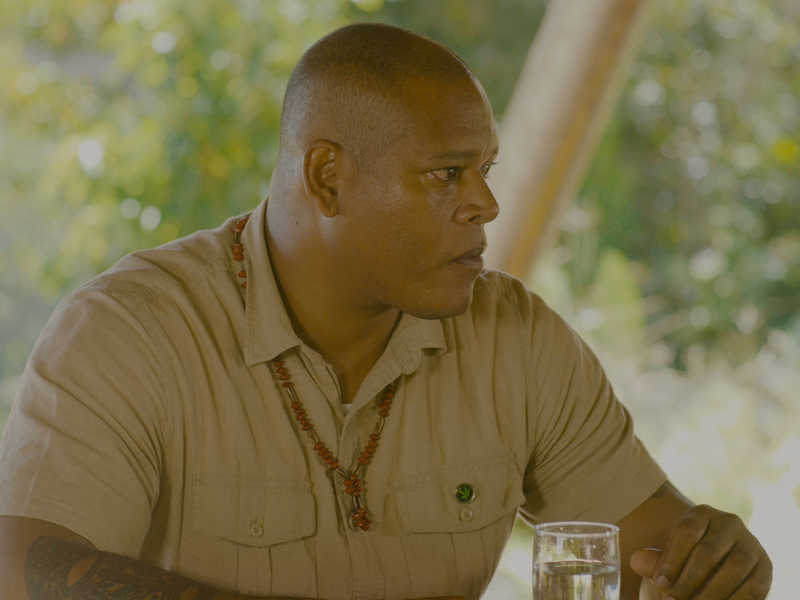
How did people respond to the film?
This film was for my master's [in media production at The Creative School at TMU], and in my head, it was done once I got the grade back. I was encouraged by a few faculty such as Lila Pine and Dan Berlin, to submit it to the festival and for me, it felt like what I submitted was my director’s cut for my master’s.
I wanted to put it out there so people can see what’s going on that we don’t hear enough of. I feel like we could have done differently by Kalinago people, as people from Dominica, and that’s what I was hoping to achieve. The response was not what I was expecting. At the festival, people stood up and were on the verge of tears saying how much it impacted them.
It was a moment for me to see the people who went and viewed it and enjoyed it enough to DM me their stories and connections to the Kalinago people.
This is a moment that I will cherish forever. It was overwhelming that people loved it, and I give a lot of credit to the team that supported me. It was a very, very small team, but they supported me through it, and that was probably one of the reasons it did so well.
What did the Kalinago community think of the film?
Before the film came out at the festival, I presented it to the Kalinago council. They never had someone come in and bring back their research. I brought my paper, I showed them the film and at the end I asked them what they thought.
The chief was surprised to see that I had both sides of the story. Everybody thinks it’s going to be this controversial thing when I’m bashing the government, but that’s not my agenda. My agenda is to tell people’s stories. I want to be able to continue to share stories, not just Indigenous stories, not just Black stories, just stories.
What was your reaction to finding out you won Best Short Documentary at CTFF?
I was in my bathroom bleaching my hair at 10:30 p.m. when I got a notification. I used my free hand to tap on the message, and then I couldn’t stop crying.
I was in tears not because I won, but because they liked it and the story meant so much to the people who saw it. It was humbling, and I was honoured that they even thought of me and my film in that space amongst over 55 films. It was like they saw the Kalinago people and that’s how I looked at it.
Did you have a process when it came to ensuring your mental well-being?
I didn't have a process. I think I've experienced a lot of loss in my life. I lost my birth parents in 2011, and it was like nine months apart. I'm still dealing with it to this day. So, when I have these wins, and they are not there to experience it with me, I go through it all over again.
When I hear people’s stories, I come back and cry. I try my best to help in any way I can. These stories were of sexual abuse and people losing their kids, and I didn’t know if they were telling me this because they thought I could do something. I want to do something. It’s impacted me to the point where I sponsor the community. I sponsor an annual spelling bee competition. It’s not enough, but I’m a small person trying to fix a big thing.
I go to my therapist. I can’t say I actively prepared myself. I knew I was going to hear some stories, and again through my experience of pain and grief, I knew I could go through it again.
This interview has been edited for length and clarity.