Covering the Canadian federal election during a pandemic
The 2021 Canadian federal election took place nearly one month ago and looked very different from past elections.
Due to the COVID-19 pandemic, there was less access for journalists, forcing many to provide coverage remotely, rather than being at the scene.
We checked in with a few School of Journalism alumni, to see how they handled covering the election during a pandemic.
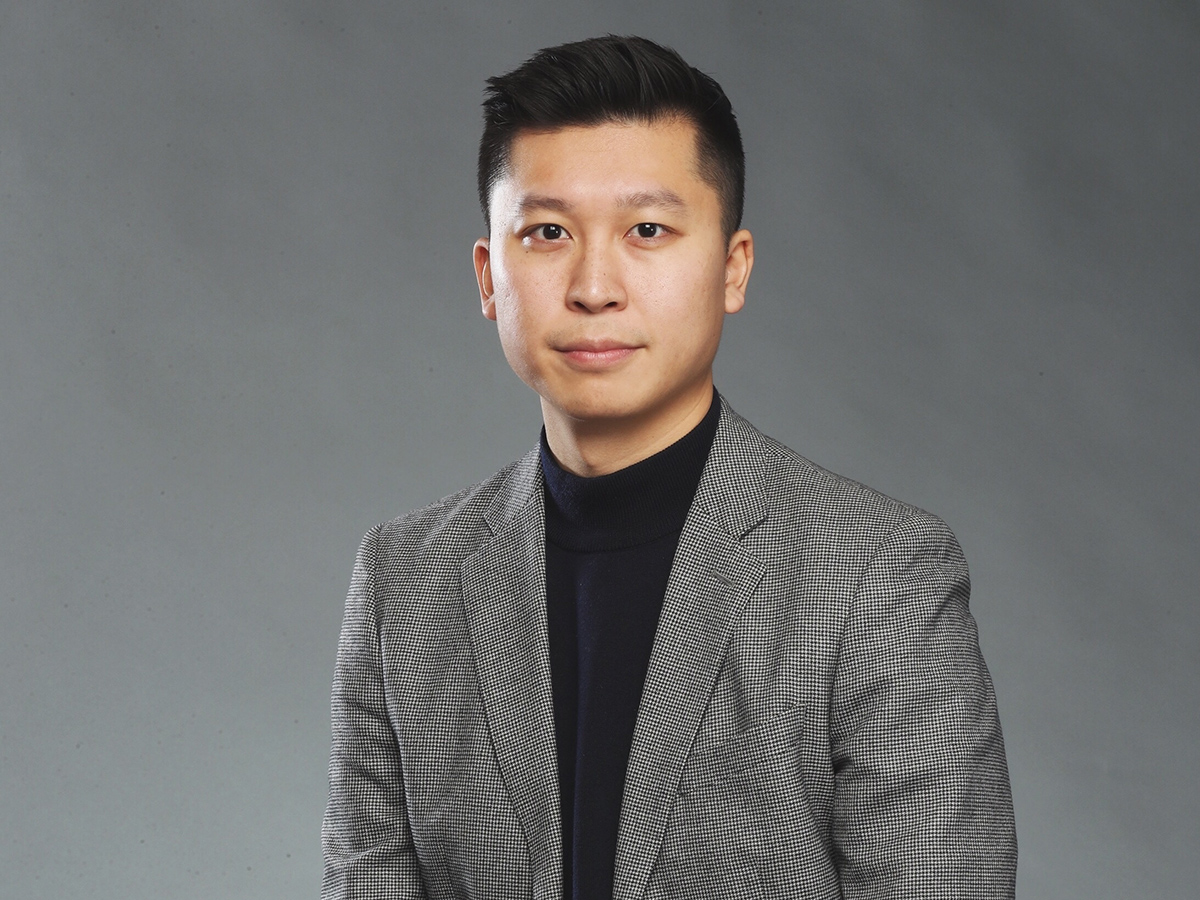
Adrian Cheung works with the Toronto Star, where he’s the co-host and producer of the publication’s daily podcast This Matters. This was the third federal election that Cheung covered, but the first one in which his coverage came via podcast.
He notes that while in a regular year there may have been more people on the ground to provide election coverage, that wasn’t the case this time.
“We were a lot more dependent on campaign reporters to tell us what they were seeing, what they were hearing [and] what the tone of the campaign was,” said Cheung.
However, Cheung says that in certain cases, it made for more interesting storytelling. He notes his experience interviewing columnist Susan Delacourt on the rock-throwing incident during Justin Trudeau’s campaign event, saying it became more of a “dispatch from the field kind of coverage” on the podcast.
“That was a really good chance for us to use sound in a new way because she was describing the events as it was happening and so we found sound from those rallies that she was referencing – the videos that she took, some of the videos that other campaign reporters had – so you’re sort of weaving a little bit of a soundscape of what it was like to be there, said Cheung. “You’re just trying to think of ‘how do I bring the audience to that moment as they’re describing it?’ You’re able to use sound, perhaps in a different way than we may have done previously and unlike some of our other episodes that are primarily about a one-on-one interview, this was a little bit of storytelling.”

Jordan Heath-Rawlings is the host of The Big Story and has covered two federal elections with the podcast.
While Heath-Rawlings notes that podcasting’s nature is remote-friendly, he too says that an issue this year was that there were fewer reporters who were on the scene to speak with. He notes that on the podcast, they had an issue finding a guest reporter who was present for the rock-throwing incident during Justin Trudeau’s campaign, given that fewer reporters were able to be on the scene.
“A lot of the interviewing that we do for the podcast is intended to set a scene, draw you in, take you there and then break it down. We would, in normal times, probably have had a much easier time finding people who were on the scene,” said Heath-Rawlings.
This forced the podcast to adapt by changing the focus of the episode to a broader lens, covering the rise of hate in Canada, rather than dialing in on the incident itself.
“We spoke about it in much broader terms and more as an issue as a whole than a specific incident because quite simply, we couldn’t get someone who was right there as it happened to do the show. There just aren’t as many people there as there normally would be.”
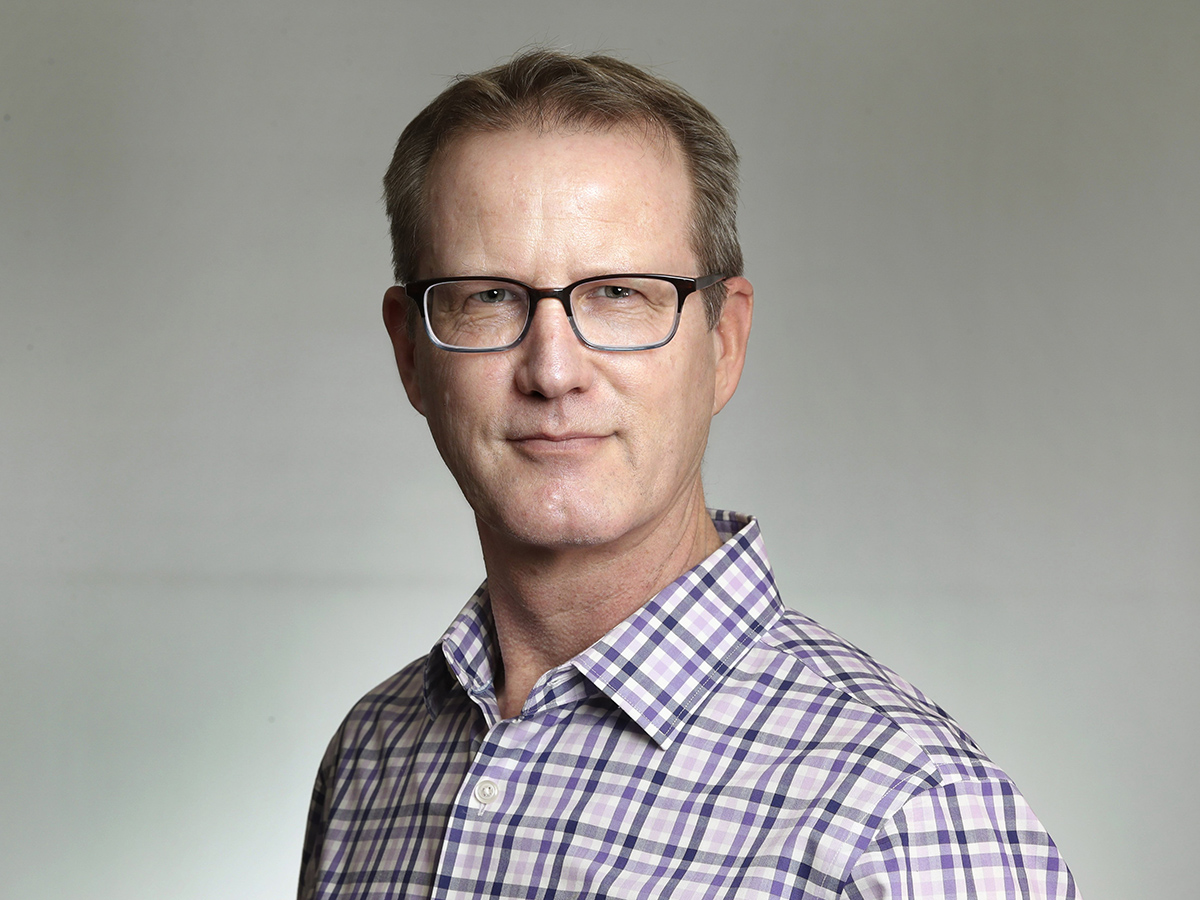
David Rider is the Toronto Star’s city hall bureau chief and this was the 10th federal election he’s covered.
Typically, Rider would be at a main party headquarters or an individual candidate’s election night event. This year, however, Rider covered the election from home, watching the results on television and making phone calls.
“It doesn’t have the same kind of electricity that you get when you’re actually there, watching and seeing and witnessing,” said Rider, who at the same time, emphasized the importance of public health.
Rider notes the details that are lost from reporting remotely and not being on the scene, saying it can lead to a different kind of story.
“You want to be there and see it. When you go to a room and it’s full of volunteers and campaign staff and the candidate, it feels like an election,” said Rider. “Often the candidate's family will be there and if it’s apparent they’re going to win, you have people embracing and kissing. I have been in rooms when suddenly they’ve made the call for the other person and it became apparent that this person - they put their name on the line, sometimes it’s an incumbent, where this is their career - suddenly they’re out of a job and you kind of watch the dynamic there, which is sad, but it’s news and it’s kind of part of history. You cannot do that on the phone.”