Happy Holidays! Celebrating a year of innovation, collaboration and impact in 2024

As we head into the holiday season, we are proud to highlight the strides made by the Diversity Institute (DI). As our Impact Report shows, through rigorous research and essential collaborations, we have generated insights, initiated vital conversations and offered solutions to advance equity, diversity and inclusion (EDI) to drive innovation and economic growth. We invite you to read the report and explore some of our most-visited reports, stories and achievements over the past year.
2024 Impact Report

We’re delighted to present our 2024 Impact Report. The Diversity Institute is laying the foundation for productivity, innovation and sustainability at a time when accelerating technology change, international economic trends, the environmental crisis and Canada’s aging population continue to create global competition for talent, entrepreneurship and innovation. Understanding these trends and how EDI helps achieve our economic, social and sustainability goals is our focus, one we share with our hubs, partners and collaborators from across the country and world, in what is truly a collective achievement of impact. Read more in the report.
Future Skills Research

Produced with FSC and the Environics Institute for Survey Research, the report surveyed 5,855 adult Canadians and shows that employees are outpacing employers in the use of artificial intelligence (AI). Nearly three in 10 are using AI at work, yet 44% of them are doing so without formal training. Among other findings, while in most technology fields there is a gender gap, Canada saw 67% growth in the number of women in AI from 2022 to 2023—the largest year-over-year growth seen worldwide.

This fall, Magnet Network Live welcomed 200 government officials, technology innovators and academics. Wendy Cukier, founder and academic director of DI and academic research director of FSC, and neuroscientist Vivienne Ming discussed how inclusive innovation can drive change while highlighting the risks technologies like AI pose.

In October, the Ontario Council of Agencies Serving Immigrants Leaders’ Forum brought together 150 sector leaders and funders to discuss public policy, governance and trends. Experts examined workplace gender-based violence, legal support for migrant workers and AI opportunities in newcomer settlement services.

This report, created in partnership with the Ontario Chamber of Commerce and Magnet, found that SMEs account for most private sector employment. Labour and skills shortages impede SMEs’ growth, productivity and innovation, but many lack the capacity. Skills Bridge, a fully integrated learning management system, provides SMEs with customized training content, including skills for success, specialized programming, digital and management skills, and EDI.

Published this fall, the report, created with the Environics Institute, found 40% of racialized respondents report race-based discrimination; rates of discrimination were highest in the nonprofit sector, followed by government and the private sector. It also found that those who report experiencing workplace discrimination tend also to report poorer mental health.

Launched this spring, this report, created with the Canadian Council for Indigenous Business and FSC, explores the experiences of 25 First Nations, Métis, and Inuit leaders. It highlights barriers, enablers and the impact of under-representation in leadership, including wage gaps and generational wealth.

Based on surveys of 34,740 adult Canadians, the study found the most common reason for not looking for work is health-related (63%). Long-term unemployment is most likely to be associated with less education and with having a disability, suggesting a need to refocus policies, programs and practices.

The report, created with Women in Communications and Technology and the Asper School of Business at the University of Manitoba, found women are underrepresented in information and communications technology roles. The report suggests strategies to advance women in the sector.
Diversity in leadership

The DiversityLeads 2024 report examined over 18,000 leadership roles across sectors and 10 Canadian cities. Women, despite being 50.7% of the population, hold 41.4% of board roles and 39.5% of senior management roles. Racialized women, 11.2% of the population, hold 2.8% of board and 2.4% of senior management roles. The report details these and other findings.

Research shows persons with disabilities, despite being highly qualified, face discrimination that hinders their professional growth. At a spring event hosted by DI and Women of Influence, women with disabilities discussed the challenges and offered solutions, like Canada’s 50 – 30 Challenge.

This spring, a virtual event hosted by DI and Women of Influence, Inclusive Leadership: Women Breaking Glass Ceilings in STEM (science, technology, engineering and math), women who have managed to break the glass ceiling in science spoke about what needs to change to make STEM-related careers more equitable.

New no-cost tool provides assessment and resources to advance EDI at work
In January, DI and the Women’s Executive Network hosted a workshop on ways to improve and track progress in implementing EDI best practices. They highlighted DI’s Diversity Assessment Tool (external link) App, a free application that helps organizations improve their EDI strategies.

Funded by Innovation, Science and Economic Development Canada, and in partnership with businesses and diversity organizations, the 50 – 30 Challenge encourages organizations to advance gender parity and diversity on boards and/or in senior leadership. Many organizations joined in 2024. Make yours next: sign up to access free tools by March 31, 2025.
Inclusive innovation and entrepreneurship

In April, DI, FSC and Coralus were joined by leaders in business, government and academia, including the Minister of Small Business, Rechie Valdez, in Ottawa to launch this report. It outlined that women entrepreneurs are more likely to prioritize sustainability goals, and while under-represented in green tech, they are leading innovations across sectors and the value chain.

WEKH’s flagship annual report provides insights into the landscape of women’s entrepreneurship, drawing from the most recent research and data. The research shows the impact of Canada’s $7-billion Women Entrepreneurship Strategy, which aims to grow women-owned businesses’ access to financing, networks and expertise to start up, scale up and access new markets.

The report, created in partnership with the Black Business and Professional Association and FSC, found that the Black community is diverse—more than 60% were born outside of Canada—but the experience of anti-Black racism persists. Building on research and programs, BACEL considers entrepreneurs’ stages of development and the needs of youth, women and men.

While all entrepreneurs face challenges, research shows Black entrepreneurs are disproportionately burdened by systemic barriers, prejudice and limited access to resources. Addressing structural barriers and racism faced by Black-led businesses will enhance the well-being of Black communities and make a lasting contribution to Canada's economic development.

Published in July with FSC and the Indigenous Tourism Association of Canada, the report identifies Northern Indigenous women entrepreneurs’ challenges accessing skills and resources needed to build livelihoods in tourism. They shared how discrimination, loss of culture, lateral violence, intergenerational trauma, and mental health issues affect their success.
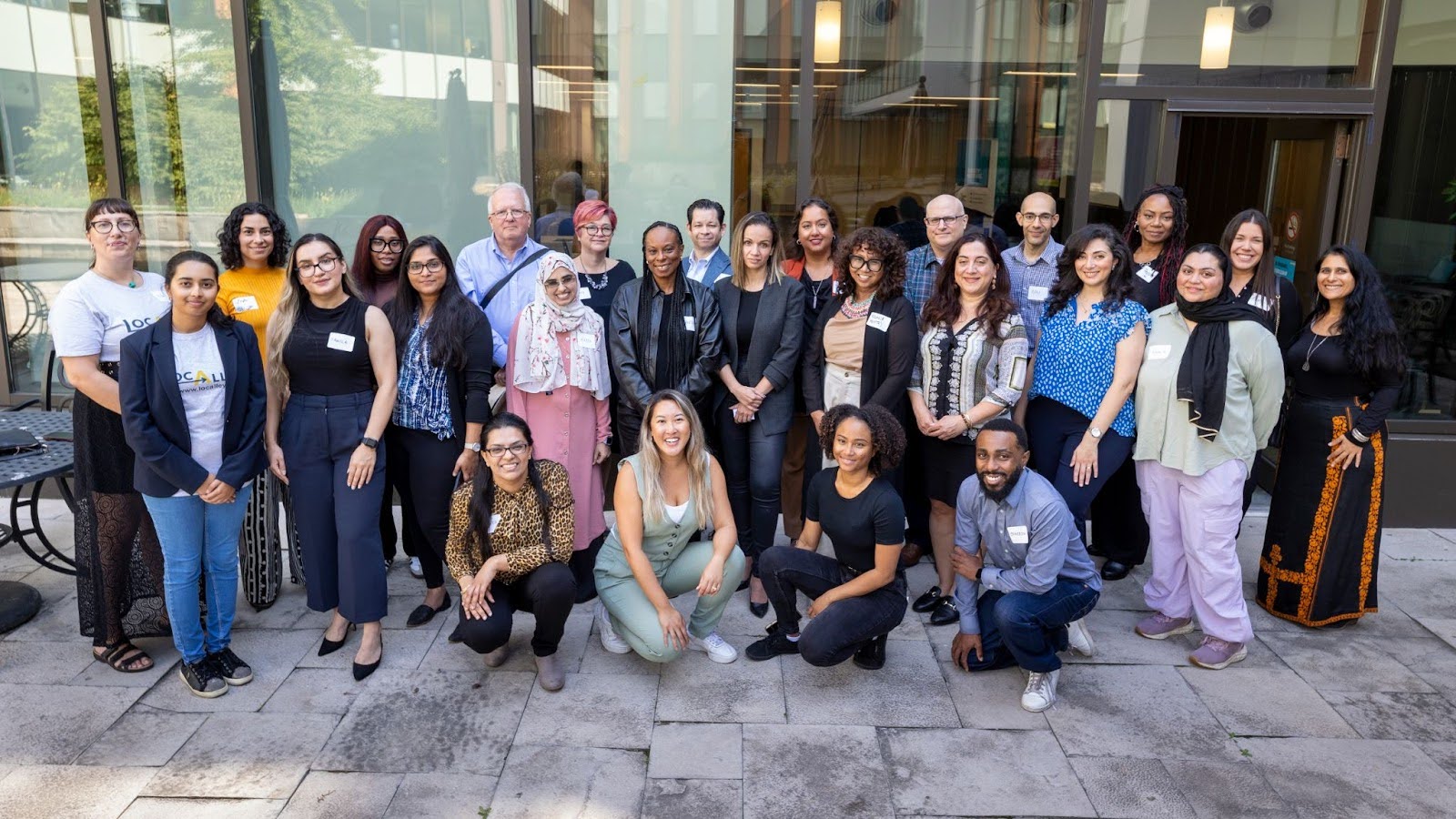
In the fall, DI hosted a networking event supported by Toronto’s Business Incubation and Commercialisation Grant Program. More than 100 entrepreneurs connected with 21 mentors from diverse sectors, gaining valuable insights to advance their ventures.

This report with the Canadian Council for Indigenous Business explores themes like motivations, support services, government services and financing. It looks at the experiences of Indigenous women entrepreneurs where more support is needed.
Recognition of impact
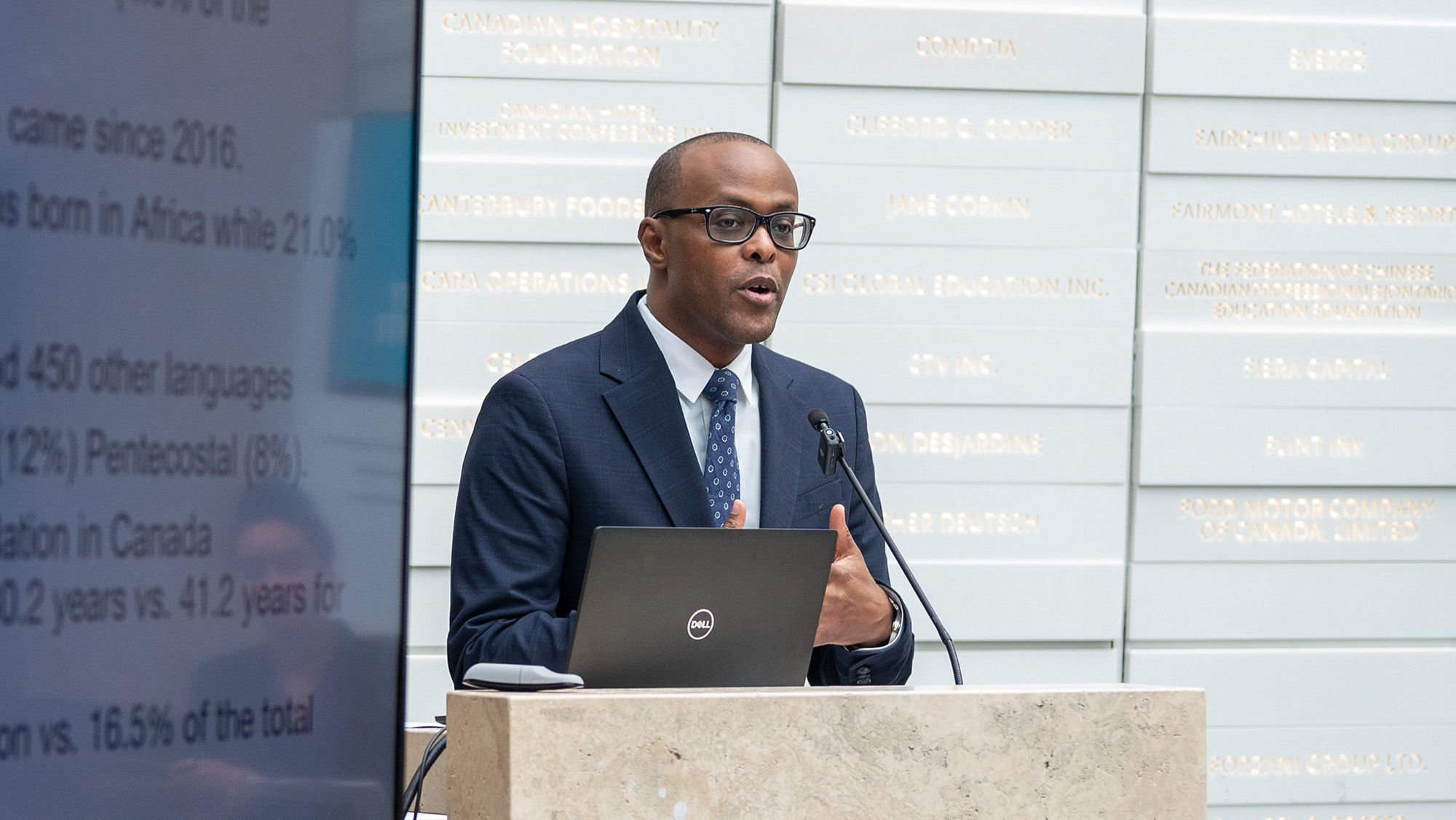
In November, Mohamed Elmi, executive director of DI, was announced as a winner of the 2024 Inspired Innovators Award. The award from the Coalition of Innovation Leaders Against Racism celebrates Black, Indigenous and racialized people for their impact through their contributions to the innovation ecosystem. It recognizes Elmi for his research, teaching and contributions to many innovative projects.

At the 3rd session of the Permanent Forum on People of African Descent event in Geneva, DI’s Nancy Mitchell, Director of Research, Special Projects, hosted a session with the Hon. Jean Augustine, Hon. Kamal Khera, Gaynel Curry, Tamara Thermitus and Nadine Spencer on the barriers that women of African descent face in the economy and strategies for change.

Cukier was recognized by the Canadian Council for Small Business and Entrepreneurship with the inaugural Mary A. Kilfoil Award for Outstanding Contributions to Advancing Innovation in Entrepreneurship
Education. She also received the King Charles III Coronation Medal awarded by Senator Donna Dasko and former Senator Ratna Omidvar at a ceremony in Toronto.

Sabine Soumare, WEKH’s executive director, was part of the Ontario delegation attending the Francotech conference in Paris in October at the initiative of the General Secretariat of the Francophonie Summit in partnership with Business France and the Alliance of Francophone Employers. This initiative promotes innovation in France to strengthen the Francophone economic space and foster business contacts.
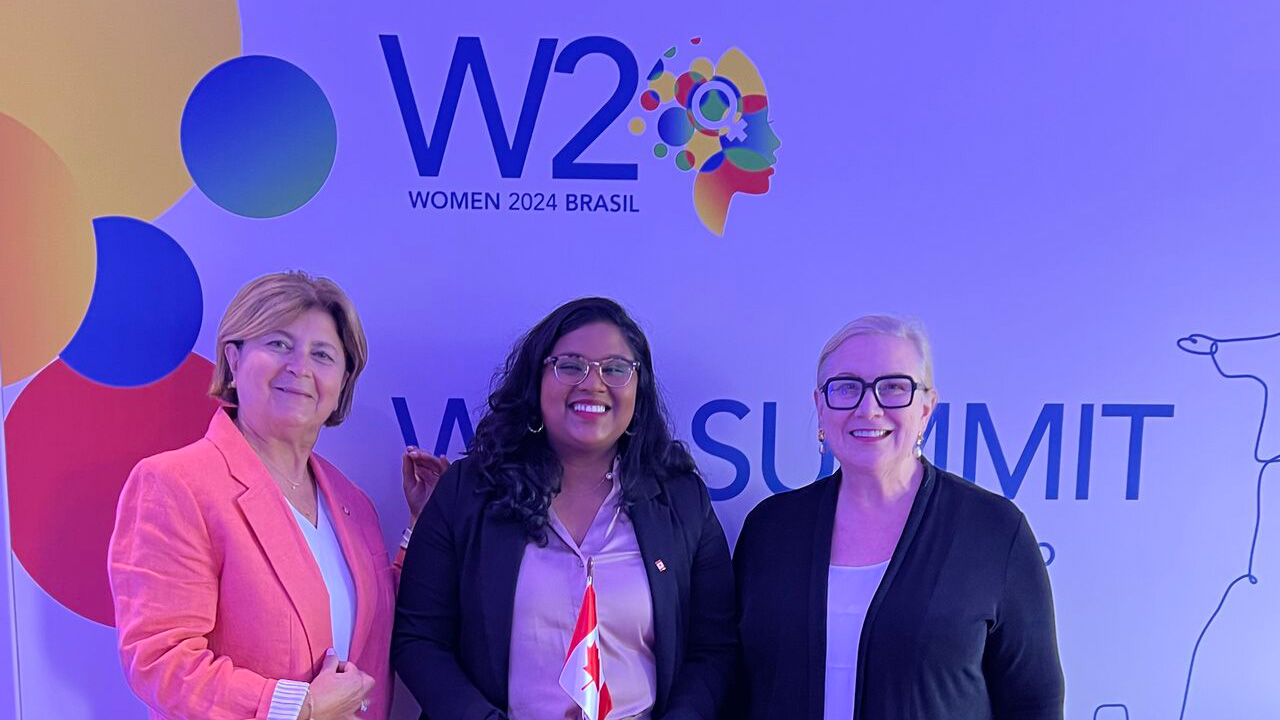
In August, Cukier, Dr. Tania Saba (Université de Montréal) and Anjum Sultana (Plan International Canada), participated in the International Women 20 Summit (W20) in Rio de Janeiro as part of the Canadian delegation. Cukier also participated in a webinar led by the Canada-United States-Mexico Agreement Committee on SMEs’ issues, with an aim sharing insights on the Canadian government’s approach to supporting women entrepreneurs.
Innovative Programming

Building on the success of the Study Buddy program, DI, Peel District School Board and FSC partnered to create a new platform. The portal is designed to help students from equity-deserving groups access career information and guidance. The pilot project gathered survey feedback showing 80% of users found the portal’s career information relevant and 70% said the platform helped them understand career paths.

ADaPT for Black Youth builds on the success of the ADaPT program by preparing youth for a changing workforce. It helps them develop skills for success, including those to build digital and professional competencies and to secure work. Stay tuned for more on the ADaPT for BC Newcomers program in 2025.

Created by DI in partnership with the Scadding Court Community Centre, the program was launched in 2018 and consists of 40 in-class hours for newcomers with experts on topics like finance, procurement and social media and one-on-one mentorship.
Looking ahead
As we reflect on 2024, we are energized by the progress we’ve made. Thank you to our dedicated team, partners and supporters who make it all possible. Stay connected with us through our website and social media channels, where we’ll continue to share updates, insights and opportunities to collaborate. Thank you for being a part of our journey. Here’s to an even more transformative 2025!