From business to design: The co-op journey that changed everything
Co-op wasn’t on my plan when I first started university. I just wanted to get through all my classes and figure things out later. But somehow, one decision completely shifted my trajectory. Suddenly, I was sketching, designing and learning things I never thought I’d work on in business school.
If you’re considering a co-op program, I have answers to some important questions you might have!
Why did you choose to apply to co-op?
I applied to co-op on a random night in my second year, after realizing the traditional business route wasn’t really for me. I saw co-op as a way to test the waters and see if design was truly the right fit for me.
Did you seek any help from TMU services in your co-op applications?
At the Ted Rogers School of Management (TRSM), all co-op students have to complete the Co-op Prep Program, which includes mock interviews, personality assessments, workplace simulations and Career Discovery workshops. The best part is that each student is paired with a co-op coordinator to support their journey. These resources made my co-op experience a lot smoother.
What advice would you give to students applying to co-op?
First, I’d say have a portfolio of work samples, even if you’re not in a creative field. It’s a great way to show what you’ve done beyond your resume.
Second, don’t overthink interviews. During my last co-op, I got to sit in on final-round interviews for new co-op students on my team. Having been on both sides taught me a lot, so here are my top tips:
- Sell yourself, but don’t overpromise. As a student, just share what you can do and what you’ve learned so far. Quiet confidence goes much further than over-the-top self-promotion.
- Just be yourself! Super cliché but it really works. People notice authenticity, and it makes you more memorable and trustworthy.
What were your co-op roles and responsibilities?
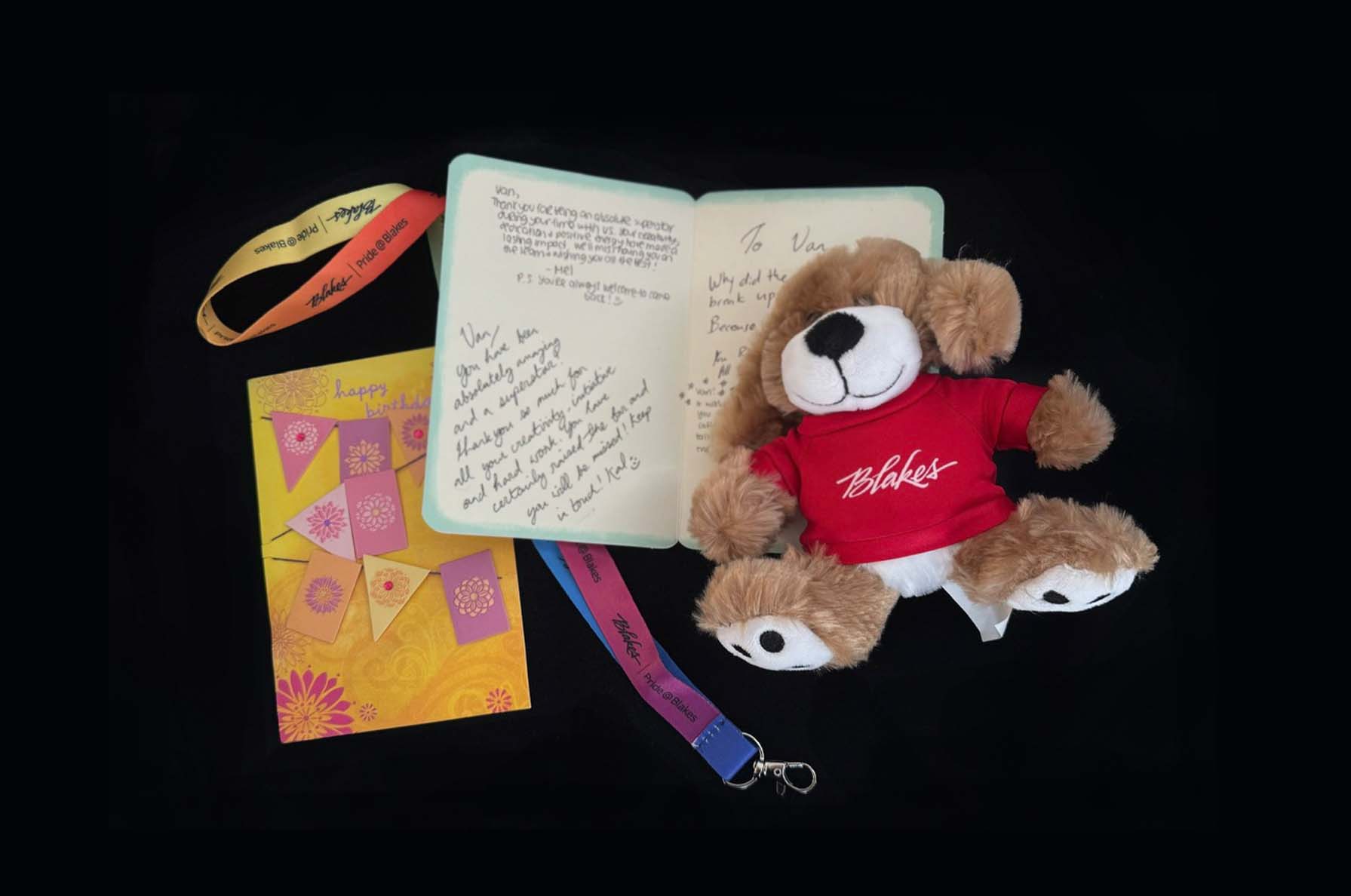
For my first placement, I worked as a Graphic Designer at Blake, Cassels & Graydon LLP, a business law firm, mainly doing print design like developing creative themes and visuals for client networking events.
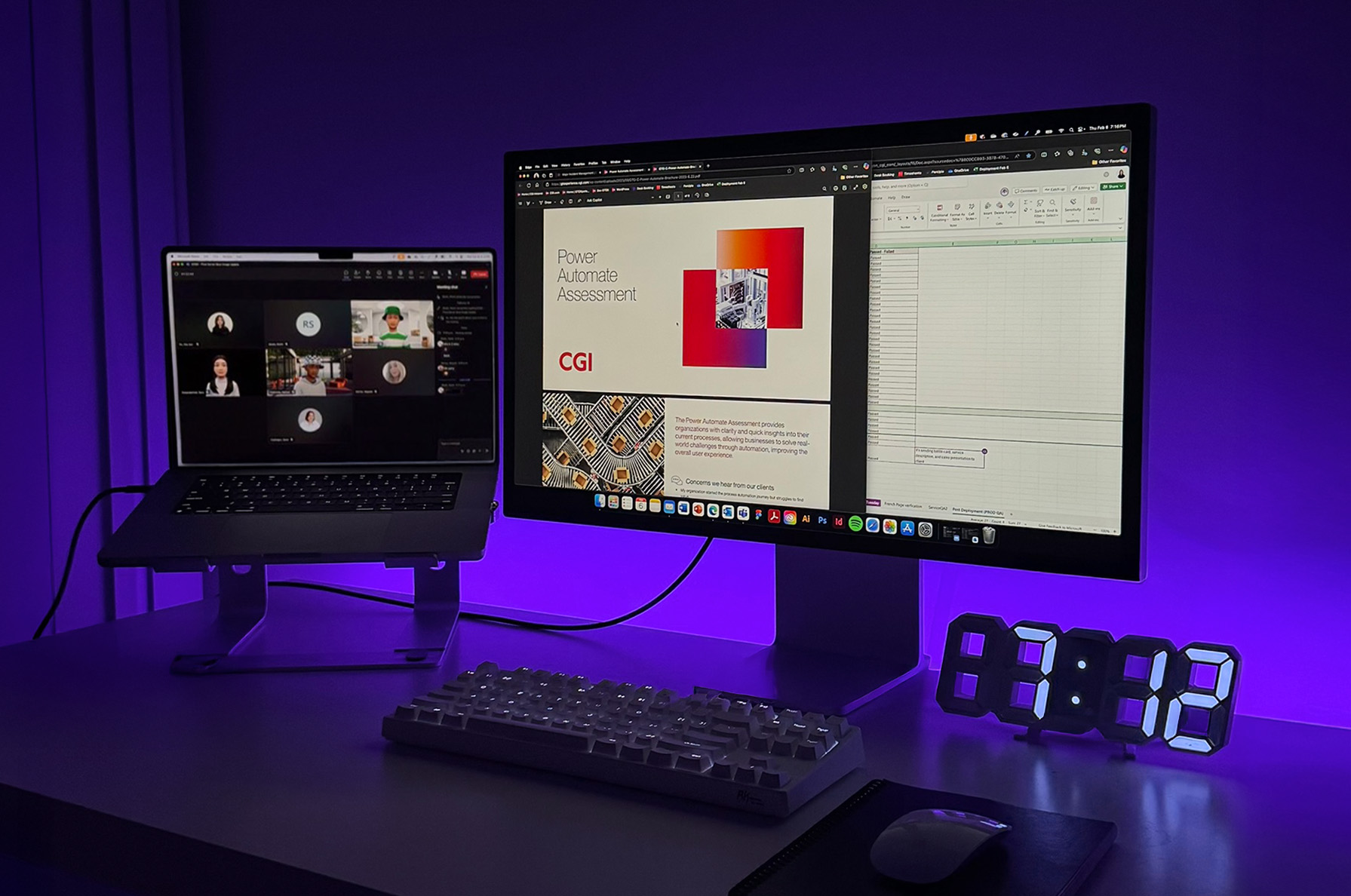
For my second placement, I was a Human-Centered Design (HCD) Designer at CGI, an IT consulting firm. Here, I moved into digital design, working on website interfaces and supporting client-facing consultants with all design needs.
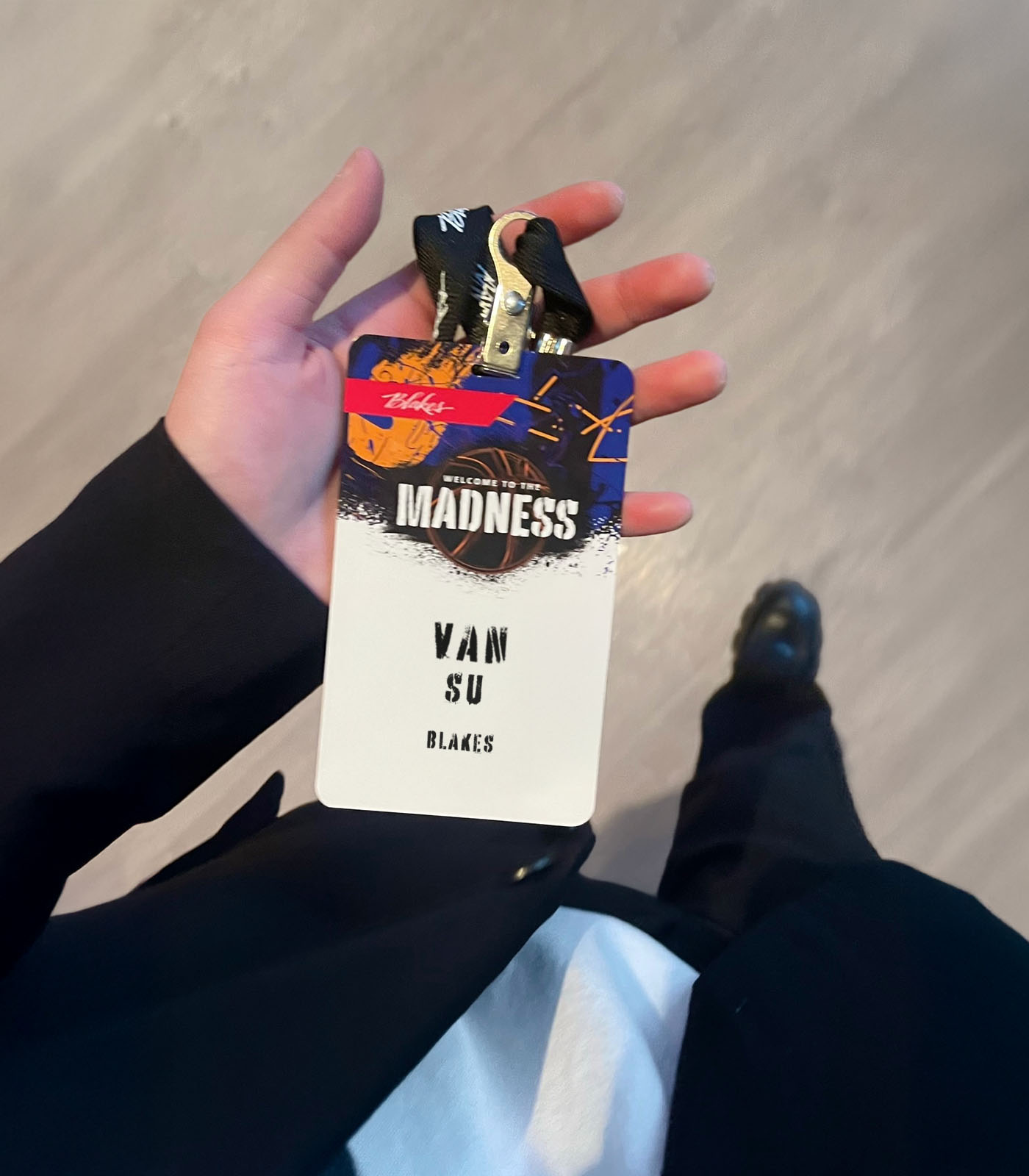
Graphic Design @ Blakes
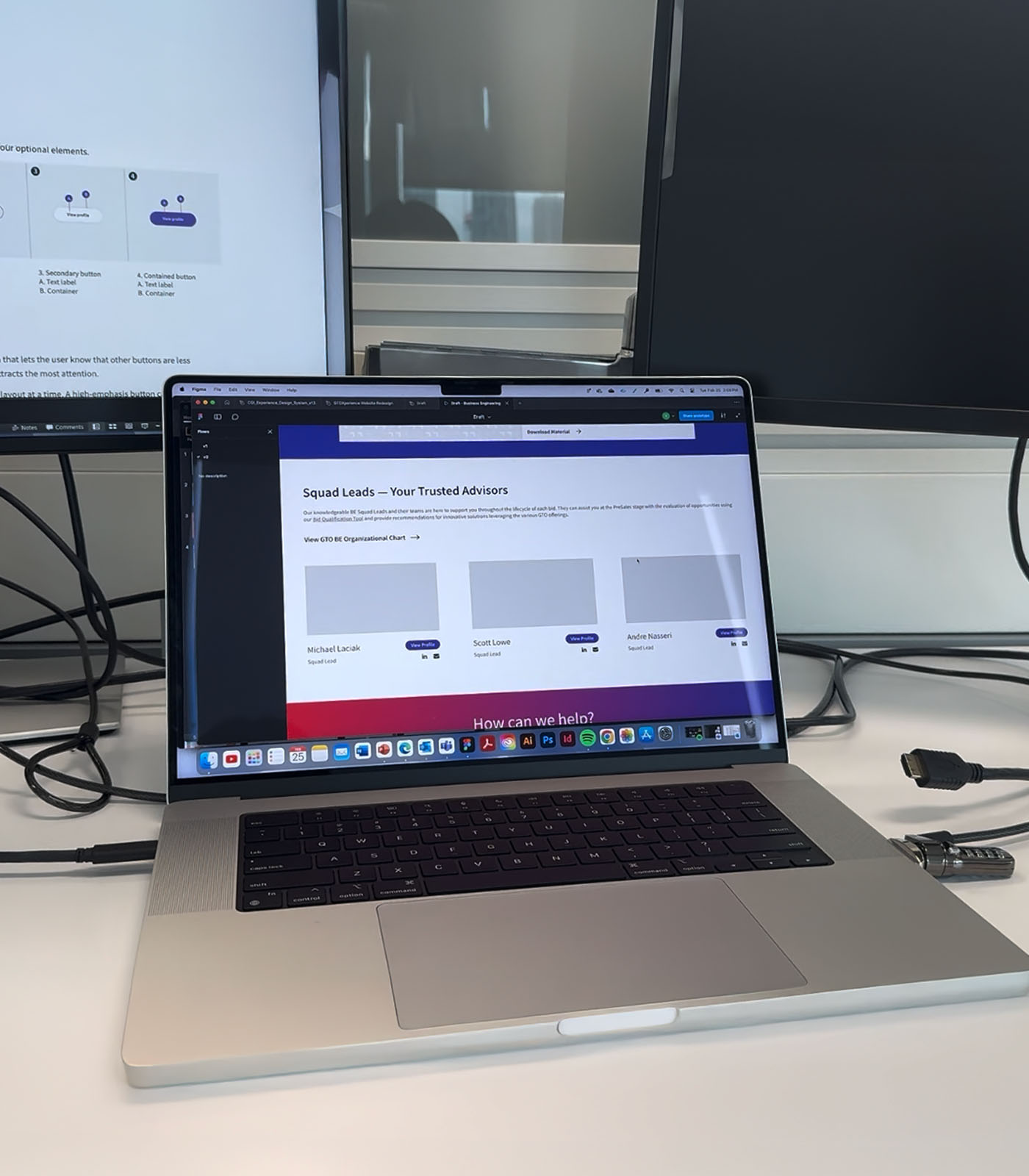
Human-Centered Design @ CGI
During your co-op, what skills or tools did you pick up?
As a designer, I gained hands-on experience with Adobe Creative Suite, Figma, accessibility guidelines and print production processes.
On the soft skills side, I learned how to juggle multiple projects, collaborate with cross-disciplinary teams and most importantly manage stakeholders — from taking feedback to defending my design decisions and keeping everything aligned with business priorities.
What’s one experience in co-op that took you out of your comfort zone?
Presentations used to terrify me, especially since English is my fourth language. I’d always think “What if I stumble over my words?”. I’m sure many international students can relate — trying to get your ideas across while sounding fluent is draining!
During my co-op at CGI, I regularly had to present my design proposals to a room of 15 executives. I honestly lost count of how many mini meltdowns I had before each one. I’d rehearse my pitch, review my prototypes and overthink every possible question. But my team’s support made all the difference — even a simple “I’m really proud of you” after each presentation kept me going.
In the end, it felt rewarding to do something I never thought I could. I know it sounds cheesy but I truly live by the saying “If it doesn’t challenge you, it won’t change you”.
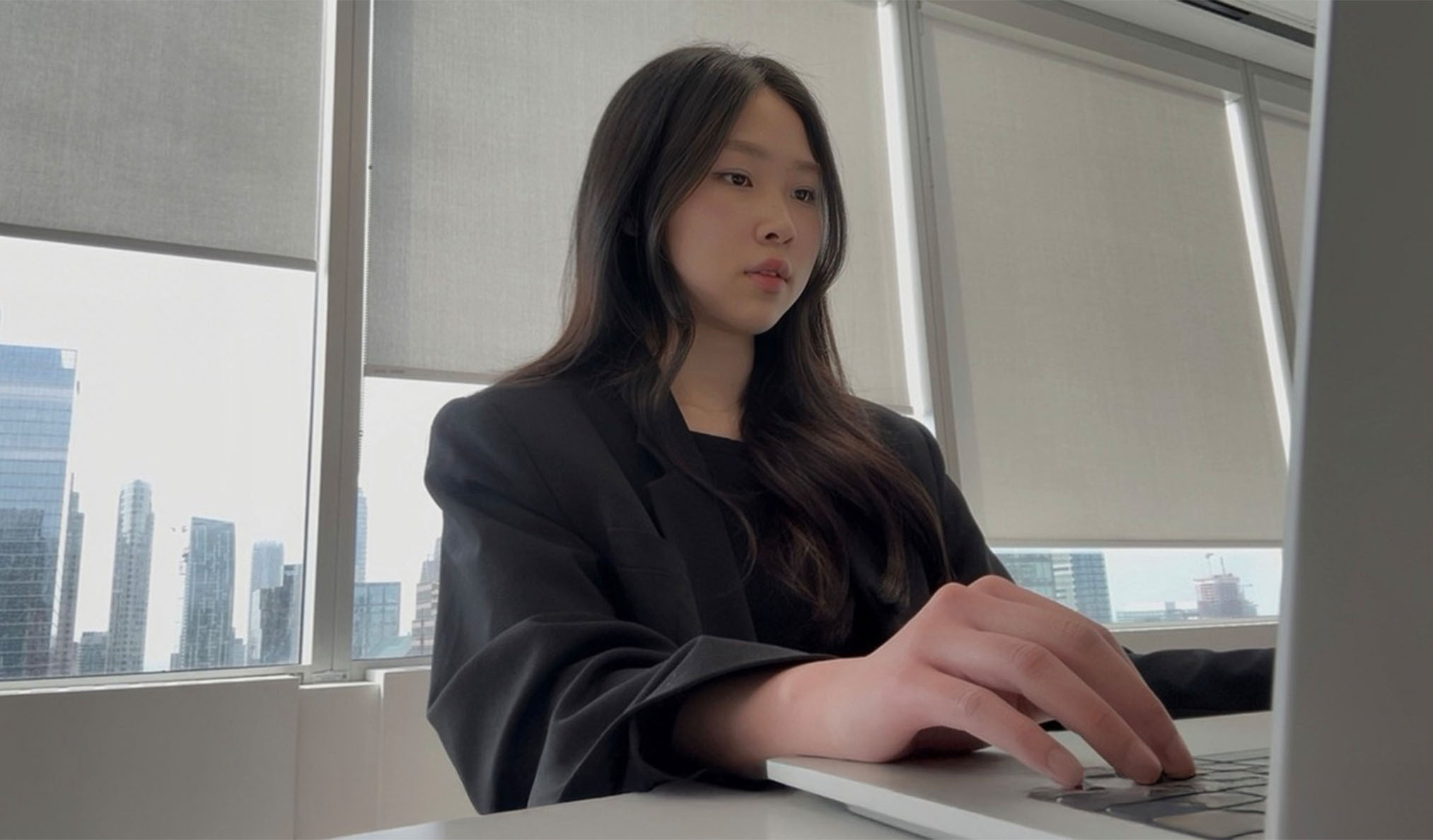
Me, running through my design demo before the presentation.
What is it like oscillating between study and work terms?
It felt like jumping between two different worlds. At work, the stakes were high, and my actions directly impacted my team and the organization. Working closely with senior leadership also pushed me to adjust how I communicated and carried myself. Each time I returned to school, I could see how much I’d grown and, without realizing it, carried that sense of responsibility with me.
Looking back, what would you tell your past self before starting co-op?
Starting out, no one’s perfect so you’re allowed to fumble a bit. Job rejections happen, but they can open doors to new opportunities you never imagined. And remember, your multicultural background is something that sets you apart, so don’t be shy to speak up!
To all future co-op students: put your best foot forward and be proactive, but at times, give yourself some grace — trust me, you’re probably being way harder on yourself than anyone else is.
Would you recommend co-op to future students?
Absolutely yes! Co-op didn’t just give me real-world experience — it became a stepping stone into a career I truly love and connected me with mentors who are still guiding me to this day. I’m sure it can do the same for other students, too.