What it’s like to apartment hunt in Toronto
Moving to Toronto as an international student is exciting, but finding a place to live? That’s a whole journey on its own.
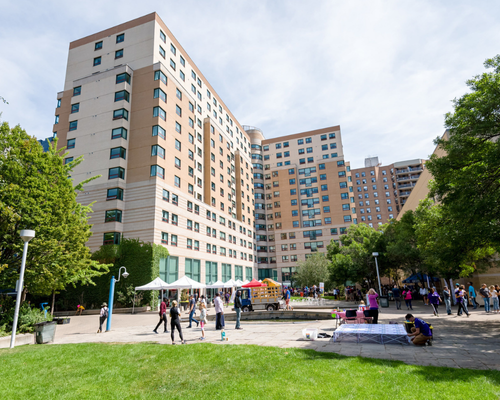
Pitman Hall is one of the three residence buildings on the TMU campus
I never lived in TMU residence when I first arrived in Toronto. While residence has its perks, such as having a built-in social circle and access to student resources, I jumped straight into off-campus housing. It was a mix of personal preference, budget and a desire to live more independently.
When I moved to Canada from Pakistan, I had no idea what signing a lease involved, what my rights as a tenant were or how security deposits worked. All I knew was that classes were resuming after the pandemic lockdown, and I needed to find a place fast.
I’ll be honest: apartment hunting in Toronto isn’t easy. It’s the largest city in the country, so prices are high and competition is fierce. But if you know what you're looking for and where to look, the process becomes easier. Some resources really helped me through this journey. Hopefully, this story guides you to find the right place for you.
| Where to find room rentals | Sample third-party websites: Facebook Marketplace, PadMapper, Kijiji, Roomies.ca |
| Where to find apartment rentals (if you already have roommates or want a bigger place of your own) | Sample third-party websites: Condos.ca, Realtor.ca |
| Where to find off-campus student housing | There are student-housing buildings located within walking distance to TMU. Examples (ordered by distance to campus): HOEM, Avant Toronto, Parkside Student Residence, CampusOne Note: These buildings are not TMU residences; they are owned and operated by private companies. |
| Where to learn everything you need to know about renting | TMU’s Off Campus Housing Office provides resources explaining key housing terms, your legal rights as a tenant, along with tips on apartment hunting. |
Write your non-negotiables
My first step was identifying my non-negotiables. It is important to remember that this will look different for everyone. For me, the apartment had to be in the downtown core, close to campus, within walking distance to transit, located in a safe neighborhood and ideally include amenities like a gym and concierge.
If you're working with a tighter budget, you may want to look into rooms in houses or older buildings with fewer amenities. Newer apartments tend to come with more features, but they usually cost more. That said, with enough searching and flexibility, it's still possible to find budget-friendly options in well-maintained, newer buildings too.
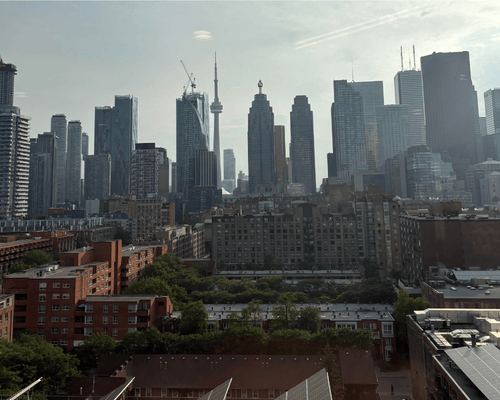
Bonus: a good view can also be a non-negotiable!
How to search for available rooms
When I first moved to the city, I started small by renting a single room. I scrolled through third-party rental sites and eventually, I found a room in a shared apartment near a neighbourhood called Yorkville—just a 15-minute walk from campus. I ended up living there for three years! The location was perfect—steps away from the Royal Ontario Museum (ROM), fancy cafes and amazing restaurants. I could easily walk to summer events like the Toronto Jazz Festival, Nuit Blanche, the Yorkville Exotic Car Show and the St Patrick's Day Parade! It was the kind of neighborhood where something was always happening just around the corner.
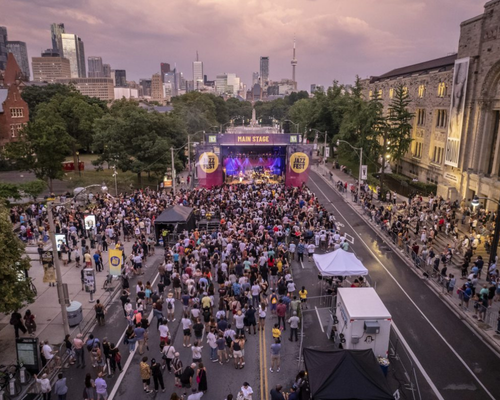
Toronto Jazz festival at Yorkville
For anyone using third-party platforms: be extremely cautious about scams. Always insist on seeing the unit in person before signing a lease agreement or sending any money. If the unit is already occupied, ask the current tenants about the property, the landlord and the neighborhood. These informal chats can reveal a lot. If you ever encounter a legal problem and want to reach out to an expert, the TMSU can connect you with legal experts (external link) .
How to search for apartments
After this, I rented a 2-bedroom apartment condo with my roommate. The process of renting a full apartment was far more tedious than renting a room.
First, we got a realtor to help with the search. My roommate and I, both international students, used third-party websites and spent weeks doing viewings across downtown. This was a completely different ball game: condos often have stricter lease requirements, and landlords tend to prefer tenants with Canadian credit histories or permanent residency.
That’s where the guarantor issue came up.
As international students, we didn’t have permanent residency, so many landlords asked for a guarantor—someone with permanent residence in Canada who would take financial responsibility if we couldn’t meet our lease terms. If you don’t have one, you may need to offer a larger deposit upfront or use a third-party paid guarantor service (which can be expensive).
If this sounds overwhelming, don’t worry—it’s much easier to rent a room in a basement unit, townhouse or an older apartment, especially outside the downtown core. These places are usually more flexible and less likely to require guarantors or large deposits. While they may lack amenities, they’re often more budget-friendly and still accessible by public transit.
Eventually, I found an apartment near St. Lawrence Market, one of Toronto’s most iconic and historic spots, famous for its lively atmosphere and fresh, locally-sourced goods from Ontario farms. These days, it’s become part of my weekend routine to visit the farmers' market and pick up fresh produce for the week.

St Lawrence Market, Toronto
What I learned
Living off-campus in Toronto teaches you a lot about housing, responsibility and yourself. From navigating scams to negotiating leases, I’ve grown more confident and independent. It can be frustrating at times, but it’s also rewarding.
Whether you’re looking for your first student room or upgrading to a condo with a friend, start early, know your rights and don’t rush into anything. The right place is out there—you just have to be patient (and maybe refresh the listings a lot).
Students with a Provincial Attestation Letter (PAL) who apply by the fall housing application deadline will be guaranteed a spot in residence in their first year or supported in finding an off-campus winter option. English Language Institute students enrolled in a program that is eight months or longer will also be guaranteed residence accommodation – conditional upon completing a residence application and paying the application fee by their residence offer deadline.