Connecting what matters: Innovation with human impact
INNOVATION

This publication is made possible, in part, with the support of the Research Support Fund.
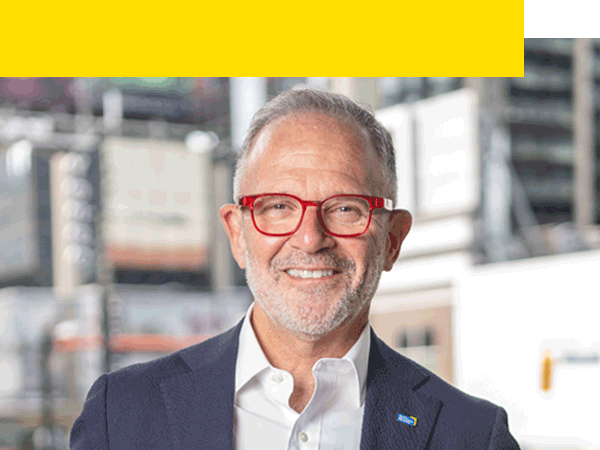
Message from the Vice-President, Research and Innovation
At Toronto Metropolitan University, our scholarly, research and creative activities are shaped by an understanding of where we can make a difference. Our researchers work closely with partners, both public and private, to develop solutions that are practical, responsible and informed by the human experience. Increasingly, this includes the use of AI and digital technologies, not as abstract ideas but as tools that help address real needs in health care, sustainable infrastructure and the broader economy.
Steven N. Liss, PhD
Vice-President, Research and Innovation
TMU’s strategic research themes highlight the areas where the university is leading diverse scholarly, research and creative excellence and real-world solutions. Our researchers are redefining possibilities and driving impact in health, community, culture, technology and democracy.
Idea to Innovation
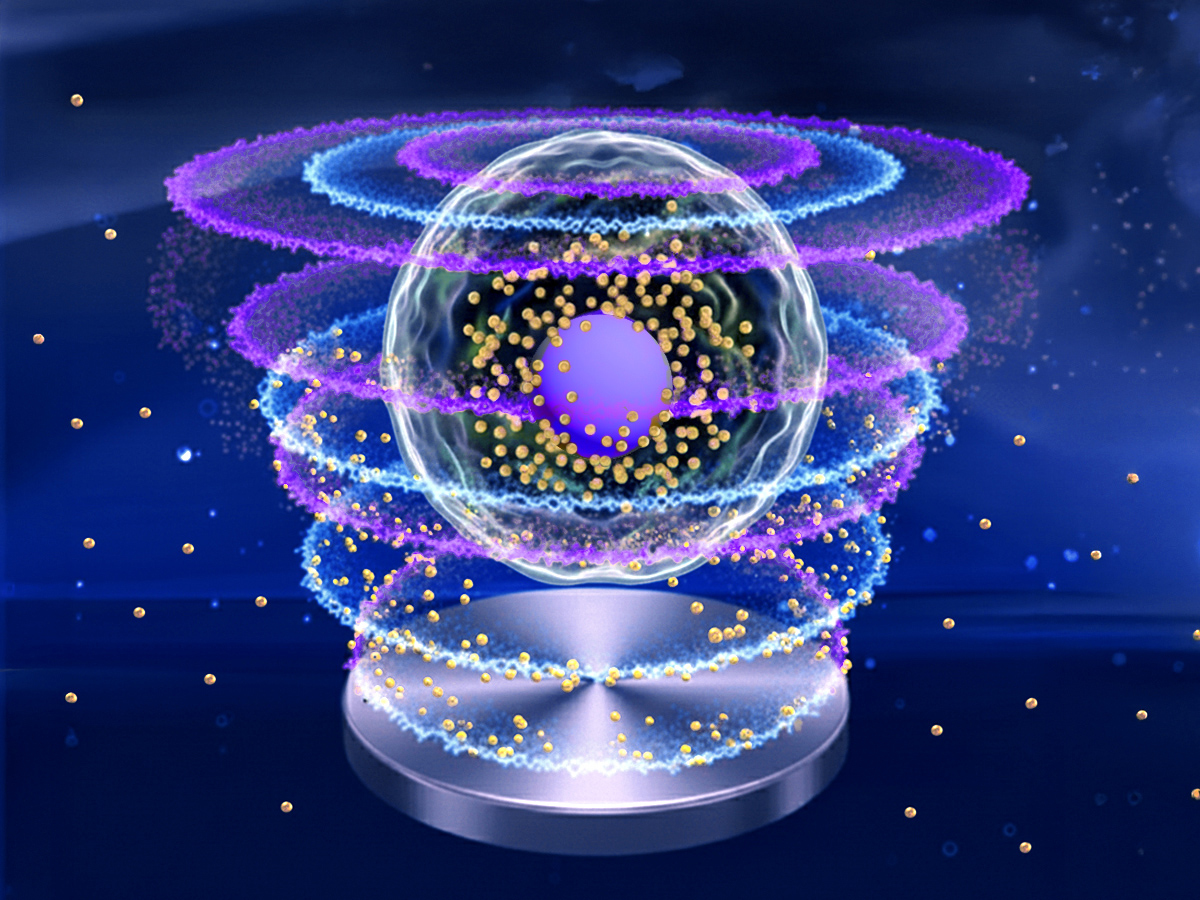
Combining ultrasound waves with nanomedicine to treat cancer in a new way
TMU researchers created a first-of-its-kind cancer treatment pairing nanomedicine with low-intensity ultrasound. The new method delivers synergistic results in cell-level drug uptake, exceeding the effects of either treatment alone.
360 Degrees

Using AI to catch AI: research puts large language models to work detecting fake e-commerce reviews
Attacks on e-commerce recommender systems can hurt online retailers by damaging sales and eroding customer trust. New TMU research uses machine learning and artificial intelligence to help identify whether a customer review is real, or whether it was churned out by a computer.
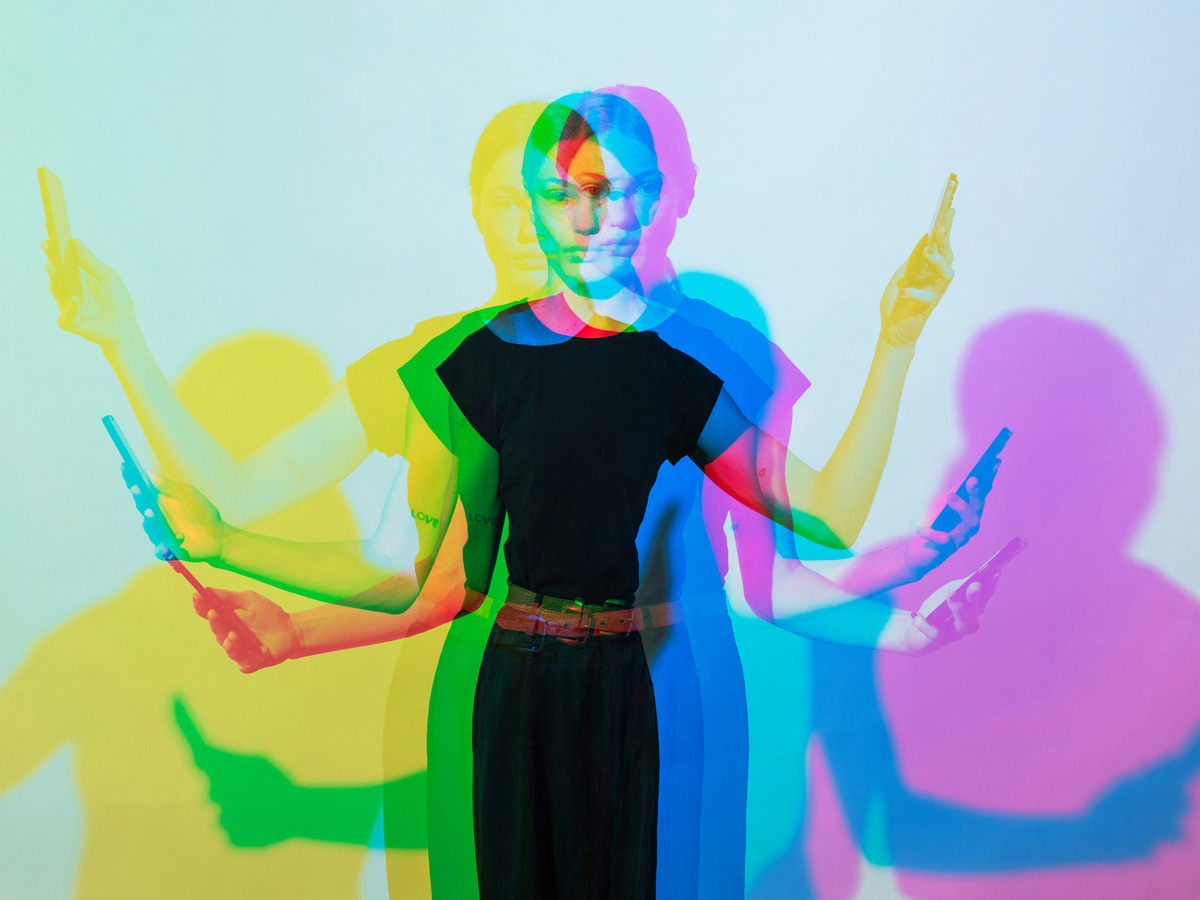
Analyzing social media posts with AI can assist in diagnosing depression
The things we say on social media, or the way we interact with other people in our networks, can reveal clues about our well-being. New research by TMU professor Nancy Yang uses AI-powered language models to study social media posts and detect signs of depression.
In Our Community
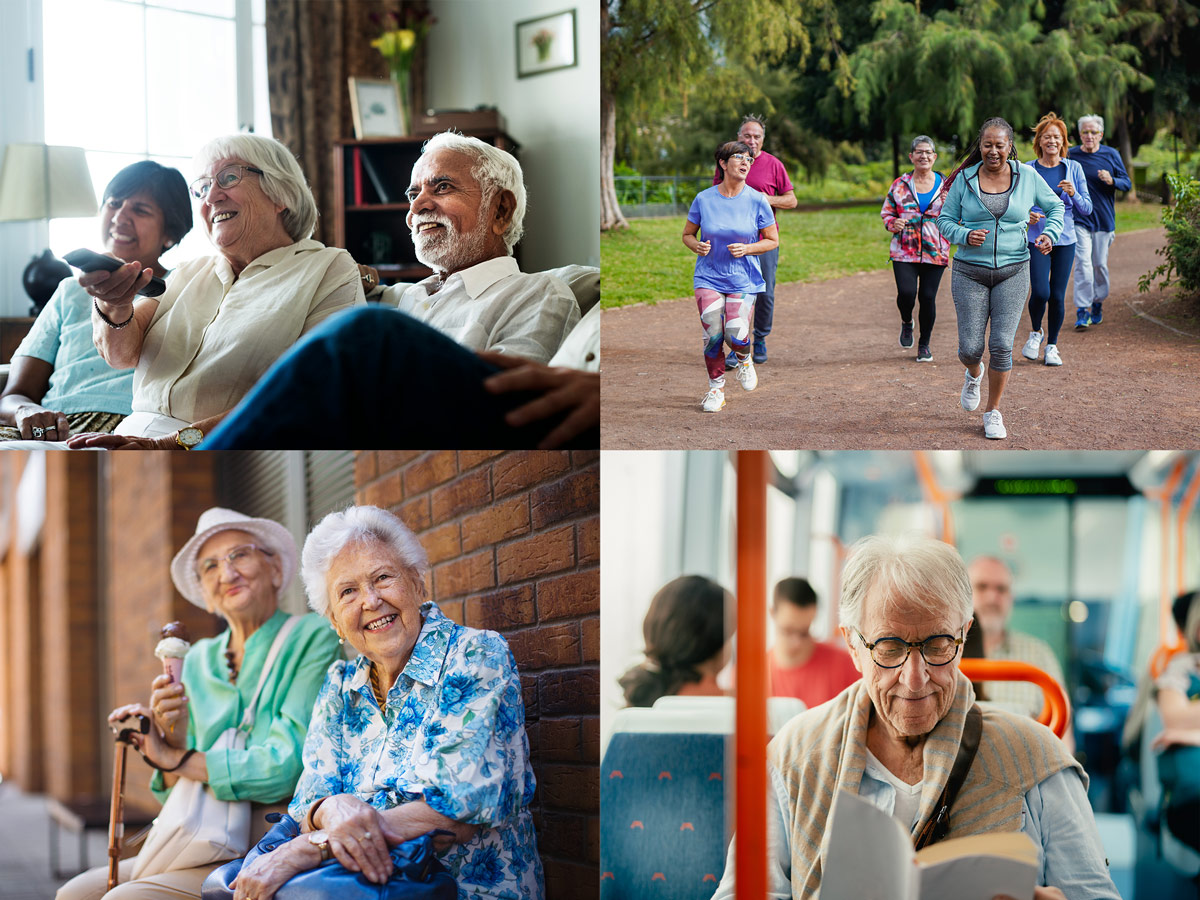
Designing the future of aging in place
According to a new report from TMU’s School of Urban and Regional Planning, the way the City of Toronto delivers services, how neighbourhoods are planned, and even zoning decisions, will all play a role in shaping how well residents, particularly those living in high-rise communities, can age at home.
Meet the Expert
Beyond artificial intelligence: How perspective-aware AI is making technology more collaborative
Artificial intelligence is often seen as a force that replaces human effort. But what if it could amplify our knowledge, creativity and ability to learn from one another instead? That question drives the work of Hossein Rahnama, the Edward S. Rogers Chair in Artificial Intelligence and Human Creativity and professor at The Creative School at TMU.
Policy & Perspective
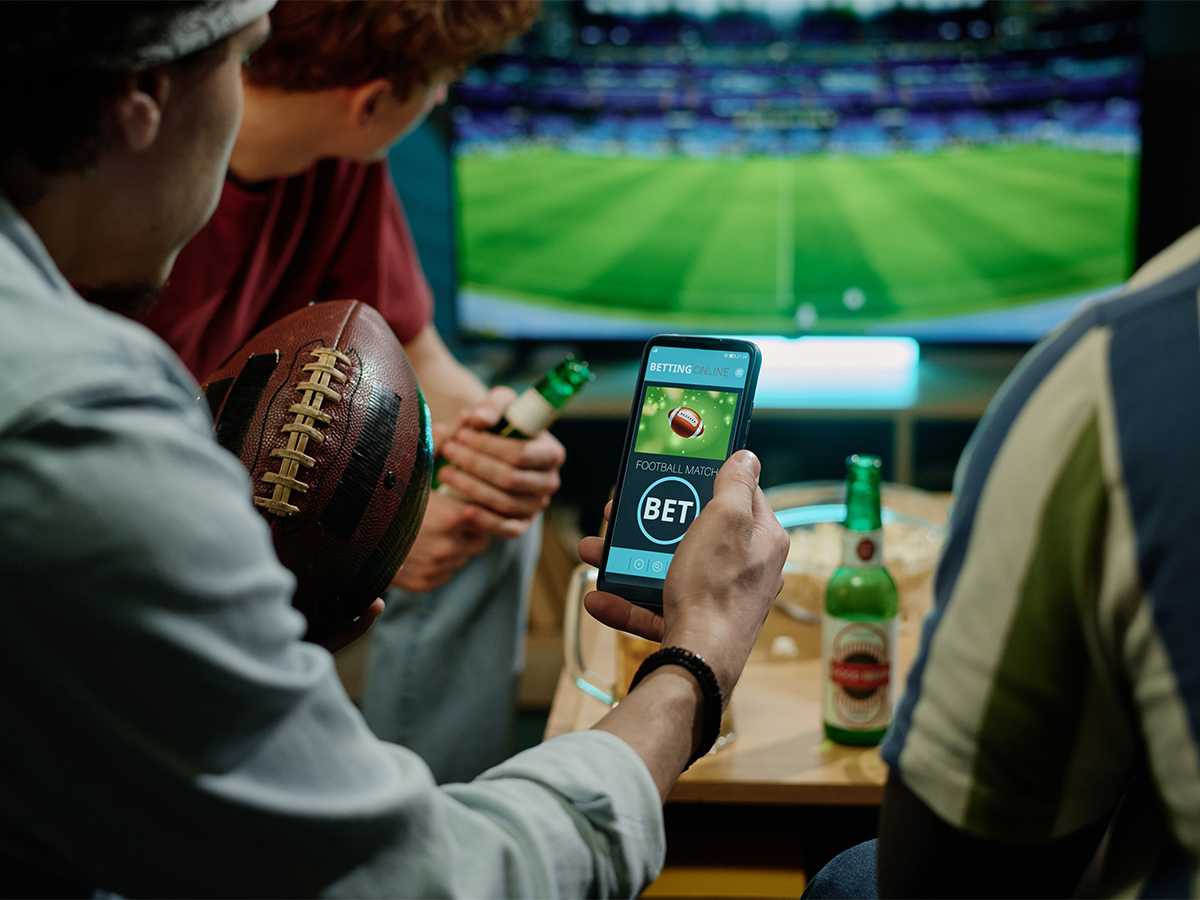
Two-year research study finds “substantial link” between alcohol consumption and sports gambling activity
TMU psychology professor Andrew Kim was part of a research team that tracked the alcohol use and gambling behaviour of more than 4300 adults across two years. Their work found that an increase in one problem behaviour is likely to lead to an increase in the other.
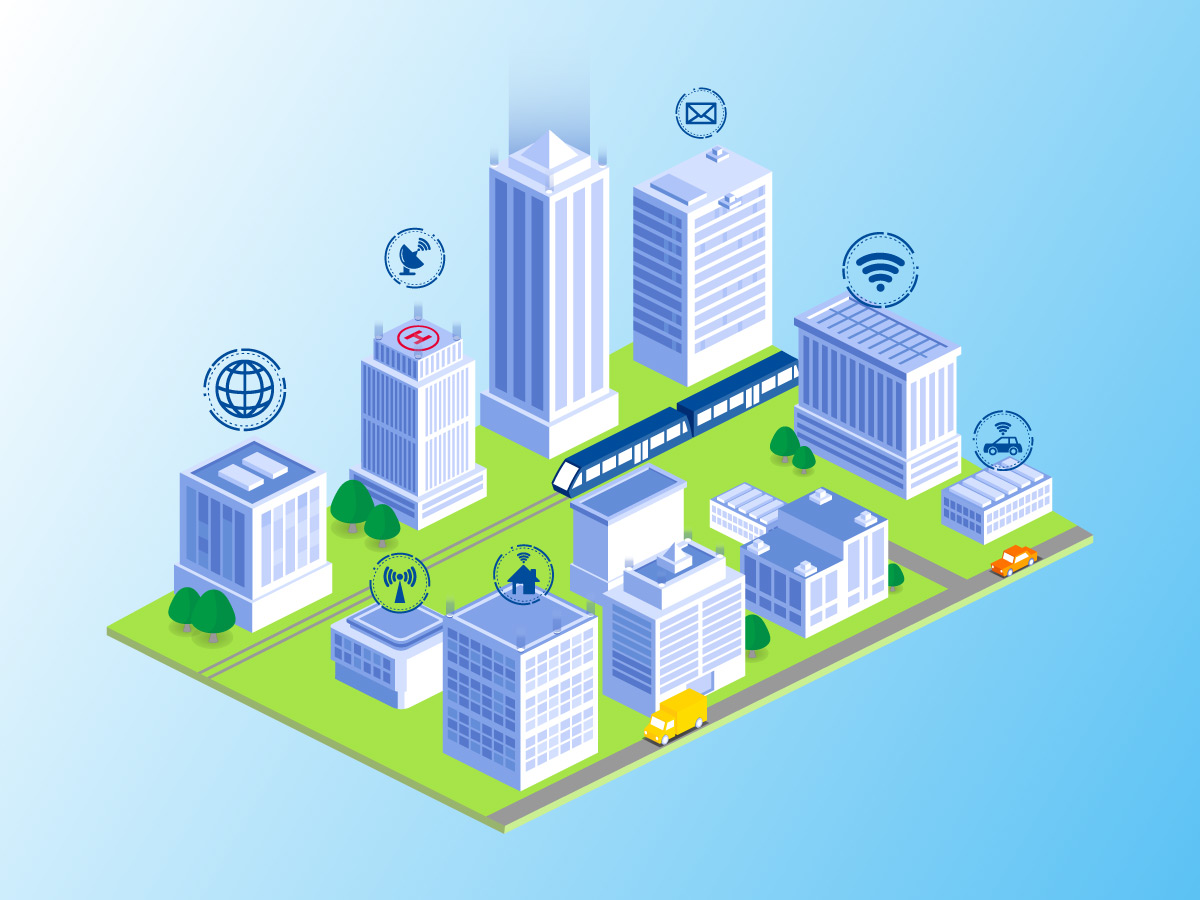
Digital borders within cities: How technology is undermining sanctuary protections for migrants
Sanctuary cities help residents without secure immigration status access services like health care, education and housing without fear of data-sharing with immigration authorities. But new research from TMU warns that digital technologies may be quietly undermining these protections.