About the Lab
Contact Us: info@socialmedialab.ca (opens in new window)
1 Dundas St. W. Floor 10
Toronto, Ontario M5B 2H1
The Social Media Lab is an interdisciplinary research center at the Ted Rogers School of Management, part of Toronto Metropolitan University. The Lab examines how social media and digital technologies are transforming the way people and organizations communicate, share information, conduct business, and foster communities. It also examines the broader impact of these shifts on society. Through its research, the Lab aims to help the public better understand both the benefits and potential downsides of adopting new technologies with a focus on combating and managing the spread of misinformation and disinformation.
In addition to conducting original empirical research and producing public reports around matters of public interest, the Social Media Lab also develops research apps, tools, and information integrity dashboards to support social science research on online participation. Some of the Lab’s research tools, such as Communalytic, PoliDashboard, NoteTracker, DeepfakesTracker and ConflictMisinfo, are used by thousands of students, educators, researchers, analysts and journalists worldwide each year.

Co-Directors of the Social Media Lab
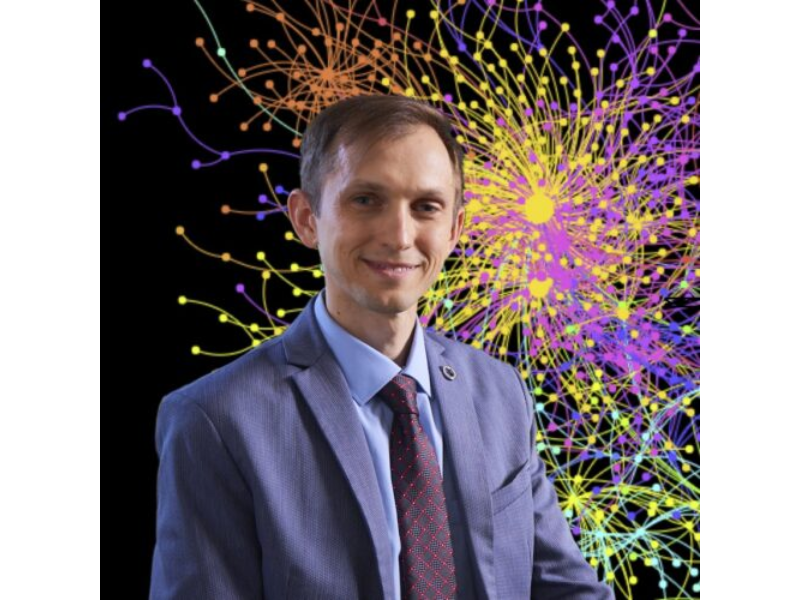
Director of Research - Social Media Lab | Canada Research Chair | Royal Society of Canada College Member | Professor – School of Information Technology Management, Ted Rogers School of Management, TMU
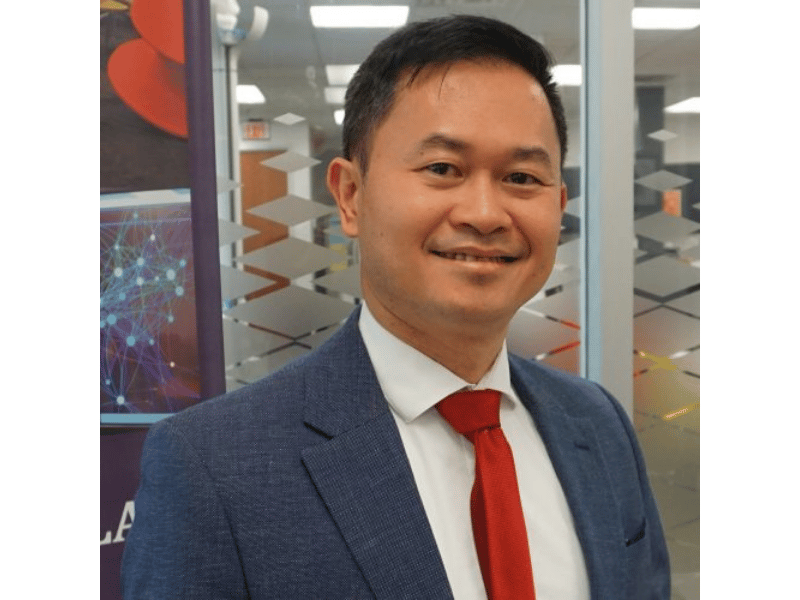
Executive Director – Social Media Lab | Co-founder of the International Conference on Social Media & Society | Ted Rogers School of Management, TMU
Research Tools & Information Integrity Dashboards
As part of our work, the Lab develops public-facing information-integrity dashboards, along with research apps and tools, to support social science research on online participation and communities. Our apps and tools are used by thousands of students, educators and researchers worldwide each year.
Communalytic is a no-code computational social science research tool for studying online communities and public discourse on social media. Built for researchers, analysts, and professional teams, it provides deep, transparent insight into public online conversations rather than surface-level metrics.
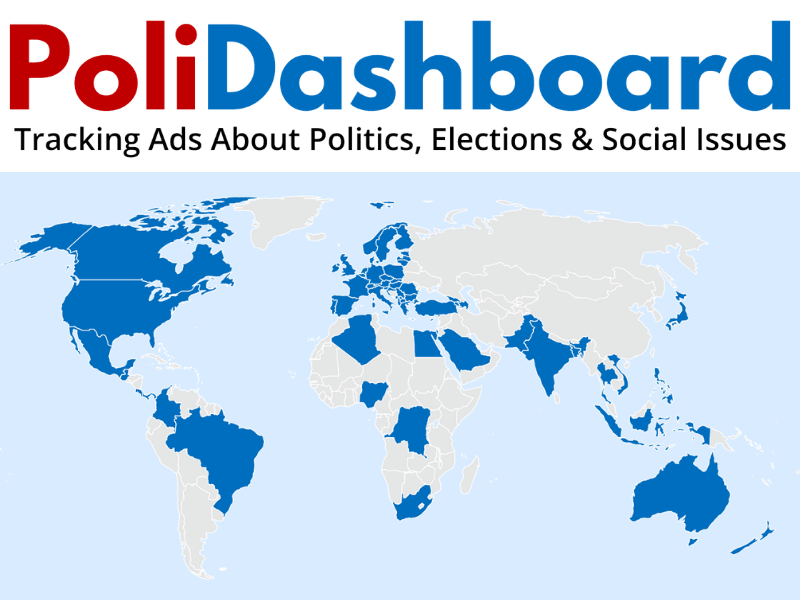
PoliDashboard is a tool that promotes transparency in online political advertising by curating near real-time data about who is behind ads, the messages they convey, and how they target audiences.
The NoteTracker Dashboard is a searchable database of X's Community Notes. Notes are created by X's contributors and by specialized AI bots, rather than by professional fact-checkers. The dashboard is designed for anyone interested in knowing more about crowdsourced fact-checking.
ModSimulator is an open-source software tool designed to conduct experimental research on user behaviour in response to social media content moderation interventions. This tool allows researchers to independently test specific moderation measures used by platforms to limit the spread of mis- and disinformation and inform users about post accuracy.
The Deepfakes Tracker research portal is a public-facing research hub that tracks and contextualizes the evolving use of deepfakes and synthetic media online. It serves as a resource for stakeholders to learn more about the prevalence of deepfakes in our information ecosystem.
The Migration Ad Observatory is a research and transparency platform that collects, categorizes, and analyzes migration-related advertisements on Facebook and Instagram, making it easier to see how online ads shape conversations about immigrants and immigration.
The Russia–Ukraine Conflict Misinfo Research Portal serves as a centralized resource for analysts and researchers seeking to examine the scope, dynamics, and impact of online misinformation and disinformation related to the Russia–Ukraine war.
KM Compass is a free, web-based, open-source knowledge mobilization (KM) app designed to help researchers, institutions, and knowledge mobilizers across various disciplines choose the best strategies for turning their knowledge into action and impact. It provides a practical framework with curated resources and real-world examples for engaging diverse audiences.