Real-world impact: Redefining possibilities for the future
INNOVATION
This publication is made possible, in part, with the support of the Research Support Fund.
Message from the Vice-President, Research and Innovation
I’m pleased to share the latest edition of Innovation detailing some exciting research outcomes. Whether it’s unlocking the mysteries of brain health, pioneering advanced biosensing technology or identifying potential new technology to help rescue disaster survivors, discover how TMU researchers are leveraging our collective expertise, collaborating locally and across borders to make positive change on a national and global scale.
Steven N. Liss, PhD
Vice-President, Research and Innovation
TMU’s strategic research themes highlight the areas where the university is leading diverse scholarly, research and creative excellence and real-world solutions. Our researchers are redefining possibilities and driving impact in health, community, culture, technology and democracy.
Idea to Innovation

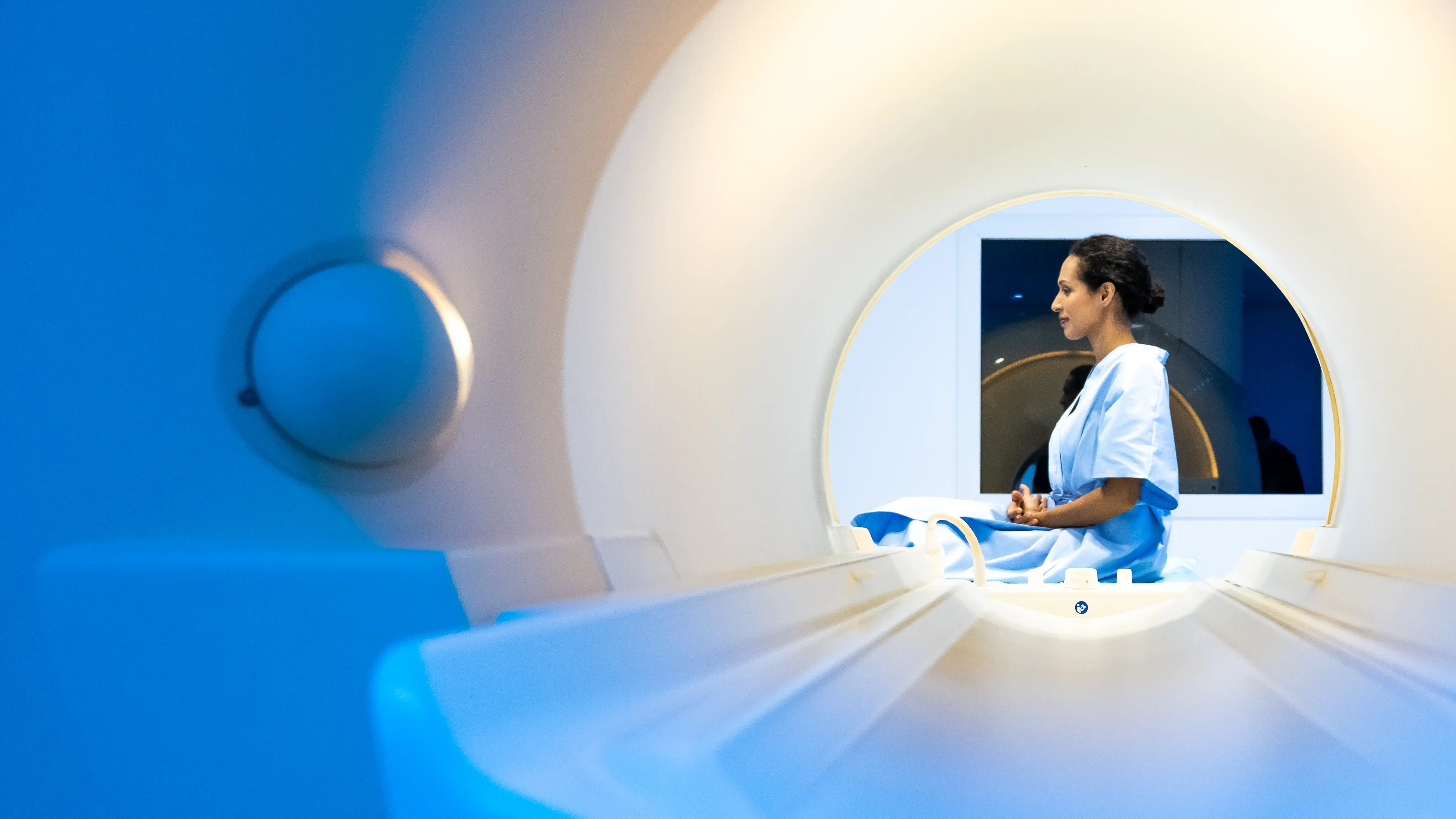
A breakthrough in non-invasive disease management with new biotechnology
Combining the leading-edge technologies of machine learning, nanotechnology and biomedical engineering, a new invention co-developed by a TMU researcher is poised to transform how we predict, diagnose and treat serious diseases, including cancer, Alzheimer’s and diabetes.
Under the Microscope

Fighting “forever chemicals” in wastewater: A promising solution
PFAS, a group of chemicals found in non-stick cookware, food packaging, cosmetics and more, are in our water systems and don’t break down. Even in small traces, they pose serious risks to aquatic and human health. To help wastewater treatment systems remove them, new TMU-led research proposes an innovative biofilm-based treatment.
Meet the Expert
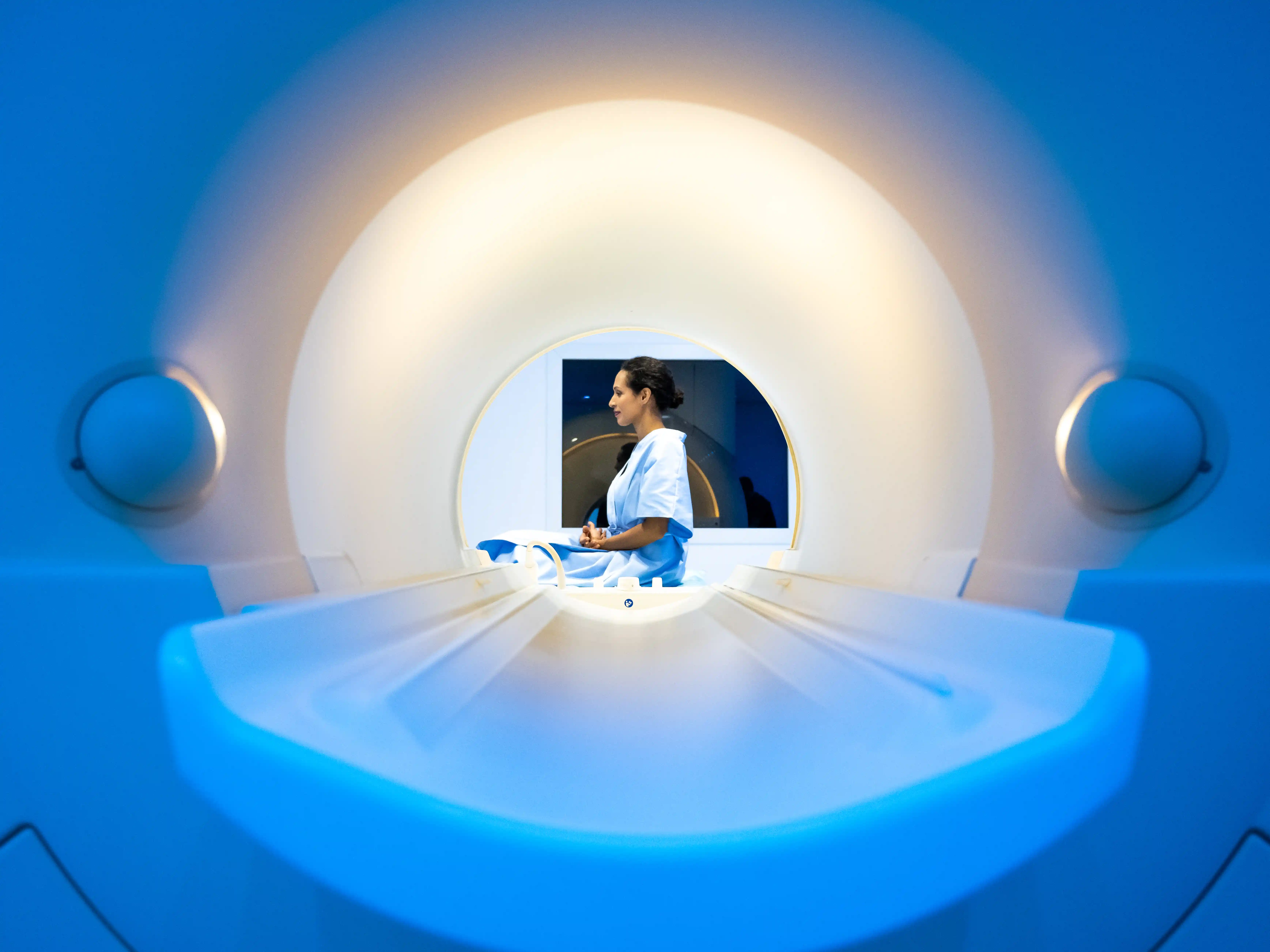
Unlocking the mysteries of midlife brain health: A novel approach to Alzheimer’s risk and resilience
What if we could detect and even prevent Alzheimer’s disease before it starts? To explore this idea, neuroscientist Natasha Rajah launched the Brain Health at Midlife and Menopause (BHAMM) Study in 2017, one of the first large-scale studies to investigate how biological sex, menopause and social factors interact to shape brain aging.
New Perspectives
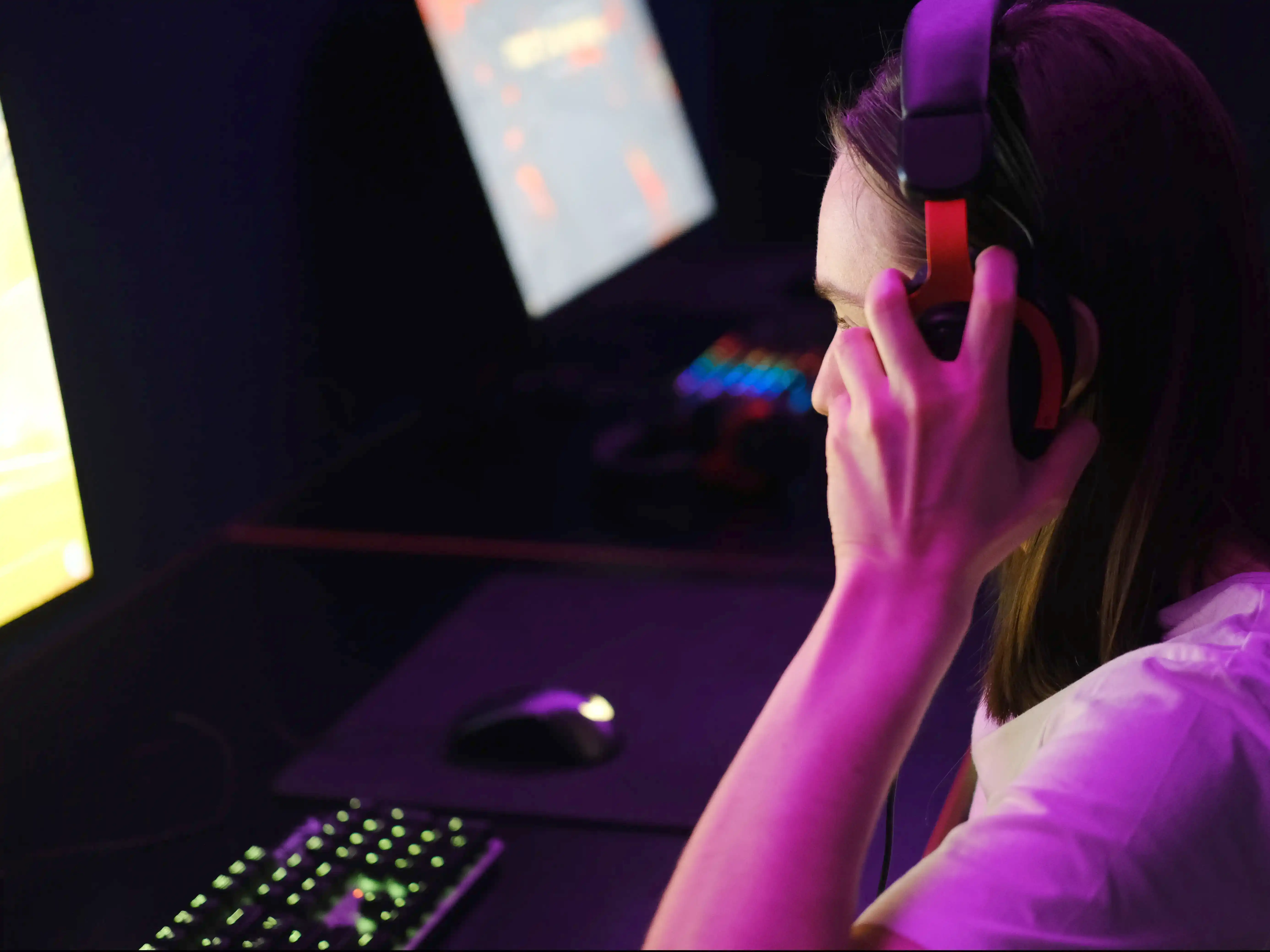
Acknowledging the traumatic impact of investigating online child sex abuse
Some law enforcement professionals who investigate Internet Child Exploitation suffer traumatic results from prolonged exposure to child sex abuse material. In light of this risk, new research calls for better preparation, training and support for those who take on this critical role.

A surprising factor driving preparation for quantum cybersecurity readiness
Examining the socio-technical side of quantum computing and cybersecurity finds organizations have an unexpected driver for the inevitable digital security migration.
In Our Community
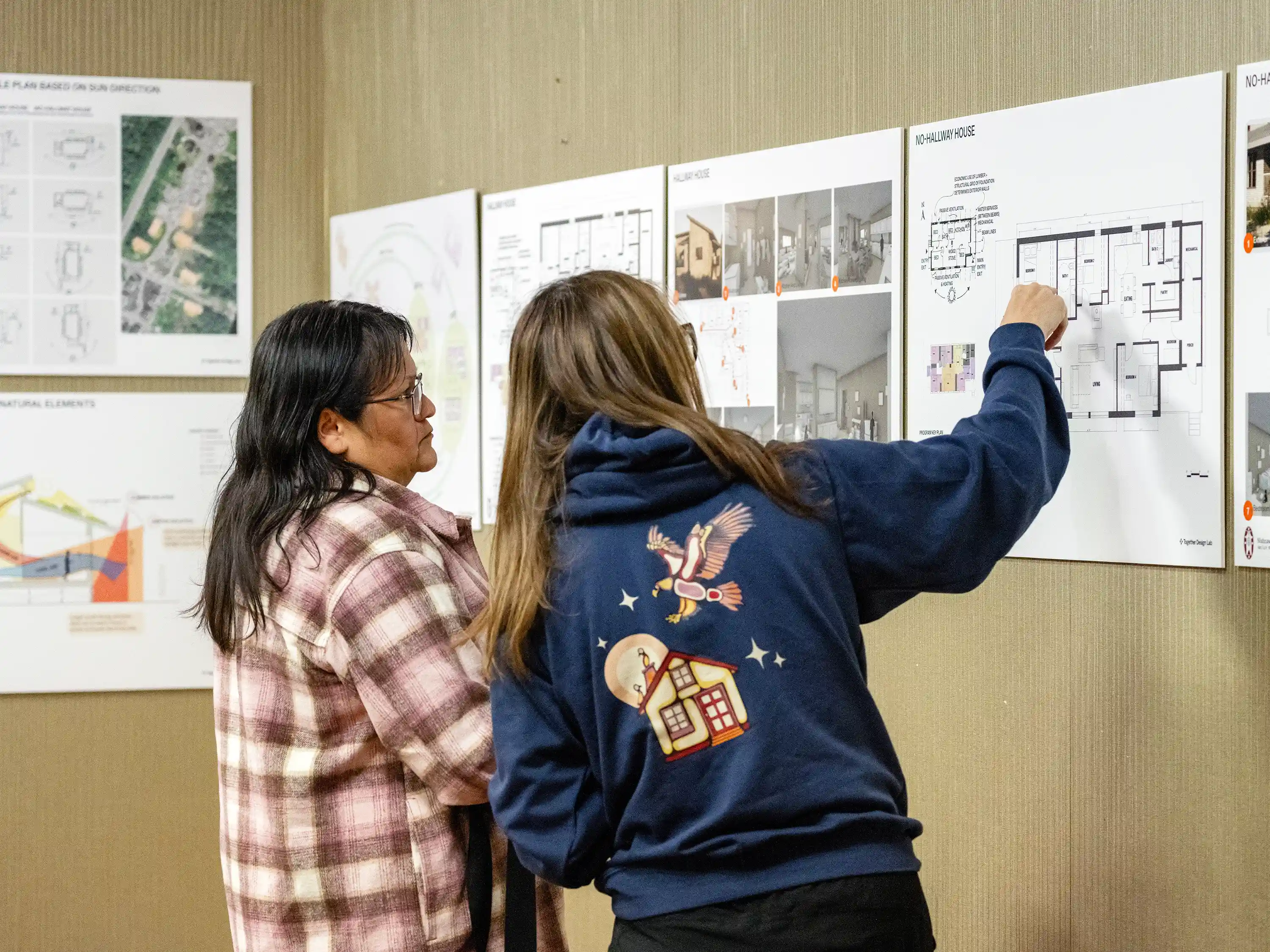
Learning together: Building local construction capacity through distance education
Focused on the roles, issues and needs of housing professionals in Nishnawbe Aski Nation (NAN) territory, two new distance-learning courses co-developed by TMU’s Together Design Lab and NAN equip students with foundational knowledge to manage local construction projects.
Shaping Policy
Building a regional model for equity in health governance
The COVID-19 pandemic exposed stark inequalities in global health systems. These disparities motivated TMU law professor Uchechukwu Ngwaba to launch a multi-faceted research initiative to help define what it means to pursue equity in health governance.
Ethics of AI in Canadian newsrooms: Are they keeping up?
As artificial intelligence (AI) tools gain ground in Canadian newsrooms, a team of TMU researchers set out to answer a pressing question: Are journalistic ethics evolving just as quickly?
Student Feature
Turning cell phones into rescue beacons using Bluetooth Low Energy
In the time-sensitive race to find victims after an earthquake or building collapse, new research finds promising results by searching for something nearly all of us keep close: our cell phone.