DAS Students and Faculty Showcase Research at 51st Annual SSAC Conference
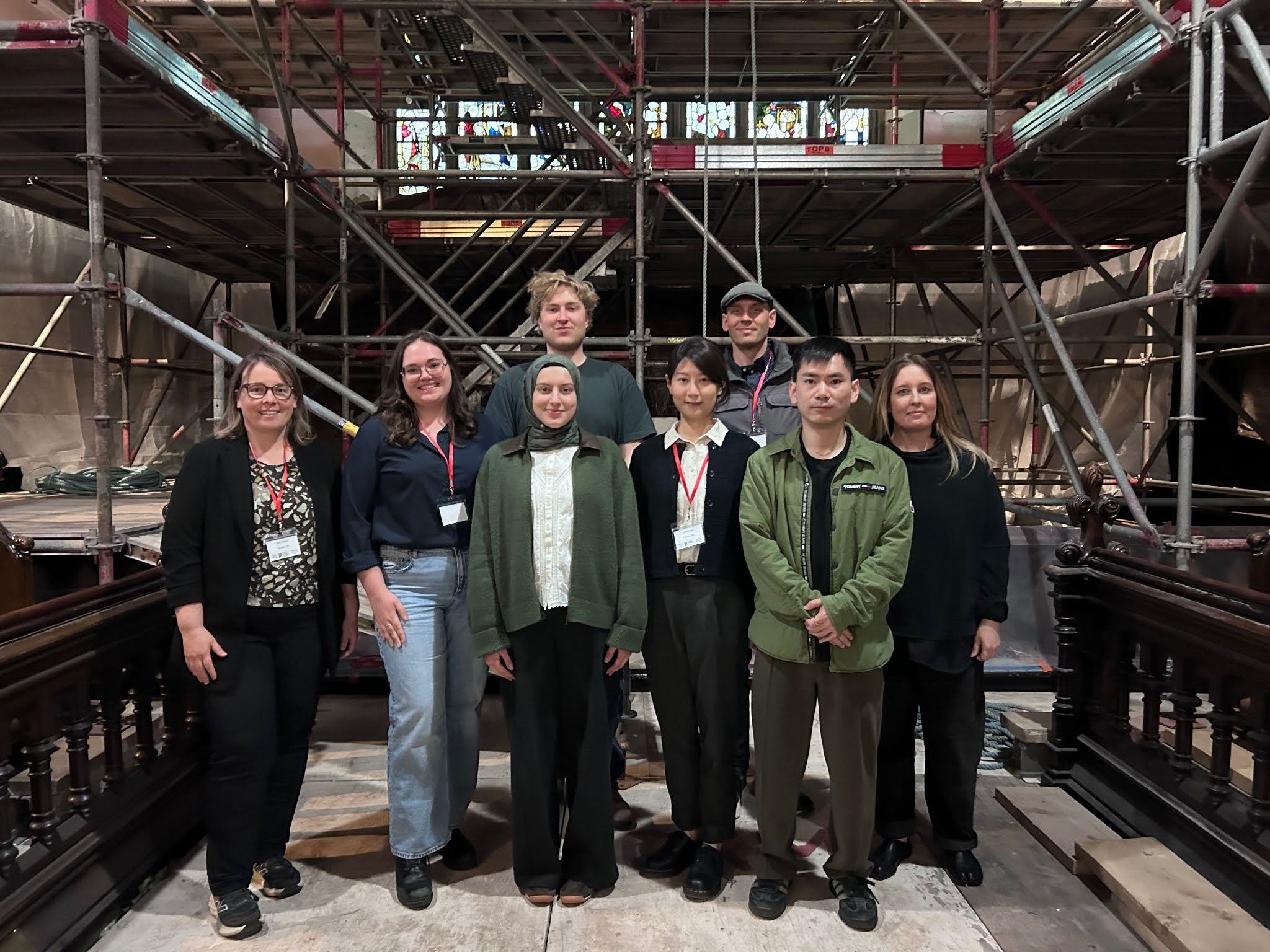
Six students and three faculty members from the Department of Architectural Science at Toronto Metropolitan University traveled to Saint John, New Brunswick for the 51st annual SSAC Conference (external link, opens in new window) held May 27-30 2026.
With over 100 presentations, the SSAC’s annual conference is a leading forum for discussions about Canadian architecture, bringing together researchers, industry professionals, students, and educators to explore the evolving role of the built environment in Canada. The four-day conference featured 17 thematic sessions, roundtables, keynotes, site visits, and talks focused on issues such as heritage, landscape, history, archival research, adaptive reuse, research methods, and other topics.
DAS students and faculty members made a strong contribution at this year’s conference, organizing and chairing five research sessions, and delivering five diverse presentations on critical issues shaping the built environment. Representing TMU at this year’s conference were PhD in Architecture student Yaxin Jiang; recently graduated Master of Architecture students Hannah Robertson and Rikki Cai; M.Arch student Heba Al-Fayez; third-year undergraduate students Finn Ferrall and Lior Shneer; and faculty members Dustin Valen (opens in new window) , Terri Peters (opens in new window) , and Jennifer Esposito (opens in new window) . Dustin also serves on the SSAC’s Board of Directors, and is currently the organization’s Treasurer.
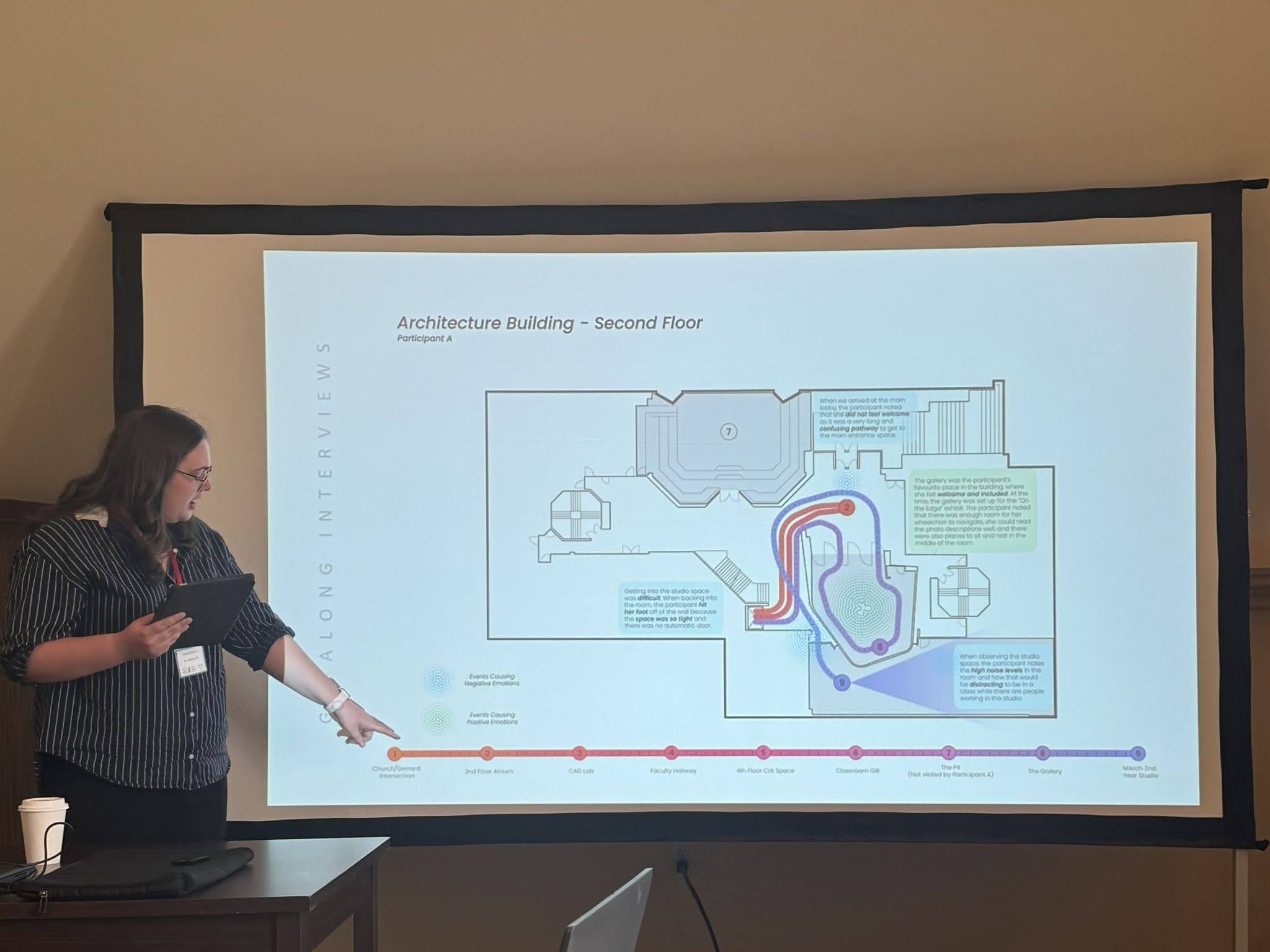
Hannah presenting in her session.
M.Arch Student Hannah Robertson explains:
“This conference was a great place to share my thesis research after the final defence to a variety of researchers from institutions across North America. My thesis, titled “Beyond Accessibility: Integrating Disability Perspectives Towards Inclusive Architecture,” discussed ways to include the lived experiences of people with disabilities into the design process through Go-Along Interviews that I performed on campus. It was an opportunity to share and discuss my research with others who have a wide range of specialties. In addition to sharing my own research, I was able to learn about and discuss the variety of research projects presented by others in the many different sessions throughout the week.”
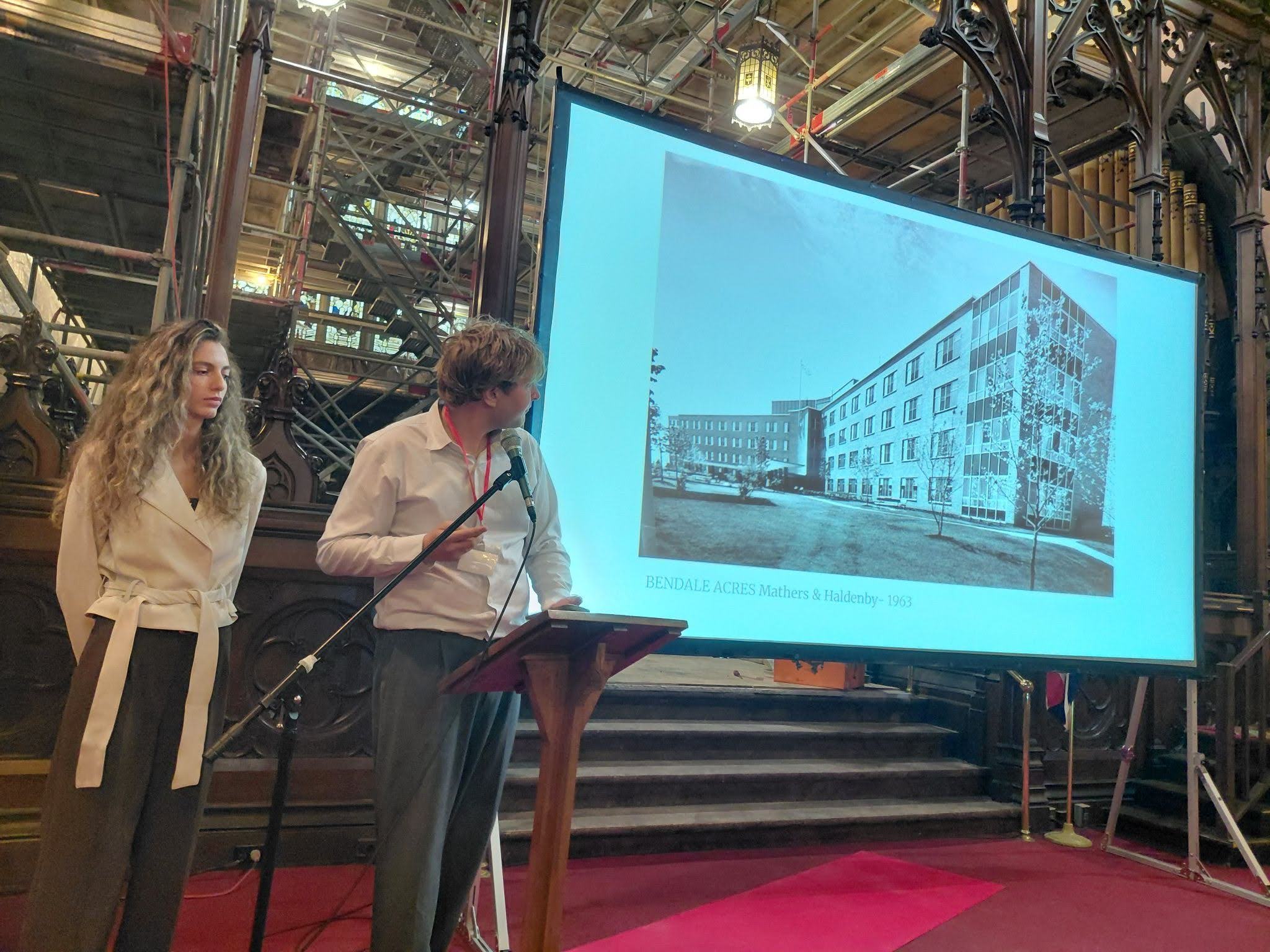
Lior and Finn presenting their work on the architecture of eldercare in postwar Toronto.
On the first day of the conference, presenters explored infrastructural systems in Canada in “Looking at Infrastructure in Canada,” a session co-chaired by TMU faculty member Dustin Valen. As part of the session, DAS students Finn Ferrall and Lior Shneer presented research on post-war eldercare housing in Toronto.
According to Lior Shneer, “Presenting our work was rewarding, but one of the highlights for me was getting to meet so many people in the industry, connect with other researchers and students, and make new friends along the way. The experience gave me a much better sense of the opportunities and directions available in the field, and it made me even more interested in pursuing research in the future.”
On the second day, Session 10 focused on “Current Research in Architecture”. This session was chaired by Professor Dustin Valen, and featured the work of recently graduated M.Arch student Hannah Robertson. Hannah shared work relating to the methods of her recently completed thesis, which was supervised by Leila Farah.
In the same session, recent M.Arch graduate Rikki Cai, supervised by Dustin Valen, presented work relating to his thesis, Transcultural Collage: Poetics of Dwelling in Toronto’s Chinatown. His research examines how collage can function as an architectural method for understanding the fragmented urban conditions shaped by migration, exclusion, adaptation, and cultural exchange.
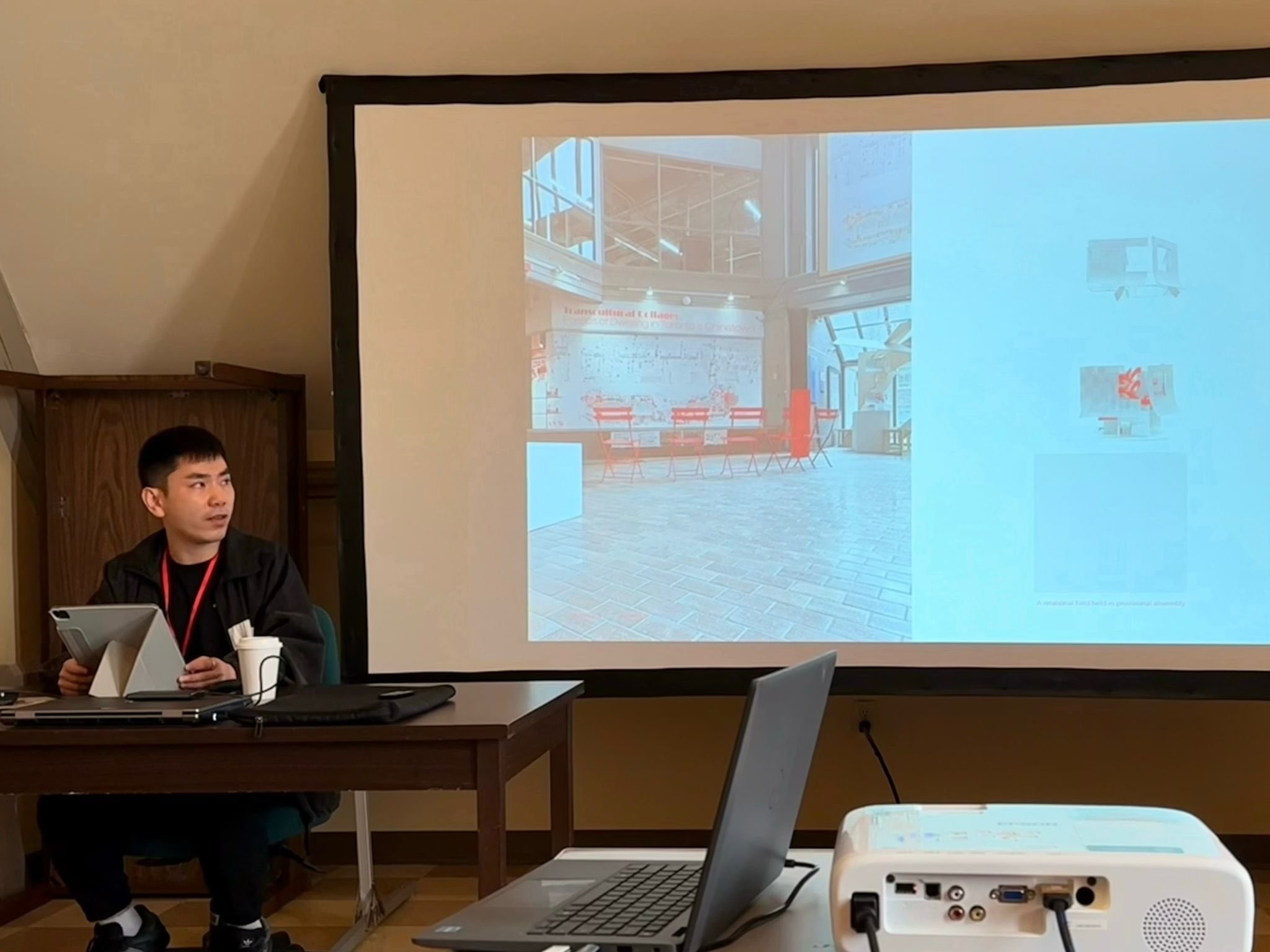
Rikki presenting in his session.
Reflecting on the conference, Rikki noted that SSAC provided a valuable opportunity to engage with researchers from across Canada working on questions of history, heritage, and lived experience. The discussions reinforced the importance of architectural research as a means of connecting cultural memory, community, and the built environment.
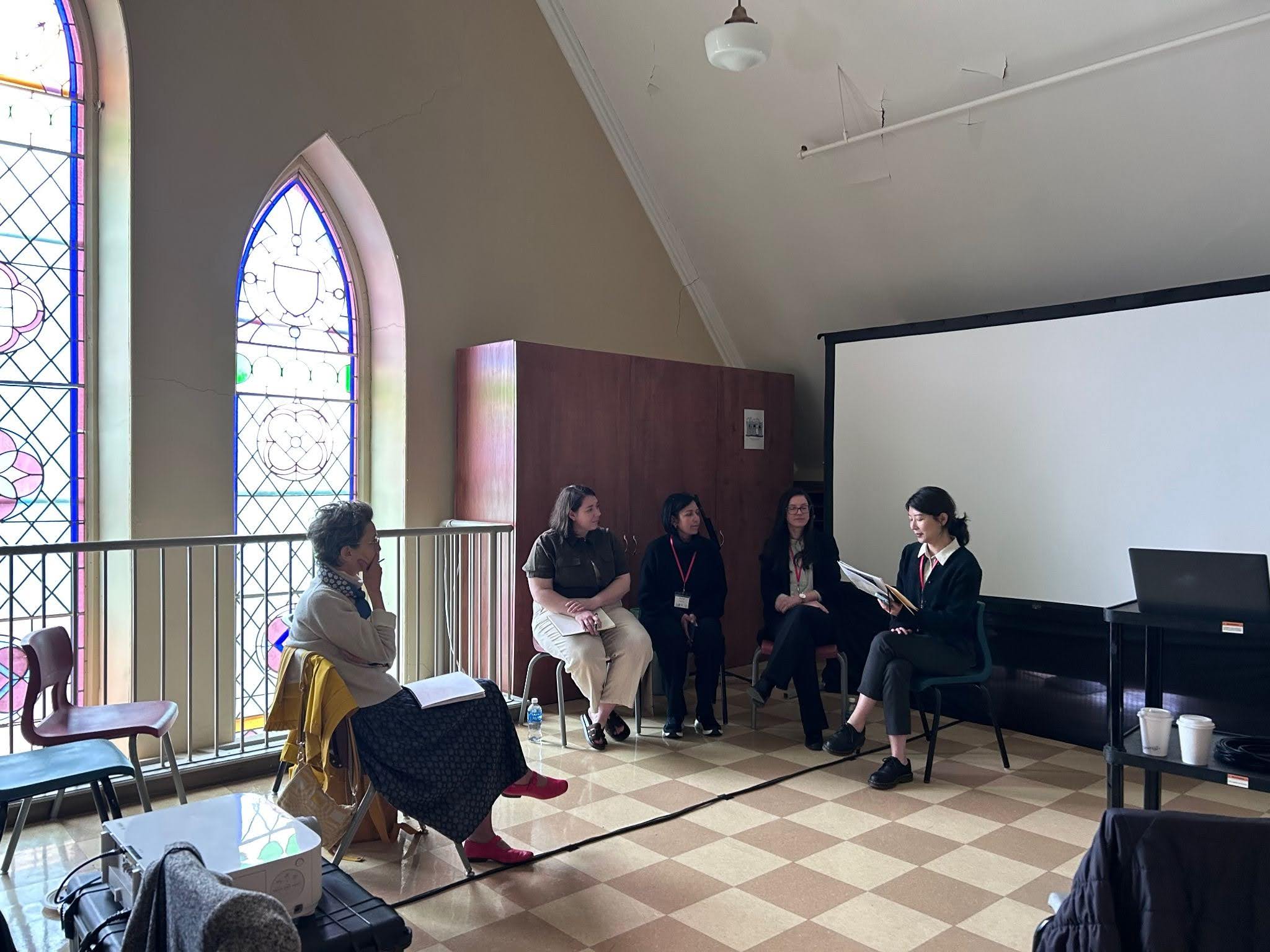
The discussion following the second session of “Architectural Research for Emerging Futures”.
On the third day, TMU faculty Terri Peters and PhD in Architecture student Yaxin Jiang co-chaired two sessions relating to “Architectural Research for Emerging Futures”. In these sessions, seven presenters, including practitioners, researchers, students, and professors shared their research and participated in a panel discussion about developing and applying innovative architectural research methods across a range of contexts, including urban redevelopment, Indigenous communities, natural environments, healthcare settings, and everyday public streets. During these discussions, presenters reflected on the expanding role of design and research in fostering multidisciplinary, community facing, and reciprocal research initiatives.
Architecture PhD student Yaxin also presented her ongoing research, which investigates the role of architectural design and representation as research tools for understanding and integrating people's lived experiences into collaborative design processes for the adaptive transformation of urban spaces.
Yaxin explained: "As part of the first cohort of PhD students conducting design research at TMU, I am grateful for the opportunity to organize this panel and help build connections between researchers and practitioners who are exploring new ways of producing and sharing architectural research knowledge. Through these exchanges, I hope to broaden the impact of research in shaping more inclusive built environments."
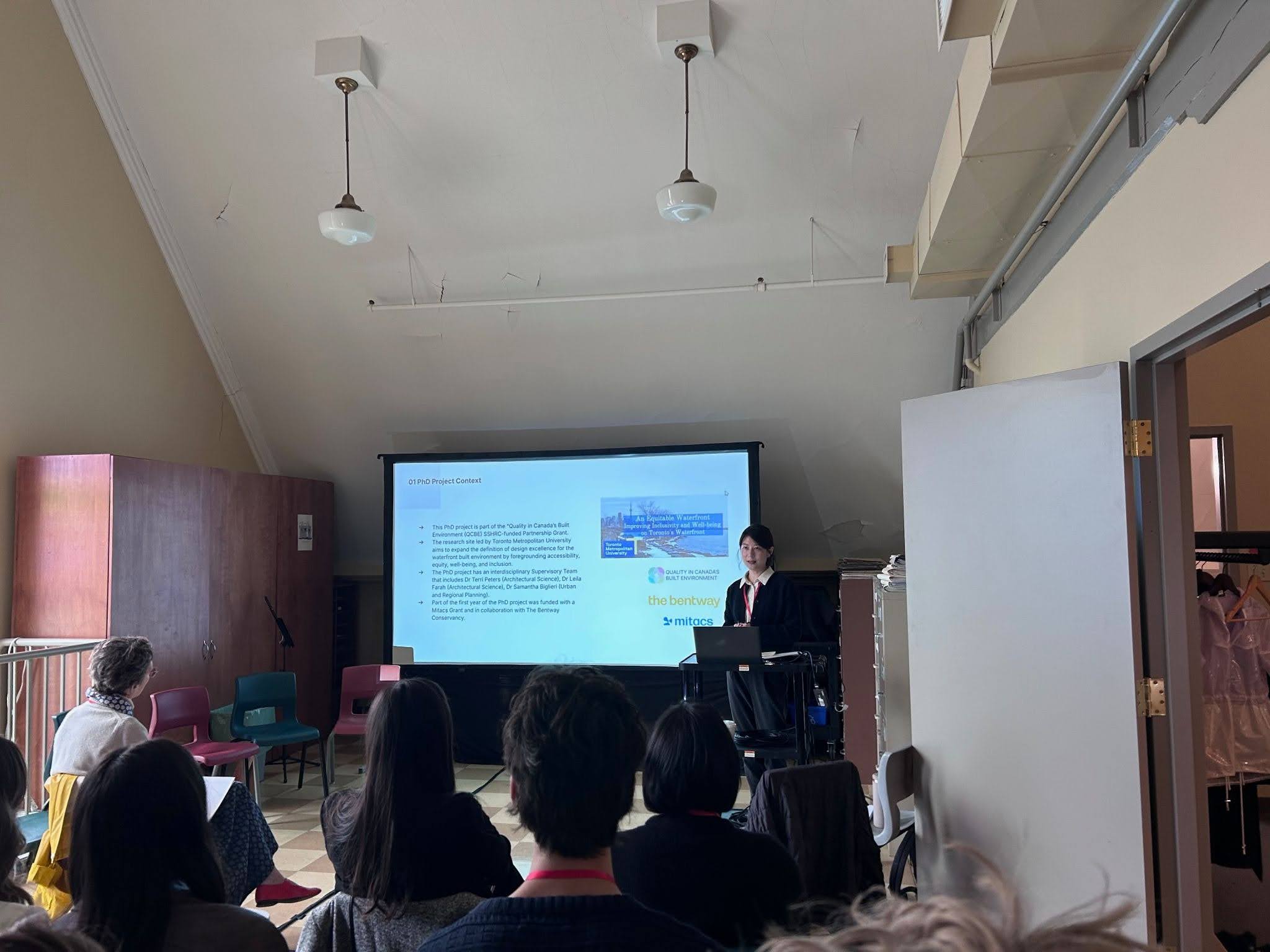
Yaxin presented her ongoing PhD work on architectural research methods that center lived experiences through design representation and intervention in the social process of transforming underused urban conditions.
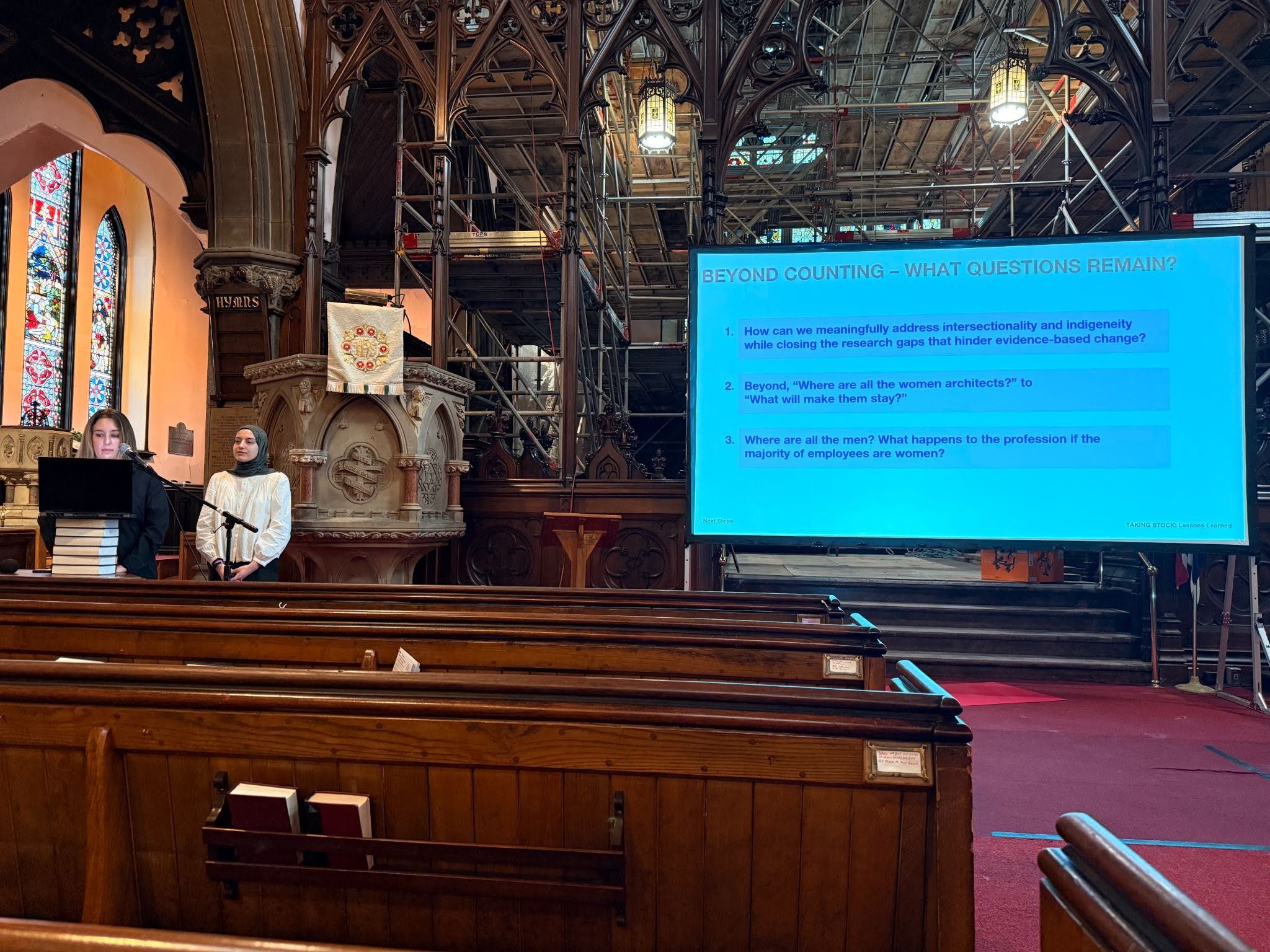
Jennifer and Heba presenting in their session.
Also on Day 3, TMU faculty Jennifer Esposito and M.Arch student Heba Al-Fayez reflected on a recent SSHRC-funded national academic-professional symposium which brought together more than 200 academics, students, architects, and advocates over two days to take stock of the current state of women in architecture in Canada and identify pathways for implementing frameworks and policies to advance equity in the field.
According to Heba, “it was exciting to present our work in a friendly environment surrounded by interesting and interdisciplinary researchers who were open to discussing their work and experiences. I especially appreciated the opportunity to explore a new place with a distinct urban and natural landscape.”
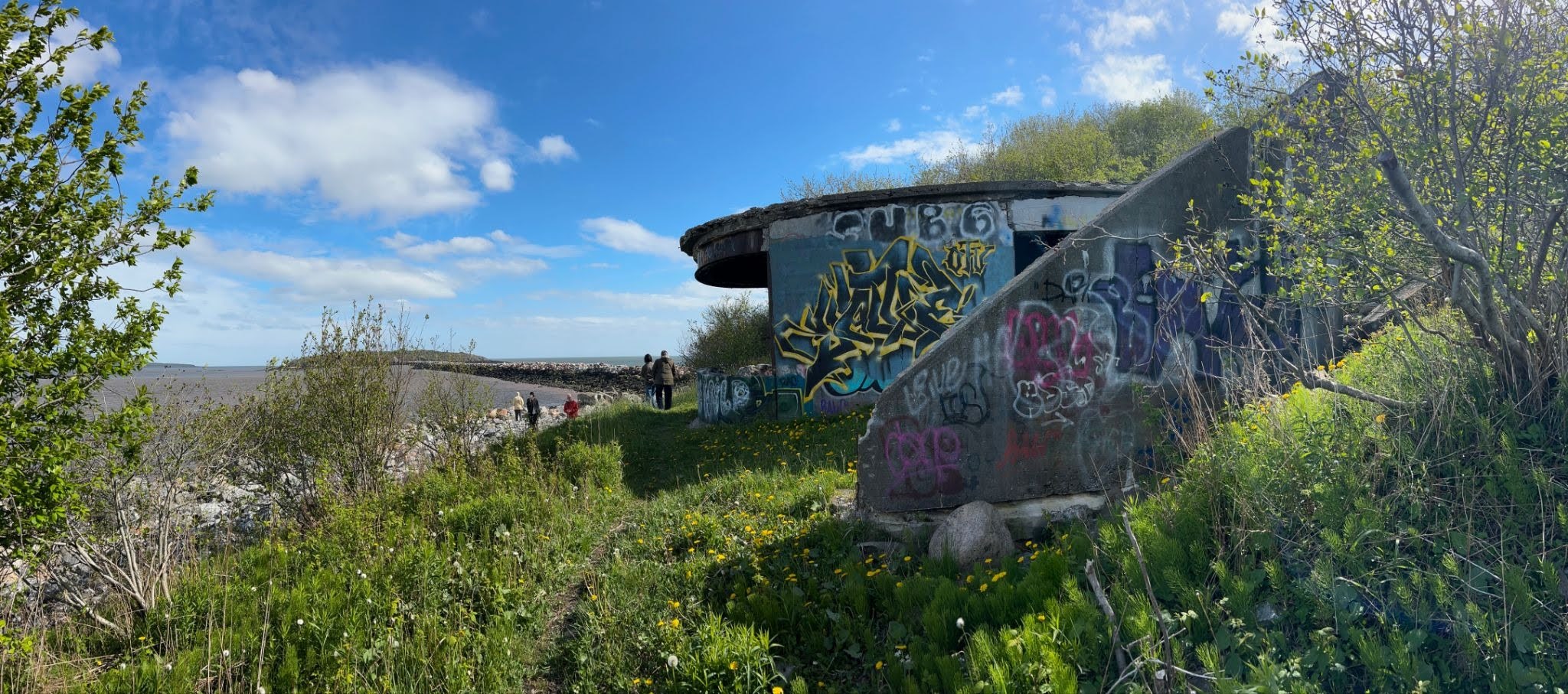
The bus tour to see waterfront military defense sites, like this disused artillery bunker.
Each day included social events and guided walking or bus tours of the city. The architectural tours provided an immersive look into St. John’s culture, with the military heritage tour standing out as a major highlight. Led by John Leroux, the group visited the Martello Tower construction site and interpretive center, and even climbed down to explore abandoned WWII concrete artillery bunkers that provide a strategic view of the harbour. These site visits sparked engaging discussions on how military infrastructure has shaped St. John’s waterfront history.
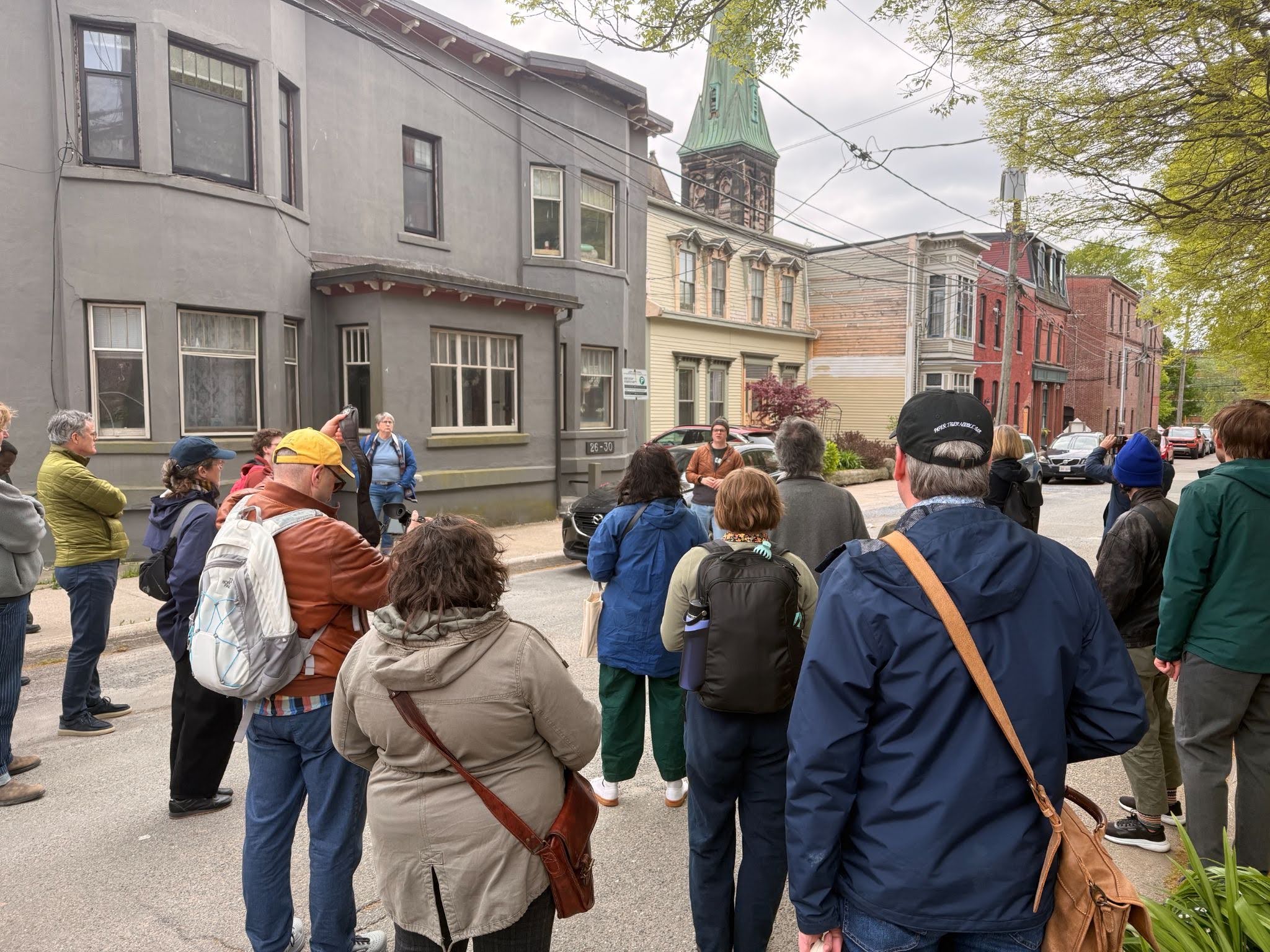
The walking tour of St John Pre-Great Fire of 1877 led by Ben Peterson.
This Conference is an important part of Canada’s architecture culture, showcasing the work of DAS researchers and students in an important national context.
Stay tuned for news about next year’s SSAC conference, and learn about the work of the society on their website (external link, opens in new window) .

Reference:
(Co-) Presenter(s) and their topics:
- Finn Ferrall and Lior Shneer “Infrastructures of Care: Institutional Architecture and Eldercare in Postwar Toronto”
- Hannah Robertson “Beyond Accessibility: Integrating Disability Perspectives Towards Inclusive Architecture”
- Rikki Cai “Transcultural Collage: Poetics of Dwelling in Toronto’s Chinatown”
- Yaxin Jiang “Integrated Architectural Design Research: A Mixed-Methods Approach to the Adaptive Reuse of Infrastructure”
- Jennifer Esposito and Heba Al-Fayez “Taking Stock: Lessons Learned from a National Symposium on Women in Architecture”