About
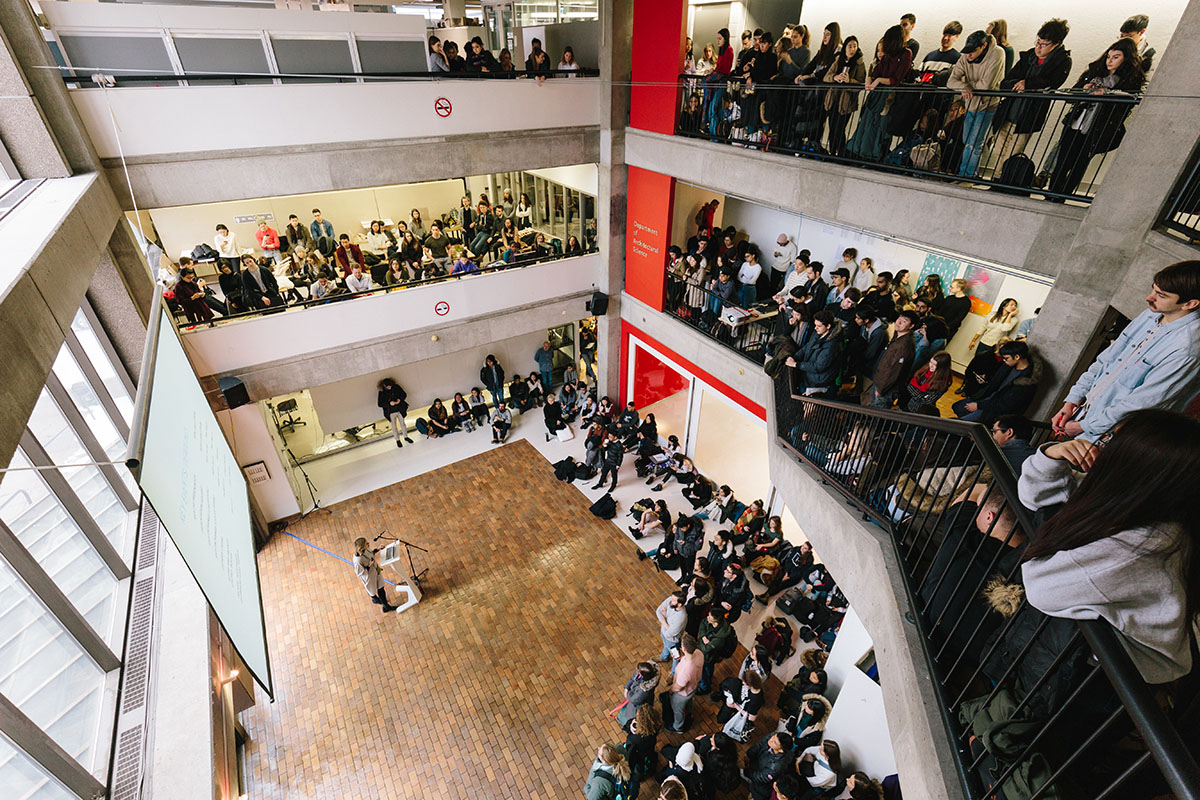
At Toronto Met’s Department of Architectural Science (DAS), we solve real-world problems through design and building expertise. Because of our interdisciplinary structure, our students have a deep understanding of every stage of the projects they undertake—from design, to detail, to delivery.
DAS is the only school in Canada that integrates architecture, building science and project management. Our faculty are widely recognized for their rigour, diverse experience and creative teaching approaches. They generate impact by applying their expertise to pressing social, cultural, economic, health and environmental challenges via the following areas of scholarly research and creative activity:
- Architectural practice
- Architecture and culture
- Energy efficiency
- High performance systems/enclosures/materials
- Managing construction projects
- New media and the virtual world
- Sustainable buildings
Our talented undergraduate and graduate students take advantage of our extensive theoretical, technological and experiential learning opportunities. They are passionate about issues such as the challenges of urbanization, globalization, sustainable design and social housing, and are highly valued by the profession when they graduate. Many go on to establish careers with well-known international firms such as BIG, Shigeru Ban Architects, Turenscape and Transsolar, or local firms such as Raw Design, Diamond and Schmitt Architects, and Moriyama & Teshima.
The program in architecture at Toronto Metropolitan University is fully accredited, for a six-year term, by the Canadian Architectural Certification Board (CACB).
Our People
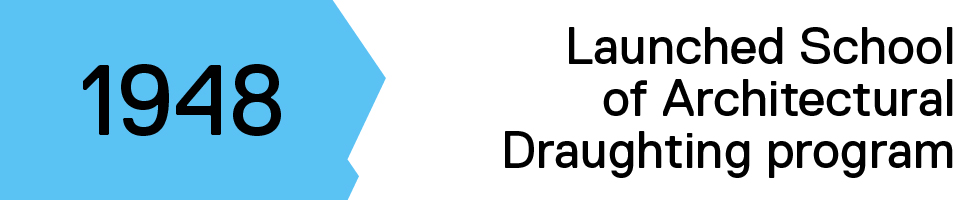
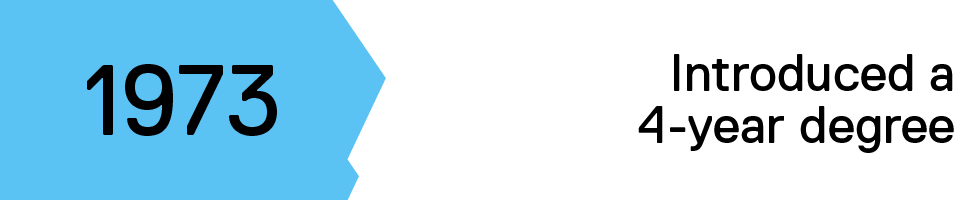
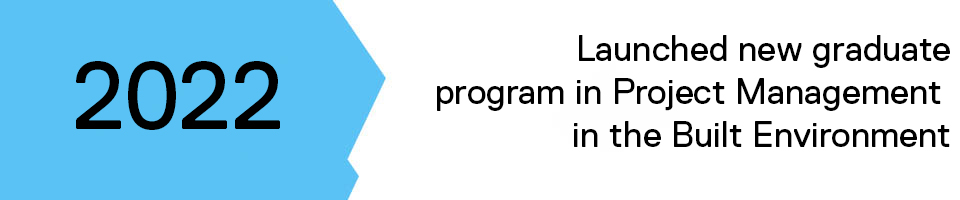
History of DAS




Our Mission
Deliver high-quality programs that equip graduates for success by integrating architecture, building science, and project management, and providing exceptional collaborative and experiential learning opportunities.
Prepare forward-thinking professionals for effective leadership roles in the Architecture, Engineering and Construction (AEC) industry and related fields by cultivating critical thinking, creative innovation, and interdisciplinary engagement with diverse contexts.
Champion an integrated and adaptive approach to architecture as a social, technical, environmental, political, and culturally responsive practice that addresses complex global challenges and evolving societal needs.
Cultivate an inclusive environment of diverse perspectives and scholarly, research and creative activities, wherein everyone is respected and enabled to thrive.
Program Objectives
Approved June 19, 2025, as part of the BArchSc Periodic Program Review. For more info, see TMU’s Curriculum Quality website.
The BArchSc program aims to:
- Prepare students to design, detail, and deliver high-performing architectural projects by integrating studies in architecture, building science, and project management.
- Foster a multifaceted and holistic approach to architectural design as a social, technical, environmental, aesthetic, political, and cultural practice.
- Expose students to a breadth of professional opportunities and career paths in architecture and related fields.
- Engage fundamental and emerging technologies to address societal challenges and positively impact a changing world.
- Develop climate action competencies to advance environmental stewardship, resiliency in the built environment, and the United Nations Sustainable Development Goals.
- Prioritize experiential learning through hands-on making, collaborative studios, design-build projects, travel, Co-op, and other extracurricular opportunities.
- Inspire critical thinking, excellence, and innovation with a robust culture of scholarly, research and creative activities.
- Generate local and global architectural knowledge by exposing students to diverse contexts, communities and perspectives, including Indigenous rights and the Truth and Reconciliation Commission of Canada Calls to Action.
- Empower the next generation of design professionals to act collaboratively and ethically, while leading meaningful transformation for the public good.
- Embed equity, diversity and inclusion in all activities and create a learning environment where everyone is welcome and enabled to thrive.