Event recap: TMU research showcases real-world innovation at DiscoveryX 2026
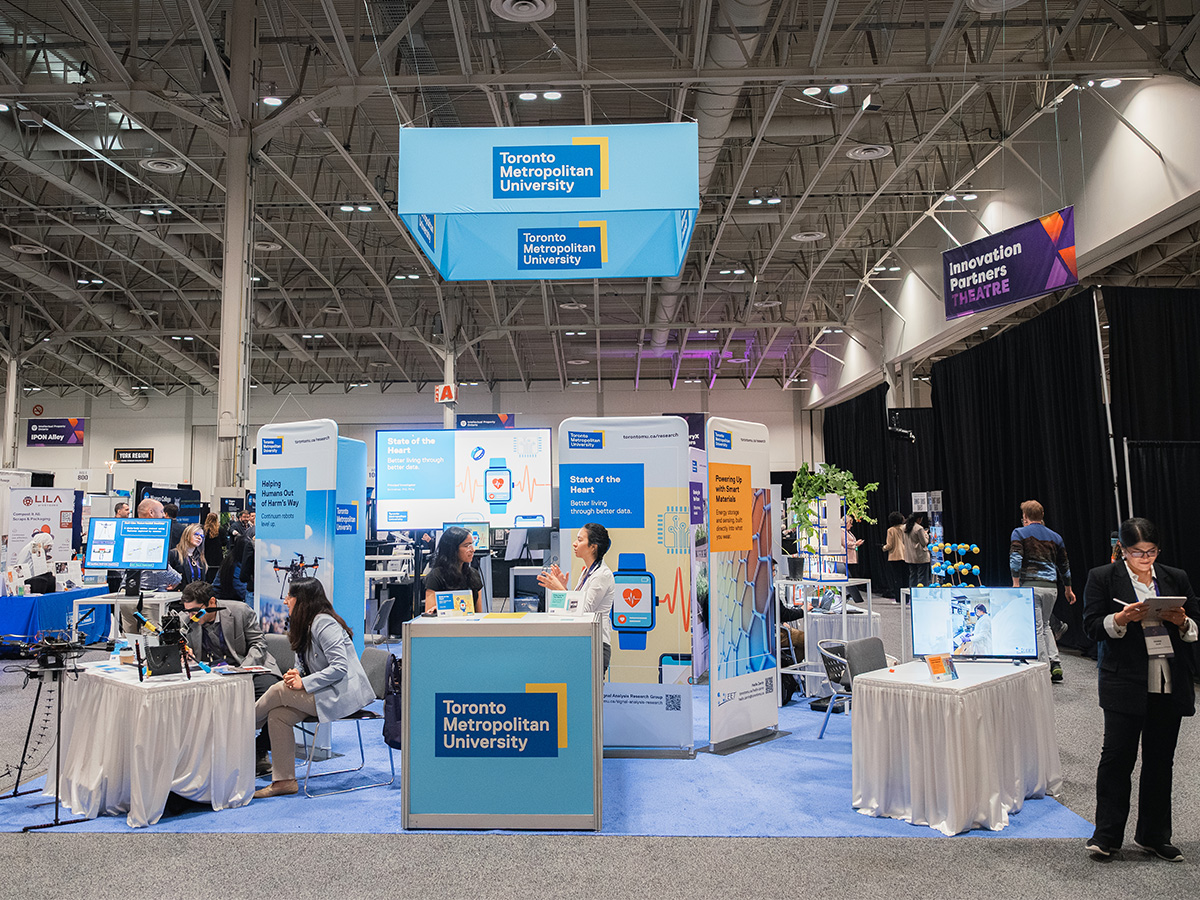
At DiscoveryX 2026, artificial intelligence took centre stage as Toronto Metropolitan University (TMU) researchers and students showcased the strength of the university’s innovation ecosystem. From life-saving infant heart rate monitors and AI-driven medical imaging tools to self-powered wearables, flexible robotic drone arms and advanced vertical farming, their work demonstrated how leading-edge ideas translate into real-world impact.
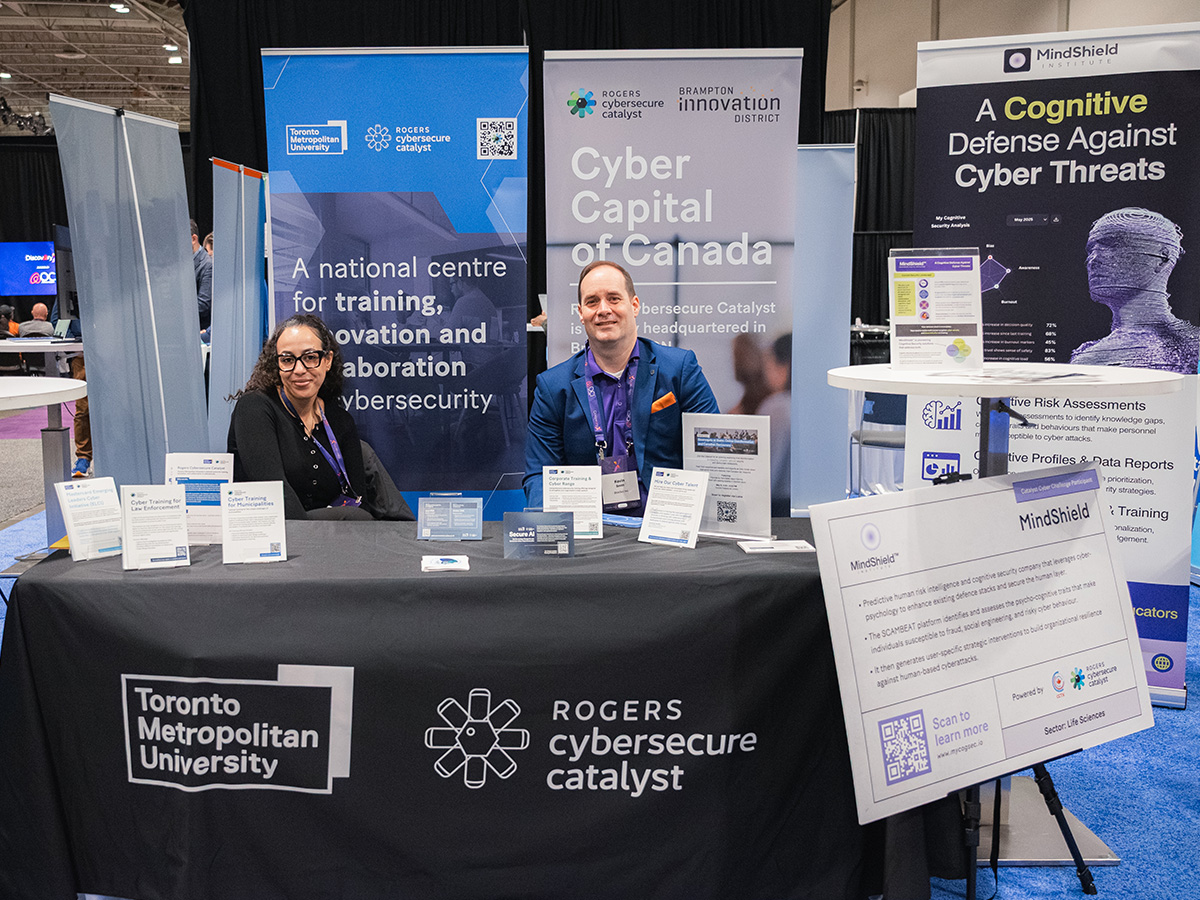
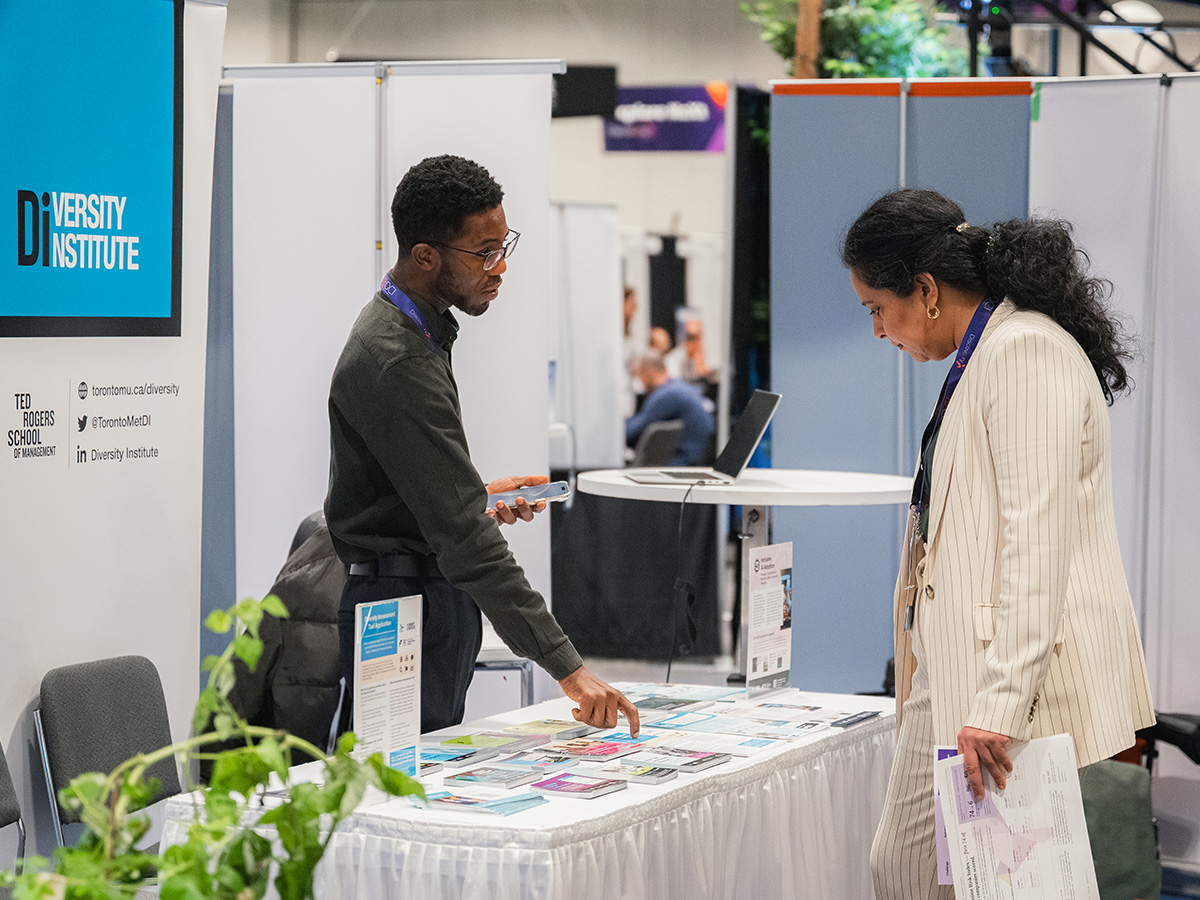
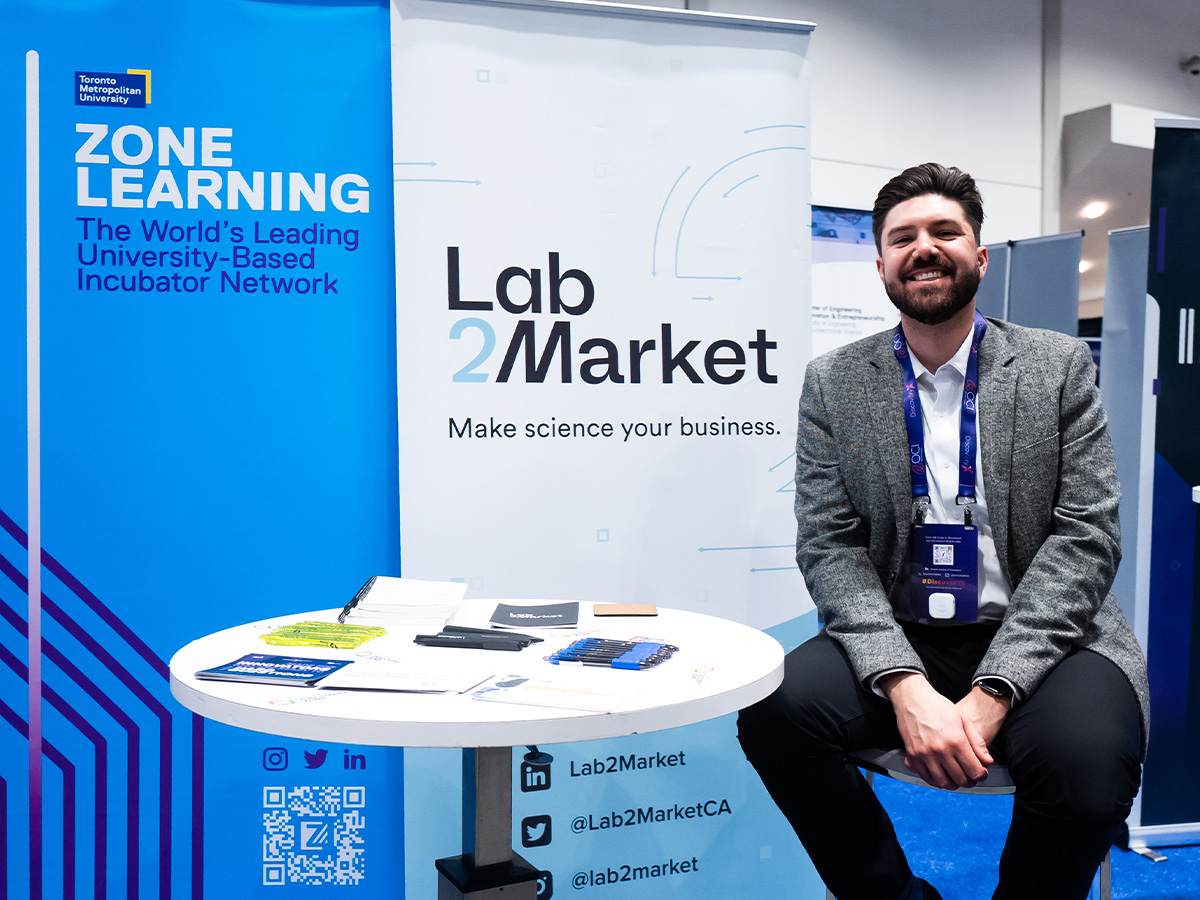
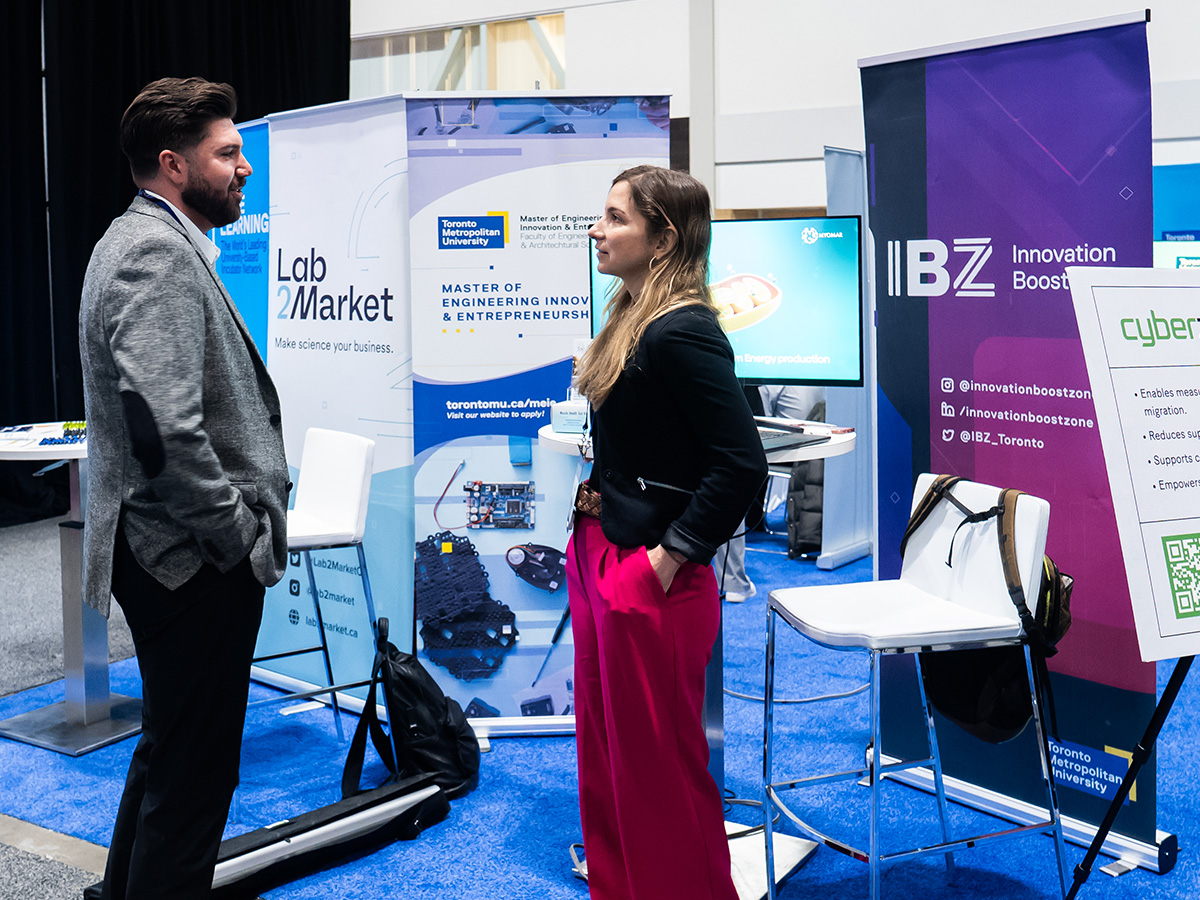
Hosted by the Ontario Centre of Innovation (OCI) on April 29 and 30 at Toronto’s Enercare Centre, the two-day event brought together researchers, entrepreneurs, investors and industry leaders for dynamic exchanges. TMU had a strong presence, with representatives from five research labs alongside the Diversity Institute, Zone Learning, Lab2Market and Rogers Cybersecure Catalyst initiatives.
Featured research
From imaging to insight: Designing AI tools to extract novel information from medical images
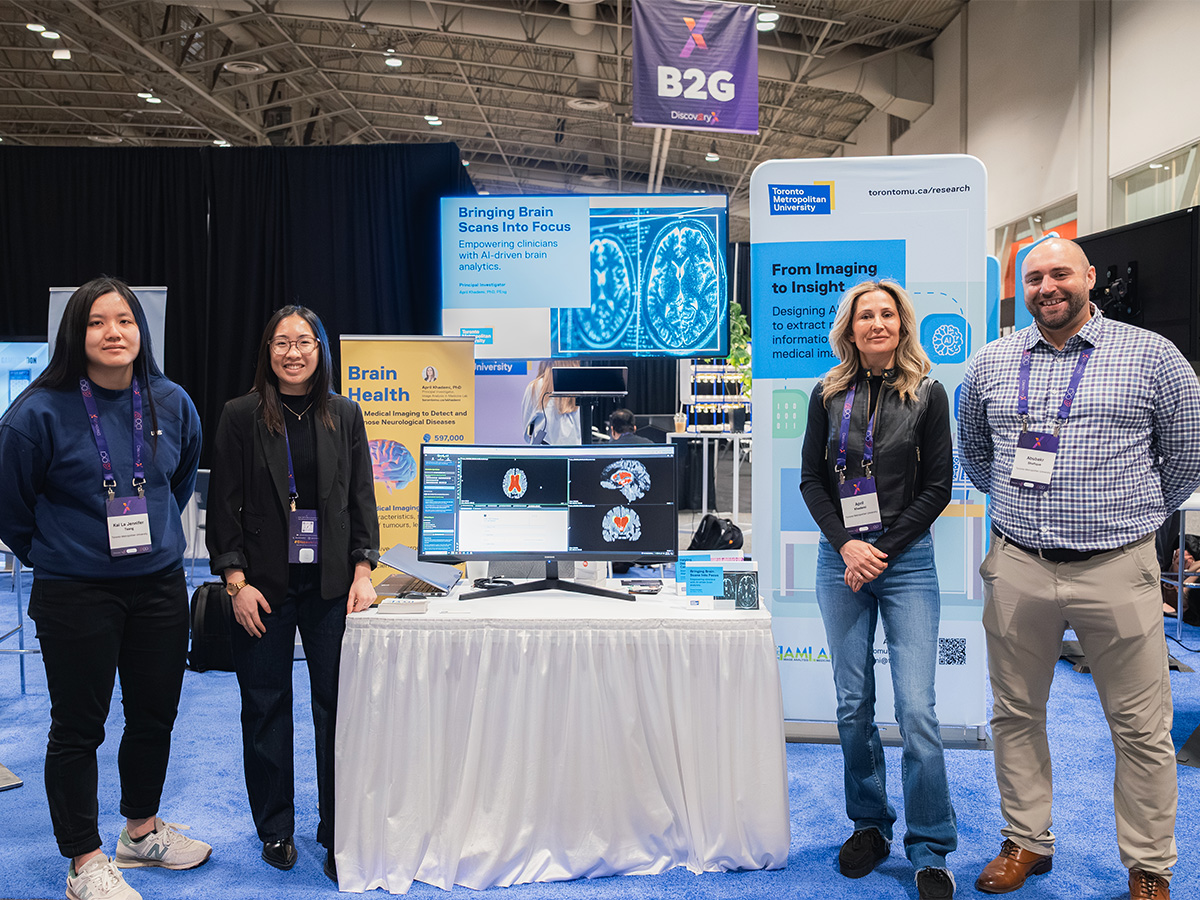
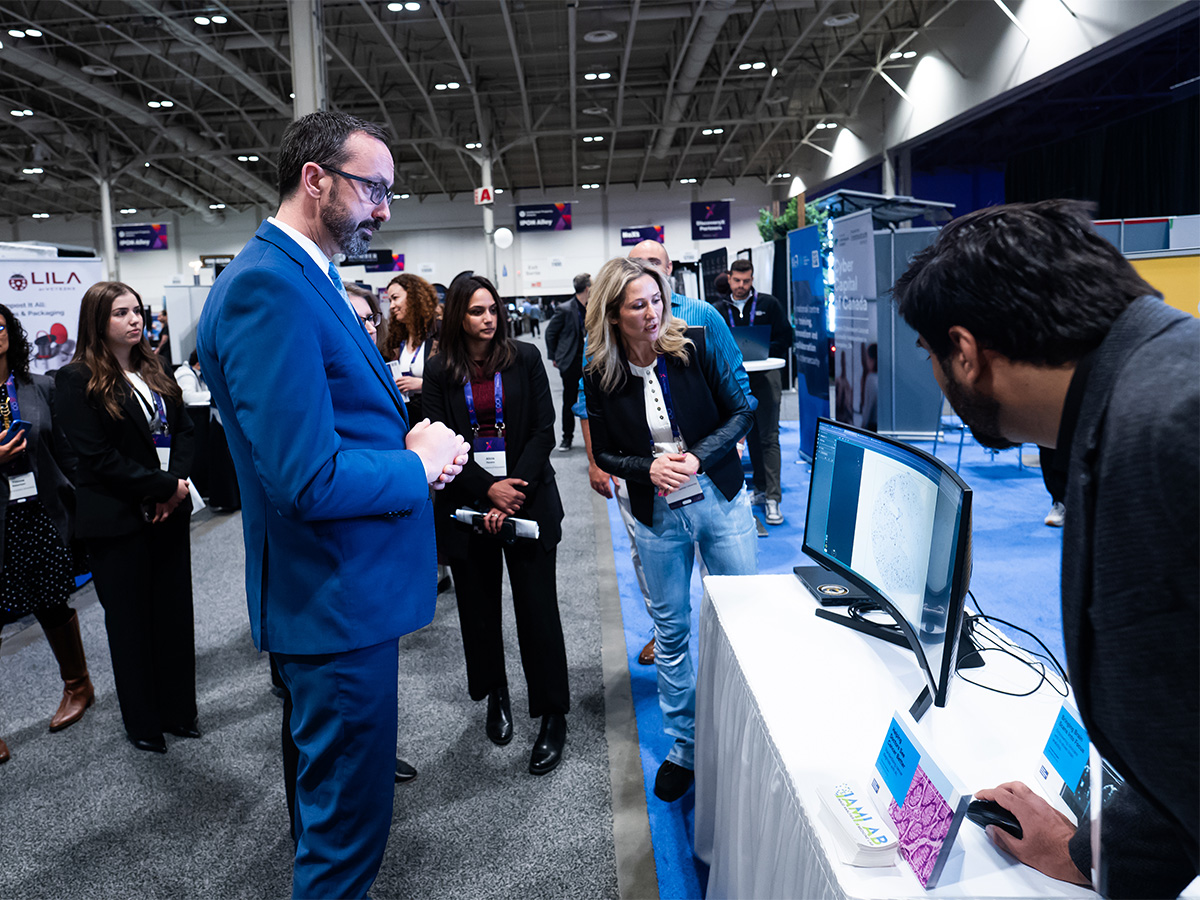
April Khademi, the Canada Research Chair in AI for Medical Imaging and principal investigator of the Image Analysis in Medicine Lab (IAMLAB), was at DiscoveryX to showcase the lab’s automated image analysis tools. These novel AI-driven systems help pathologists diagnose and grade cancers more efficiently and accurately by counting measurable indicators of disease, detecting cell division and analyzing tumour features, reducing time-consuming manual work and backlogs.
“These tools allow us to pinpoint abnormal growth, determine how aggressive a tumour is and more accurately stage cancers, including breast and colon, to support better diagnosis and treatment decisions,” said post-doctoral fellow Abubakr Shafique. The technology is being prepared for clinical deployment pending regulatory approvals and partnerships.
The IAMLAB also demonstrated their new web-based platform for analyzing MRI and CT brain scans. This AI-driven tool is designed to detect small changes in brain pathology, improving patient outcomes by helping doctors deliver faster, more accurate diagnoses.
“We’re starting our commercialization journey, and this is step one,” said post-doctoral fellow Nicholas Simard. “We’ve packaged a lot of our tools for investigating brain pathology for Alzheimer’s disease, multiple sclerosis and stroke into an interface that a radiologist can interact with.”
Helping humans out of harm’s way: Continuum robots level up
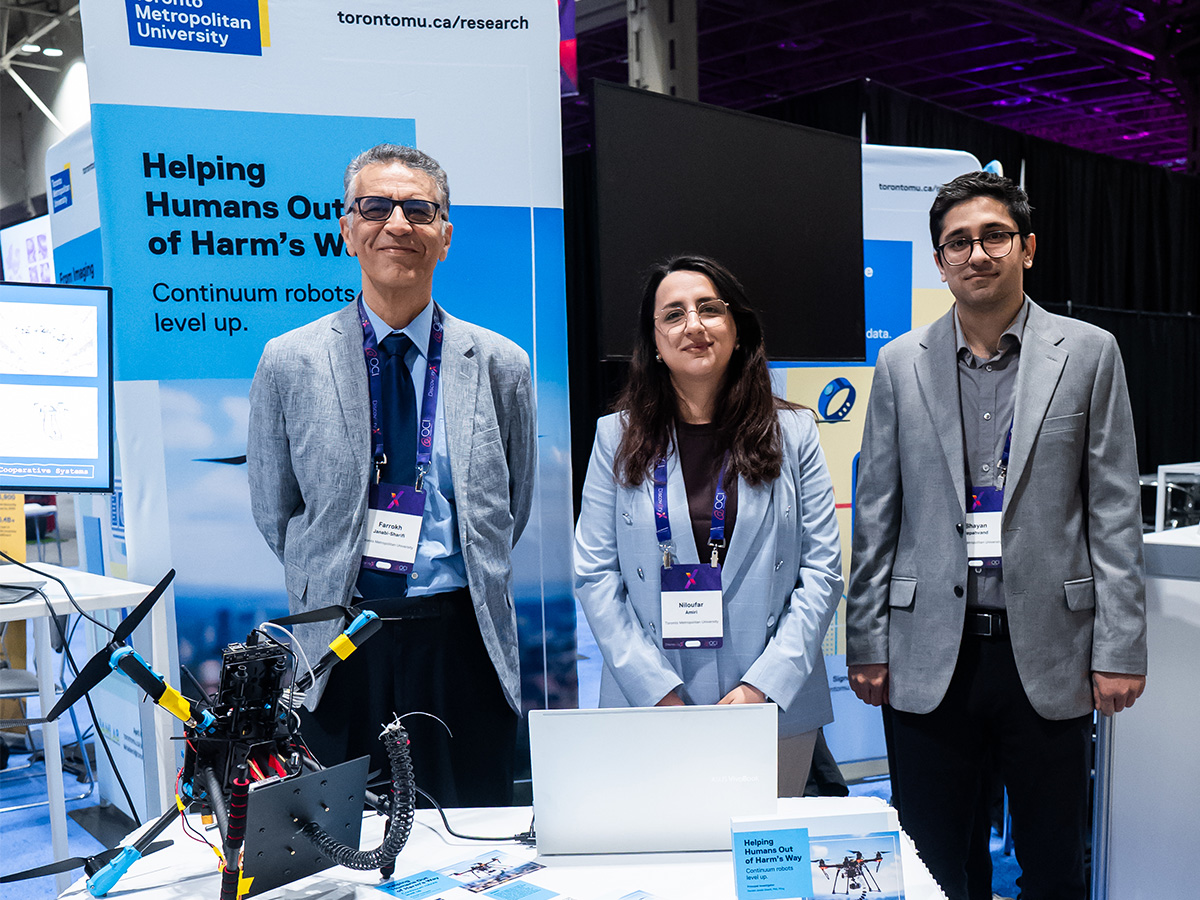
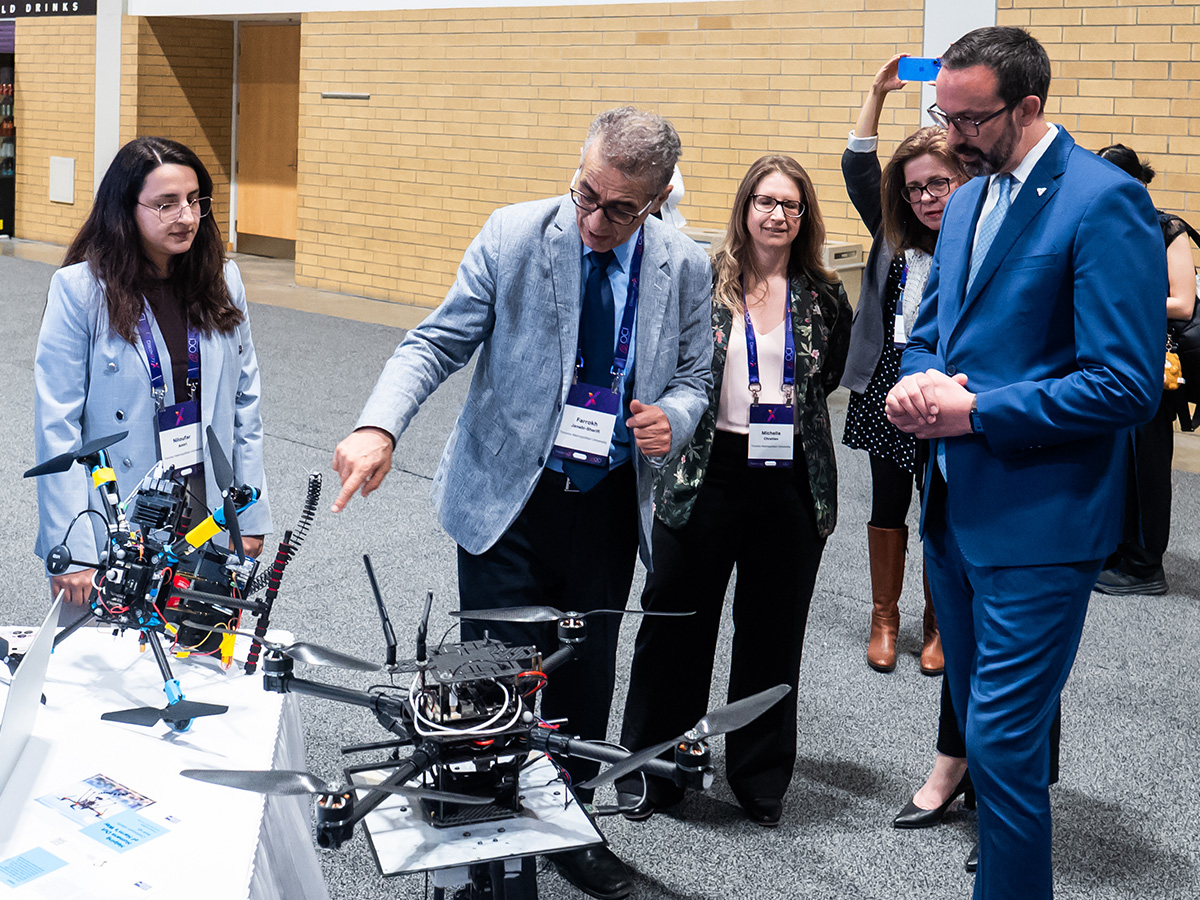
Advanced drones designed and built at TMU’s Robotics, Mechatronics, and Automation Laboratory (RMAL), led by mechanical, industrial, and mechatronics engineering professor Farrokh Janabi-Sharifi, displayed a unique characteristic at the lab’s booth. Their drones, also known as uncrewed aerial vehicles, were equipped with soft, flexible aerial continuum manipulators (ACMs) – robotic arms that can bend and move like tentacles in real time – instead of conventional rigid arms.
This innovation creates AI-controlled drones that can slip into tight spaces and safely perform complex tasks, such as inspecting power lines. Their novel design enables safe, precise interactions, potentially replacing humans in hard-to-reach and dangerous environments across sectors, including construction, agriculture, health care and infrastructure inspection, explained PhD candidate Niloufar Amiri.
The team is working to ensure these drones remain stable and reliable, especially when operating in real-world environments. “We’re developing control strategies to make these soft systems more robust against external forces like contact-induced vibrations or wind-related disturbances,” said professor Janabi-Sharifi. “We have created prototypes from scratch, designing, assembling and controlling software and hardware at all levels, so our background will be helpful for several types of projects.”
State of the heart: Better living through better data
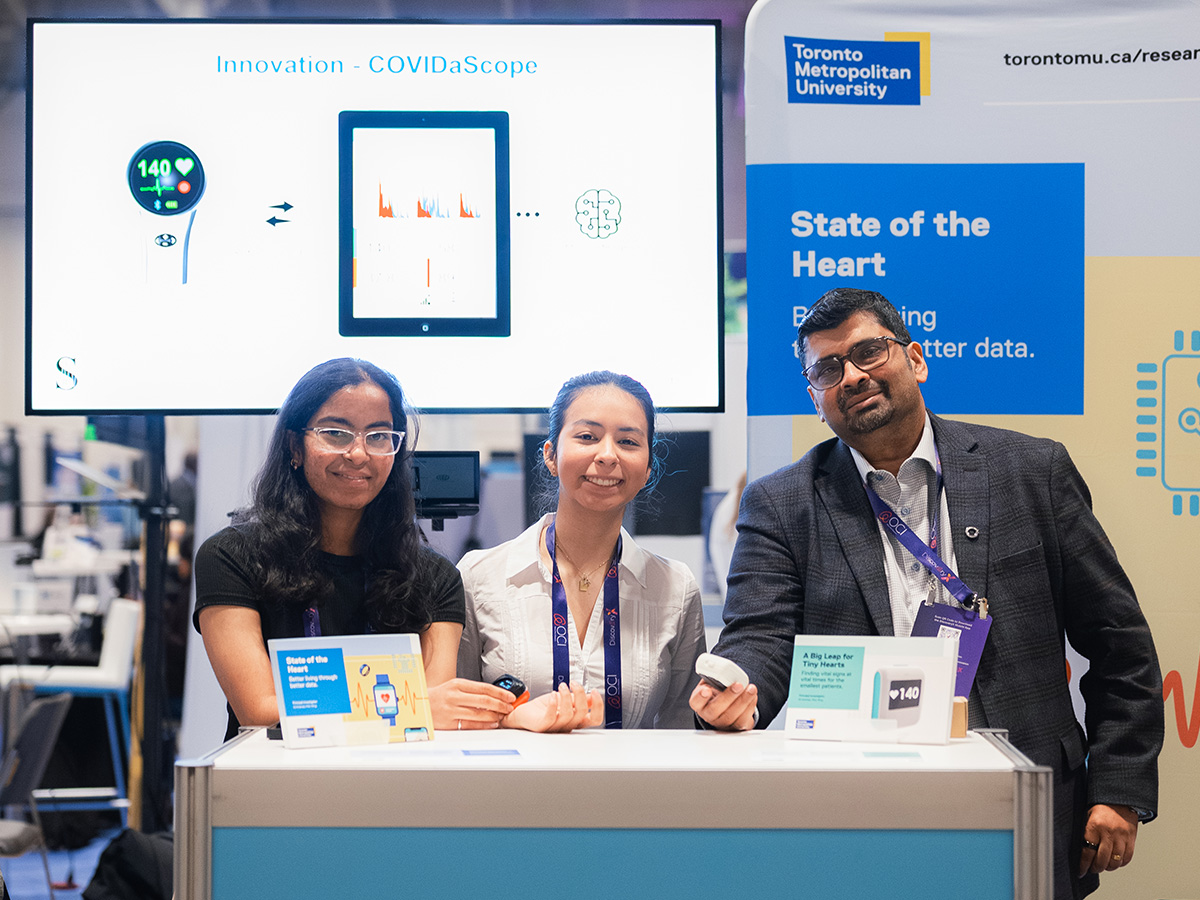
Innovation in wearable health technologies was demonstrated at the Signal Analysis Research (SAR) group’s booth, where biomedical engineering students Sravya Yammanuru and Allison Ardila helped showcase the team’s latest developments. Led by principal investigator Sri Krishnan, Dean of TMU’s Faculty of Engineering and Architectural Science, researchers at SAR develop wearable health devices by applying advanced biomedical signal processing and AI. Working with medical specialists, the lab enables more accurate, long-term monitoring of sleep, movement and health trends, supporting earlier detection and more personalized care.
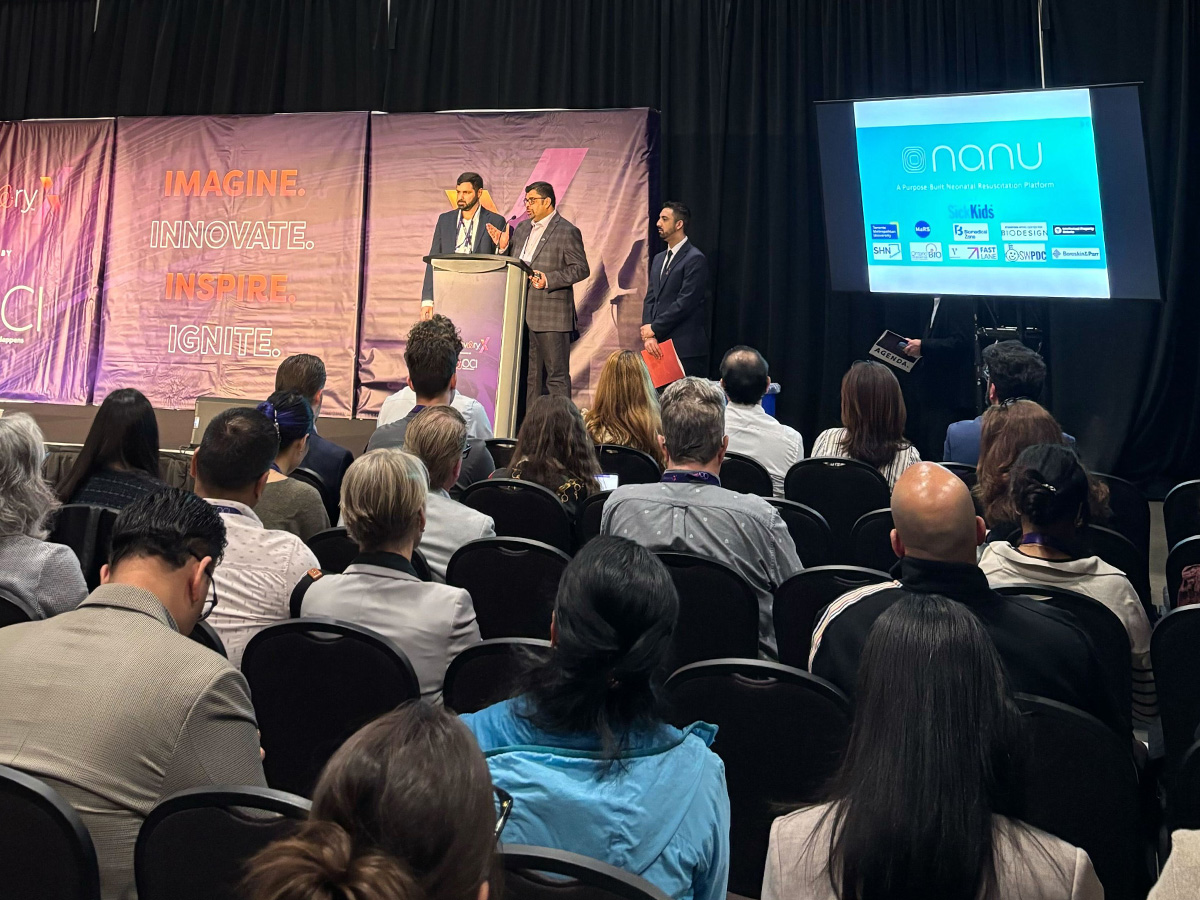
With PhD candidate Abdelrahman (Sammy) Abdou, professor Krishnan was invited to present their infant Heart Rate Monitor prototype, Nanu, in the conference’s Where NeXt Showcase pitch competition. Developed at SAR, this compact device can measure newborn heart rates within seconds during the critical “golden minute” after birth, saving valuable time in neonatal care.
“With this innovation, we are able to get the heart rate reading in 10 seconds, basically, giving back 50 seconds to the neonatal caregiver so they can take any necessary interventions,” said professor Krishnan. Clinically tested and well-received by practitioners, Nanu is moving toward regulatory approval, manufacturing and broader deployment across hospitals, clinics and remote communities.
Powering up with smart materials: Energy storage and sensing, built directly into what you wear
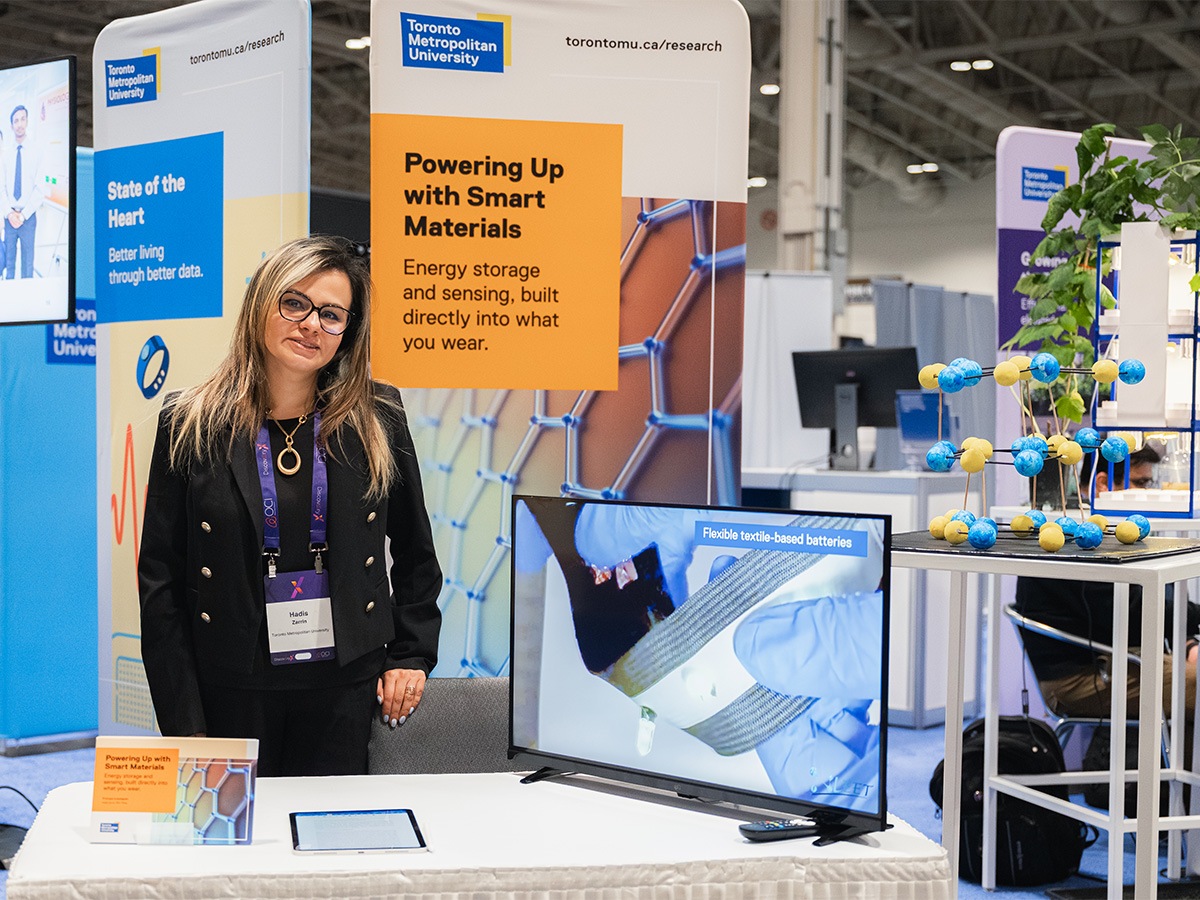
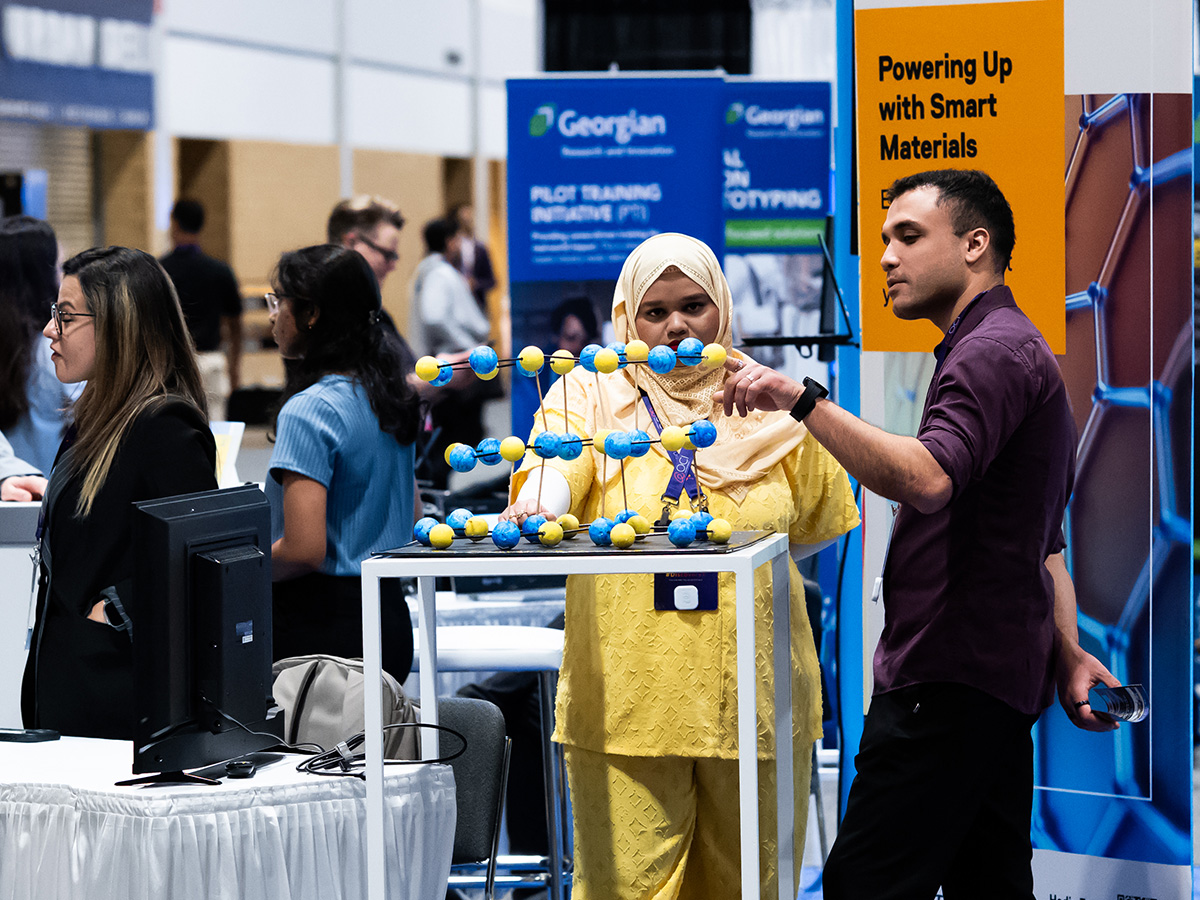
As demand for net-zero energy and digital health technologies grows, existing energy storage systems remain bulky and reliant on external charging systems, limiting their use in wearable applications. At the Nano-Engineering Laboratory for Energy and Environmental Technologies (NLEET), led by chemical engineering professor Hadis Zarrin, researchers are engineering advanced nanomaterials, such as graphene, hexagonal boron nitride, and MXene, to create flexible, self-powered wearables that integrate energy storage, harvesting and sensing.
NLEET researchers, including PhD candidates Caio Matheus and Mymonah Meraj, work at the atomic scale to enhance material properties, with one goal being to develop systems powered by light rather than traditional electricity.
By designing new materials and scaling their production, the team is creating lightweight, durable and low-maintenance wearables that reduce reliance on batteries. With features like self-repair, water resistance and fire retardancy, these innovations support cleaner technologies and more accessible health monitoring for everyday use.
“Events like DiscoveryX are about connecting with other innovators, sparking collaborations and sharing ideas,” said professor Zarrin. “I think being here is a win-win situation, where we demonstrate how we can contribute to industry and, in turn, they help us to expand our research in new and meaningful ways.”
Growing for the future: Efficient farming, elevated
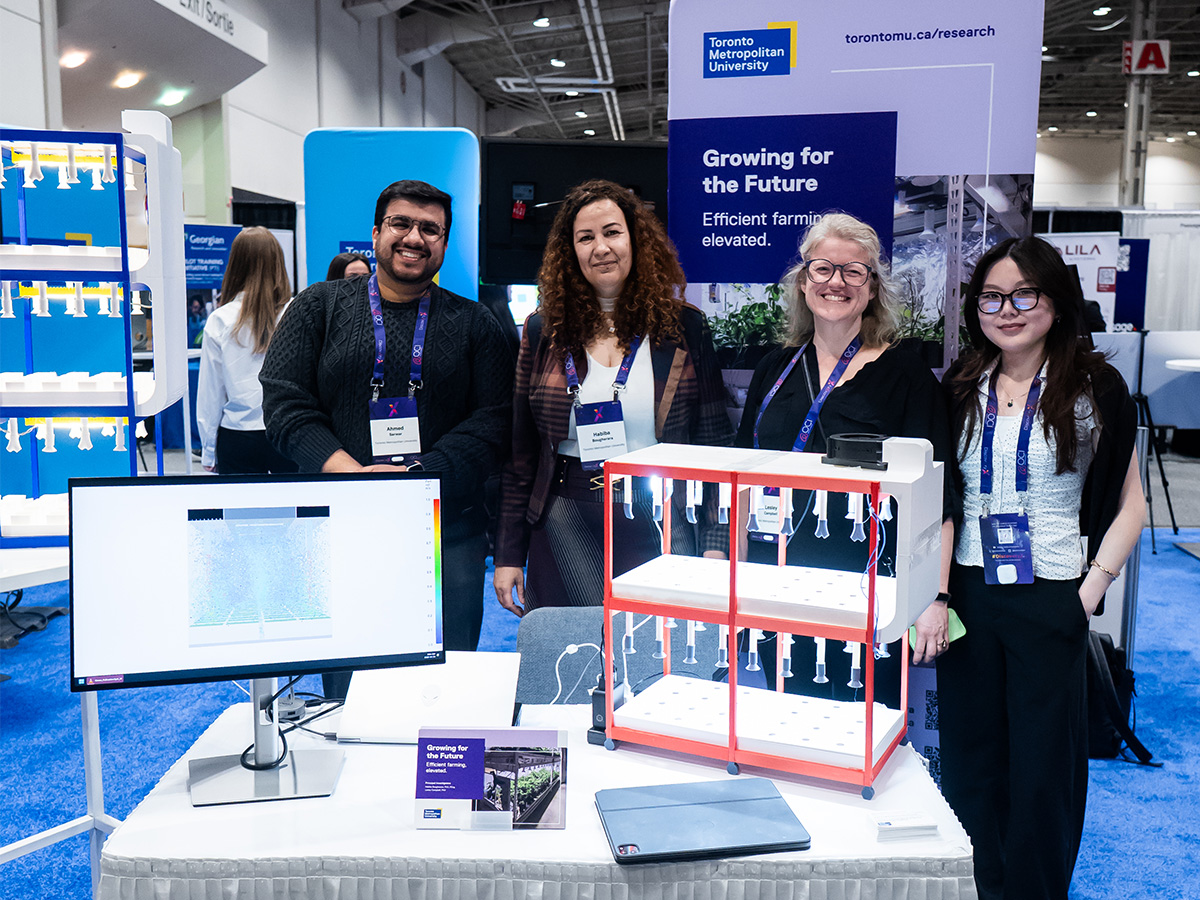
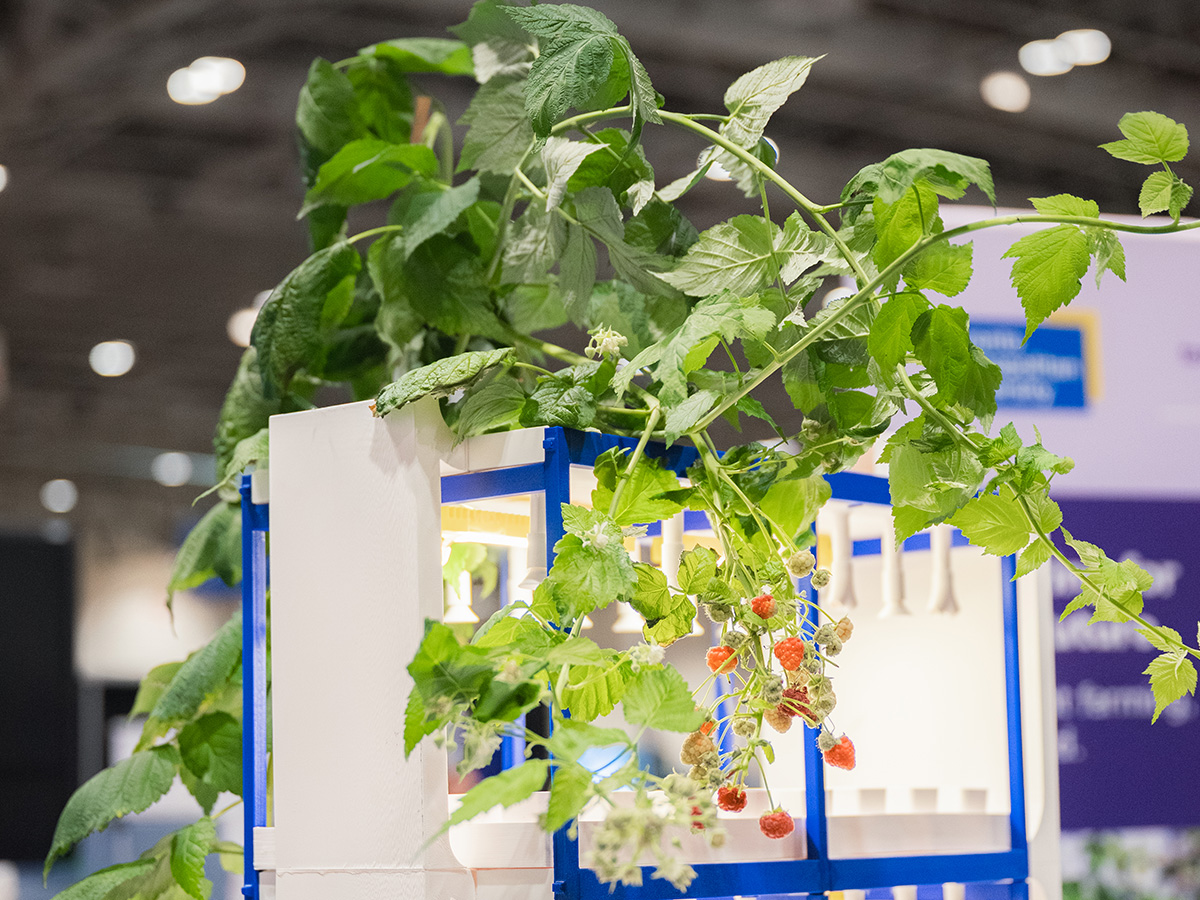
In recent months, geopolitical concerns have driven up prices and elevated the importance of food security. The revolutionary vertical farming system developed by mechanical, industrial, and mechatronics engineering professor Habiba Bougherara and chemistry and biology professor Lesley Campbell represents a potential solution to these concerns. Their ‘MoFarm’ uses innovative nozzles to control airflow and humidity, allowing autonomous, consistent pollination and defying Canada’s brief outdoor growing season by permitting year-round, indoor production of fresh fruit.
“The price of fresh fruits and vegetables has risen considerably,” professor Bougherara said. “Our bee-free pollination system maximizes vertical growing space and boosts crop yields, enabling more fresh food to be produced locally in Canada while reducing reliance on long-distance transportation and lowering overall emissions.”
Last June, professors Campbell and Bougherara won a $5 million grant from the Weston Family Foundation’s Homegrown Innovation Challenge to scale this research. What began on the TMU campus is now expanding into an industrial-sized pilot farm, with the first planting expected in July.
“The next step towards commercialization is demonstrating a return on investment to farmers,” professor Campbell said. “We need to show they could actually have it function in a real space.”
Learn more:
Visit the Robotics, Mechatronics, and Automation Laboratory (RMAL) website to learn more.
Visit the Image Analysis in Medicine Lab (IAMLAB) website to learn more.
Visit the Signal Analysis Research Group website to learn more. (opens in new window)
Related links:
From underdogs to innovators: TMU researchers awarded $5 million for revolutionary food production