Earth Day 2026: From clean water to climate resilience, TMU researchers are making a difference
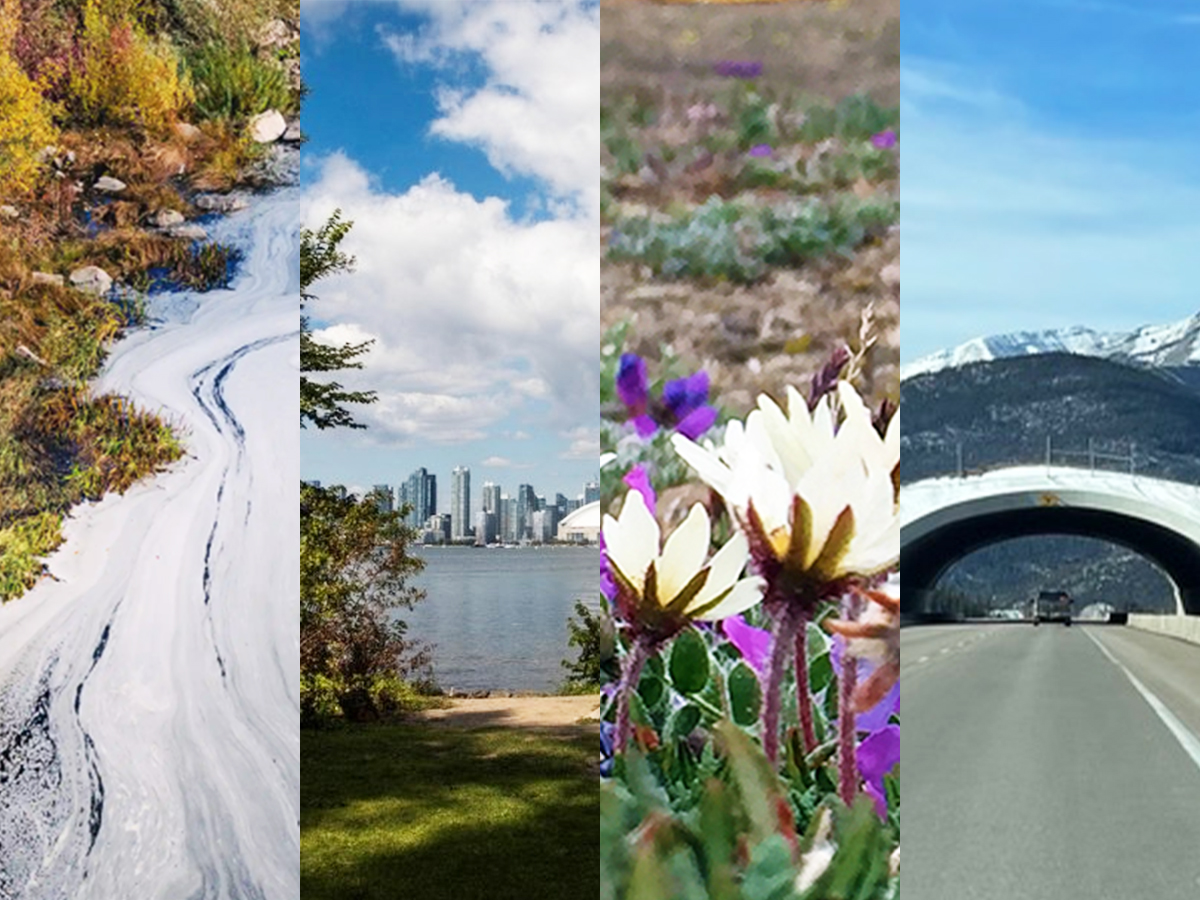
This Earth Day, discover how Toronto Metropolitan University (TMU) researchers are tackling urgent environmental issues. From improving water quality to designing more sustainable cities to building climate resilience, their work is leading to real solutions for healthier communities and a greener future.
Impactful clean water action across the university
TMU is ranked 78th globally in the 2025 Times Higher Education Impact Rankings for its clean water action. Across the university, researchers, students and community partners are collaborating to protect water sources and increase access to clean drinking water. Read about how TMU is tackling the global water crisis.
Using digital twins to decarbonize cities
Researchers in engineering, urban planning and computer science are using digital twins to design more sustainable cities. Their work helps reduce buildings’ greenhouse gas emissions and energy use and finds answers to housing challenges. Read about TMU’s digital twins research blueprint (external link) .
Exploring how space technology can support environmental health
Climate change is worsening air quality and increasing the frequency of extreme weather events. Dr. Farhan Asrar, associate dean, clinical faculty relations at TMU’s School of Medicine, is investigating how space technology can monitor environmental change, promote sustainable policies and strengthen climate resilience. Read about Dr. Asrar’s research in the space sector addressing climate change.
Transforming sustainable farming with a self-pollinating growing system
Vertical farming provides a sustainable way to grow certain types of food, especially when key processes are optimized. Engineering and science professors Habiba Bougherara and Lesley Campbell have developed a system that enables reliable pollination without insects or manual labour, improving crop consistency and reducing resource demands. Read about professors Bougherara and Campbell’s self-pollinating berry growing system.
Creating sustainable building materials by working at the intersection of human technology and natural systems
Conventional building materials can generate high carbon emissions, deplete non-renewable resources, destroy habitats and contribute to waste and pollution. TMU architecture graduate student Raya Allataifei is developing mushroom-based materials as lower-impact and regenerative alternatives to traditional construction materials. Read about Allataifei’s living building materials.
Restoring ecosystems and reconnecting fragmented habitats
Highways and urban sprawl disrupt animal movement and migration by severing critical ecological corridors. Urban planning professor Nina-Marie Lister studies and advises on the design of safe wildlife passages across North America, helping restore connectivity and support ecosystem resilience. Read about professor Lister’s wildlife crossings.
Mapping and predicting climate change impacts in Northern Canada and the Arctic
For more than 20 years, geography and environmental studies professor Dave Atkinson and his team have led research on Inuit lands in Northern Canada with permission. Their long-term monitoring provides critical data for understanding climate patterns and informing global climate policy. Read about professor Atkinson’s mapping of climate change in Canada’s north.
Keeping water sources free of synthetic chemicals
Protecting water from persistent, elusive “forever chemicals” remains a major challenge, as most conventional wastewater treatment systems can’t remove them effectively. Research led by civil engineering professor Rania Hamza explores the use of aerobic granular sludge (AGS), an innovative wastewater treatment process that removes pollutants quickly and efficiently. Read about professor Hamza’s solution to forever chemicals in wastewater.