TMU joins global WHO network to advance disability and health equity
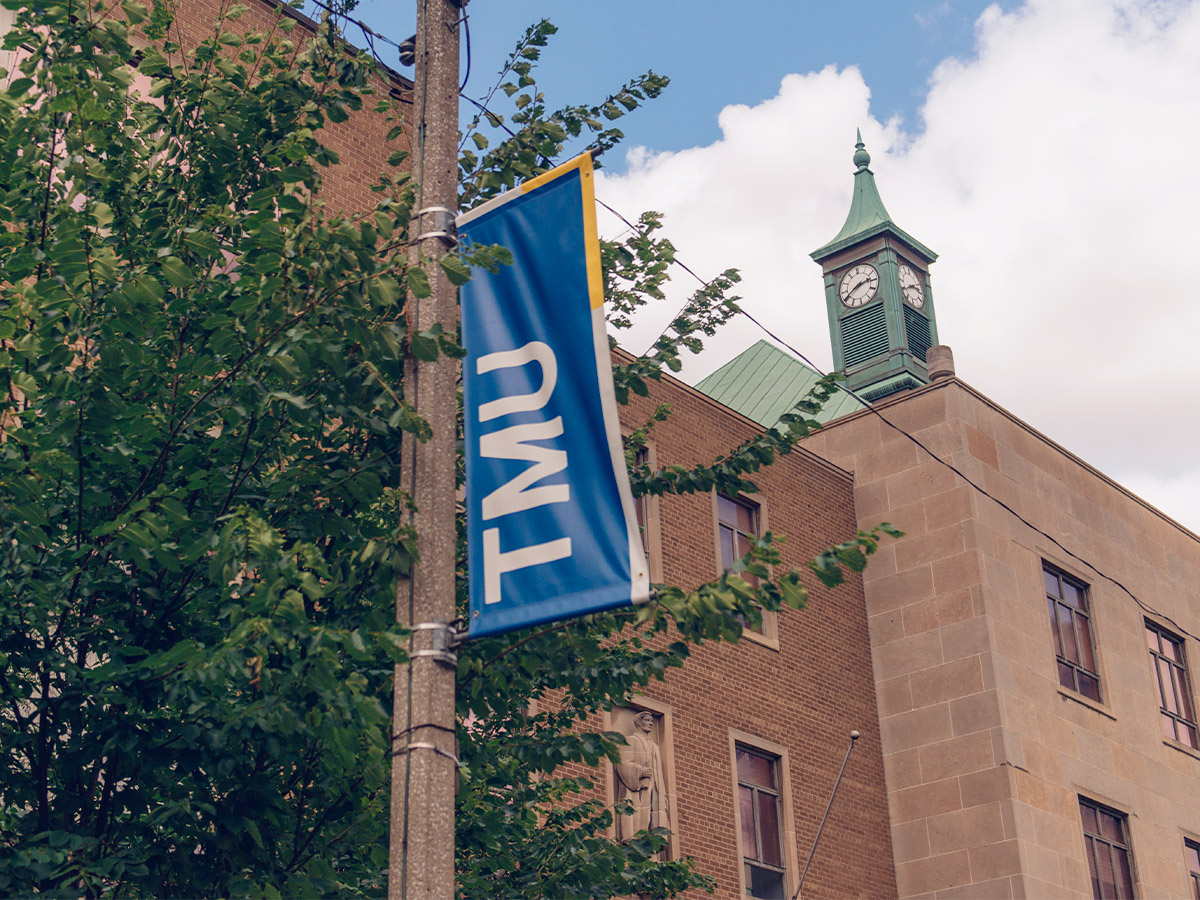
Toronto Metropolitan University (TMU) has been accepted as a new member of the World Health Organization’s (WHO) Disability Health Equity Network.
Launched in June 2025, the WHO Disability Health Equity Network is a global effort to close avoidable health gaps between people with disabilities and the general population. It focuses on leadership by persons with disabilities, political prioritization, inclusive health systems and strengthening data. Led by Karen Soldatic, the Canada Excellence Research Chair in Health Equity and Community Wellbeing (CERC HECW) and professor in the School of Disability Studies at TMU, the membership secures the university as one of only three Canadian research organizations in the network.
“Congratulations to professor Karen Soldatic for securing this prestigious membership to the WHO Disability Health Equity Network for TMU,” said Steven N. Liss, TMU’s vice-president, research and innovation. “This honour recognizes TMU’s proven track record in delivering innovative and transformative research that addresses health inequities and contributes to a more inclusive, thriving society where all Canadians can achieve their best possible health and well-being.”
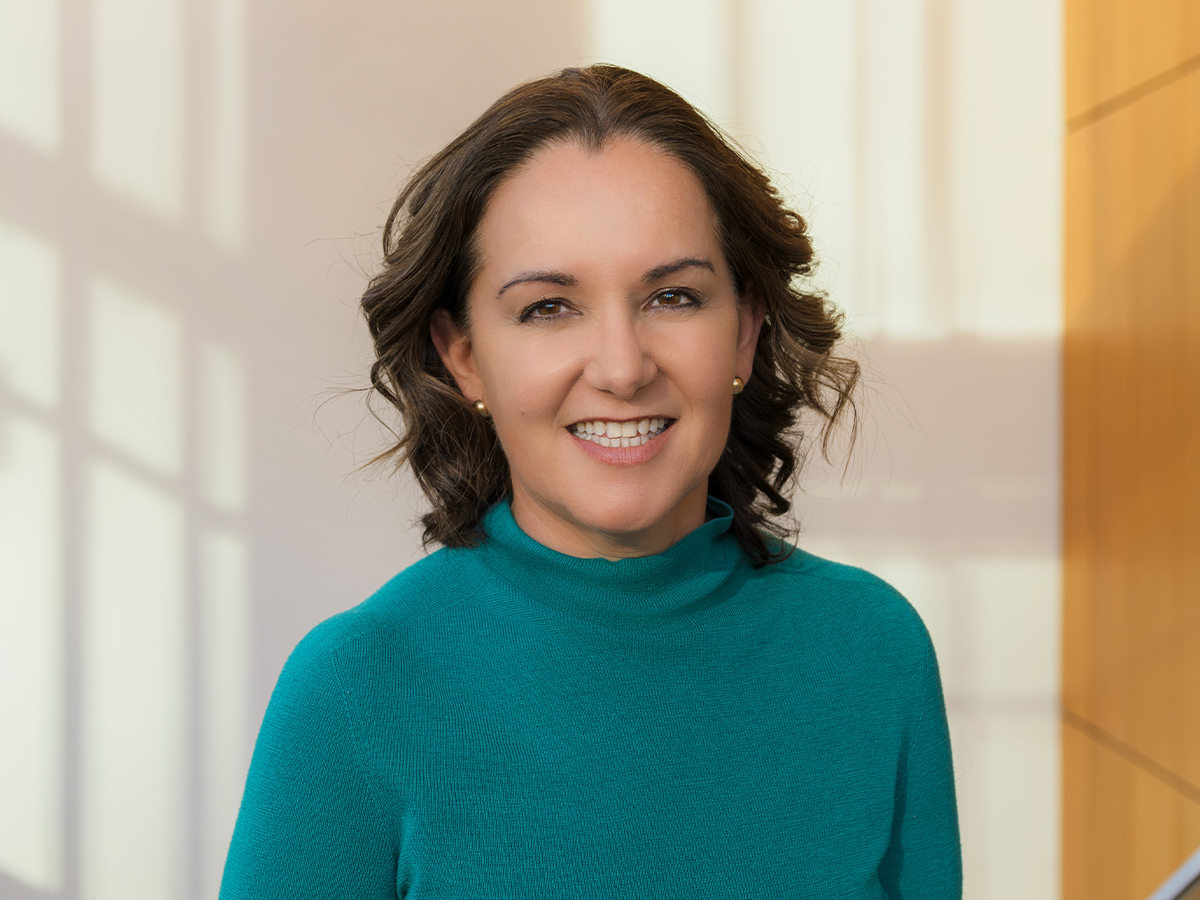
Karen Soldatic, TMU’s CERC in Health Equity and Community Wellbeing, leads this critical new initiative to help shape global disability health equity
As a member of this WHO network, TMU aims to contribute to the global knowledge base on disability and health equity while deepening its work in these areas in Canada and abroad. This work includes advancing research in partnership with disability communities worldwide and learning from international experts and best practices. TMU also seeks to strengthen collaboration with leading researchers, policymakers and disability advocates to promote disability-inclusive public health and co-develop practical frameworks and tools that help dismantle systemic barriers and improve health equity for disabled people globally.
“As a program committed to disability intersectional health equity, we see our membership as a critical pathway to extend the reach and impact of our work, contributing to the WHO’s disability and health equity global agenda,” said professor Soldatic.
The CERC HECW is an $8M, eight-year investment that leads interdisciplinary, community-based participatory research in partnerships with disability, Indigenous, migrant and LGBTQI+ communities. The program aims to reimagine how health systems are designed and delivered by creating community-driven solutions that improve equity and well-being. It also aims to generate evidence-based models that can be scaled across Canada and globally to improve the health and well-being of persons with disabilities from marginalized communities.
Learn more about the CERC in Health Equity and Community Wellbeing at TMU.