SRC Integrity Day offers engaging lessons on fostering a culture of research integrity at TMU
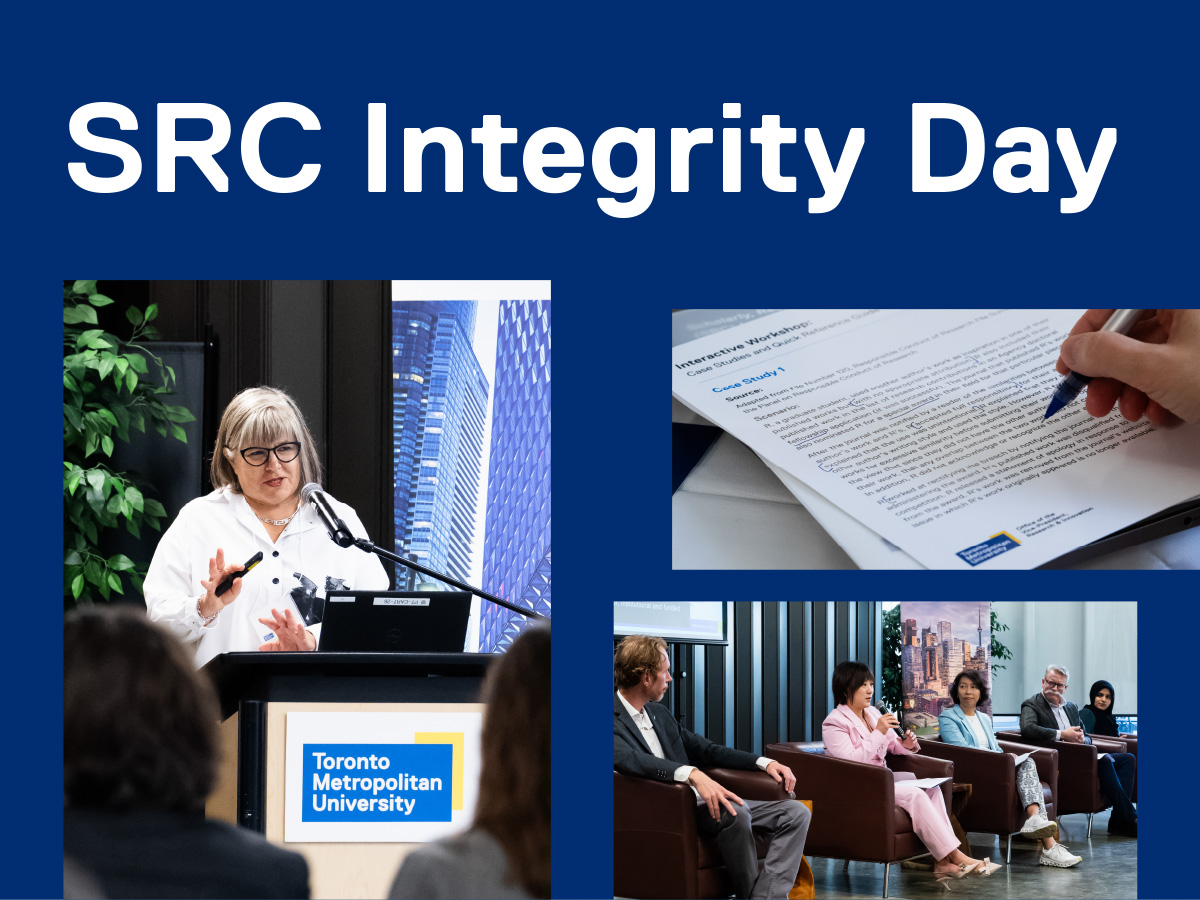
Photo credit: Bard Azima, Livingface Photography
When scholarly, research and creative activities are undertaken with integrity, they can be trusted to deliver accurate, credible results. By fostering a culture of integrity around research practices and incorporating good habits into their work, researchers help create an environment that safeguards public faith in their discoveries and achievements.
The importance of maintaining integrity at every stage of the research process, from inception to execution, was the focus of Toronto Metropolitan University (TMU)’s recent Scholarly, Research and Creative (SRC) Integrity Day.
The event attracted faculty, staff and students from across the TMU community for an engaging and interactive day of learning. Through informative panel discussions, case studies and role-playing exercises, SRC Integrity Day sought to demonstrate how integrity is foundational to excellence in research activities and overall trust in the outcomes.
“Research integrity involves every member of a research team,” said Naomi Adelson, associate vice-president, research and innovation, in her opening remarks. “It involves students and their professional development, it involves journal editors and reviewers, it involves granting agencies as well as other universities and organizations, and it ultimately involves all members of society who benefit from the advances and innovations that emerge.”
The event’s key topics included navigating conflicts of interest, avoiding self-plagiarism and emerging challenges such as artificial intelligence. Attendees also heard about the foundations of research integrity, as well as TMU’s related resources and policies.
“Seeing the significant interest across the university and different parts of the institution interested in this area reflects the maturation of the university,” said Steven N. Liss, TMU’s vice-president, research and innovation, in his morning presentation. “What’s important for us is ensuring that we have adequate avenues to be able to educate and inform.”
Three new eLearning modules for learners at any stage
A valuable resource for new graduate students and veteran faculty members alike is TMU’s seven Research Integrity eLearning modules. These self-guided, online modules are intended to support a culture of research integrity across TMU by informing the research community of best practices regarding integrity.
The first four modules examine integrity at different stages of the research process. Each of the three new modules explores a different theme: conflicts of interest, graduate supervision and artificial intelligence (AI).
The implications of re-using content in research
Cary Moskovitz, director of the Text Recycling Research Project (external link, opens in new window) at Duke University, delivered the feature presentation, “Text Recycling {aka Self-Plagiarism} What Researchers Need to Know.”
While acknowledging the risks of self-plagiarism, professor Moskovitz said it should be appropriate for researchers to “recycle” brief passages of their own text from previous publications in future work, especially when consistency of language helps with accuracy of communication.
“Researchers need to re-use stuff that they published before,” Moskovitz said. “It’s just part of what we need to do sometimes. If what you’re doing follows reasonable ethical guidelines and you’re re-using your own work, you can do it.”
Handling a conflict of interest
The presentation on conflict of interest was given by professor Chris MacDonald of the Ted Rogers School of Business Management and professor Nancy Walton, associate dean, student affairs, at the Yeates School of Graduate and Postdoctoral Studies.
In an entertaining talk, the duo explained how conflict of interest is not an accusation, but rather a situation we may find ourselves in. They offered strategies to deal with any such scenario, such as disclosing the conflict and managing it as needed, possibly by removing yourself from the situation.
Looking beyond the horizon
In a wide-ranging fireside chat with professor Adelson that concluded the event, Vice-President Liss explained what happens when an allegation of a research integrity breach occurs and addressed indicators of success in research integrity at TMU.
He ended by acknowledging the ever-evolving nature of challenges to research integrity, particularly those driven by new technologies. “The key thing is to be at that precipice, looking beyond the horizon. We’ve been spending a lot of time catching up. My view is to be ahead of the curve so that we can be not just anticipating but instructing and leading on matters related to integrity.”
TMU’s SRC Integrity Day event was supported by an Education and Training Support grant from The Secretariat on Responsible Conduct of Research (SRCR). Further support was provided by the Panel on Research Ethics (PRE), the Panel on Responsible Conduct of Research (PRCR), the Canadian Institutes of Health Research (CIHR), the Social Sciences and Humanities Research Council (SSHRC) and the Natural Sciences and Engineering Research Council of Canada (NSERC).
Access the SRC Integrity eLearning Modules to learn more (opens in new window) .
Learn more about Scholarly, Research and Creative (SRC) Integrity at TMU.
Read TMU Senate Policy 118: Scholarly, Research and Creative Activity (SRC) Integrity Policy
If you have questions about SRC Integrity or would like to be notified about similar events in the future, please email srcintegrity@torontomu.ca.
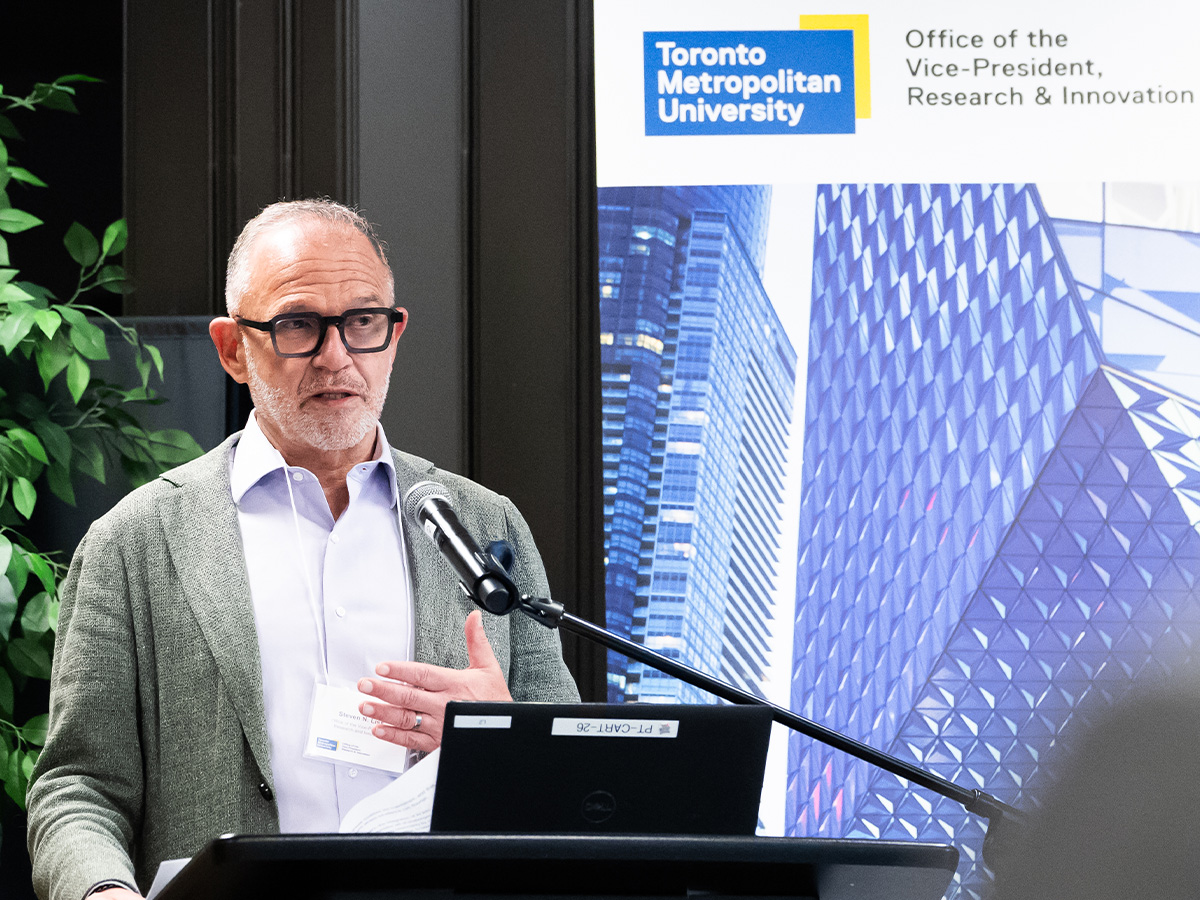
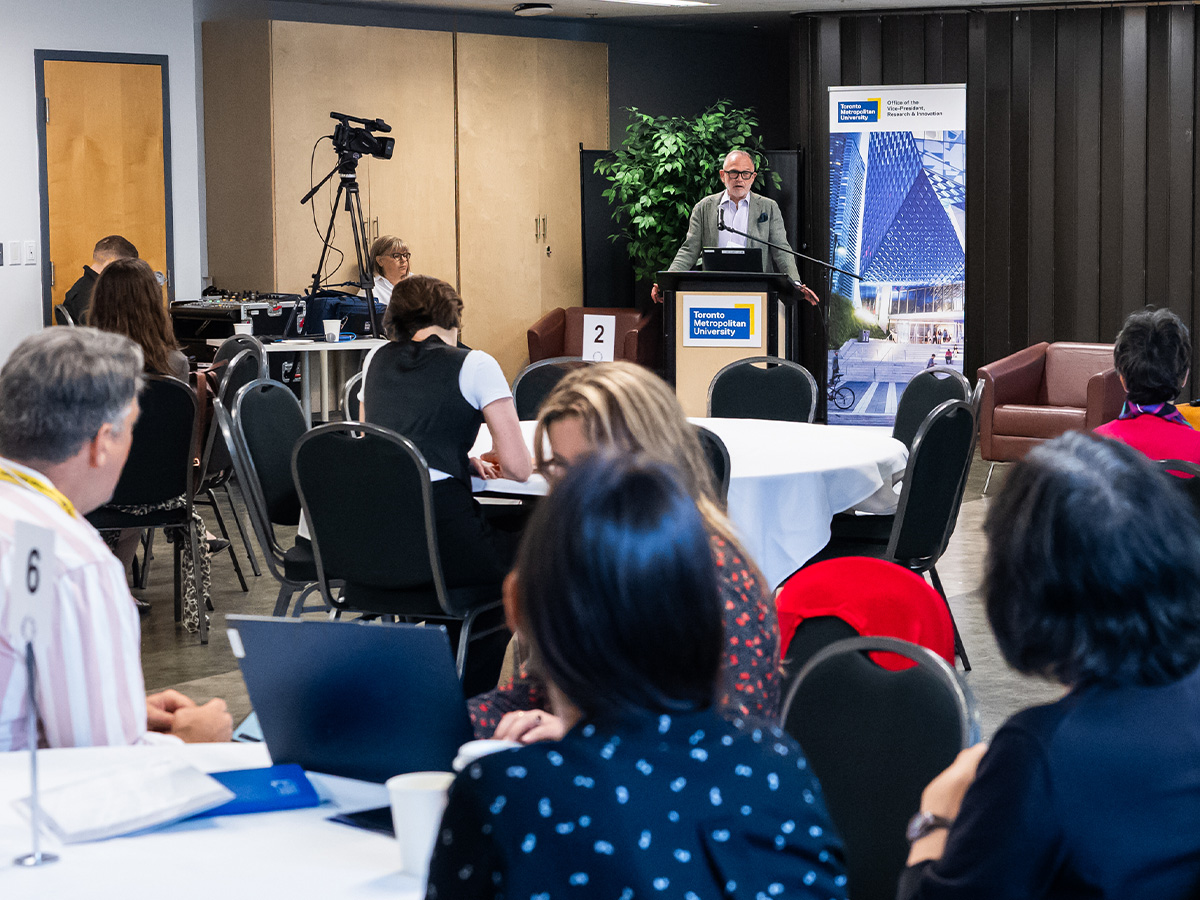
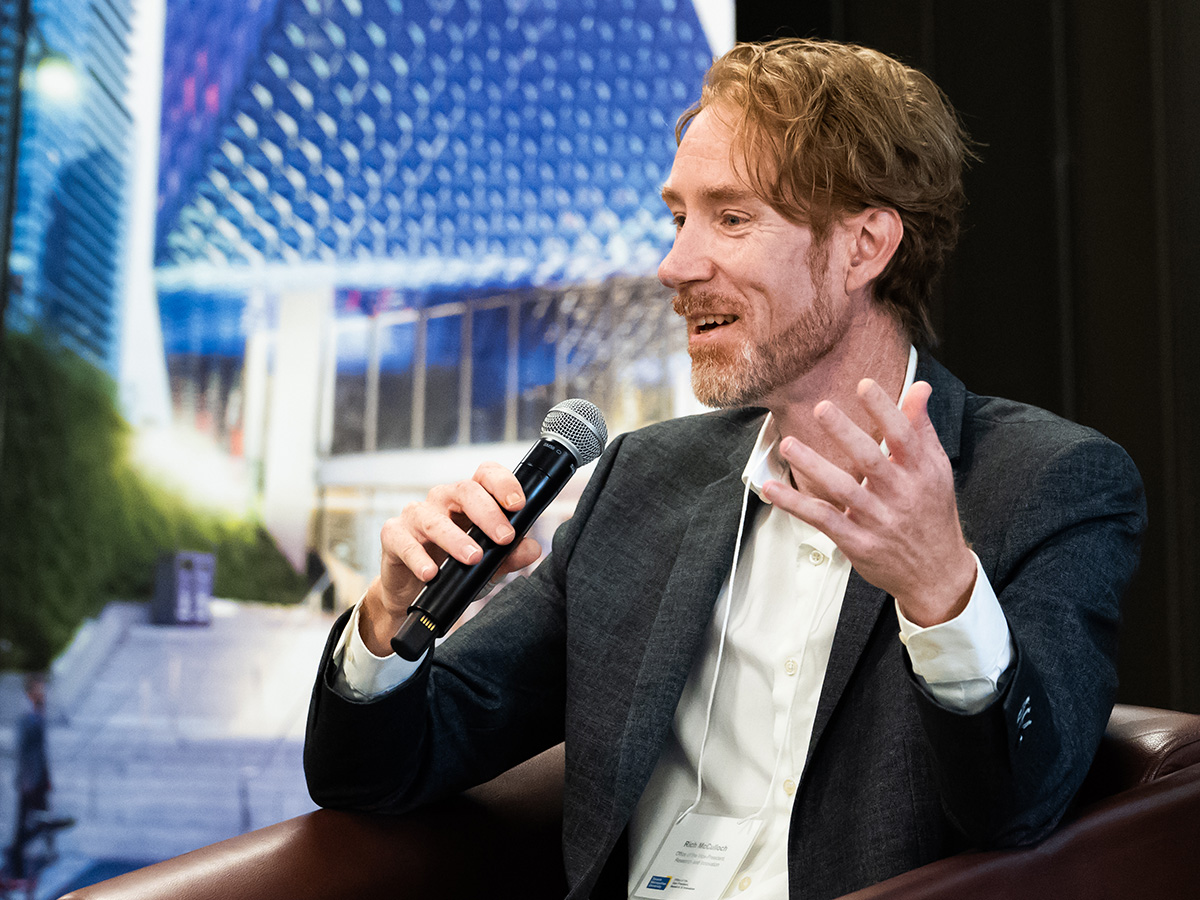
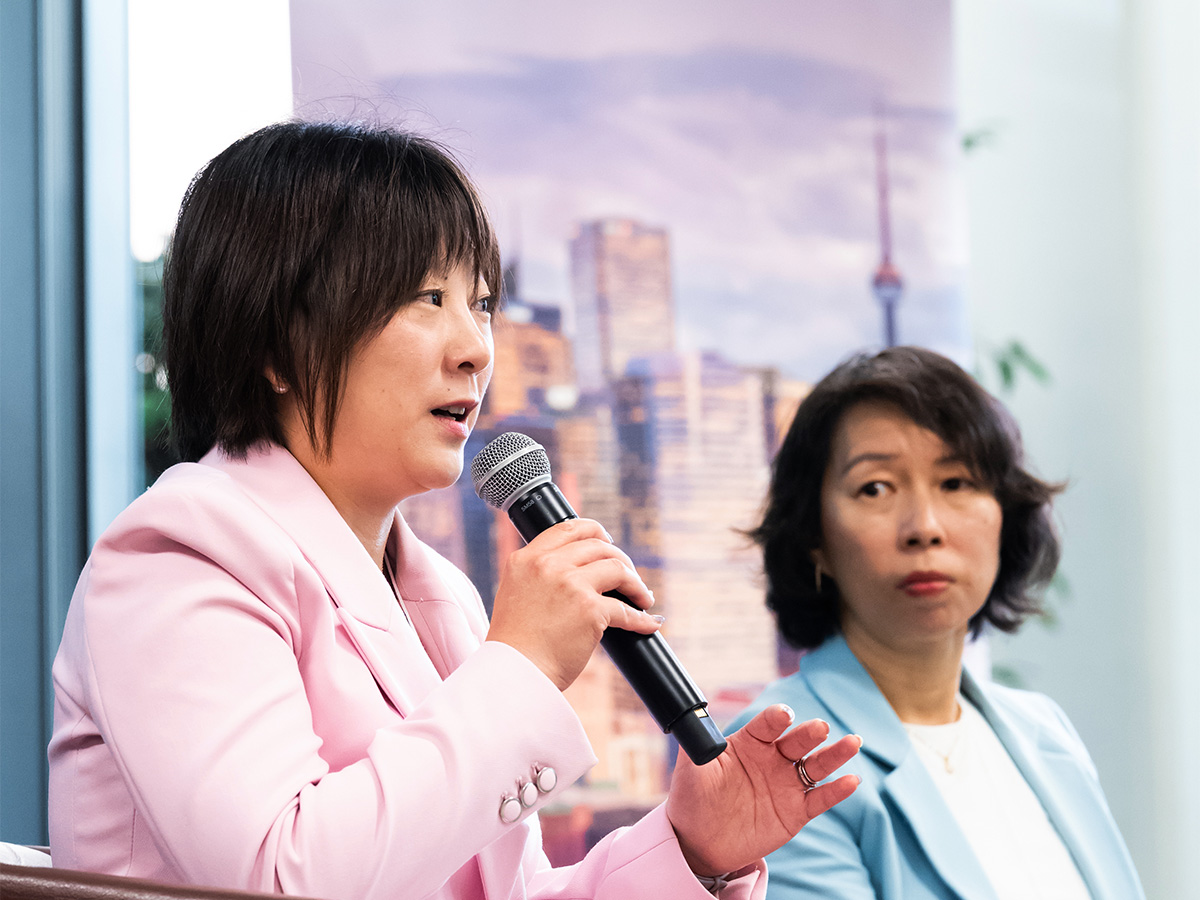
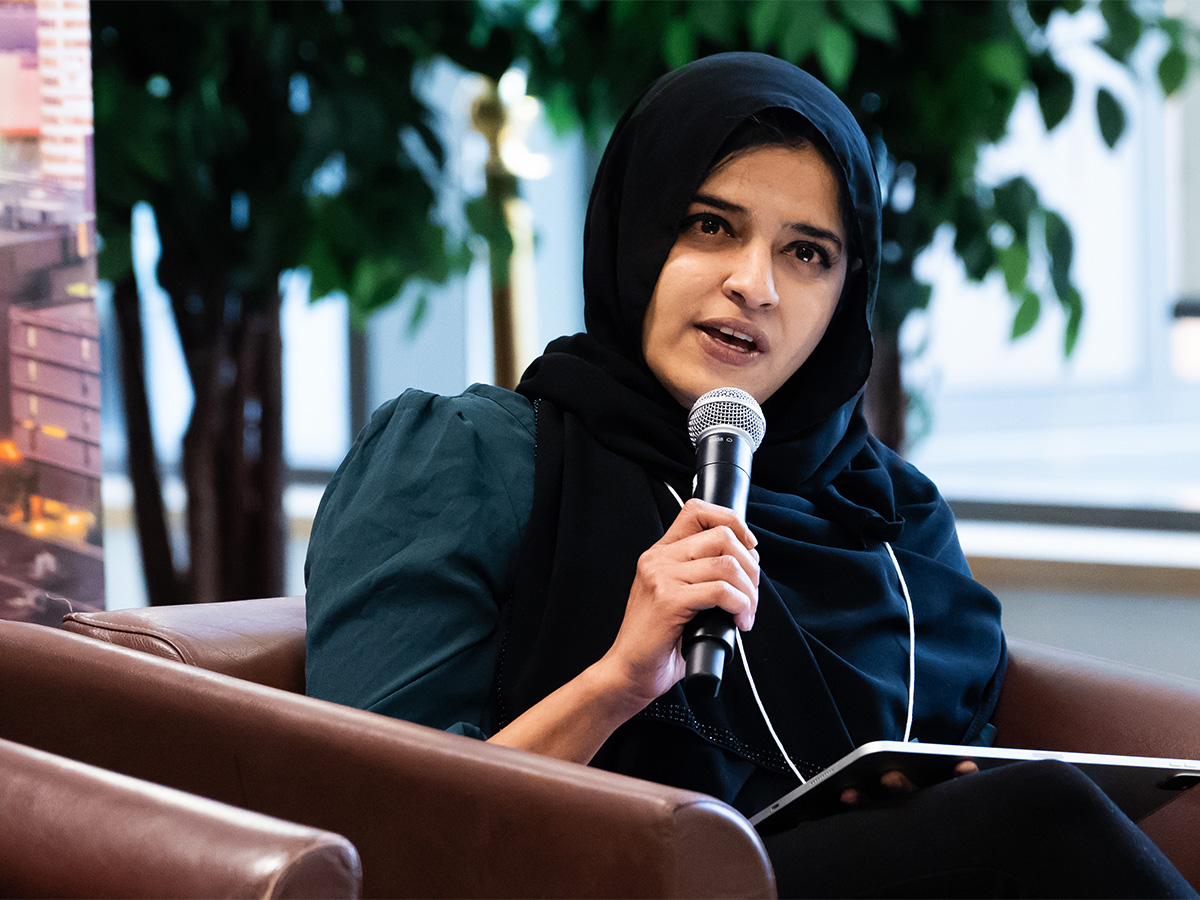
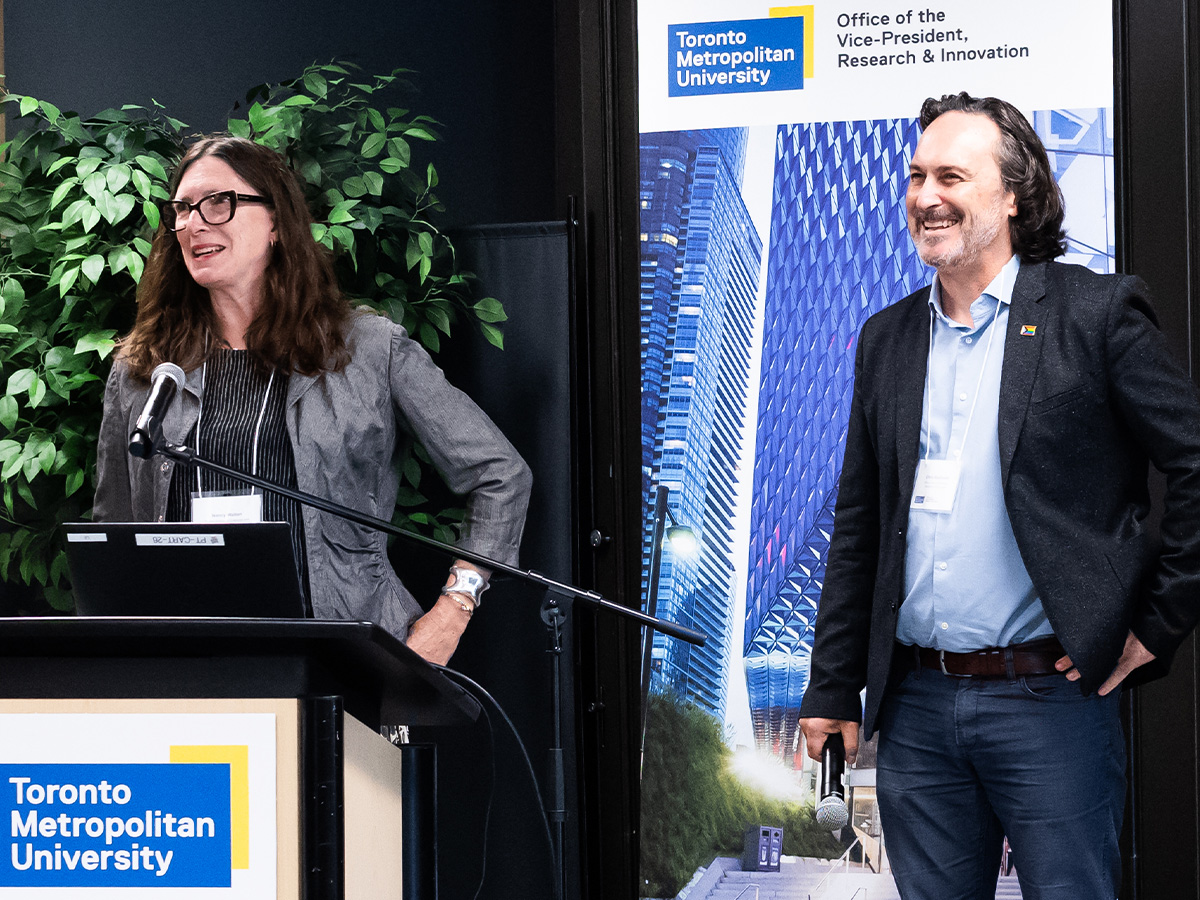
A slideshow shows speakers and attendees at the SRC Integrity Day event on September 29, 2025.
Photo credit: Bard Azima, Livingface Photography