MArch Student’s Research on Philippine Architecture Earns ARCC Best Student Paper Award and Presentation at ACSA Conference
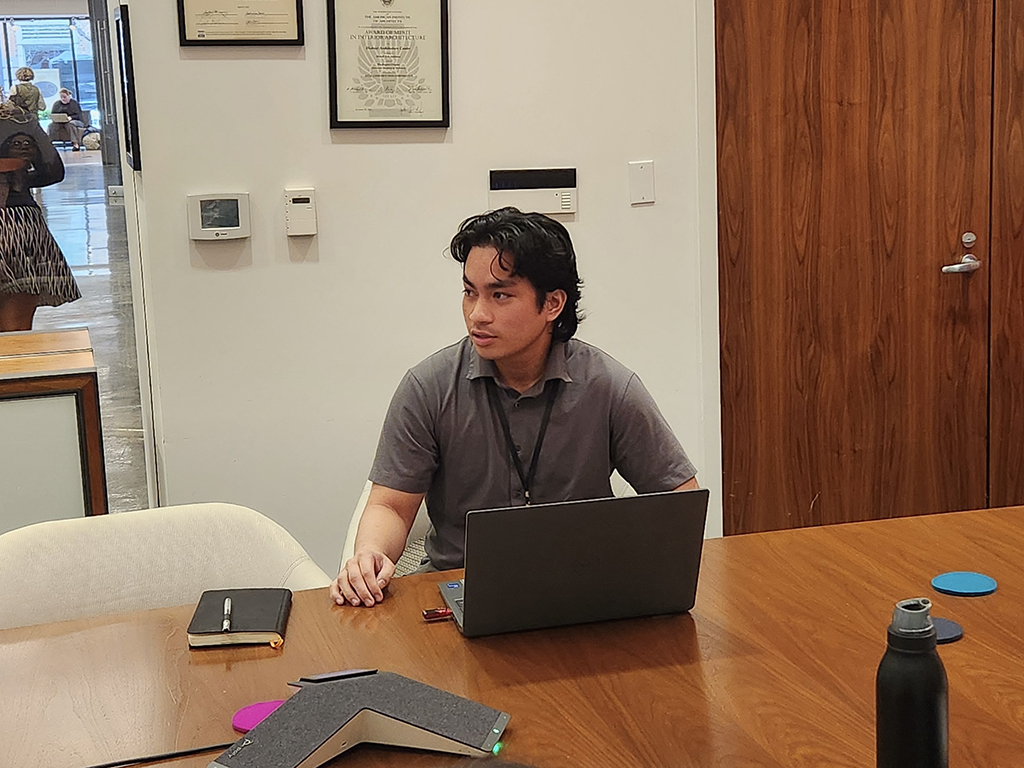
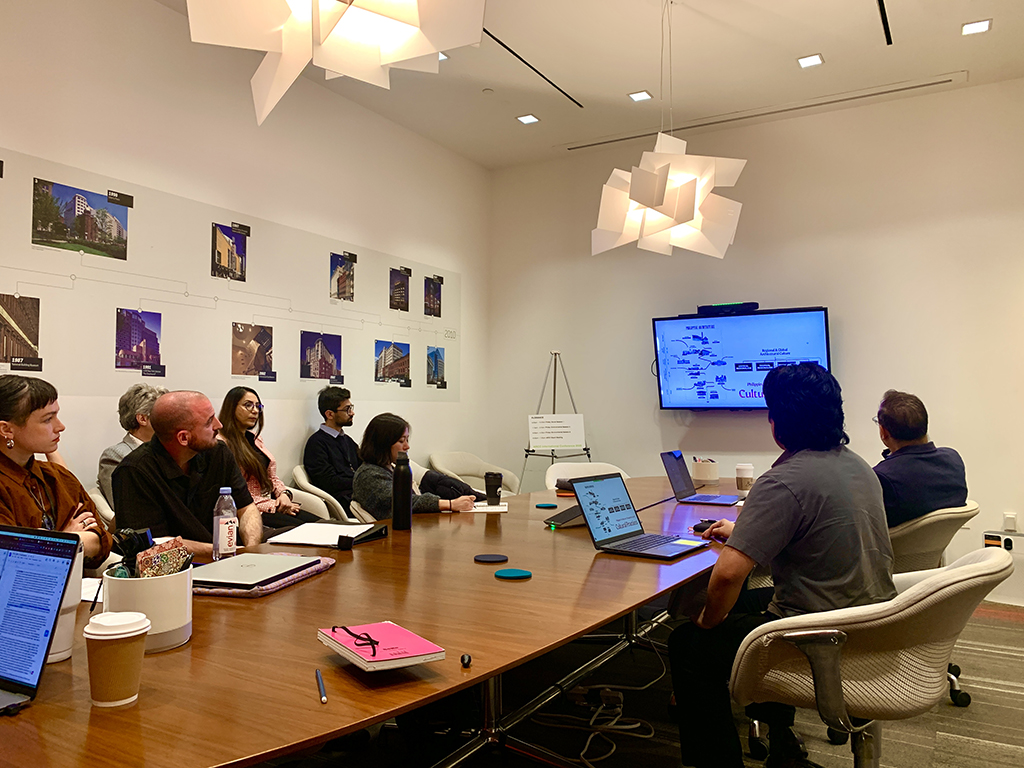
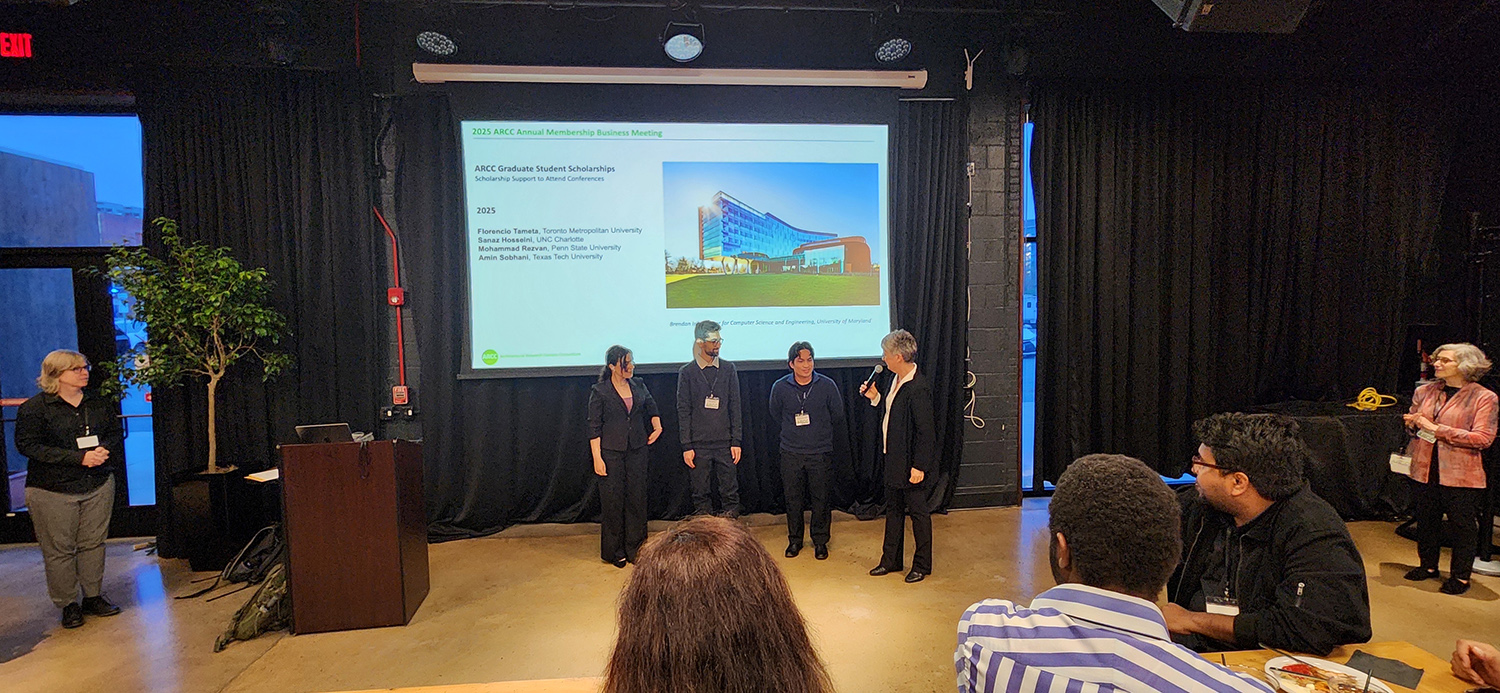
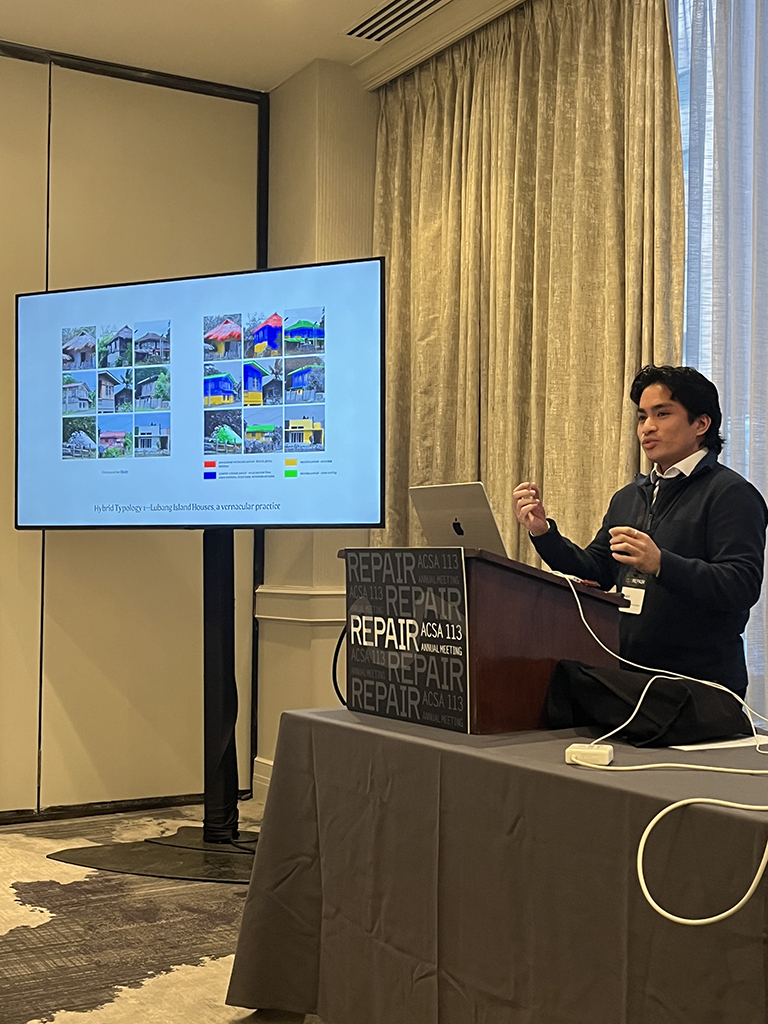
Final-year Master of Architecture (MArch) student, Florencio IV (Vince) Gamboa Tameta, recently presented his thesis research on Philippine architecture at two international conferences. The first—the Association of Collegiate Schools of Architecture (ACSA) 113th Annual Meeting—took place in New Orleans, LA from March 20-22 with the theme of Repair, and the second—the Architectural Research Centers Consortium (ARCC) 2025 International Conference—took place in Washington DC from April 2-5 with the theme of Emerging Challenges. In addition to being published as part of the conference proceedings, Vince’s research earned him an ARCC Graduate Student Scholarship to fund travel and the 2025 ARCC International Conference: Best Student Paper Award for research excellence.
Vince presented two sections of his thesis research on Philippine architecture and regional identity. The first paper speaks on the evolution of Philippine architecture in relation to the evolution of Filipino cultural practices, and the second analyzes the transformation of architectural spaces in Philippine fiestas that speaks to the evolution of Filipino identity. In both cases, Vince’s aim is to share Filipino narratives and perspectives in Western architectural academia, “I never learned about Philippine architecture in undergrad nor anything about the Philippines throughout any stage of my education, so I wanted to take the thesis as an opportunity to learn about my Filipino heritage through architecture. It’s been a meaningful experience on a personal level learning from friends, family, former students and professors who’ve explored similar themes of Filipino identity, as well as a professional level in having the opportunities to share these lessons with a wider academic community and the interest they’ve shown in the process.”
Vince’s thesis began as a reflection of his father’s hometown in Lubang Island, Occidental Mindoro, Philippines, “My dad’s hometown in Lubang Island is a humble probinsya (rural) setting and lifestyle, and I began with an age-old question of “what’s the identity of this place and how does architecture shape it?” It was from there I went down a rabbit hole of Philippine architecture and its evolution through indigenous, Spanish colonial, American colonial, Modern, and contemporary periods that have shaped its expression of Filipino identities.” Beyond the conventional typologies considered to be the definition of Filipino architecture such as the vernacular bahay kubo (nipa hut), and its colonial adaptation, the bahay na bato (stone house), Vince argues that Philippine architecture has a lot more it can offer:
“Filipino, and more broadly Southeast Asian architecture is often adored for its vernacular forms, use of local materials, or passive design strategies, but when you look at it from a cultural lens, especially for the Philippines, there’s a lot to learn from in their navigation through two eras of colonization, independence, globalization of Modernism, and continual negotiation between local and global influences. In my opinion, Philippine architecture should not be defined by an aesthetic per se, but more on its ability to stage the continuous transformation and hybridization of Filipino cultural practices and identities.”
Looking forward to the future, Vince is excited to continue exploring and sharing Filipino perspectives in architectural academia and practice: “It was really cool to see how open and interested people were in learning about the Philippines in both conferences, so if there are opportunities to build on this research whether in academia or practice, I’m excited to see where it takes me!”