Program Overview
The Biology, Biomedical Sciences, and Chemistry programs at TMU equip you with the scientific knowledge and technical skills to understand living organisms, chemical processes, and human health through classroom instruction and extensive applied lab work.
Programs: Biology, Biomedical Sciences and Chemistry
Degree: Bachelor of Science (Honours)
Program Duration: 4 years, full time
Co-op Available? Yes. 5 years, full time. Explore co-op.
Biology (BSc)
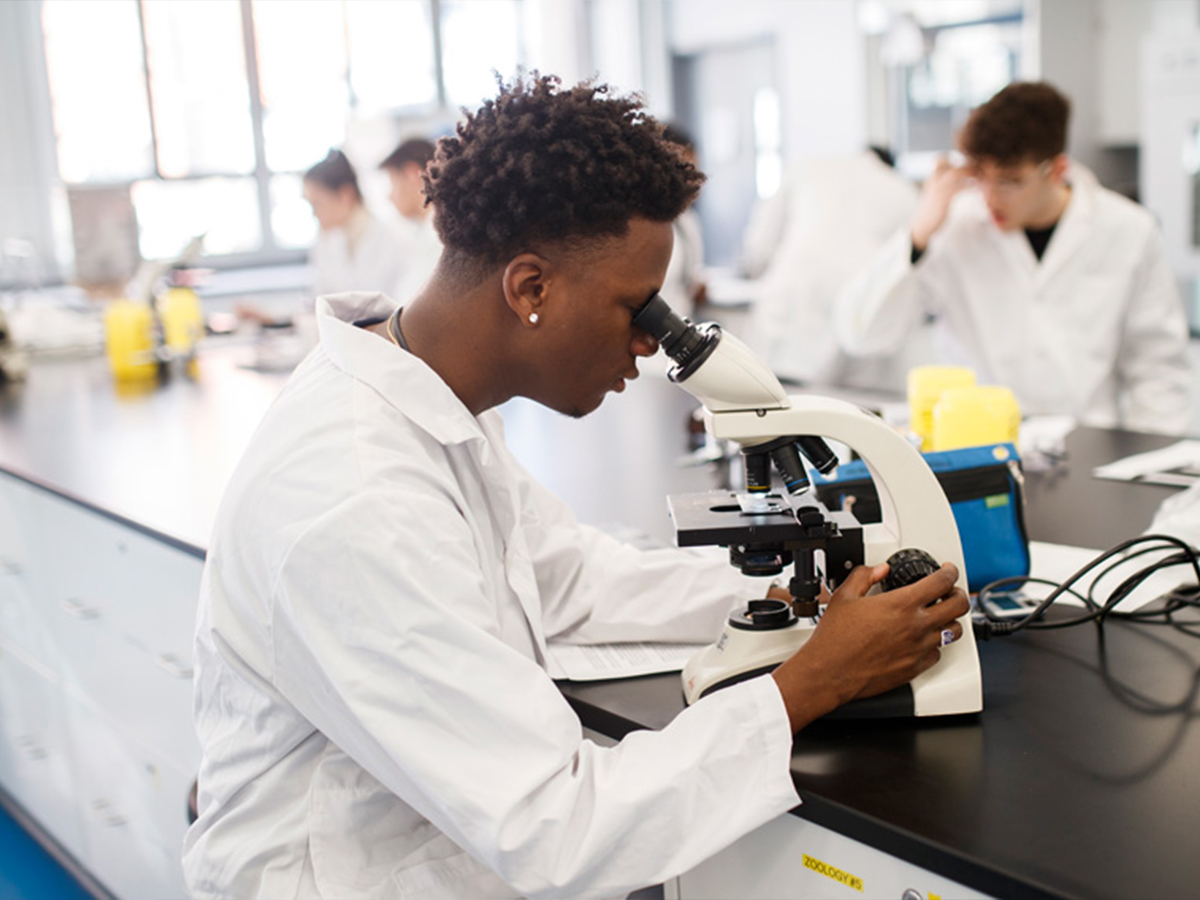
The Biology program at TMU provides a solid foundation in this broad area of science, ranging from understanding the intricate workings of cells to how large ecosystems adapt to environmental change. You’ll study subjects such as ecology, microbiology, botany, biochemistry, genetics, and more. Take an optional paid co-op to get real world experience or tailor your studies from the three curriculum options.
First year builds a broad, solid foundation in science. You'll take the same courses as first-year students in Biology and Chemistry. In the second year, you’ll start exploring various fields of biology, such as ecology, microbiology, genetics, zoology and more.
In upper years, you’ll gain technical expertise in science through more advanced courses, and also explore the many applications for biology in the real world. If you choose one of the three curriculum Options, you’ll take required courses in those fields. In fourth year, you’ll work on an independent thesis project on a specialty topic, under the supervision of a professor.
In addition to the regular curriculum, students enrolled in the Biology Program can take core and open electives to earn concentrations in Molecular and Cellular Biology; Ecology, Environmental Biology, and Evolution; or in Biochemistry and Chemical Biology.
“At [TMU], I had the opportunity to participate in meaningful, hands-on research, including synthesizing novel porphyrin molecules and investigating the effects of plant metabolites on water flea behaviour. I will become a better scientist for the experiences and connections I’ve made here.”
Biomedical Sciences (BSc)
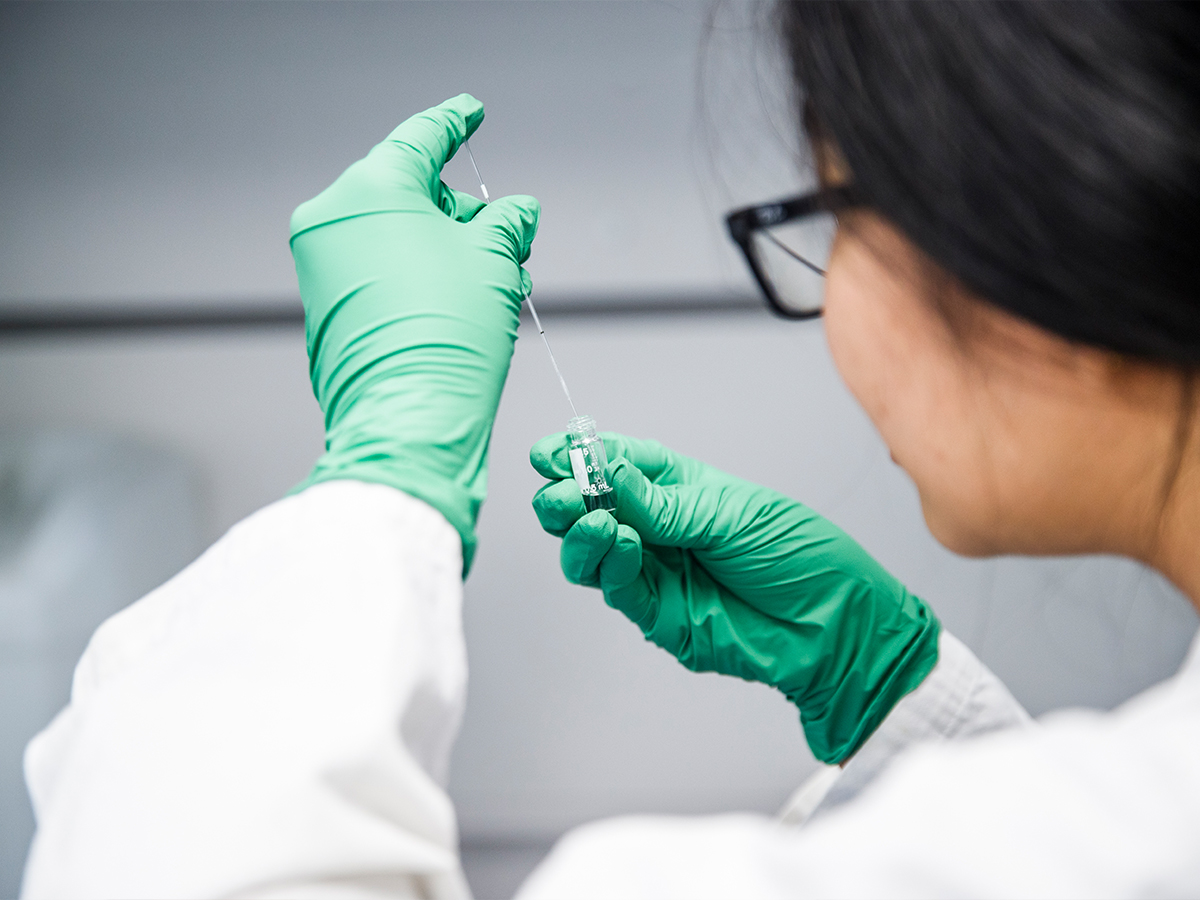
The Biomedical Sciences program at TMU explores biological processes and how they relate to health, infection and the development of disease states. Biomedical sciences is a quickly growing field in which the ultimate goal is to understand fundamental processes in human health and disease to facilitate the development of effective treatments and cures. Biomedical Sciences students will study microbiology, immunology, cell biology, genetics, physiology and other topics that are critical for understanding how the human body works and how biotechnological advances can improve human health.
All students in Biomedical Sciences share similar course loads in the first two years. In year one, you’ll study the fundamentals of biology, chemistry, physics and math. In second year, you’ll broaden your understanding to include cell biology, microbiology, biochemistry, human anatomy and physiology.
In upper years, you’ll dive into more advanced biochemistry, molecular biology and immunology. Exclusive to Biomedical Science students, you’ll also take innovative courses in experimental design and critical thinking, which will train you to think about how science is fundamental to advancing and improving human health.
You may choose to complete a concentration in Biomedical Chemistry to add to your understanding of how drugs are developed to combat various diseases.
“The Biomedical Sciences program has so many opportunities for collaboration and learning, and there’s so much support. The professors fostered my curiosity for research, and I’ve had the chance to investigate how a cell's metabolism can become dysregulated in cancer.”
Chemistry (BSc)
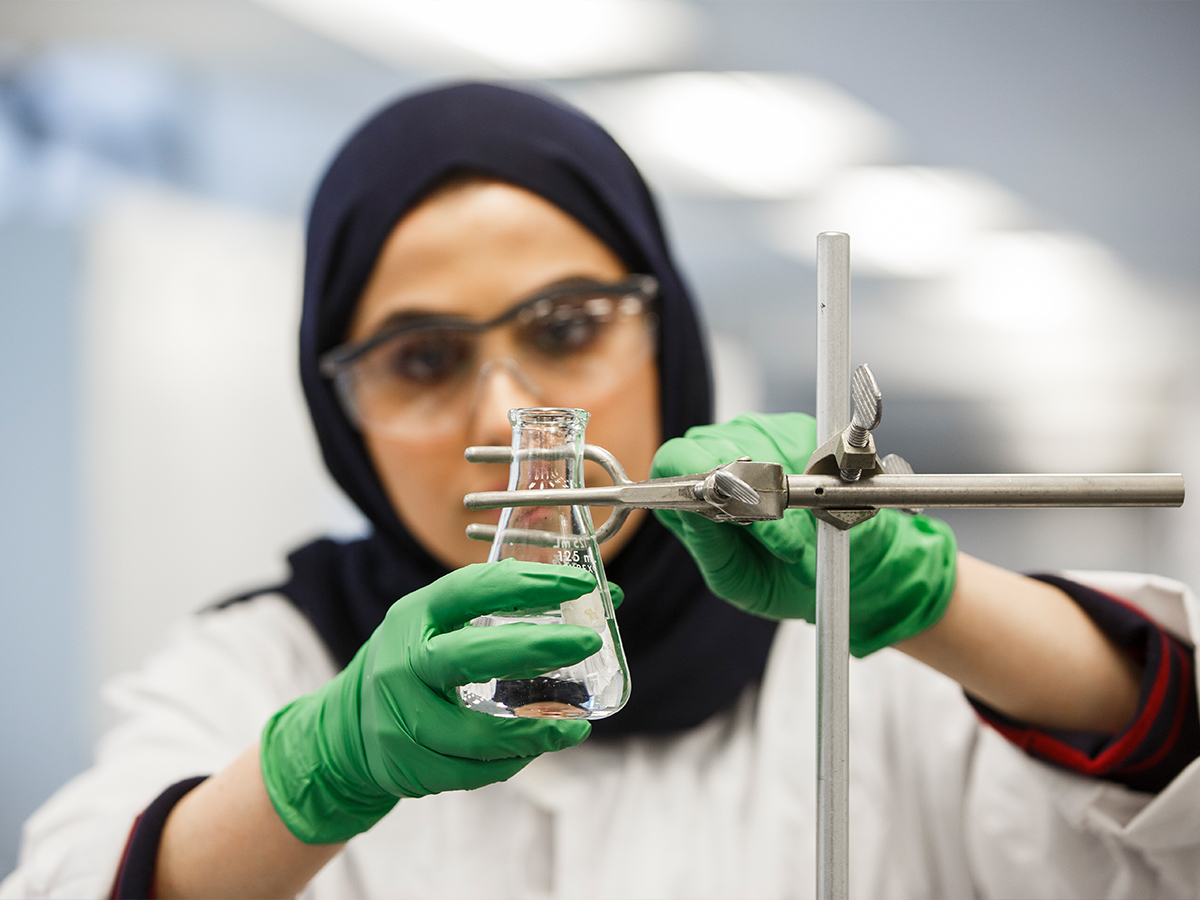
The Chemistry program at TMU teaches you how matter and energy work together to create new materials, protect the environment or fight disease. Our program is strongly application-oriented. Much of your learning will take place in the laboratory. You’ll gain theoretical knowledge and a solid understanding of the principles of chemical science.
Students in Chemistry share the same first year with programs in Biology and Medical Physics to build a foundation in the fundamentals of science. You’ll also reinforce your mathematics skills, and learn how computers are used as scientific tools. Starting in second year, you’ll deepen your knowledge of major subdisciplines of chemistry and begin to build expertise in laboratory techniques and research-grade instrumentation. If you enrolled in the Applied Physics option, you’ll begin to take specialized, required courses in this area.
In upper years, you'll continue to deepen your knowledge of chemistry with extensive lab work and customize your degree with elective courses. You may also qualify for and opt to undertake an independent thesis project, in which you’ll work on a specialized topic under the supervision of a professor.
In addition to the regular curriculum, you can choose to add an Applied Physics option to specialize in within your degree:
- Option in Applied Physics: The curriculum emphasizes physical chemistry as an interdisciplinary approach to areas of physics, such as solid state physics, biophysics, radiation biology or medical diagnostic techniques.
“[TMU] has given me such a meaningful science experience. I’ve grown so much as a student and scientist. I’ve had many opportunities to immerse myself in research projects. I can’t wait for what my next two years in the Molecular Science master’s program will bring.”
Minors
The Department of Chemistry & Biology offers three minor options. To complete a minor, you must take six courses from a pre-determined curriculum. Find the latest information on minors in the Undergraduate Calendar.
Minor in Biology
A Minor in Biology gives you a deeper understanding of living systems while maintaining an emphasis in another discipline, such as chemistry or a different science field. This minor is not available to students in the Biology and Biomedical Sciences (BSc) programs.
Minor in Biomedical Sciences
A Minor in Biomedical Sciences gives students from many backgrounds the opportunity to learn about how human health is impacted by both biological and societal factors. This minor is not available to students in the Biology or Biomedical Sciences (BSc) programs.
Minor in Chemistry
A Minor in Chemistry lets you build additional knowledge and lab-based skills in chemical science while keeping your main focus in another field, such as biology or another area of science. This minor is not available to students in the Chemistry (BSc) program.