Lecture Series: Carol Phillips
- Date
- November 13, 2025
- Time
- 6:30 p.m. - 8:00 p.m. ET
- Location
- Department of Architectural Science, 325 Church St, ARC 202 (the Pit)
- Open To
- Public
- Contact
- alexandra.berceanu@torontomu.ca

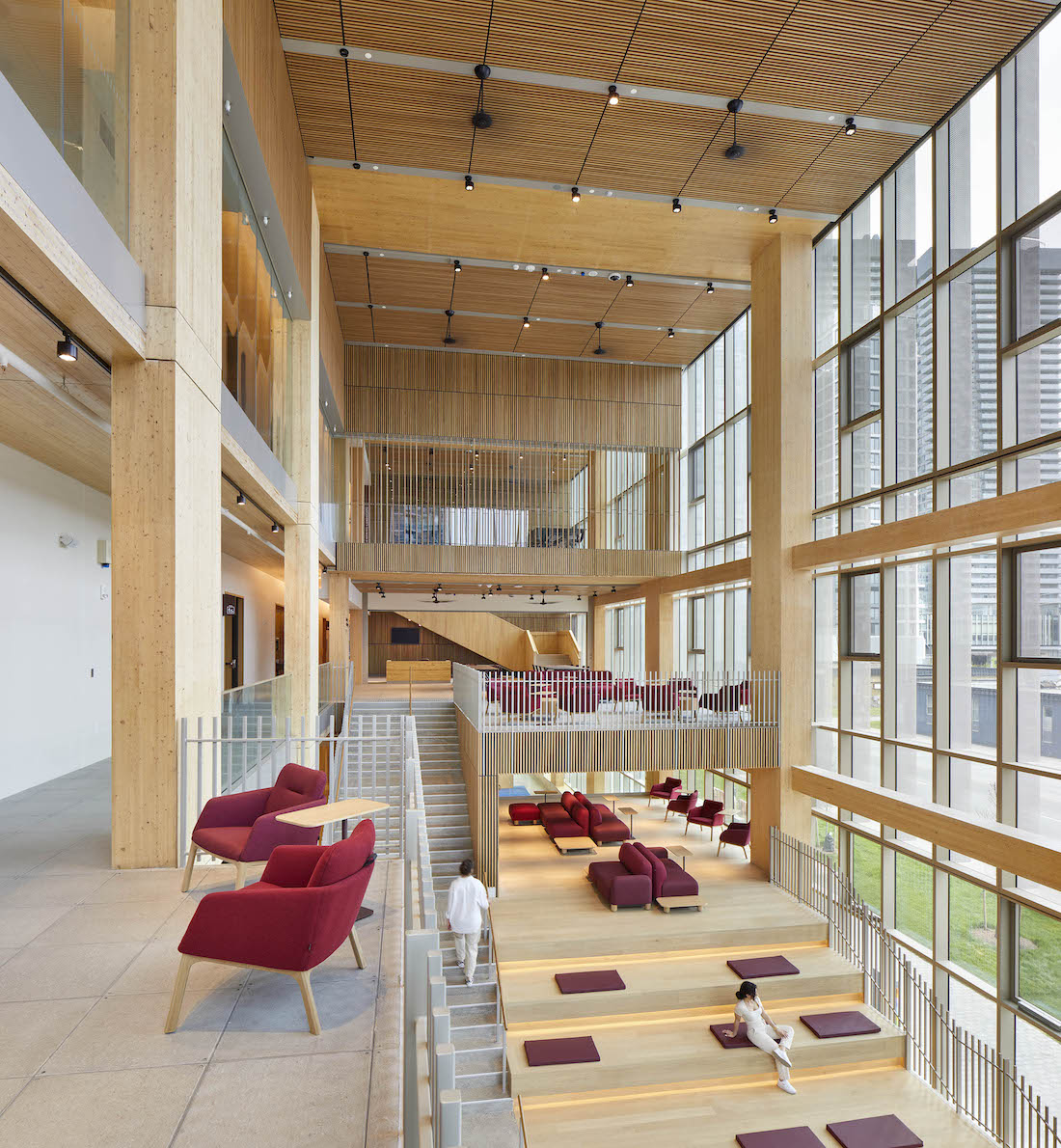
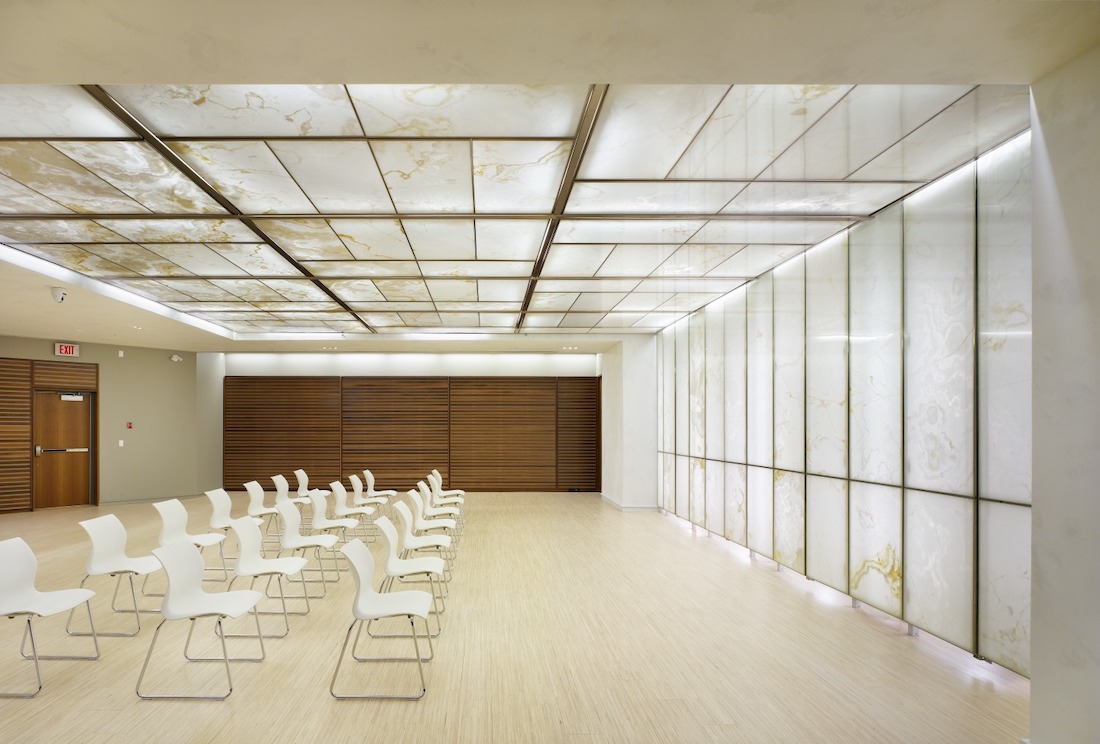
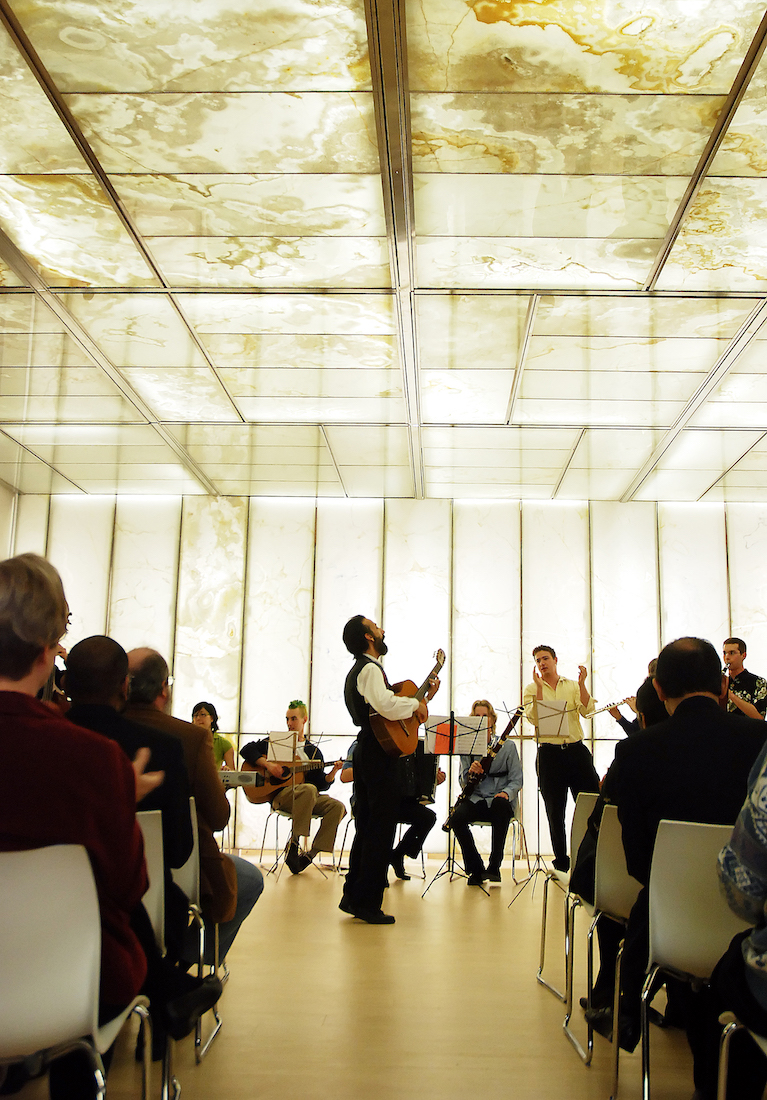
Carol Phillips, Partner at Moriyama Teshima Architects, is a recognized leader with over 30 years of experience shaping transformative places for communities. A Fellow of the Royal Architectural Institute of Canada, she has been at the forefront of sustainable design, pioneering low-carbon and mass timber construction while advancing net-zero carbon strategies. Her portfolio spans academic institutions, cultural landmarks, and civic buildings across Canada and internationally, each project marked by innovation, inclusivity, and environmental responsibility.
Guided by a design philosophy that emphasizes the connection between people, place, and nature, Carol creates architecture that fosters collaboration, cultural sensitivity, and ecological stewardship. Her empathetic and collaborative approach ensures that every project not only responds to the climate crisis but also strengthens community bonds and enhances the human experience through beautiful, inspiring, thoughtful, and context-driven design.
Purposeful Practice
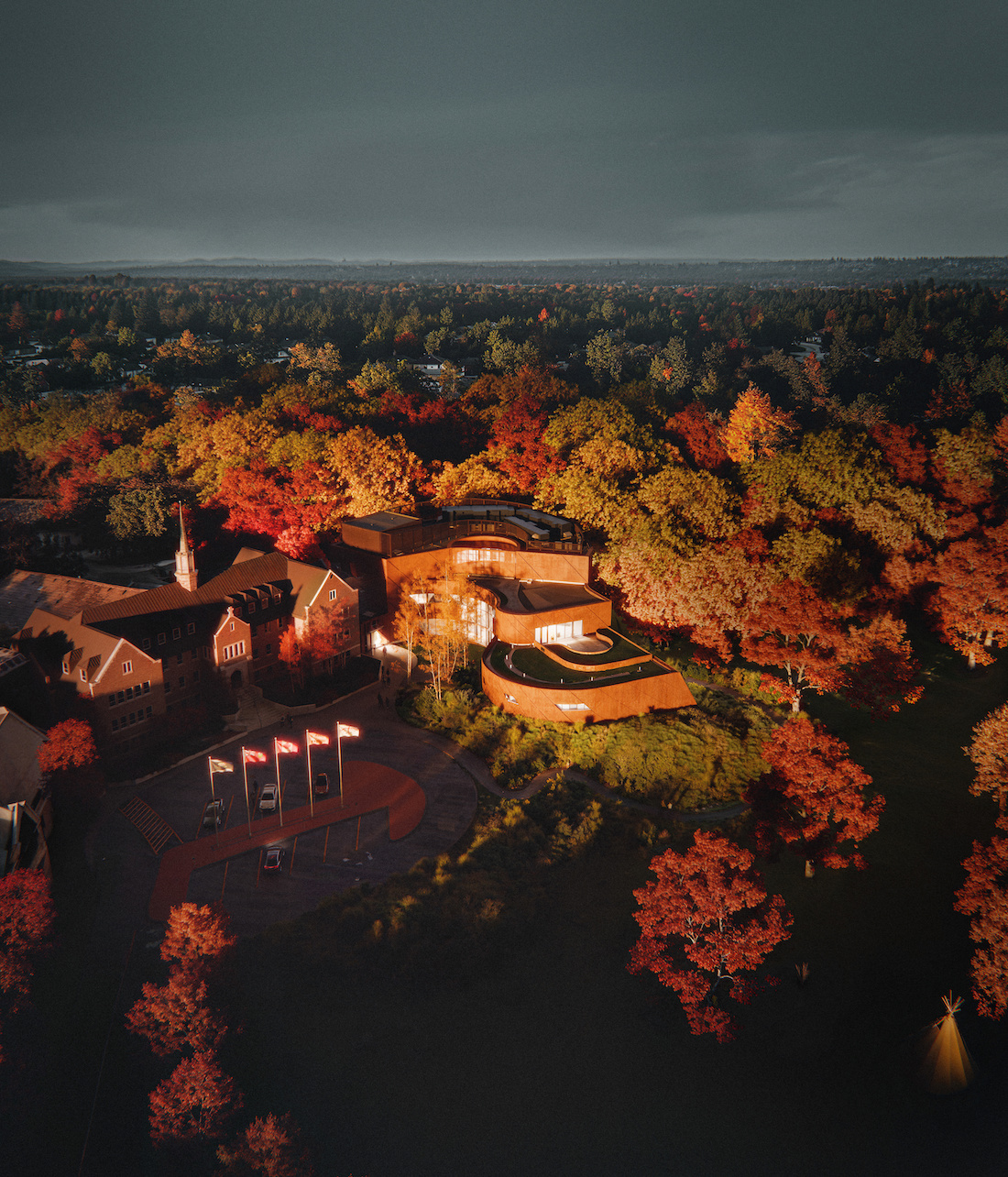
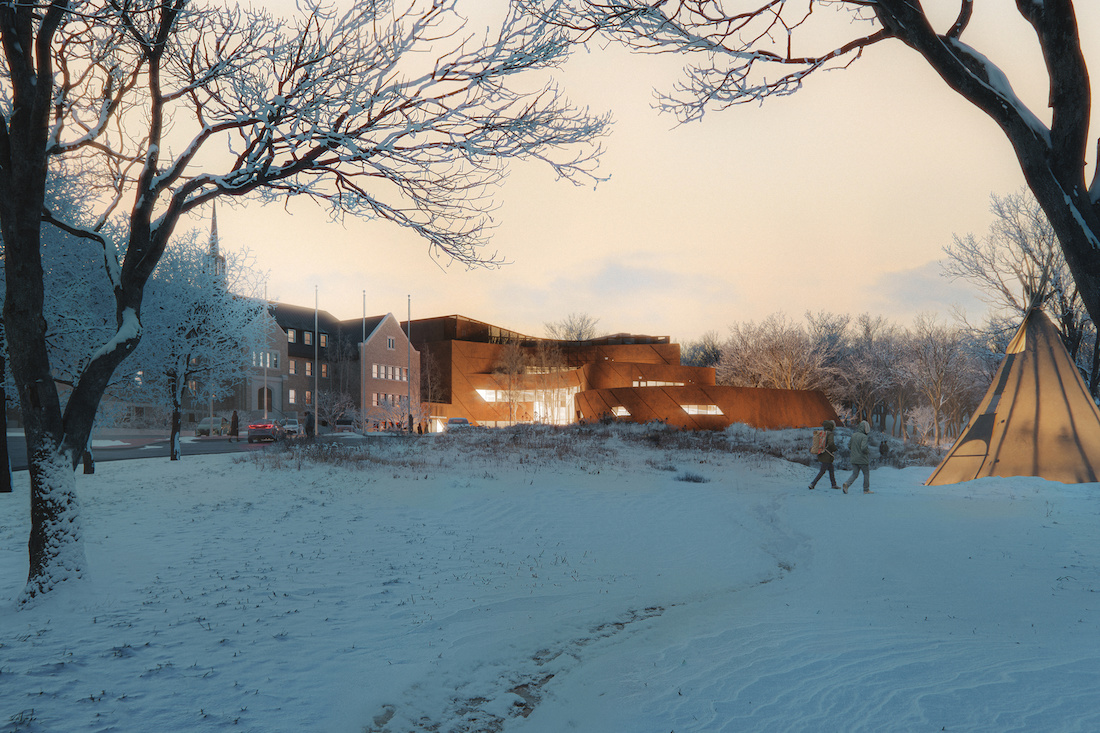
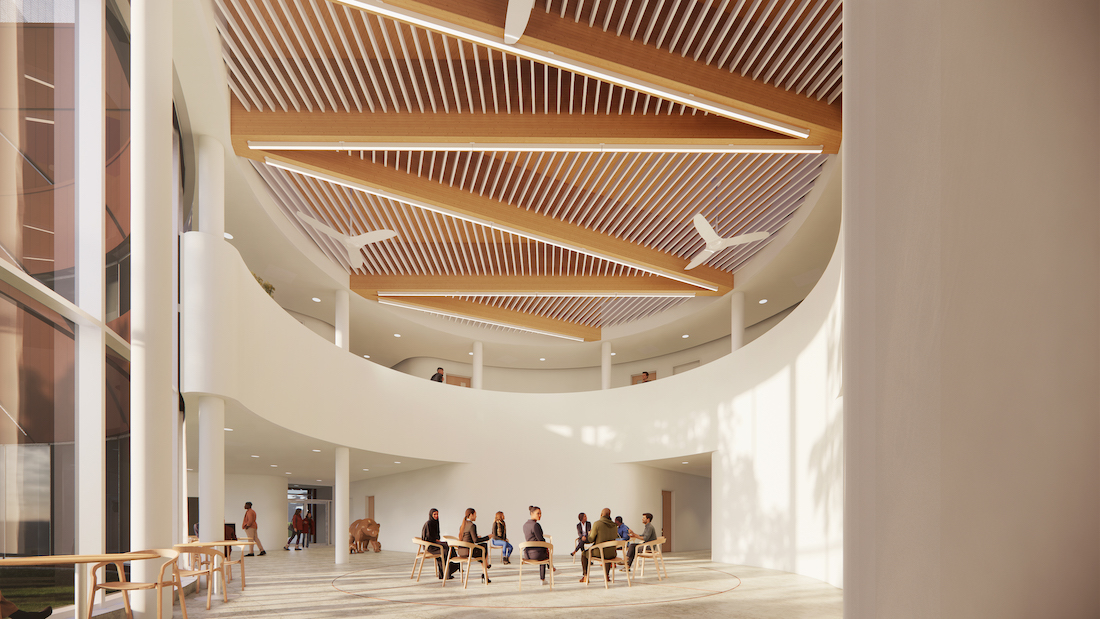
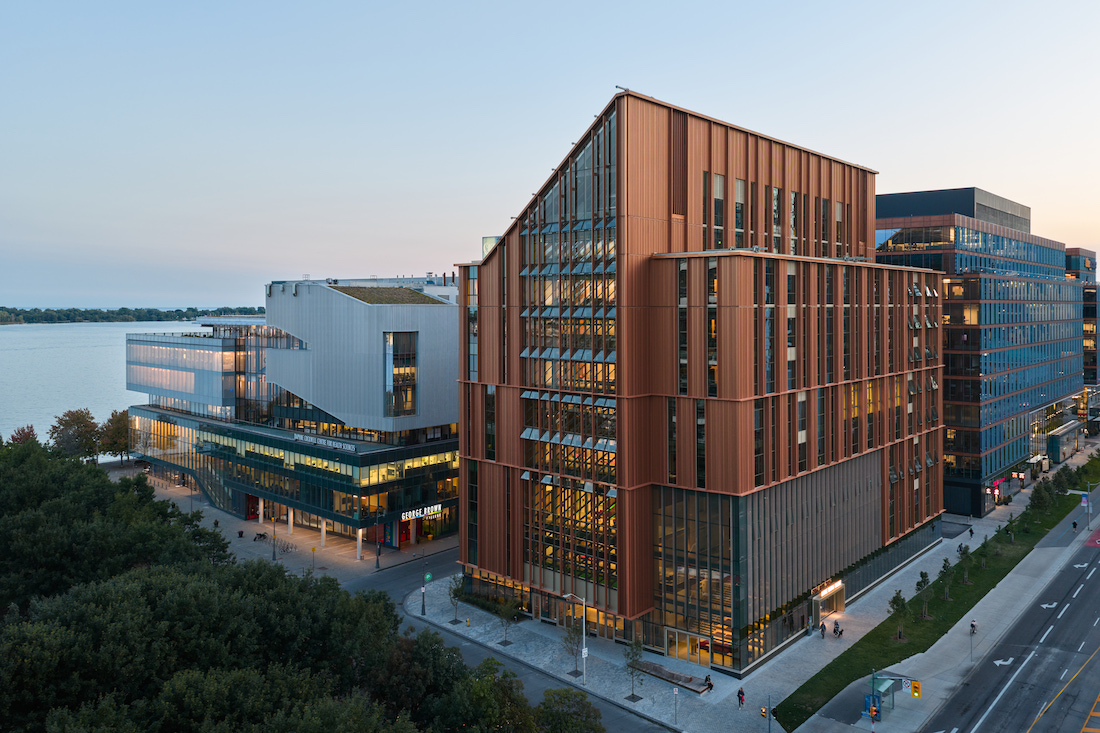
Join Carol Phillips for a reflection on Purposeful Practice, an exploration of how architecture can act as a form of repair to the climate, to communities, and to our relationships with each other and the land. Through three award-winning projects, the Multi-Faith Centre at the University of Toronto, Limberlost Place, and Makwa Waakaa’igan at Algoma University, Phillips will examine how purposeful design can unite environmental responsibility, social equity, and reconciliation with Indigenous peoples.
The lecture will consider how the principles of design at Moriyama Teshima Architects, grounded in deep listening, inspired understanding, material innovation, and low-carbon construction can converge to create buildings of both beauty and meaning. Through a sense of purpose and agency, architecture that is technically rigorous, ethically sound, and expressive of care and collaboration, can impact lasting change to a more sustainable and just future.