Barcelona Studio 2025

Students in El Born first day in Barcelona - photo by Sidra Homam
This summer, 17 upper level Architectural Science students embarked on an exploration of the architecture of everyday life through immersion in the urban fabric of both Toronto and Barcelona, Spain.
Led by Prof. Jennifer Esposito, this travel design studio, titled The Architecture of Place: The City is the Museum | The Museum is the City, challenged students to approach design through the lens of dwelling, not as a static form, but as a reflection of how people inhabit, move through, and interact with public and private spaces in their daily lives.
Students initiated their research by documenting Toronto public spaces, analyzing case studies, and developing drawing techniques to translate ideas of place into spatial investigations.
“Coming from a cooler climate in Toronto, it was interesting to see how much of an impact the warmer climate has on the architecture and culture of Barcelona.”
Mehakpreet Bhutta, 4th year student
Students attended a presentation by ARUP, the engineering firm overseeing the construction of the Sagrada Familia. The session offered insight into the project's historical evolution and the technical strategies guiding its continued development.
Collaborative and individual assignments encouraged experimentation to visualize how cities communicate through materiality and spatial organization.
“Having to manually shift focus from Toronto as a city to Toronto as a Museum made me appreciate the details of the people and culture in the city and how they interact with each other through the built environment”
In late May, the studio moved to Barcelona for three weeks of on-site study. Students explored the octagonal Eixample city grid, Cerda’s planning, and the Gothic Quarter, examining how architecture responds to history and urban growth. Much of the time was spent walking through neighborhoods, observing buildings, and analyzing the spaces that define the city.
Balancing structured site visits with moments of everyday city life, the group experienced Barcelona as both observers and participants, an approach that shaped their understanding of how architecture operates within a living context.
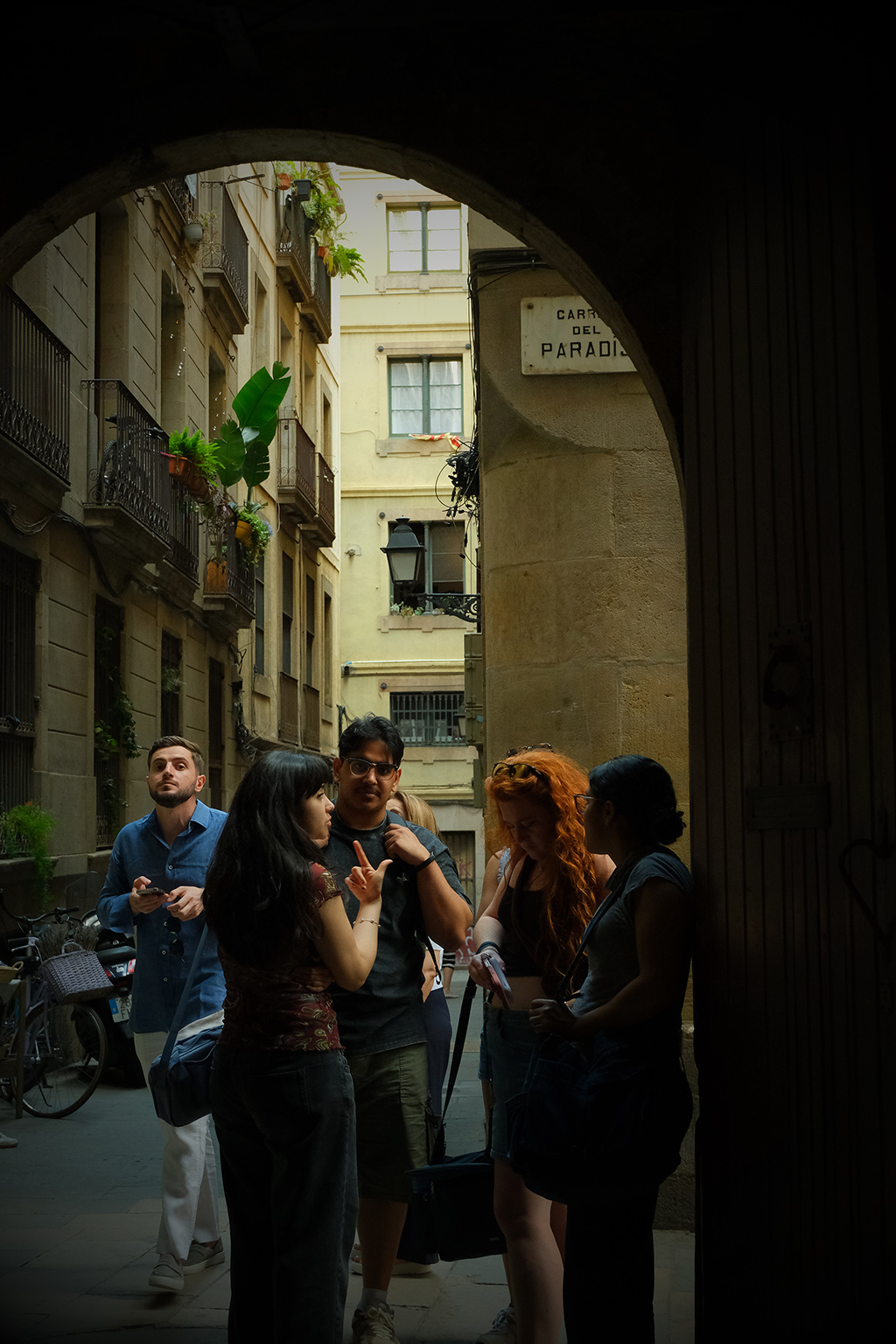
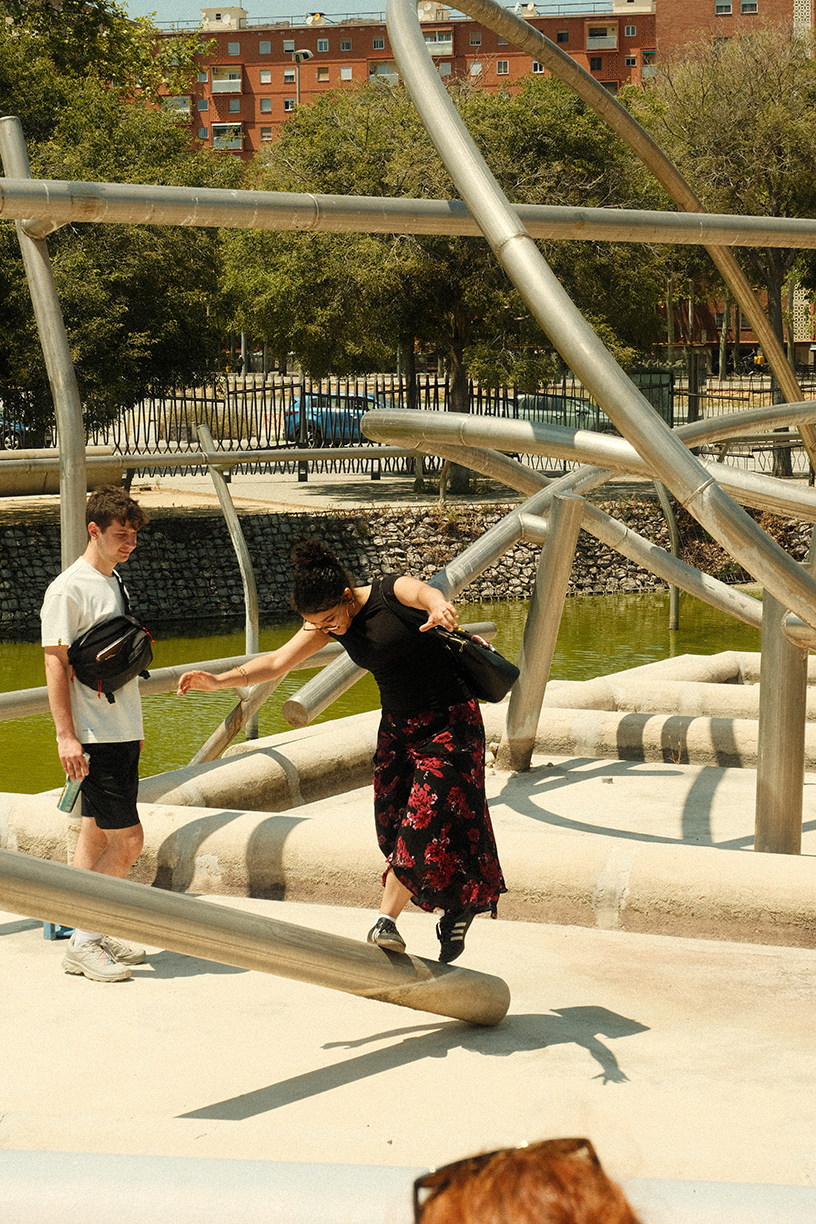
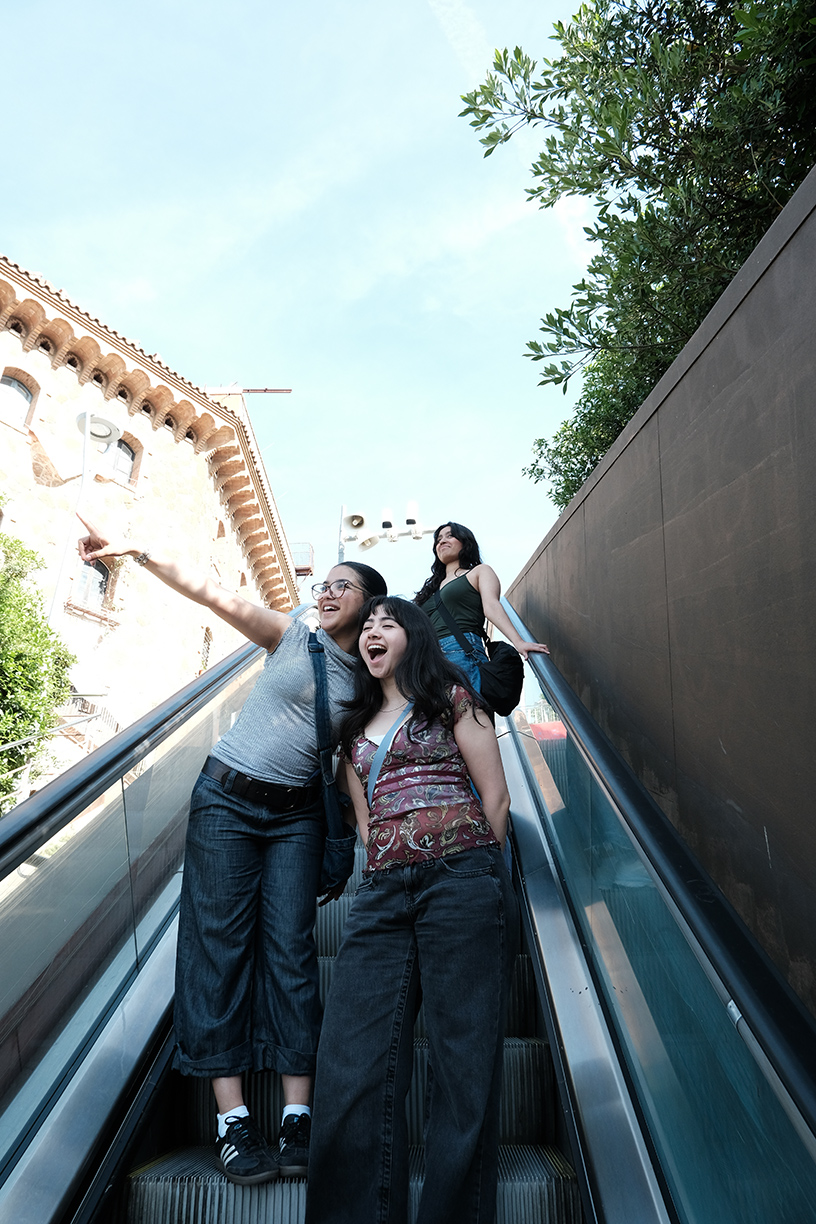
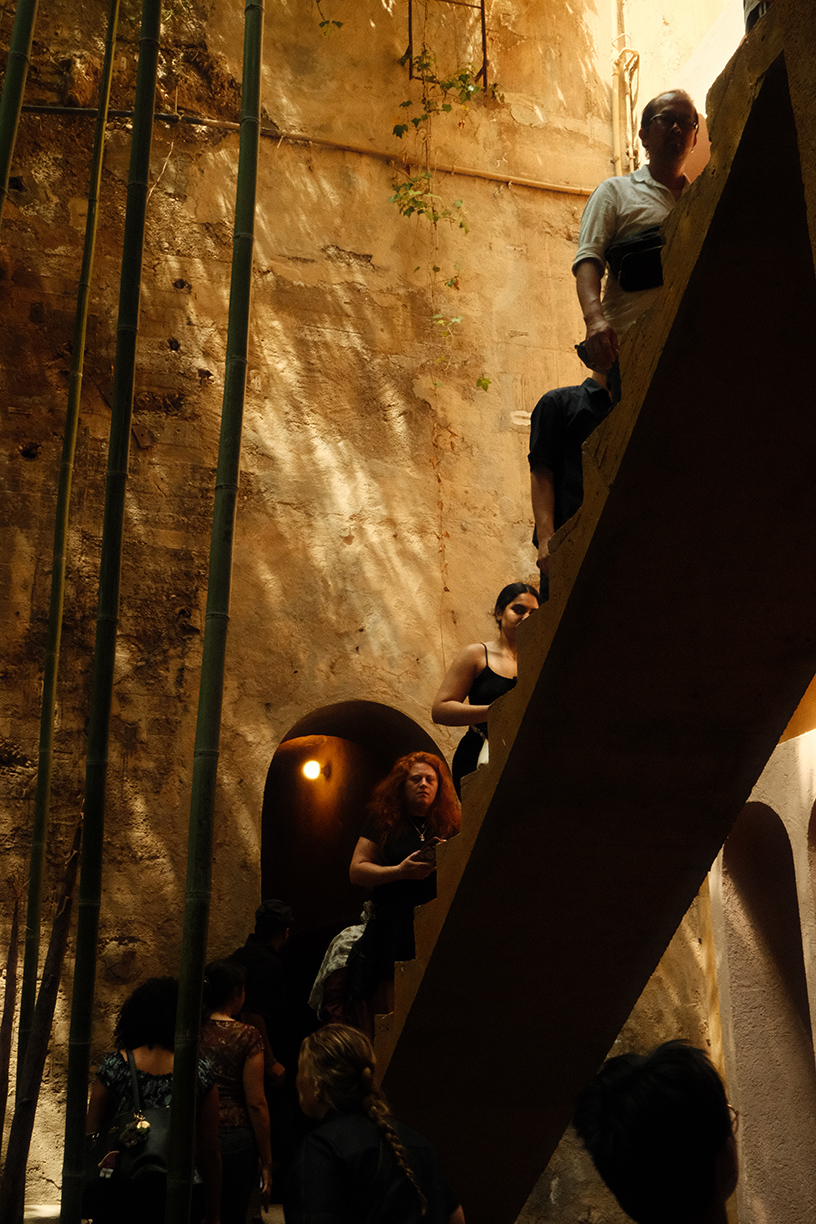
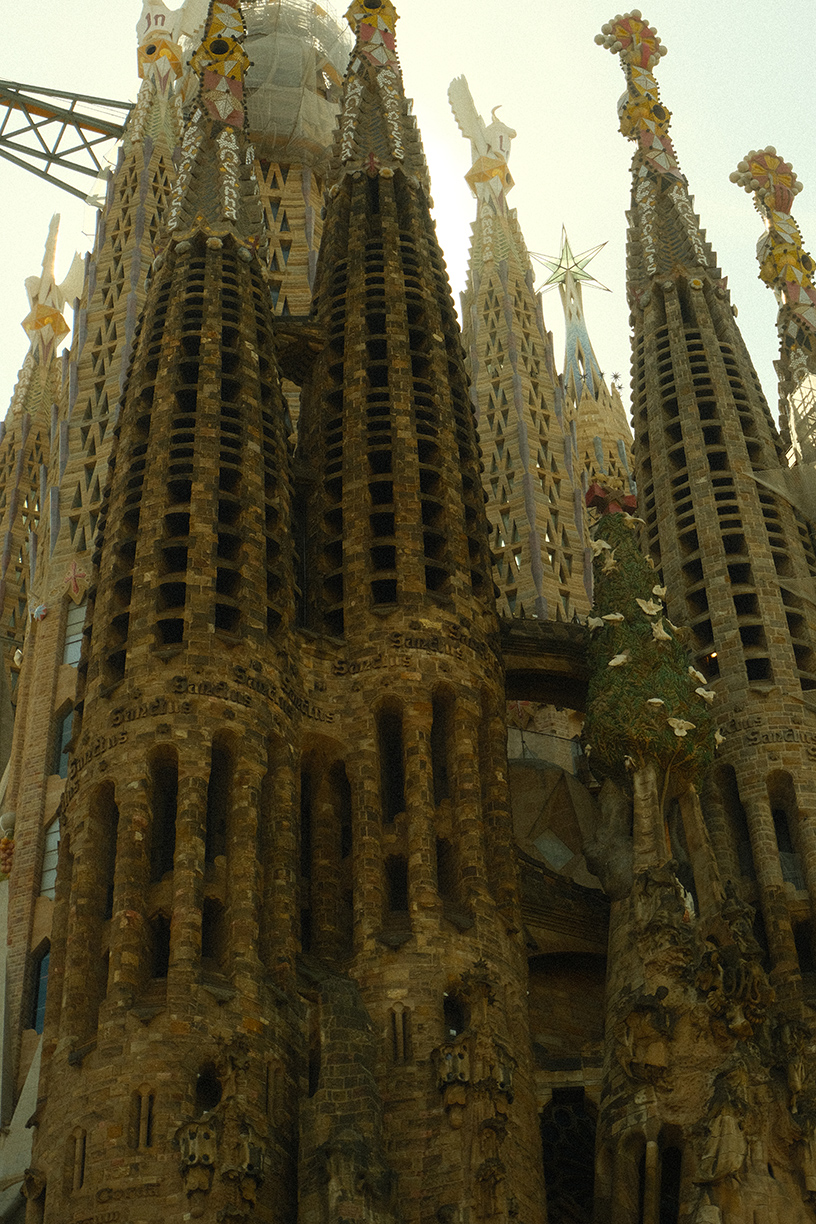
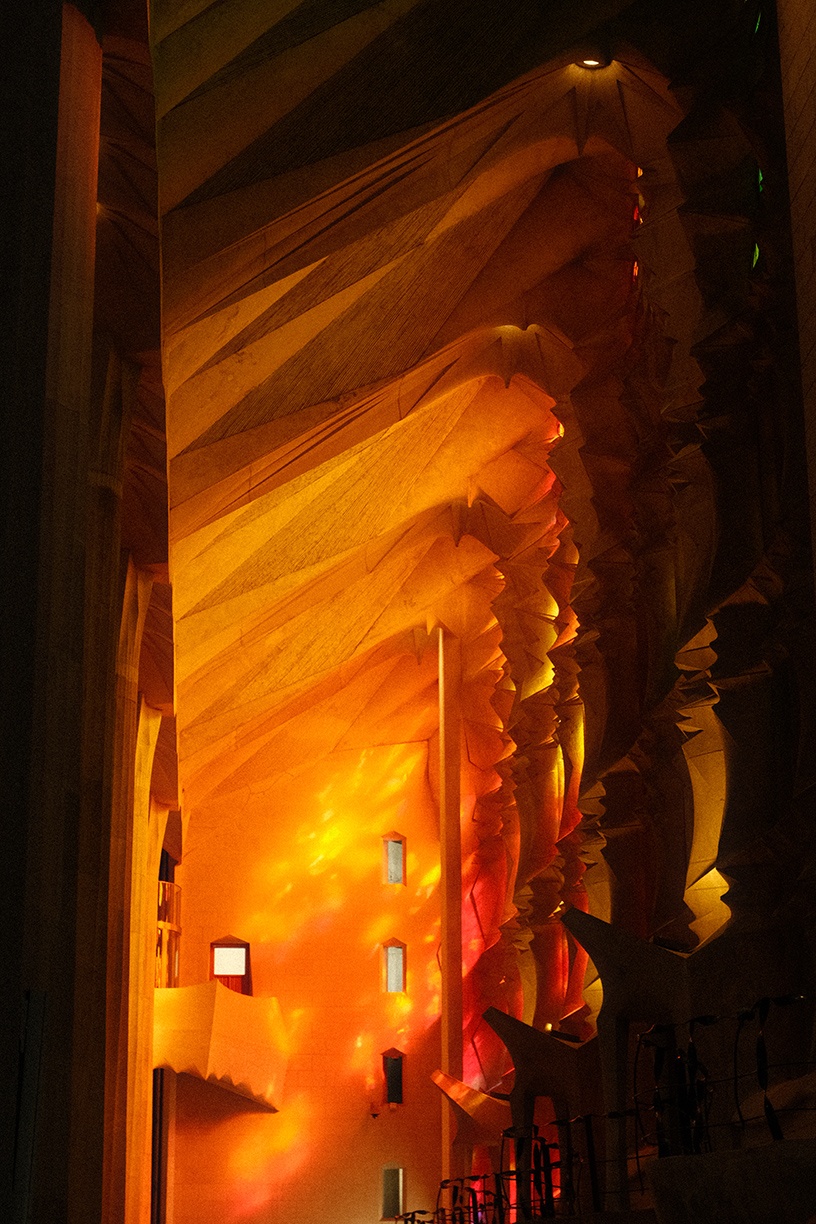
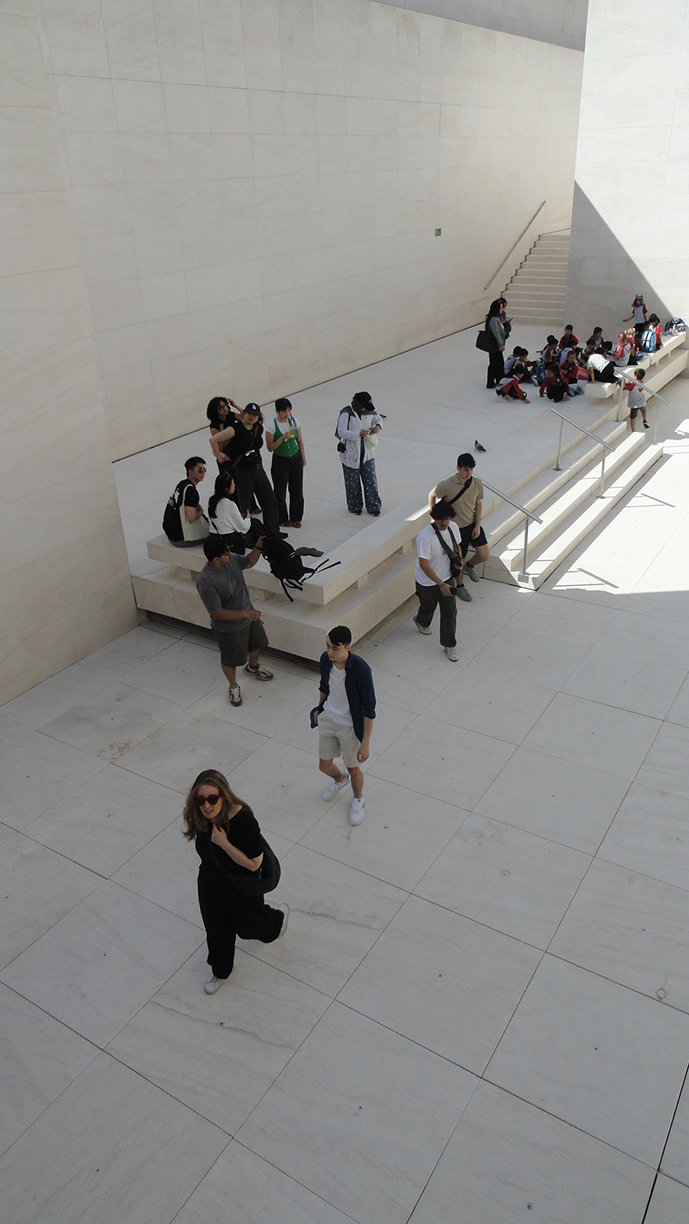
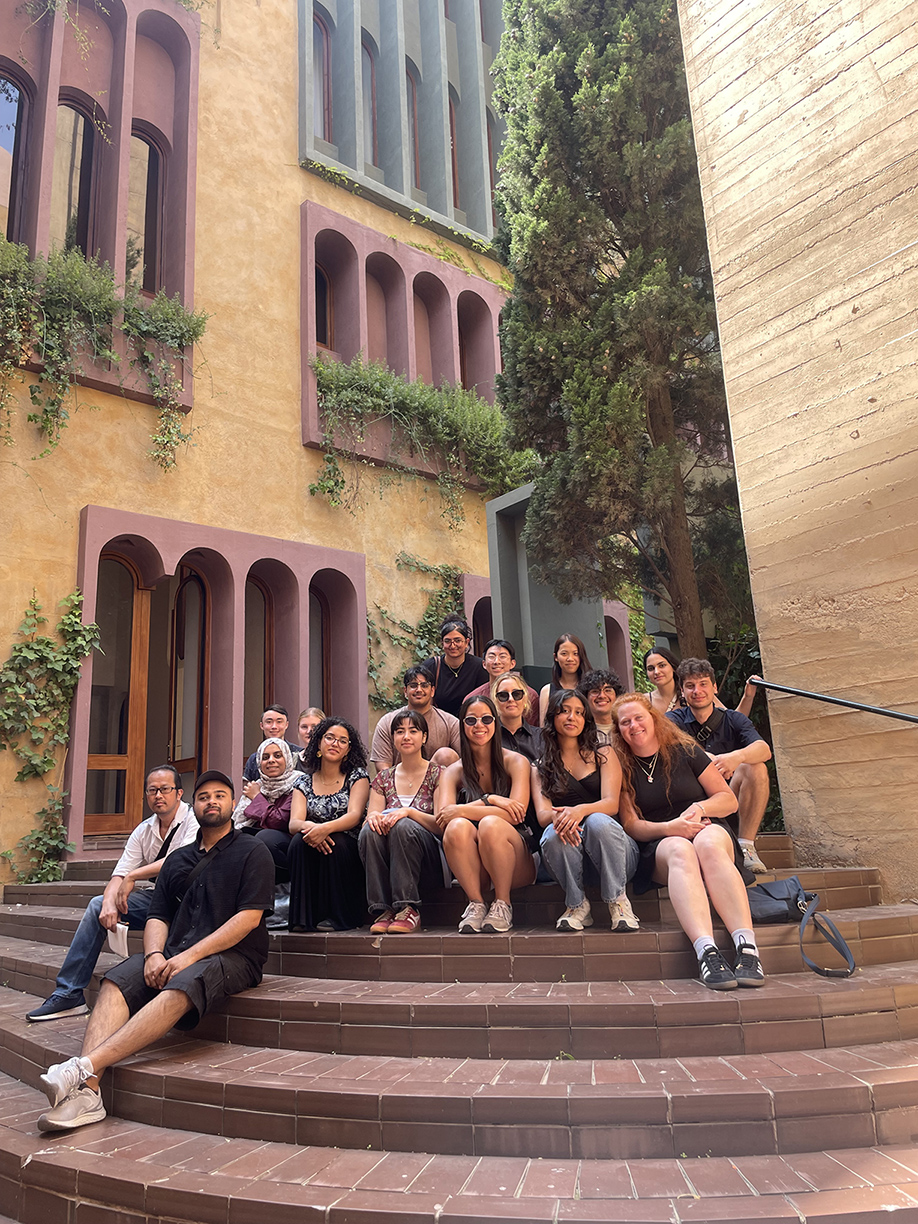
- Students in El Born first day in Barcelona | Sidra Homam
- Diagonal Mar Park | Sidra Homam
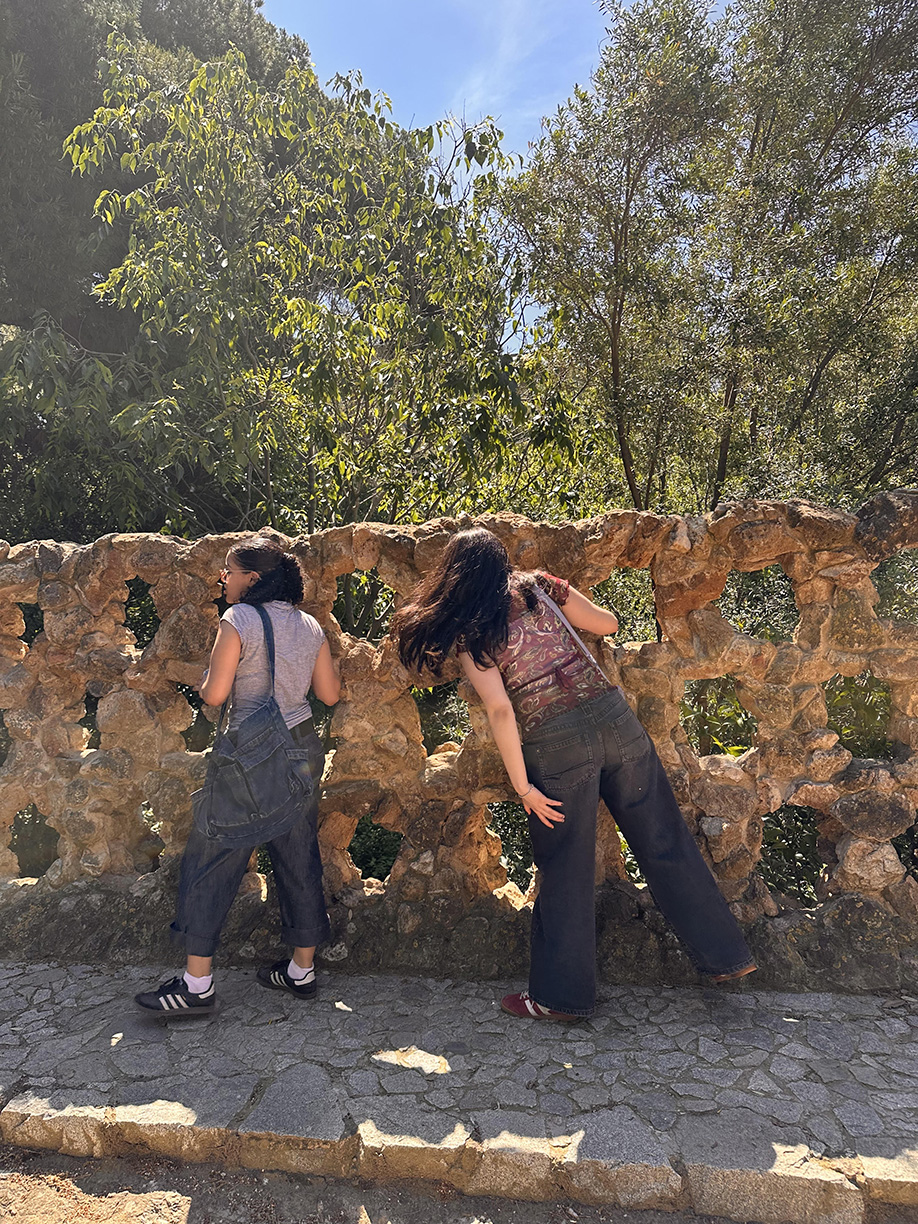
- Park Guell | Sidra Homam
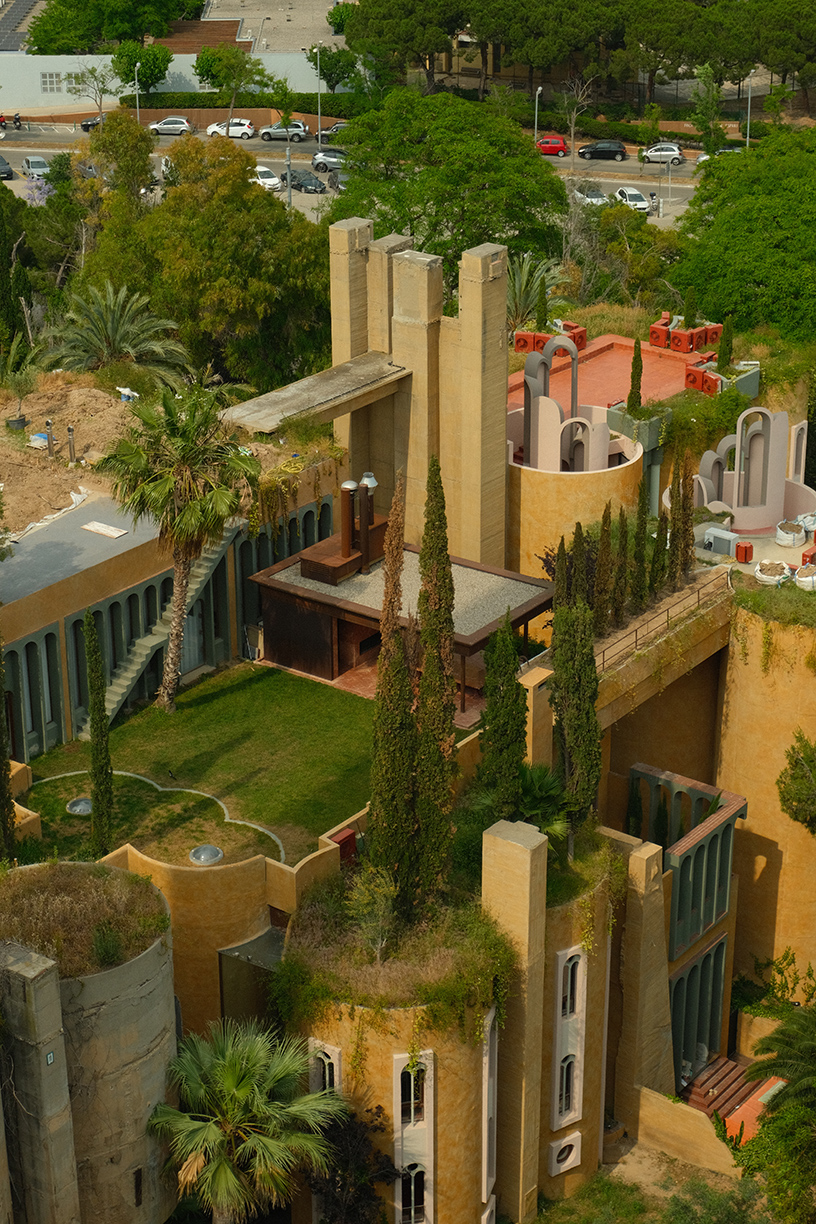
- La Fabrica View from the rooftop of Walden 7 | Sidra Homam
- La Fabrica | Sidra Homam
- Sagrada Familia | Sidra Homam
- Sagrada Familia | Sidra Homam
- Cohort at Caixaforum | Mehakpreet Bhutta
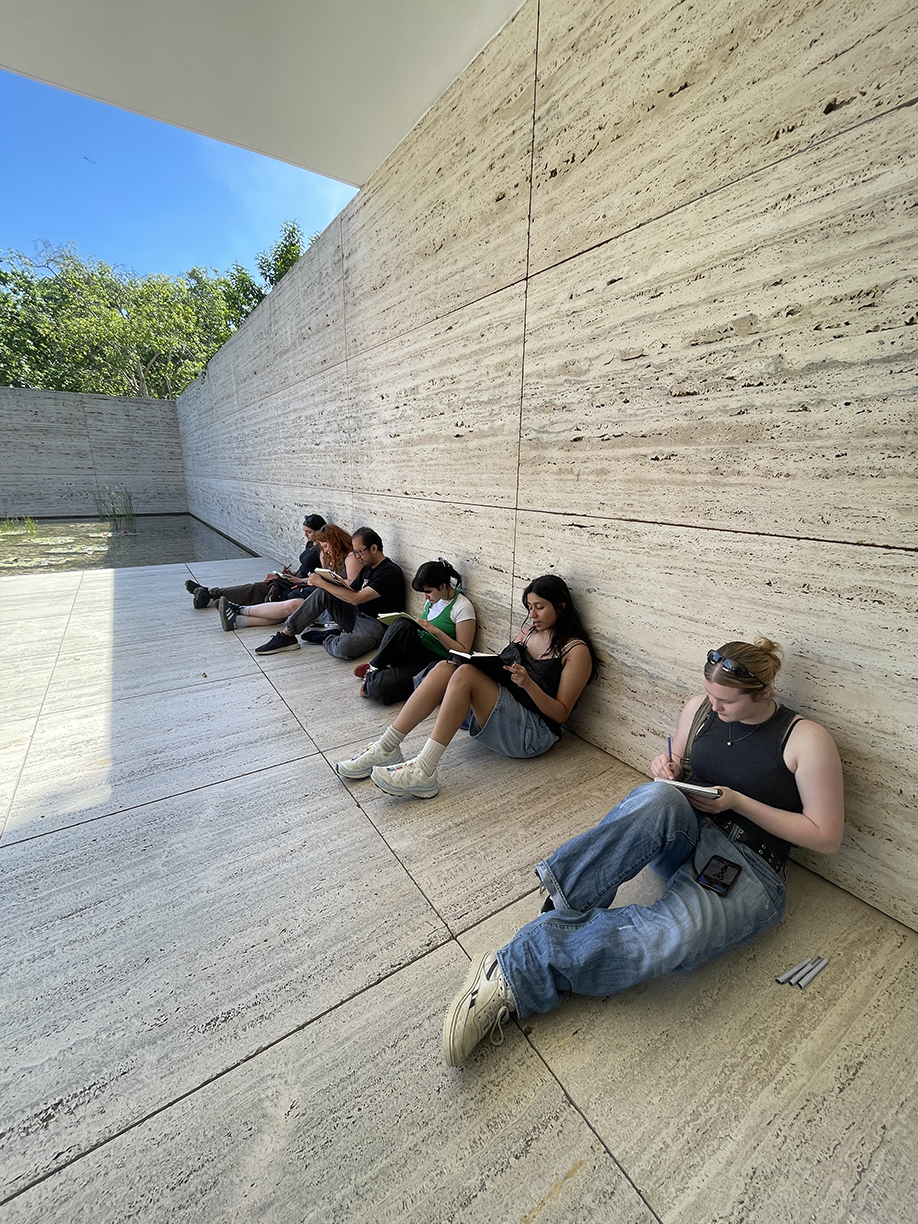
- Students Sketching at Barcelona Pavillion | Jennifer Esposito
- Park Guell | Sidra Homam
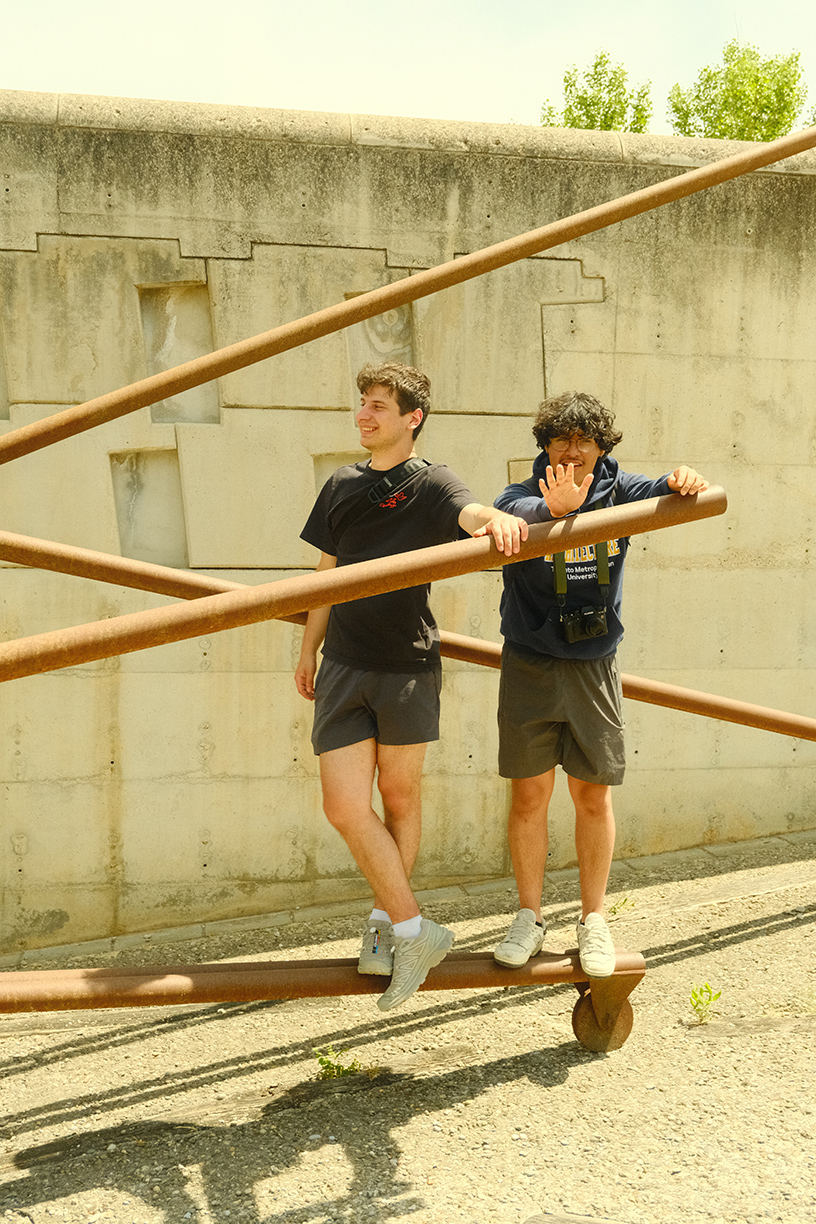
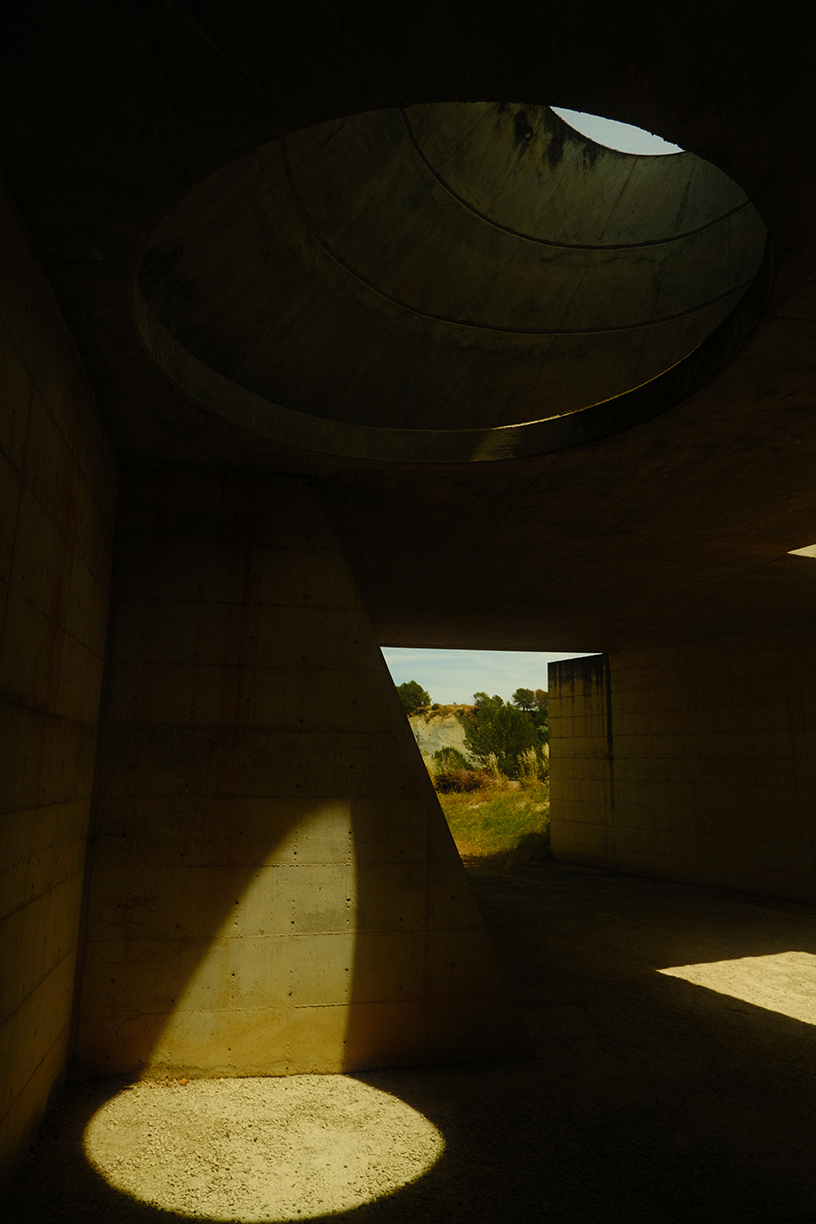
- Igualada Cemetery | Sidra Homam
- Igualada Cemetery | Sidra Homam
- Cohort in front of La Fabrica
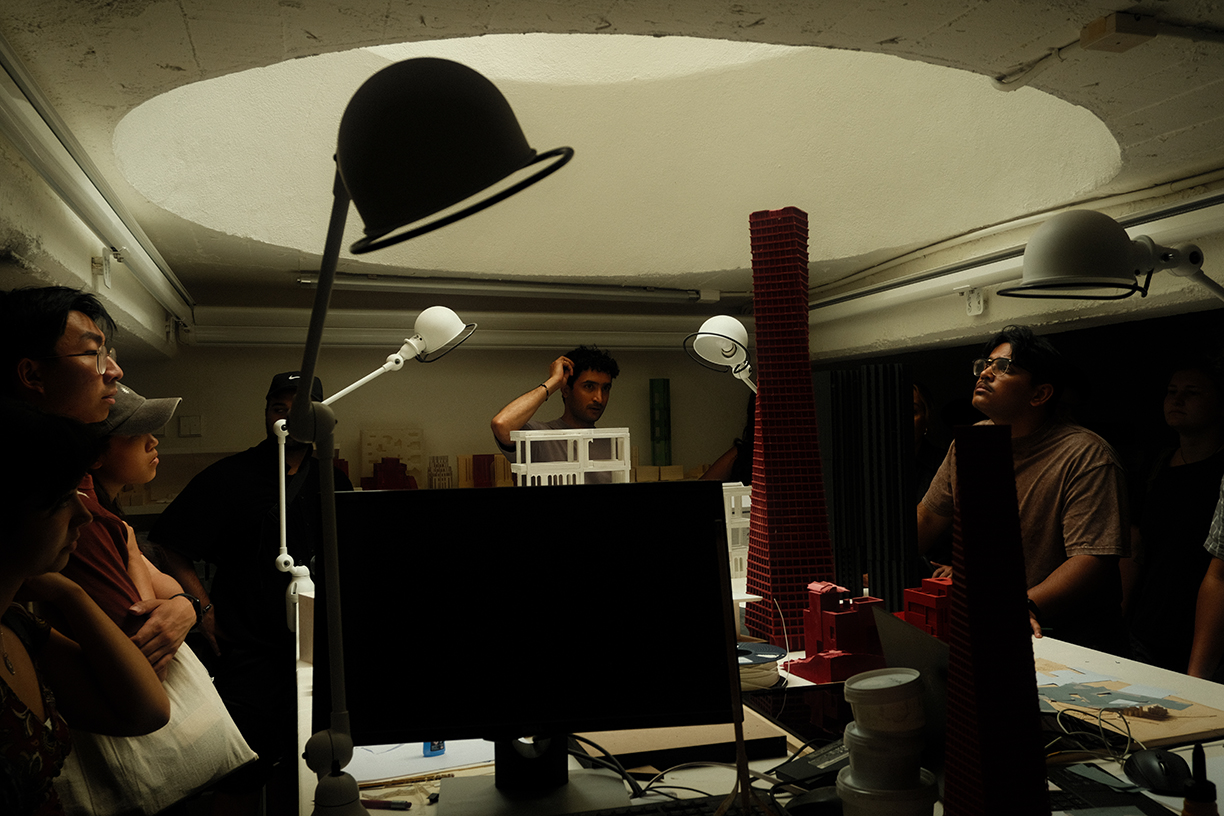
1. Model making room La Fabrica | Sidra Homam
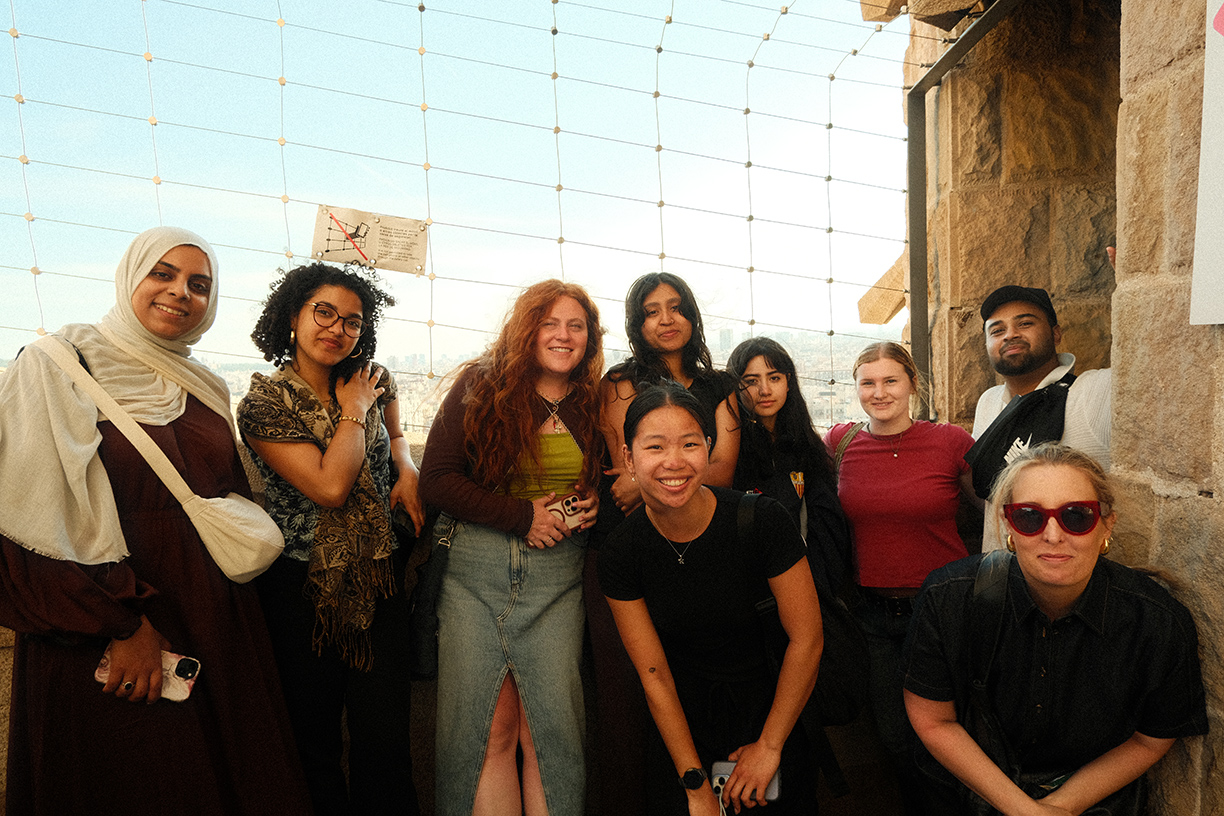
2. Cohort on the Tower of Sagrada Familia | Sidra Homam
The studio’s excursions offered students a broad and meaningful survey of Barcelona’s architectural landscape. Visits included iconic landmarks such as Antoni Gaudí’s Sagrada Familia, Park Güell, and Mies van der Rohe’s Barcelona Pavilion, as well as key urban interventions from the 1992 Olympic Games. Students explored the Picasso Museum, several contemporary buildings by international and local architects, and a wide range of cultural institutions and galleries. Highlights of the trip included guided tours of Walden 7 and La Fábrica, which provided insight into Ricardo Bofill’s visionary work, as well as a visit to the Fundació Enric Miralles, located near the EMBT studio, where students engaged directly with the legacy of Miralles and Benedetta Tagliabue.
Staying near the heart of the city, students were encouraged to engage with the city’s tactile experiences with a sketchbook, which formed the basis for final proposals developed during and after the trip.
Experiencing Barcelona was a transformative moment that fundamentally reshaped my perception of architecture. The interplay between public space, the people and the sense of place [...] revealed a connection between culture and urban design.
During their time in Barcelona, students discussed the tensions between preservation and modernism and observed how architecture integrates into the city's urban fabric. Students were able to develop their own design research of Barcelona's public and private ‘dwellings’ through informal critiques held in plazas, parks, galleries, and the footsteps of iconic architectural spaces such as the MACBA, spaces where design meets life.
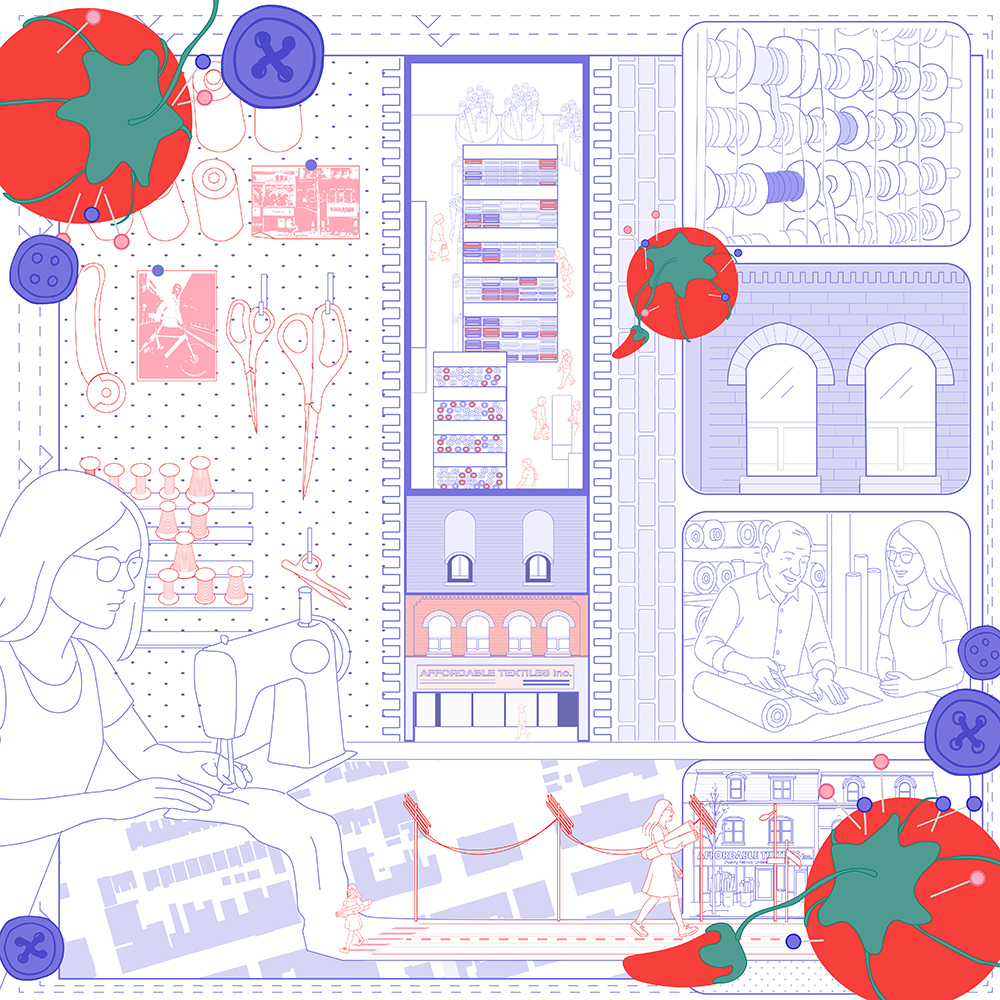
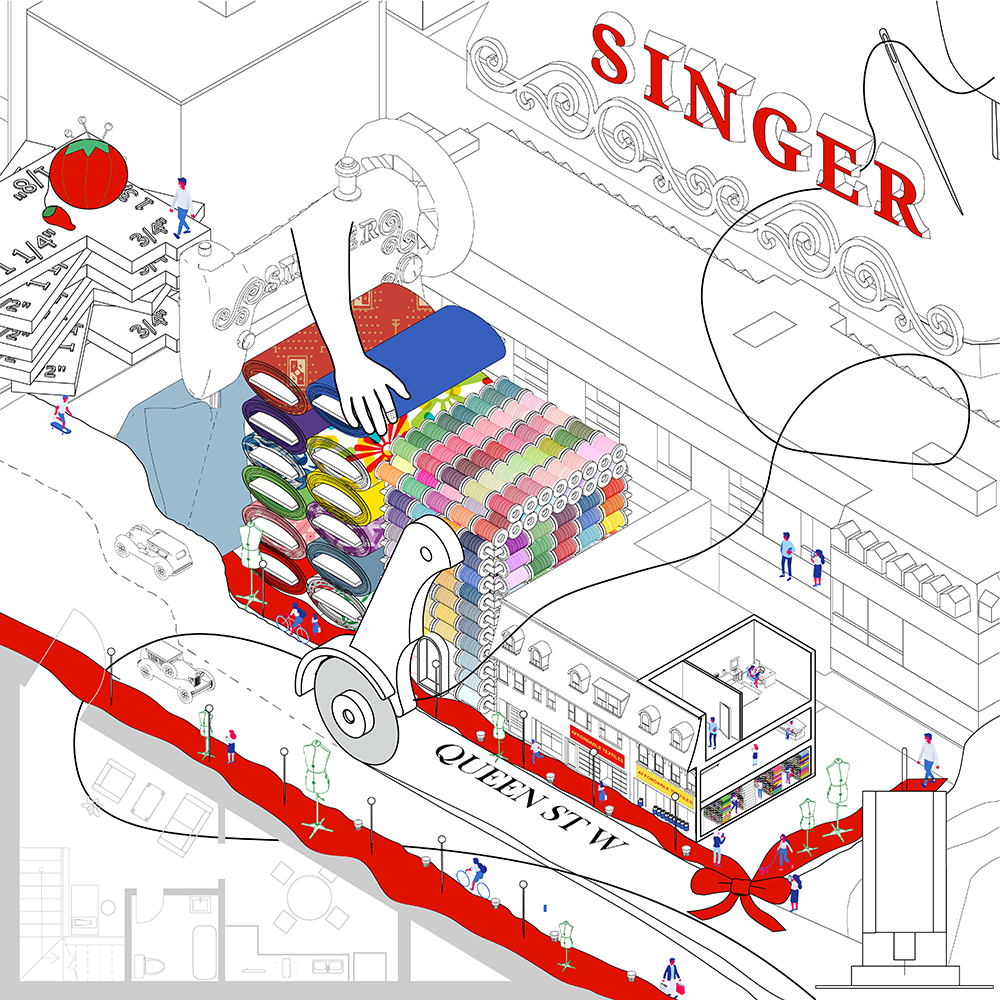
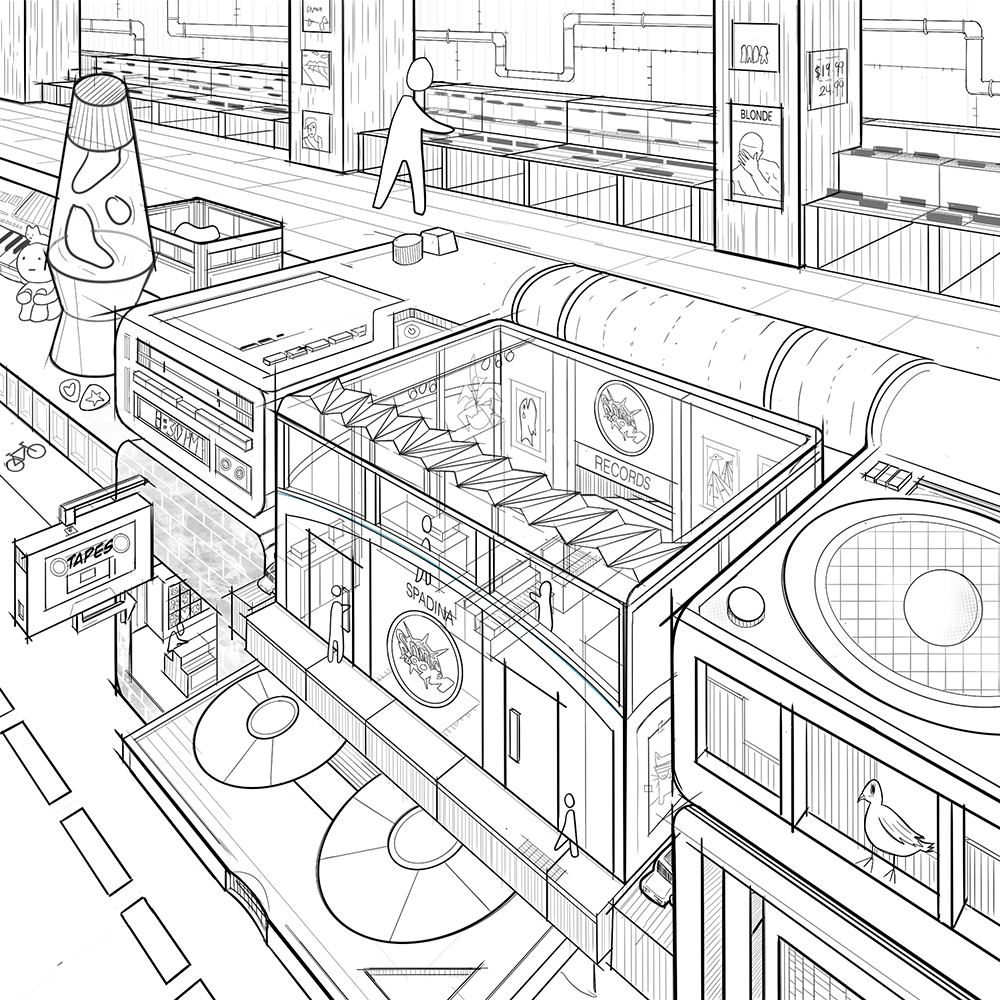
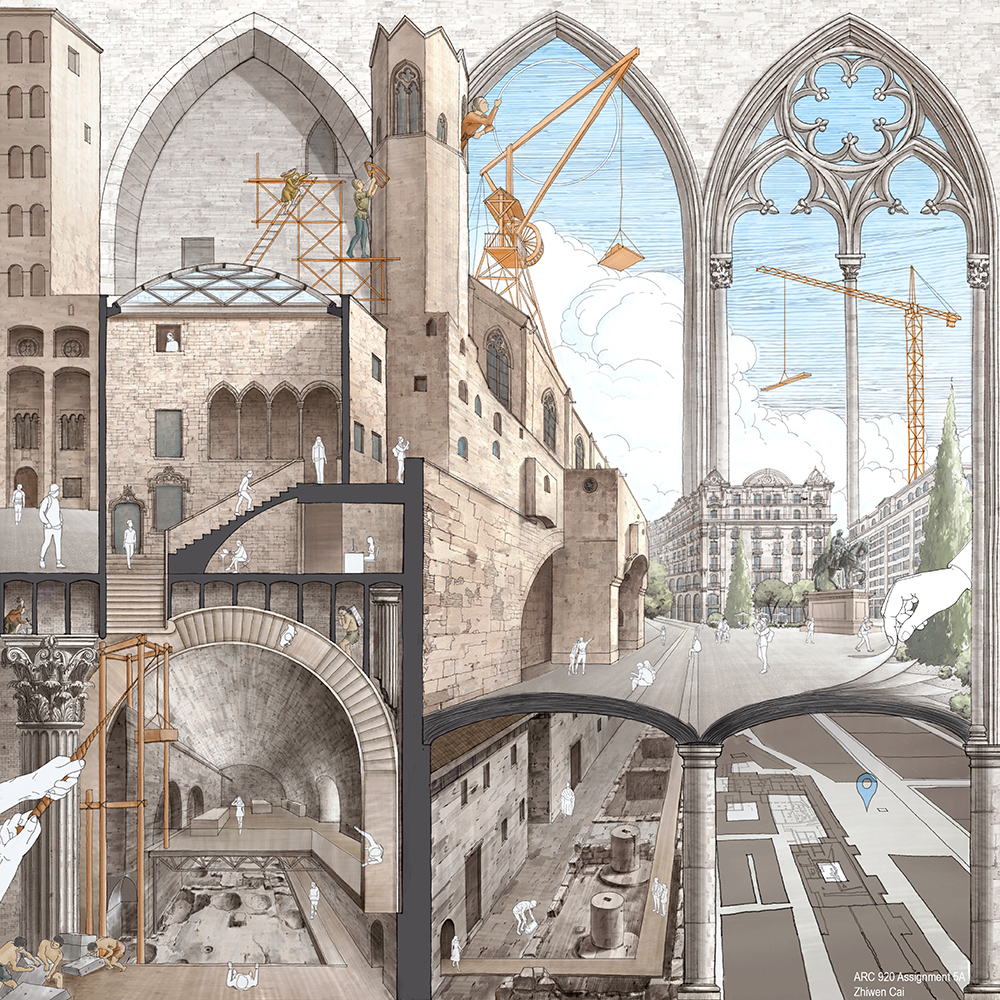
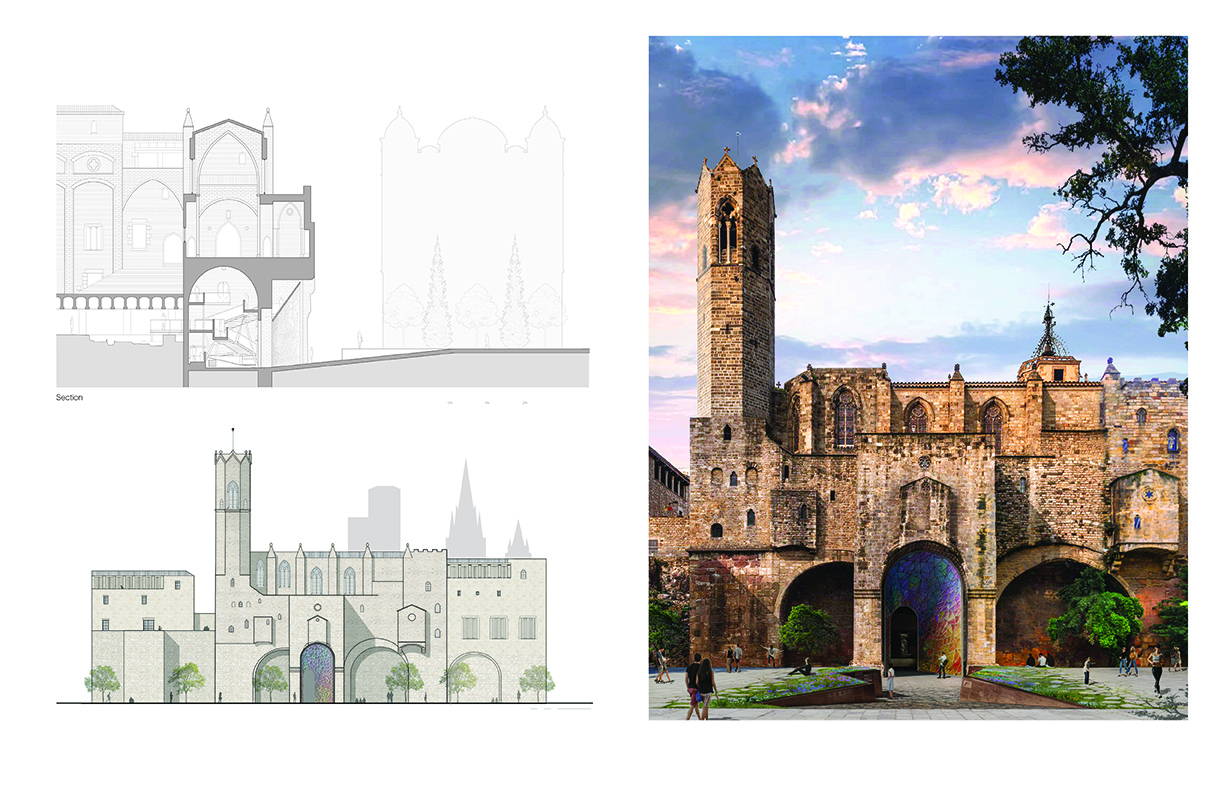
- Sidra Homam | Toronto
- Mikayla Burmania | Toronto
- Doha Ismail | Toronto
- Zhiwen Cai | Barcelona
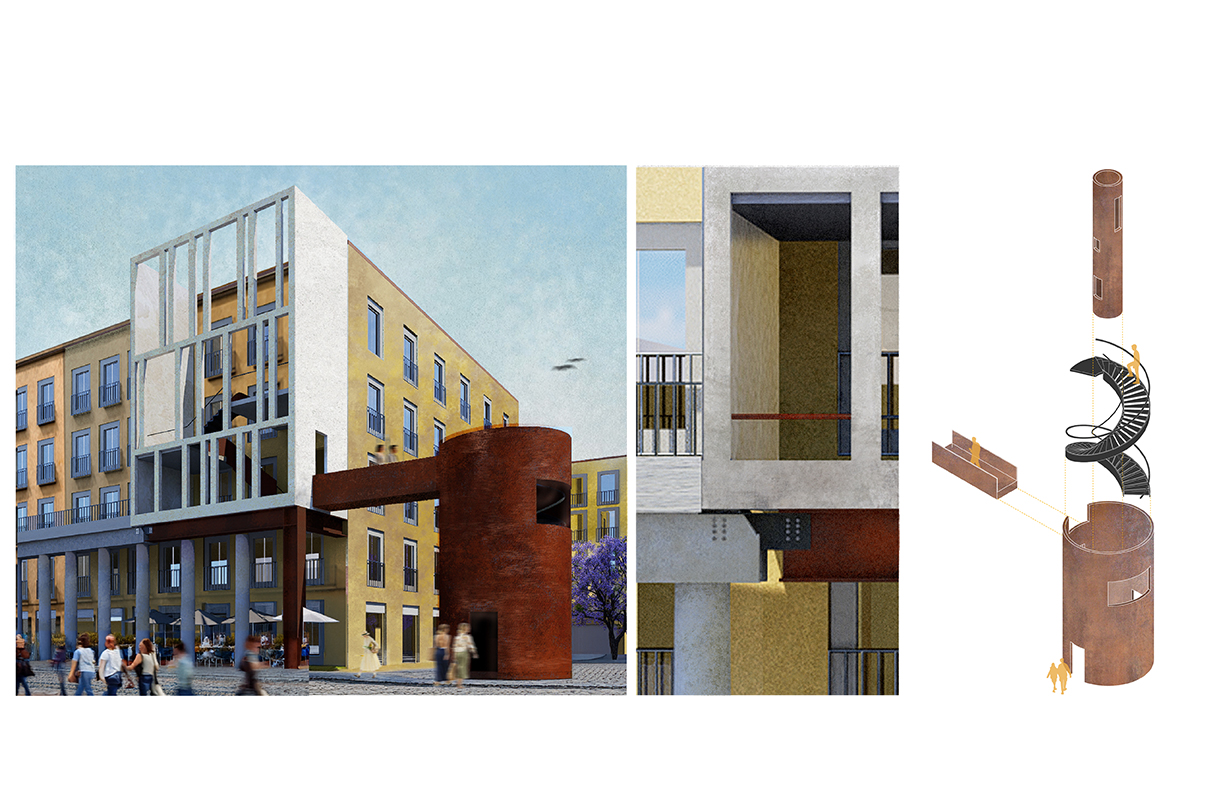
- Zhiwen Cai, Golara Pourvakil, & Aidan Chui | Barcelona Design
- Sidra Homam & Mikayla Burmania | Barcelona Design
The Barcelona portion of the studio concluded with student presentations at the Sagrada Familia Library, where groups shared their observations, design iterations, and proposed next steps. The session invited discussion within the cohort and welcomed constructive feedback from peers.
I really appreciated the freedom in our final project, especially the one in Barcelona. By simply walking though both the new and the old parts of the city, I got to learn a lot about Barcelona through the given lens of our project. It’s definitely been the highlight of my academic career so far!
The Barcelona Studio concluded as a comprehensive learning experience that bridged theory and practice through direct engagement with the built environment. By observing and analyzing the city's diverse architectural context students gained a deeper understanding of how architecture reflects cultural values, urban conditions, and spatial habits. The studio emphasized the City as a Museum by framing each space as a moment of connection between person and place.