“Growing up Modern” – Architecture Professor Exhibits Research in Situ

What was it like to grow up in an early Modernist villa or housing estate? Did living in such settings change children’s attitudes? Did these radical environments shape the way they looked at domestic space later in life? Were children in Modernist homes self-conscious about their avant-garde surroundings, or proud of them?
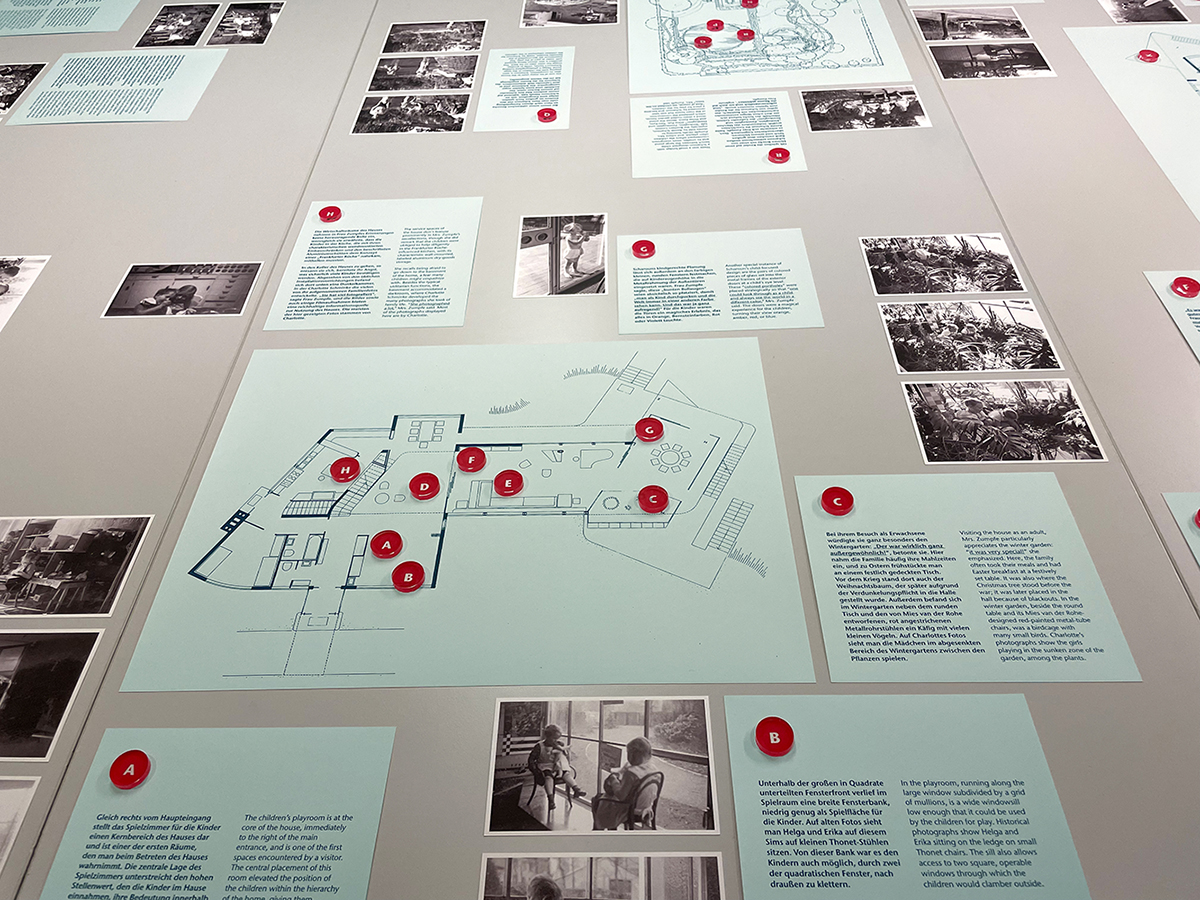
These are the questions that TMU architecture professor Julia Jamrozik and her partner Coryn Kempster asked when setting out to study some of the most iconic Modernist homes. The results were published by Birkhäuser press in 2021: Growing up Modern: Childhoods in Iconic Homes (external link) . And in summer 2024 an exhibition of the research was staged in one of the houses of study: Haus Schminke (external link) – the Schminke House realized by architect Hans Scharoun in Löbau, Germany, in 1933.
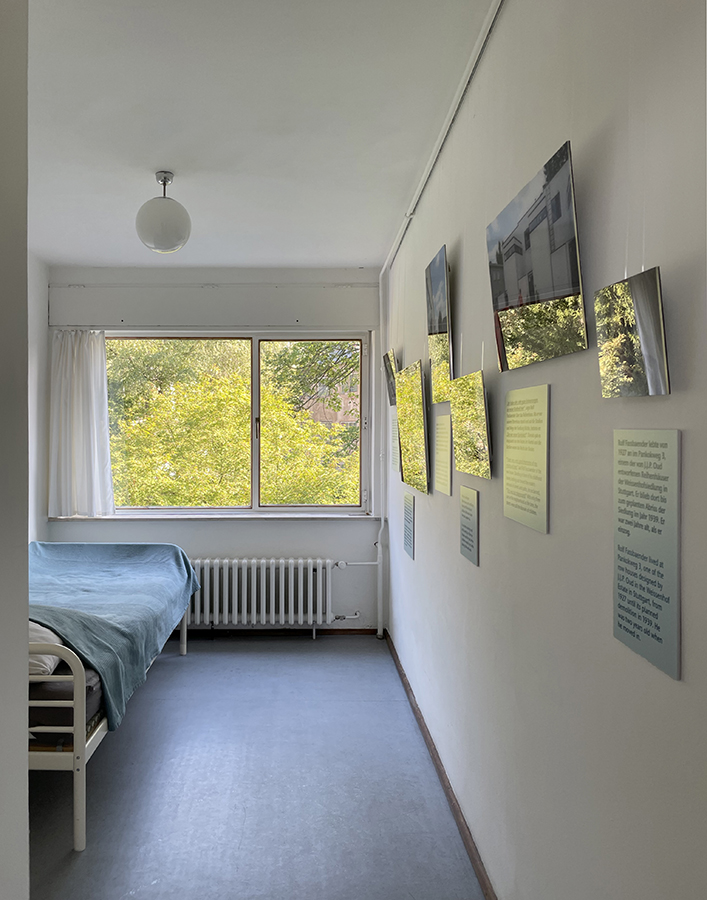
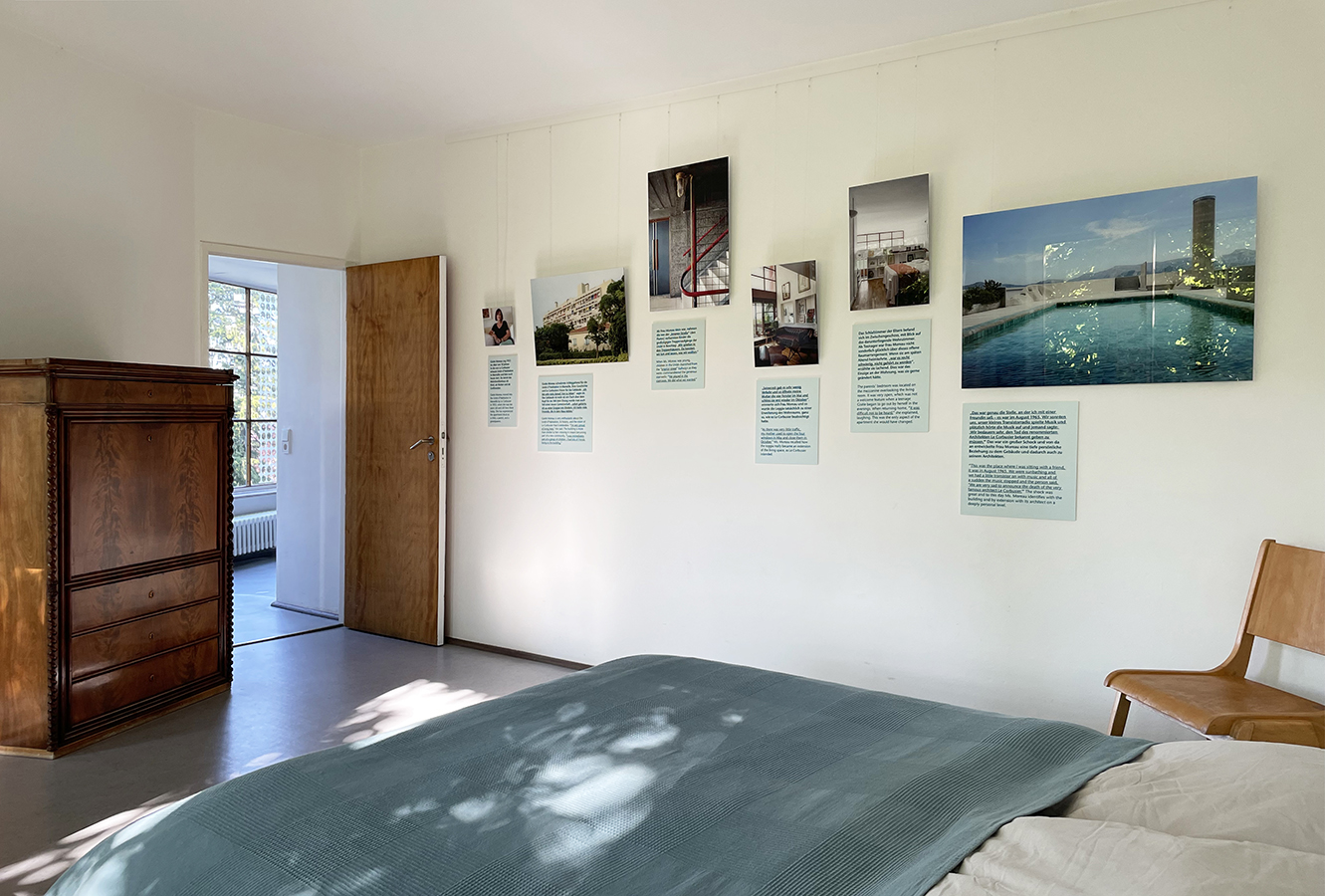
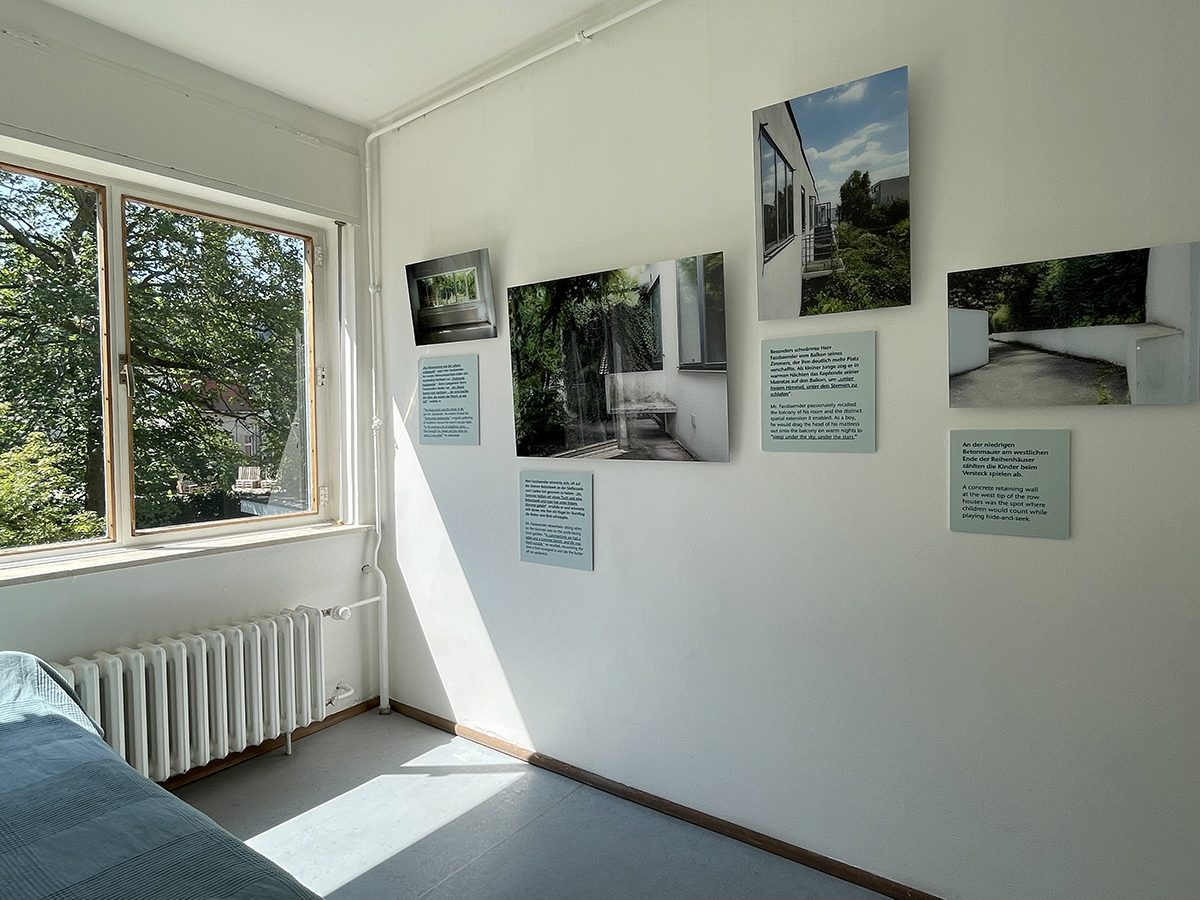
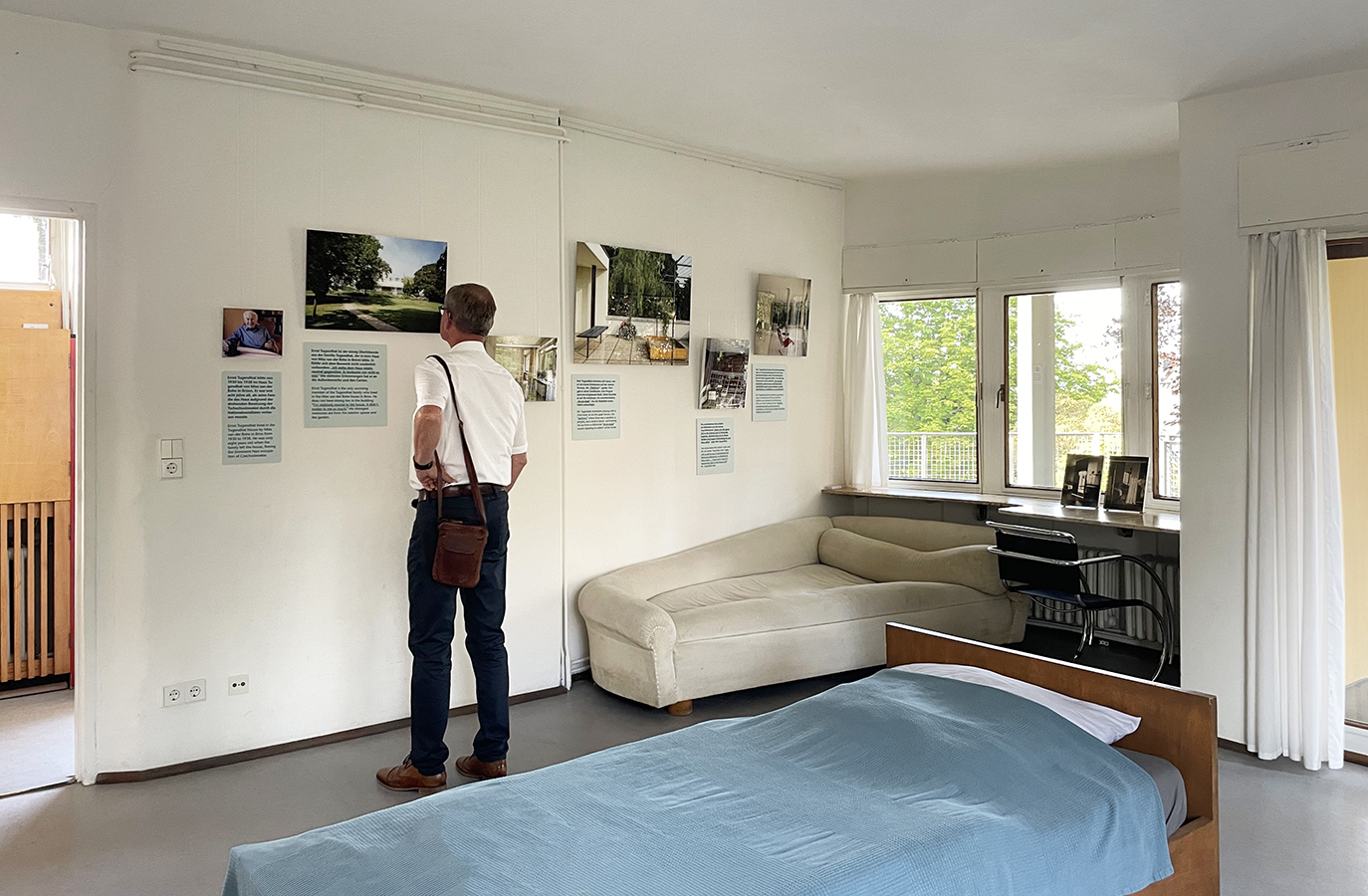
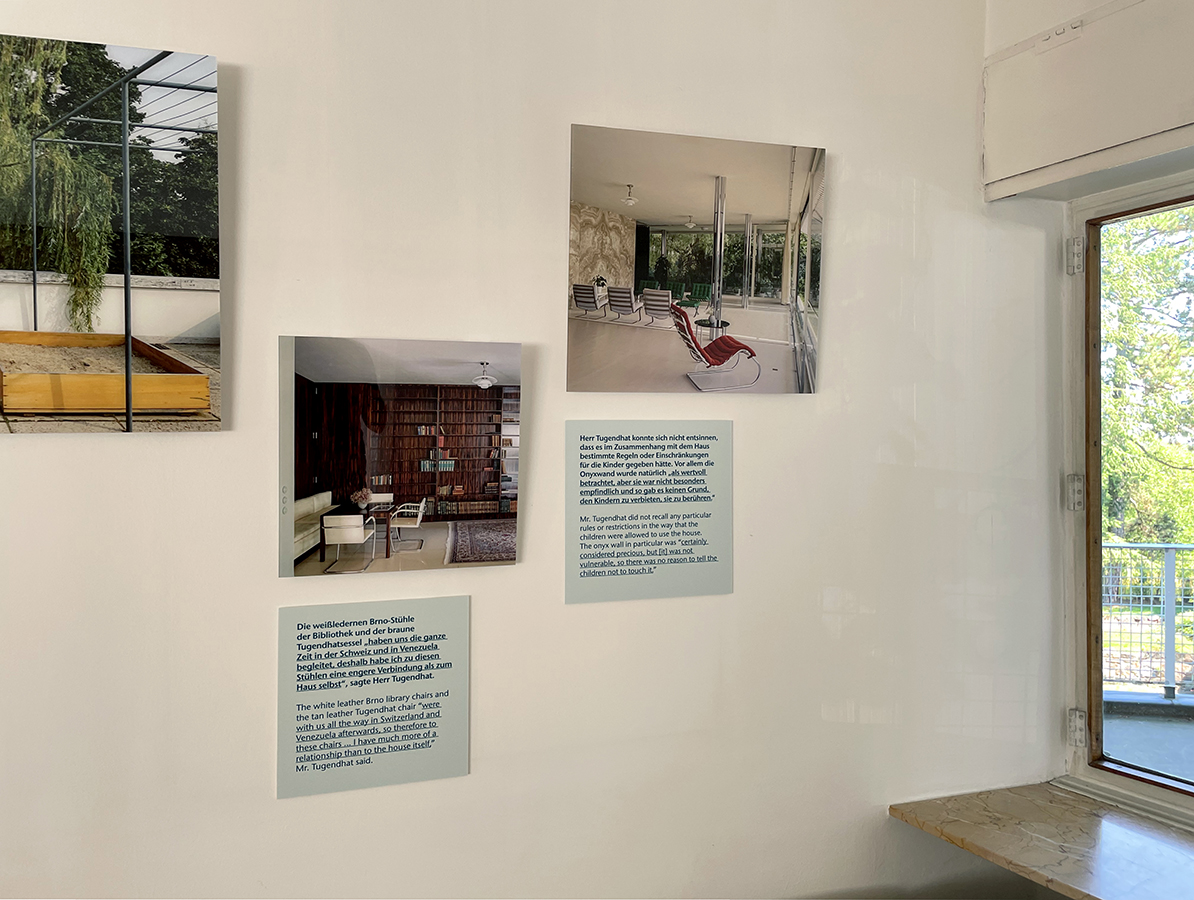
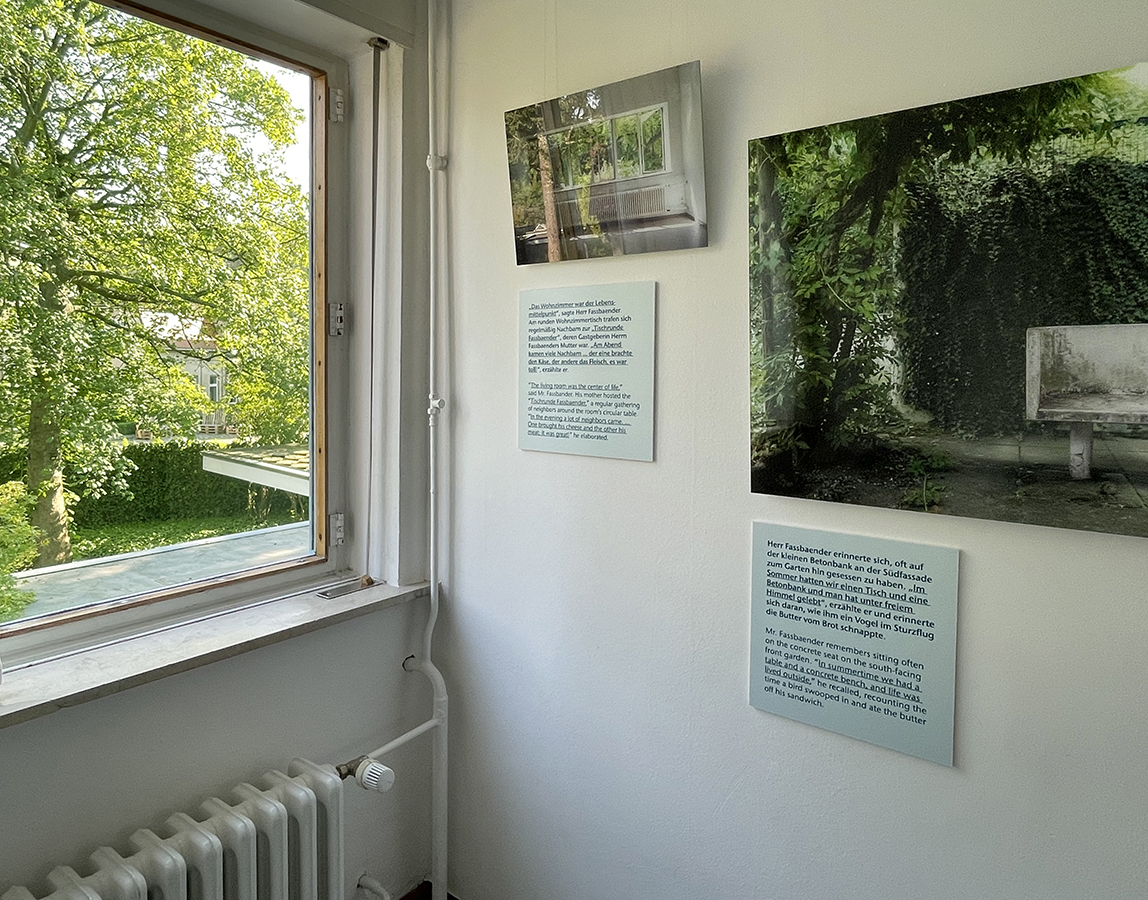
The exhibition looks directly to a group of four individuals, Rolf Fassbaender, Helga Zumpfe, Ernst Tugendhat and Gisèle Moreau, who were as children the first inhabitants of significant early Modernist homes and housing. Linking the spaces of Modern domesticity with the recollections of those who lived there provides an intimate perspective on Modernism in architecture.
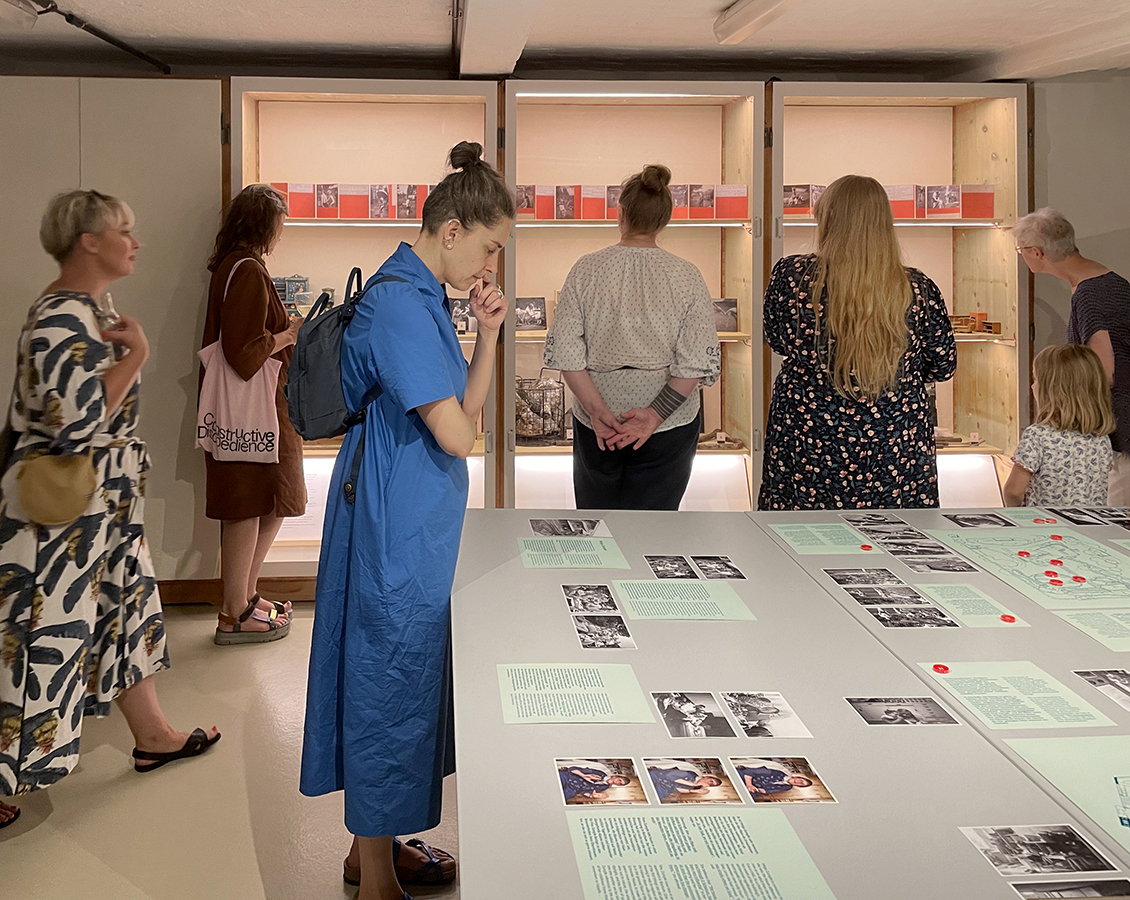
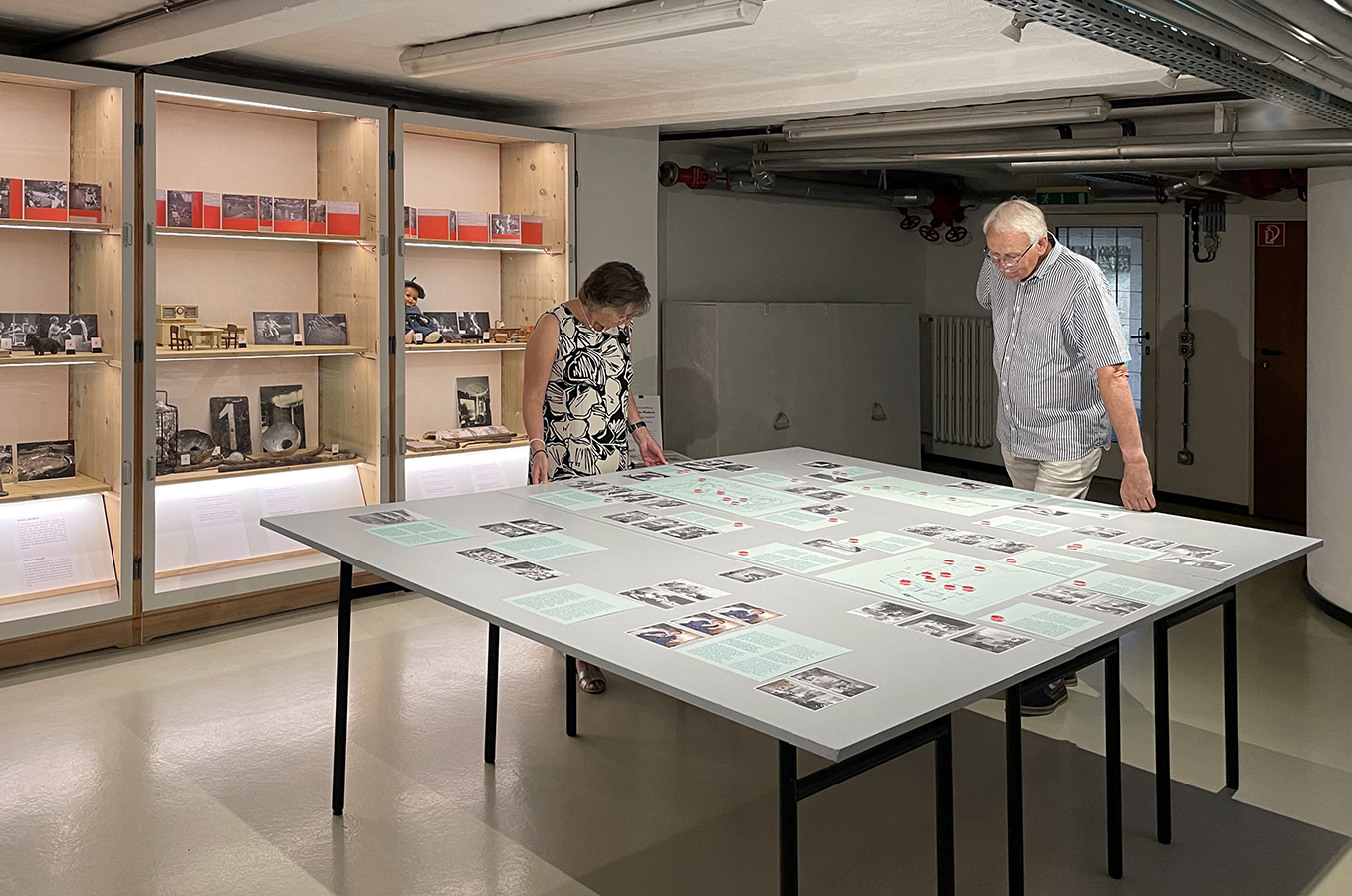
The oral histories collected by Julia Jamrozik and Coryn Kempster, are complemented by their contemporary atmospheric photography taken to resonate with the childhood memories of the inhabitants. The exhibition is mounted throughout the Schminke House, including in the basement. Also displayed are a few photographs of Jamrozik and Kempster‘s own child experiencing the house on their first visit in 2015.
The Schminke House was designed for Charlotte and Fritz Schminke and their four children, by Scharounn who became a friend of the family. The home centers family life in an open and light-filled interior and generous garden. Several aspects of the house were thought of specifically with the children in mind. Today the home functions as a museum and offers a unique experience to some of its visitors: the ability to stay overnight at the house.
According to Jamrozik, “ Displaying the documentation of children’s experiences in the Schminke House gives these stories both an intimacy and an importance that they deserve.”
The exhibit closes on September 29. 2024.
The special exhibition is sponsored by the Kulturraum Oberlausitz-Niederschlesien and supported by the Cultural Office of the City of Stuttgart and the Friends of the Weißenhofsiedlung e.V.