Three tenure-track professors join the Faculty of Science this fall
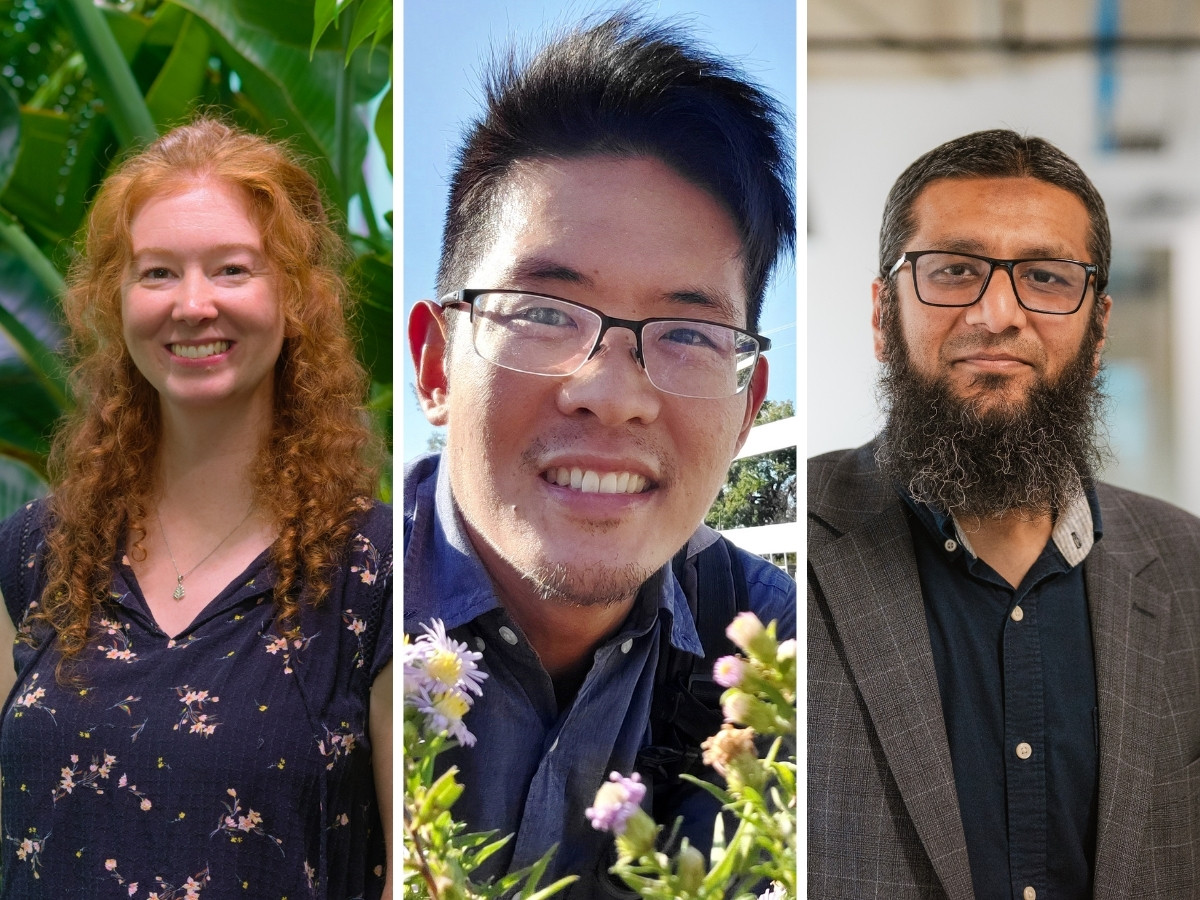
This fall, the Faculty of Science welcomes three new faculty members: Tia Harrison (Chemistry & Biology), James Hung (Chemistry & Biology), and Noman Mohammed (Computer Science). Learn more about our newest professors, who aim to continue building a collaborative and supportive teaching and research environment at TMU.
Tia Harrison, Assistant Professor, Department of Chemistry and Biology
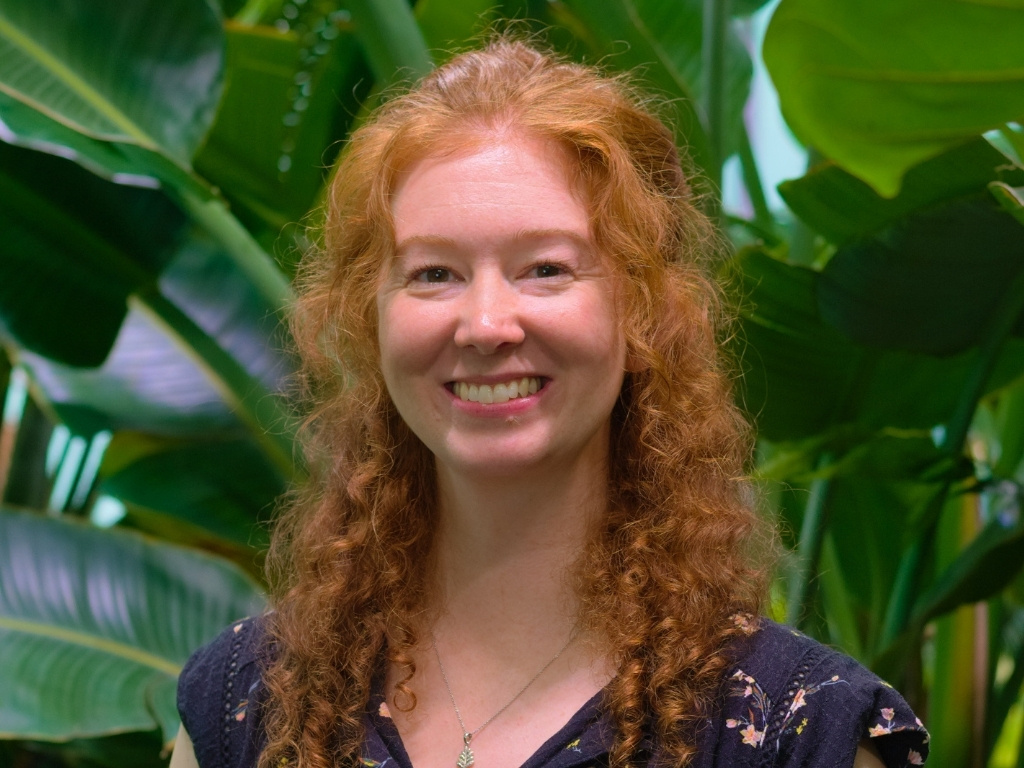
I study the legume-rhizobium symbiosis (a mutually beneficial interaction between leguminous plants such as soybeans, alfalfa, peas, and clover, and soil bacteria known as rhizobia), with a focus on how rhizobia and their plant hosts co-evolve across diverse landscapes, various host species, and microbial communities. To understand how evolution shapes this symbiosis, I use a combination of experimental evolution, genomics, and growth chamber experiments. My research has also taken me to Costa Rica, where I had the opportunity to teach a tropical ecology course and sample legumes in tropical ecosystems.
The project I am particularly proud of is a long-term experimental evolution study examining how interactions between rhizobia and non-rhizobial microbes shape rhizobial evolution. In this experiment, I evolved a focal rhizobial strain on soybean over multiple plant passages, both alone and in the presence of either a beneficial or pathogenic non-rhizobial microbe. The project required collecting root nodules and passaging rhizobia cells to fresh plants while avoiding contamination. What made this project especially rewarding was the collaborative environment it fostered. A team of graduate and undergraduate students participated throughout the experiment, contributing to data collection, maintaining the long-term experiment, and harvesting the final large-scale greenhouse experiment.
As I establish my lab, I hope to build a collaborative, supportive, and fun research environment that attracts curious students who are excited to work as part of a team. One of my favourite parts of science is sharing new discoveries with others, and I hope to foster that same enthusiasm in my students. Communicating research, whether to other scientists, industry partners, or the broader public, is an important part of the scientific process. I look forward to strengthening the connections between my research on fundamental questions about the evolution of symbiosis and real-world applications in agriculture.
Outside of science, I practice and teach yoga, which has become important for maintaining a good work-life balance. I have taught hatha, restorative, and aerial yoga, completing my teacher training in Toronto and participating in yoga workshops in India. I also enjoy reading, baking, hiking, and crocheting. Crochet has become a creative outlet for me and occasionally intersects with my scientific interests. I have designed my own crochet patterns inspired by my study organisms, including rhizobia, Pseudomonas, and a bean plant.
Keng-Lou James Hung, Assistant Professor, Department of Chemistry and Biology
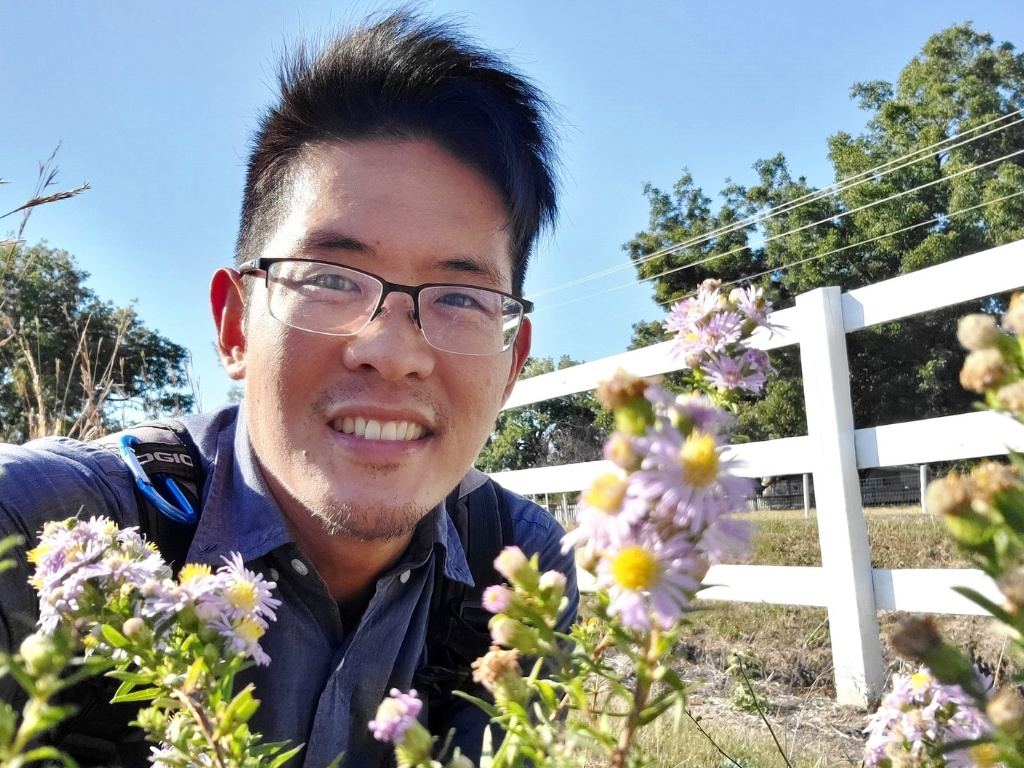
My overarching research goals are to better understand how environmental change (such as habitat loss and climate change) impacts pollinator communities and the crucial ecosystem functions they provide. I use that knowledge to develop solutions to protect pollinator species and populations from decline. A shorthand catchphrase for my research program could be “what’s happening to native pollinators, and what can we do about it?”
My philosophy is that in this age of widespread access to information, the role of a teacher needs to shift from simply imparting knowledge and concepts to helping students construct a meaningful framework for the knowledge and concepts they have access to. This philosophy involves teaching skills such as critical thinking and hierarchical knowledge organization, as well as providing clear rationale and real-world applications for the content and concepts introduced in class. Additionally, in the age of AI, a teacher has the uniquely human role of sparking student engagement with a subject by modelling genuine interest and excitement.
I tremendously enjoyed both of those postdocs, but I’ll focus on the U of Toronto postdoc project because it’s more locally relevant. We tracked the movement patterns of different kinds of bees as they flew around apple orchards, and then used the field data to construct simulation models to deduce which kind of bee provided the best pollination service in different orchard settings. I loved the project in part because of how low-tech it was - we only needed stopwatches and clipboards to collect data in the field, and a basic computer to run the simulations. I also loved that the results were immediately useful to apple growers, informing them on how best to arrange their orchard for maximum pollination efficiency.
I look forward to contributing to the teaching mission of the Department of Chemistry and Biology at TMU – to train a generation of students who can take a solutions-oriented approach to urban ecology and conservation biology. I also look forward to building a research program that will generate new and applicable knowledge on the conservation of pollinators and pollination services in urban and agricultural ecosystems in southern Ontario. Lastly, I aspire to be deeply connected to the local community of naturalists, whether in government agencies, First Nations, NGOs, or hobbyist organizations, such that I can maintain a public-facing venue to advocate for nature conservation.
Outside of work, I enjoy spending time outdoors with my kids, making music and food with my wife, working with youth at my church, growing fruits and vegetables, developing my handyman skills, and photographing insects.
Noman Mohammed, Associate Professor, Department of Computer Science
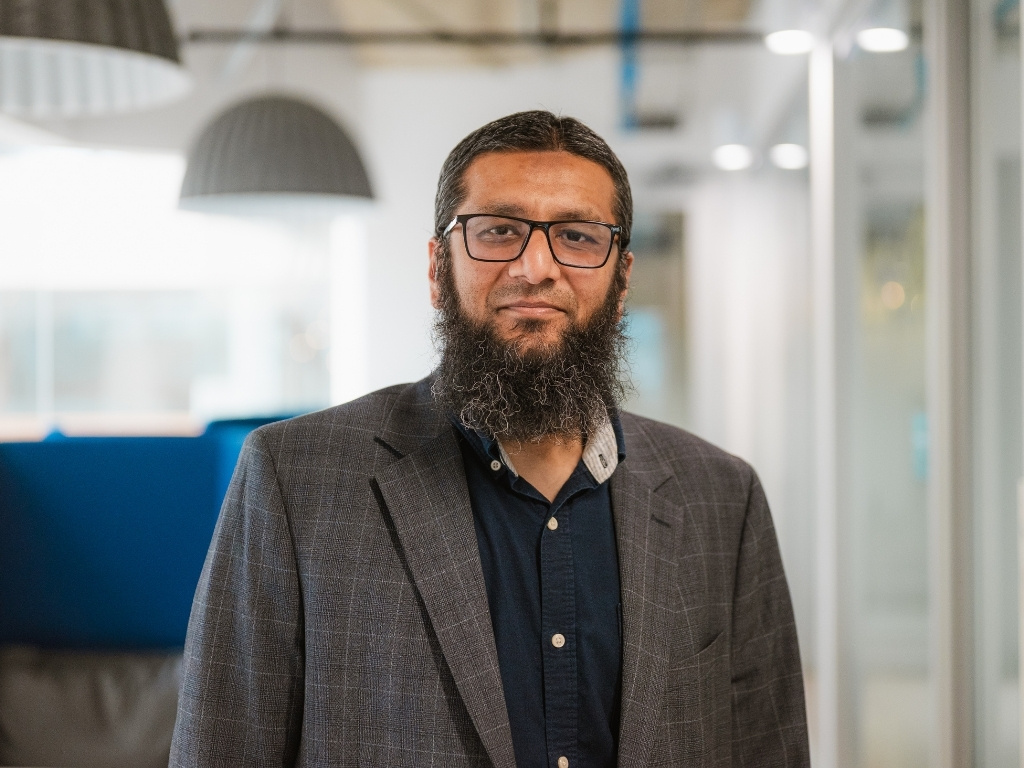
Data is often described as the fuel of today’s digital world. It drives innovation, improves systems, and supports growth across many sectors. This ability to fuel the digital world is made possible by technologies that can store, combine, and analyze the digital traces we leave behind in our everyday lives. While this data can provide valuable insights and help solve important problems, it can also raise significant privacy concerns because it often contains sensitive personal information.
My research focuses on addressing this challenge by developing methods that enable data to be shared and analyzed safely while protecting individual privacy. In particular, I am interested in privacy-preserving technologies and their applications in sensitive areas such as healthcare, where balancing data utility and privacy is crucial.
If I had to pick one, it would be an undergraduate computer security course. The course explored why security breaches happen and how they can be prevented. It covered a broad range of topics, giving students a strong overall understanding of the field without focusing too deeply on any single area. It also included hands-on lab assignments that gave students practical experience and reinforced key concepts. What I enjoyed most about teaching this course was the level of interaction with the students. The classes were highly engaging, filled with questions and discussions. Students especially enjoyed investigating why systems did not work and learning how to fix them. They also appreciated the lab assignments, which helped them better understand the material and strengthened their overall learning experience.
My teaching philosophy centers on helping students develop strong critical-thinking skills that enable them to apply knowledge to real-world problems. I believe that the role of an instructor is not only to deliver content but also to guide students in learning to think independently and to approach complex problems effectively. To support this goal, I strive to connect theoretical concepts to practical applications in my lectures so that students can better understand their relevance. I also incorporate hands-on lab assignments, as I believe students learn best through active engagement and experience. In addition, I aim to create an interactive classroom environment that encourages participation and discussion, as these interactions help reinforce key ideas and deepen understanding.
Overall, my teaching approach emphasizes engagement, practical learning, and critical thinking to prepare students to succeed beyond the classroom.
Cybersecurity is a rapidly evolving field, and I look forward to contributing to its growth at TMU by developing courses that prepare students to address real-world security and privacy challenges. The recent launch of the Bachelor of Science in Cyber Science program makes TMU an especially exciting environment in which to design and introduce such courses, and to help shape the next generation of cybersecurity education.
On the research side, I aim to pursue work that helps individuals better safeguard their privacy in an increasingly connected digital world. As computing and communication technologies become further embedded in everyday life, protecting personal information has never been more important. I am particularly interested in developing practical tools and approaches that empower individuals to understand privacy risks and take greater control of their data.
Outside of work, I enjoy reciting the Quran, reading, and spending time with family and friends.
For a full list of all Faculty of Science professors, visit our Faculty Directory.