Social Justice Pedagogies Program
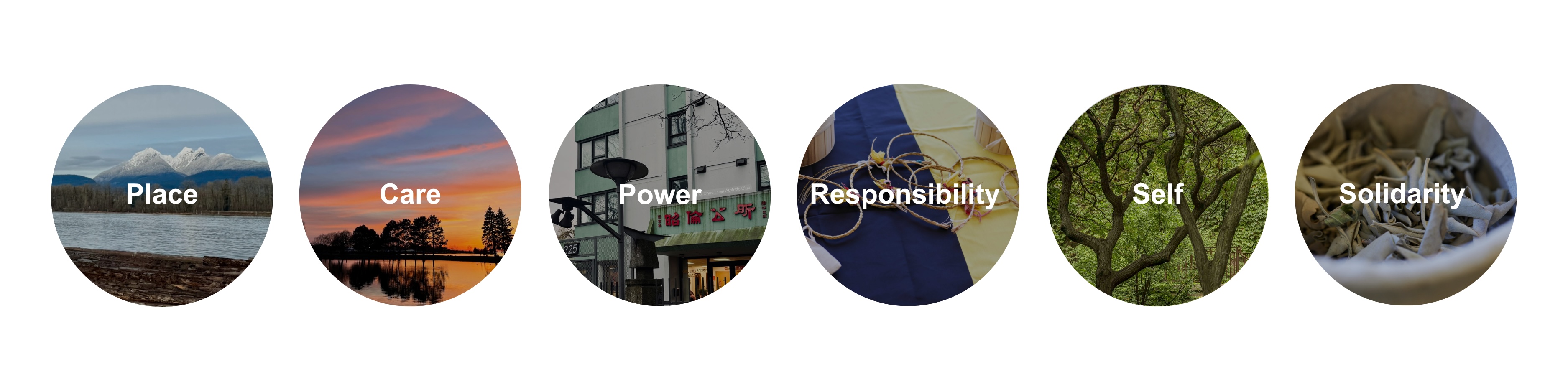
The Social Justice Pedagogies Program (SJPP) is a cohort-based,in-person program that explores how we might build a more just and equitable world through teaching and learning, understanding that the classroom is a place for community building, where we’re seeking to develop future engineers and nurses and fashion designers, yes, but also responsible and ethical citizens. Through a curriculum that interrogates topics like power, care, access, and responsibility we will explore how we might better understand, resist, and transcend oppression through our responsibilities as educators.
Applications for the 2026/27 program are now closed. Thank you for your interest in the program!
This program aims to support instructors by offering a space to (1) collectively learn and grow from one another around our shared commitments to social justice, and (2) to foster a community of educators invested in building a more just and equitable world and modelling new paradigms and ways of being for students.
As part of the program, participants will participate in weekly discussions and develop their own interventions that apply social justice frameworks to their teaching. At the culmination of this program, participants will showcase and celebrate these interventions in a community event. Please note that this program is designed to enrich participants' existing practices and commitment to social justice, rather than serve as a first introduction to social justice concepts.
By the end of the course, participants will be able to:
- Contribute to a community of support for faculty invested in social justice.
- Advance justice, equity, and liberation through their teaching and learning at TMU.
- Engage in reflective practice and self-location as approaches to teaching and learning development.
This 8-month experience consists of two parts:
- Fall 2026: Weekly in-person meetings from September to November to engage in thematic discussions and build community with educators invested in social justice pedagogies. These in-person sessions will be highly dialogical with regular opportunities for each participant to envision their own social justice teaching intervention to be implemented in the Winter 2027 semester. Meetings will be 2 hours long and we will work with participants to schedule time(s) that work for everyone.
- Winter 2027: Participants will enact their social justice teaching intervention in their courses, with monthly check-ins to continue fostering community and learning and offer a brave space to share challenges encountered.The program will culminate in a community gathering to showcase and celebrate each participants’ teaching intervention.
This program is open to up to 10 faculty and contract lecturers and runs from September 2026 to May 2027.
Participants may submit an (google form) Expression of Interest (external link) (deadline August 14, 2026), and will be selected based on their demonstrated experience or knowledge of social justice, their interest or need for community support and learning, and their commitment to engaging in a community dedicated to social justice. We aim to bring together a cohort of individuals with diverse lived experiences, interests, and fields who can innovate with each other and are committed to fostering a safe and supportive community.
Participants must also:
- Be actively teaching and/or plan to teach in Winter 2027.
- Attend in-person weekly meetings from September 2026 to November 2026 and monthly check-ins from January to May 2027.
- Present their social justice teaching interventions at a community gathering in May 2026.
Our guiding pedagogical framework:
Embodied and embedded knowledge transmission
As instructors, we will model embodied forms of knowledge production by inserting our own positionalities and lived experiences in relation to the concepts we are exploring, and encouraging others to do the same. We will also mirror our own methodologies for solidarity within our relationship as instructors, as a framework for this program.
Responsive and shifting curriculum
We will offer this program thematically in a way that is responsive to the lived experiences, wants and needs of the participants, as well as responsive to the current moment.
Relational learning and building community
Our pedagogy will be explicitly relational and will utilize sitting in circle and whole body learning. Our intention is to build meaningful and intimate community within the program.
Place-based methodologies
We will take land and place seriously, and will start with where we stand as an anchor and orientation to our discussions that will traverse global contexts. Part of this course may involve a walking tour together and visiting specific site locations that deepen our learning.
We thank Quill Christie-Peters for her contributions in shaping the framing and approach of the program. Quill’s work conceptualizing and co-facilitating the inaugural Social Justice Pedagogies Program has had an enduring impact and will continue to colour this and future offerings of the program.
Who we are
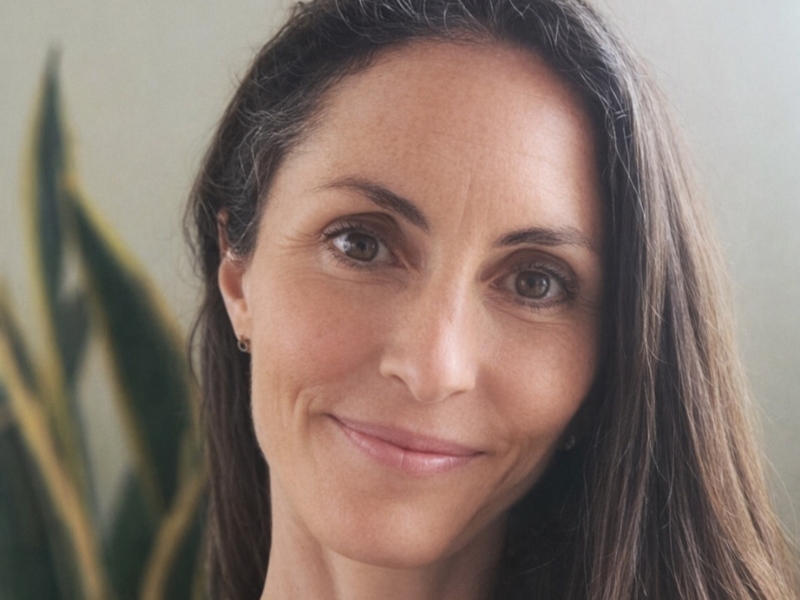
Lauren Spring (she/her) is a cis-gendered, able-bodied educator, and arts-based researcher. As an Educational Developer, created and hosted the podcast series "My Favourite Lesson" where she spoke with faculty about their teaching challenges, strategies, and how and when aspects of their identities intersect with class content and conversations. Season 2 of the podcast inspired a SoTL-based research project that Lauren and her collaborator recently wrote about for a chapter in a book that is part of Palgrave Macmillan's series on the Politics of Mental Health and Mental Illness. Lauren has also taught in many different programs and departments at the undergraduate and graduate levels (Education, Leadership, Sociology, Equity and Critical Disability Studies, Global Studies, Social Work, Critical Studies in Improvisation, and with the Interdisciplinary Centre for Health and Society and the School of the Environment) at various post-secondary institutions (University of Toronto, Brock, Wilfrid Laurier, University of Guelph, Conestoga College). Lauren's doctoral and post-doctoral research focused on arts and community-based approaches to adult education about complex and emotionally-charged topics (e.g. military trauma, human sex trafficking, eating disorders) and Lauren continues to be fascinated by, and deeply engaged with this work.
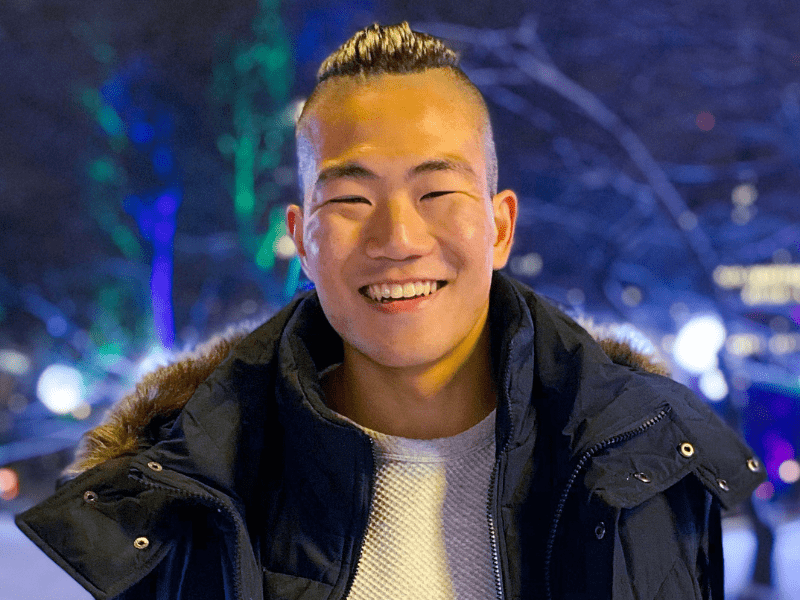
Jacky Deng, PhD (he/him) is a cis-gendered, able-bodied, and racialized Chinese-Canadian settler educator and researcher. Jacky holds a PhD in chemistry education research and has led national and international projects focused on improving and studying equity, diversity, and inclusion (EDI) in education and research. He is an Associate Editor for the Canadian Journal for the Scholarship for Teaching and Learning (CJSoTL) and a member of the Canadian Society of Chemistry's Working for Inclusion, Diversity, and Equity (WIDE) Committee. In addition to teaching, learning, and research, Jacky is passionate about Asian Canadian/American activism, basketball, and music.
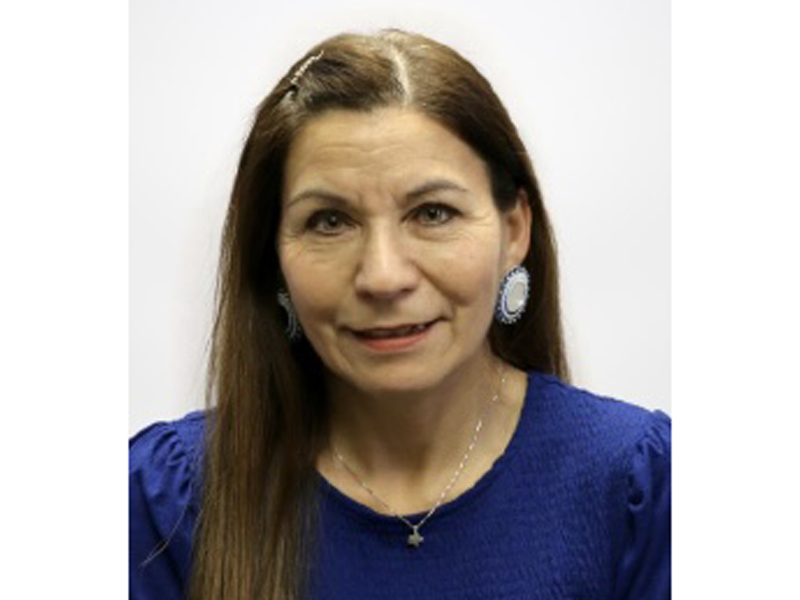
Carol Ducharme (she/her) is Saulteaux and a member of Keeseekoose First Nation (Treaty 4). She has an interdisciplinary background in Dental Hygiene, Adult Education, Indigenous Education, Indigenous pedagogies, and curriculum integration. Her work is shaped by relational values, lived experience, and Indigenous teachings shared through relationships with Elders, Knowledge Keepers, communities, and learners. She teaches part-time in Indigenous Studies at Durham College and has contributed to Advisory Circles with the Durham School Boards, George Brown College Pre-Programs, and Lakeridge Health Ajax/Pickering, bringing community-informed perspectives to collaborative committee work.
She holds a Master of Education and a Diploma in Dental Hygiene, along with additional training in trauma-informed approaches. Sharing knowledge and responsibilities is a central motivator in her work. She embraces learning spaces where learning is approached with humility, accountability, respect, and reciprocity. She is a true believer in collaboration who values working alongside others, sharing ideas, and learning together in ways that build meaningful relationships and collective understanding.
Contact
You can learn more about the SJPP by contacting the facilitators: Lauren Spring (lauren.spring@torontomu.ca), Jacky Deng (jackydeng@torontomu.ca), and Carol Ducharme (carol.ducharme@torontomu.ca).