Lincoln Alexander Law hosts first-of-its-kind Canadian conference on feminist dispute resolution
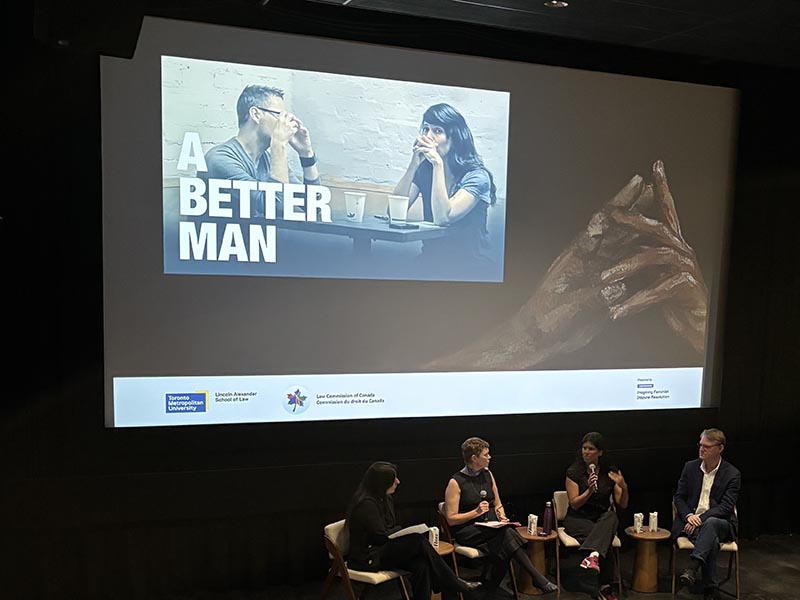
The two-day conference held on March 26-27, 2026 kicked off with a screening of A Better Man at TIFF Lightbox, exploring themes of intimate partner violence and alternative dispute resolution.
In A Better Man, filmmaker Attiya Khan confronts her ex-boyfriend, Steve, about the near-daily verbal, racist, and physical abuse that he inflicted on her more than two decades earlier, when she was a teenager.
The history of abuse takes many conversations to unearth. At first, Steve doesn’t recall many of the details. As they revisit the neighbourhood where they lived and the school they attended, Steve remembers more. He becomes more aware of the toll that this had on Khan, and he strives to hold himself to account. Khan feels a sense of justice and healing – she can sleep better and is less fearful. “I never believed that it was that bad, even within our relationship, at times I just thought I was crazy,” she says in the film. “Now that we’re acknowledging this, and we’re talking about it, I can move past that, to think about the full story.”
The film shows a different kind of dispute resolution than what is typically offered by the courts, one that centres the survivor’s needs, results in true accountability, and expands our understanding of why people commit violence and how to prevent it.
The film screening was a compelling way to kick off the two-day Imagining Feminist Dispute Resolution conference, which was held this past March and spearheaded by Lincoln Alexander School of Law’s Professor Jennifer Orange and alumna Sabrina Khela. Following the screening, a panel discussion was held with Orange, Khela, Khan, and Tod Augusta-Scott, a therapist who facilitated conversations in the film. The panel explored the themes of dispute resolution raised in the film, including the role that people responsible for harm can play in a feminist dispute resolution process.
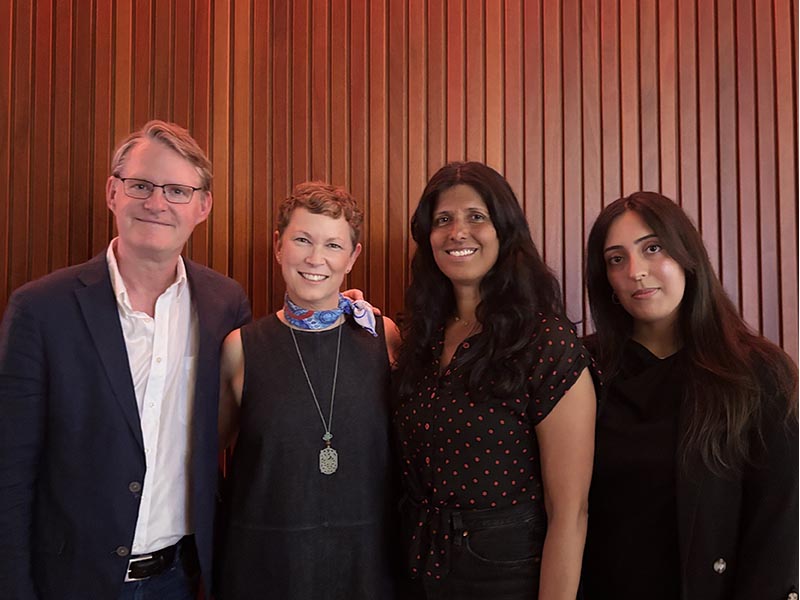
L-R: Tod Augusta-Scott, Prof. Jennifer Orange, Attiya Khan, and Sabrina Khela pictured before the event.
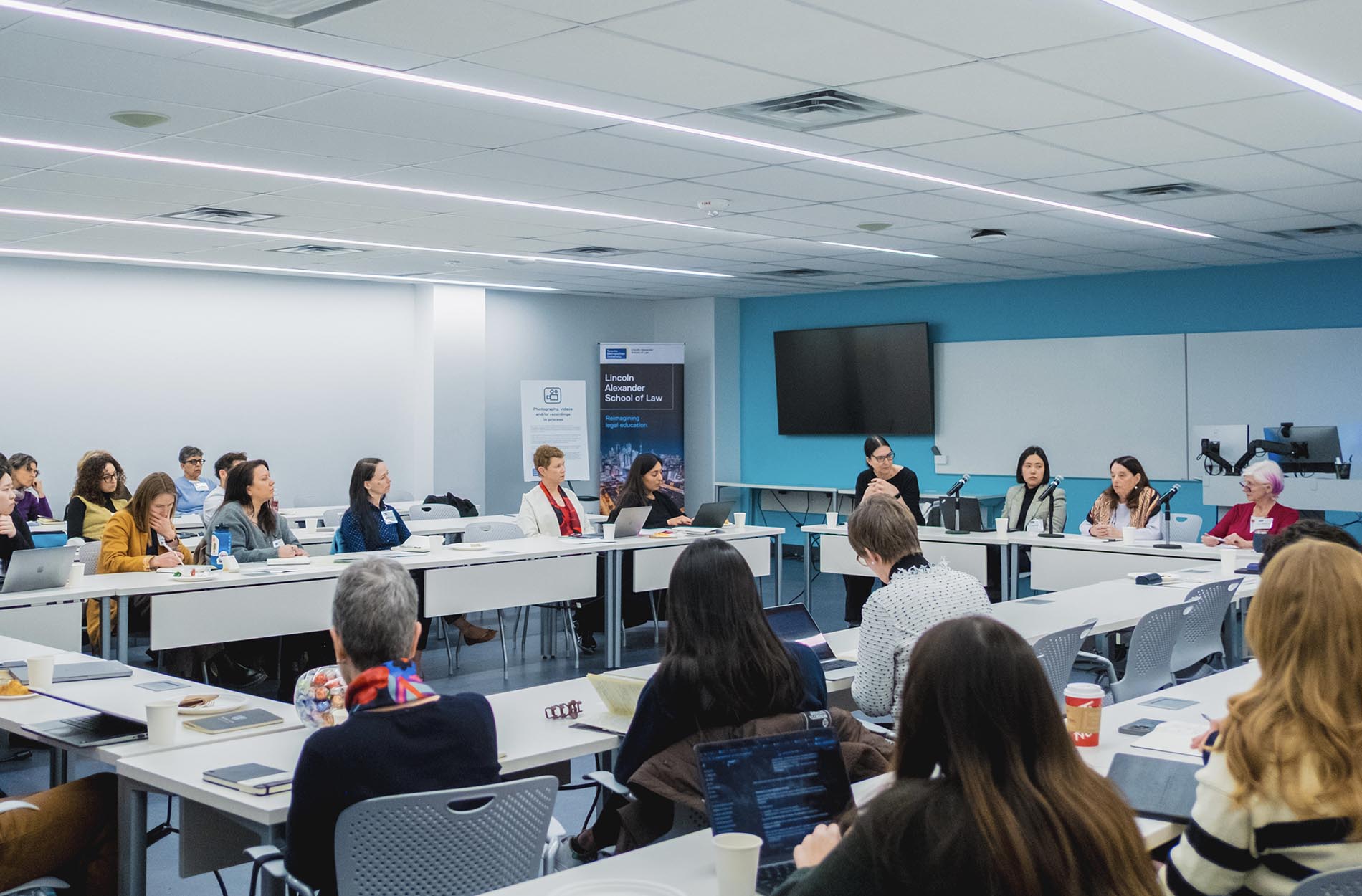
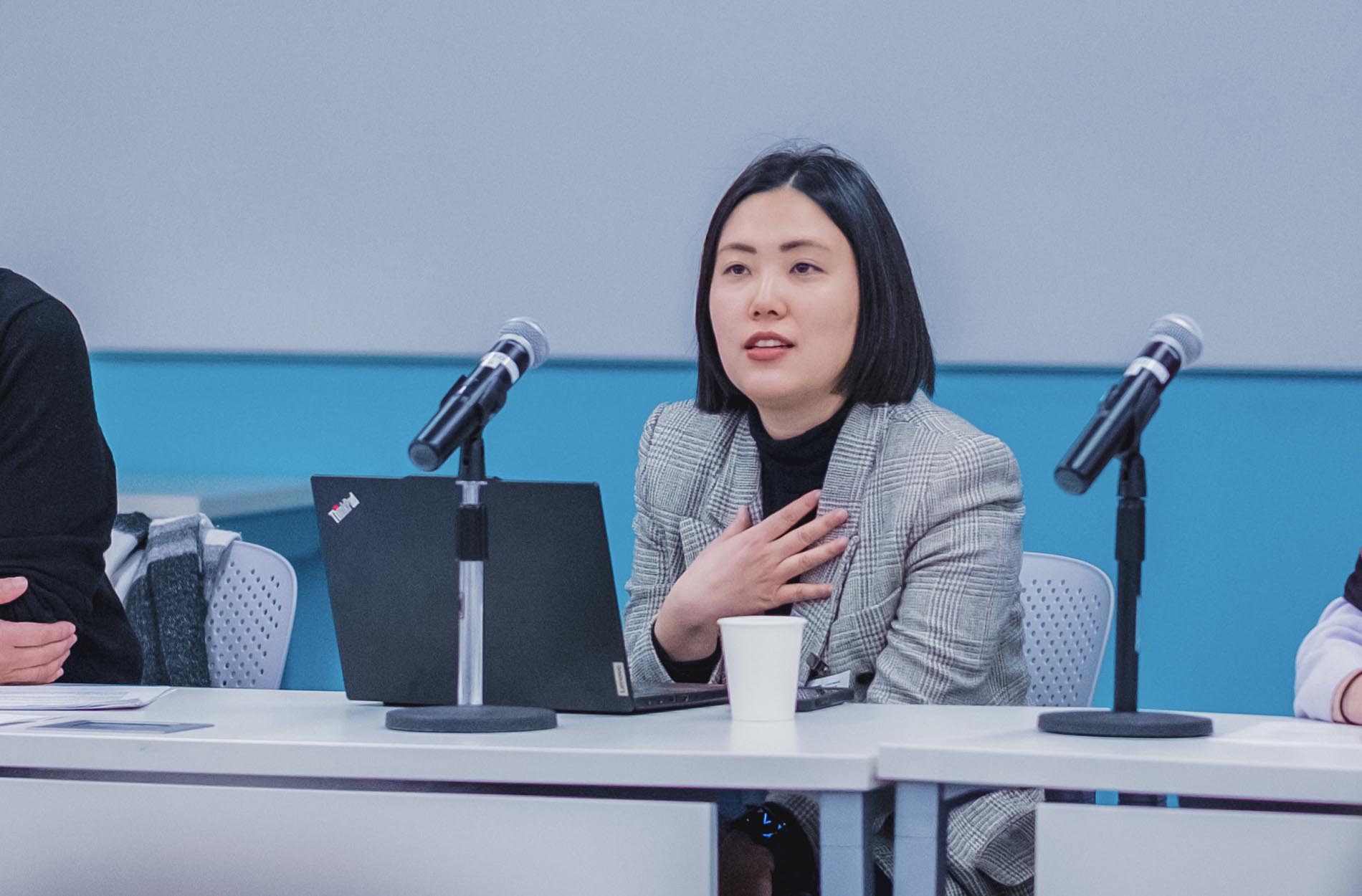
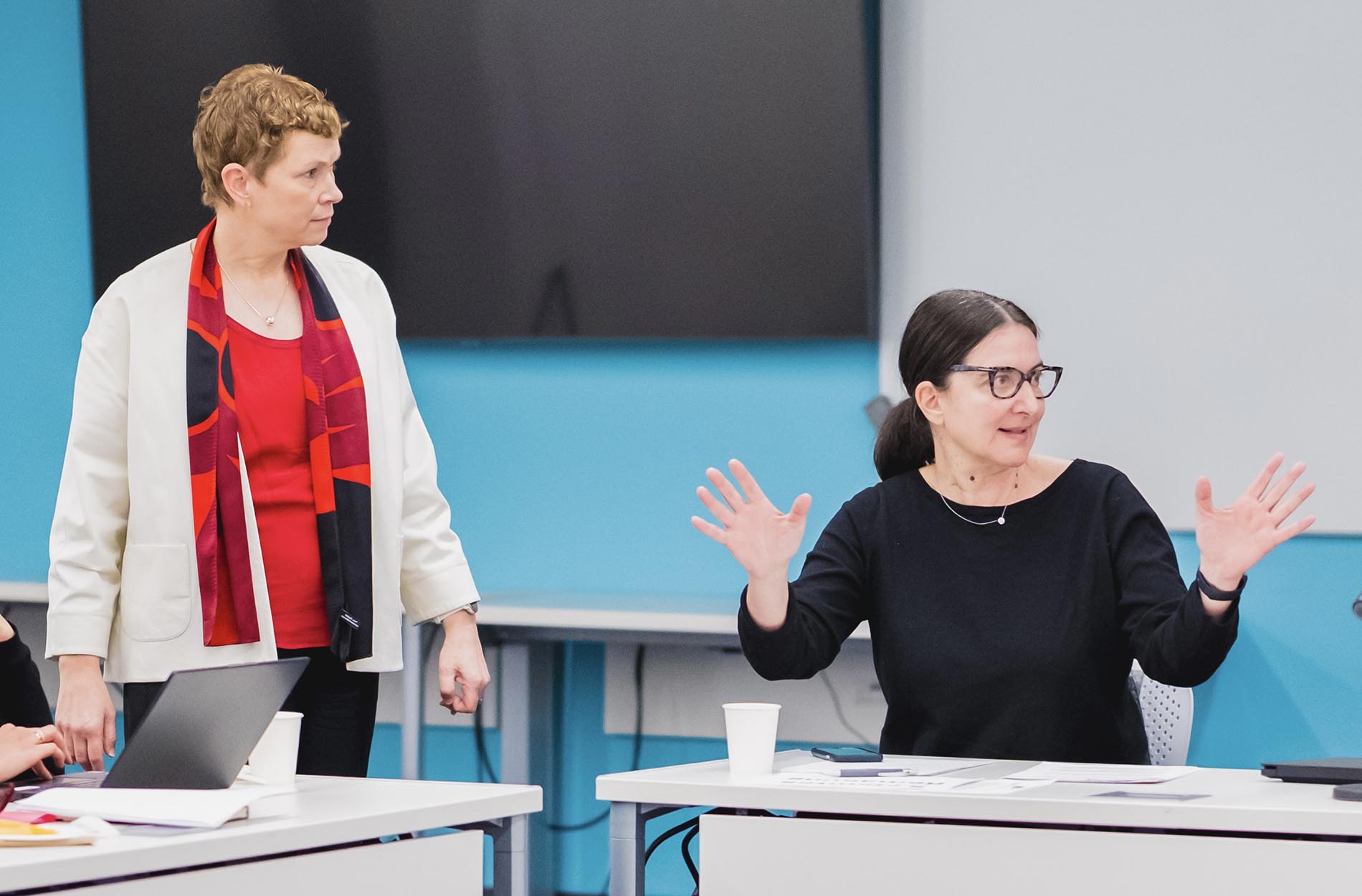
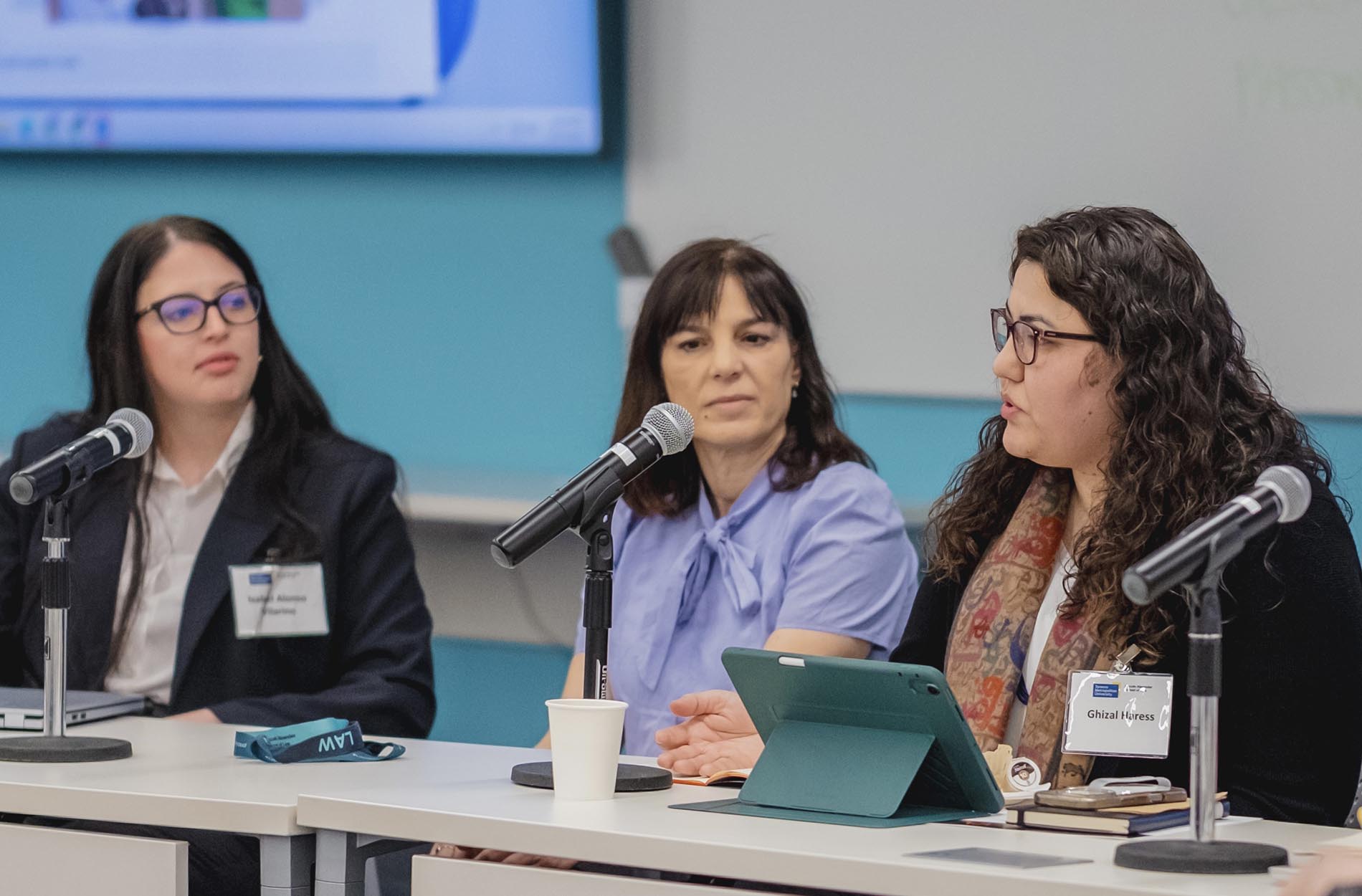
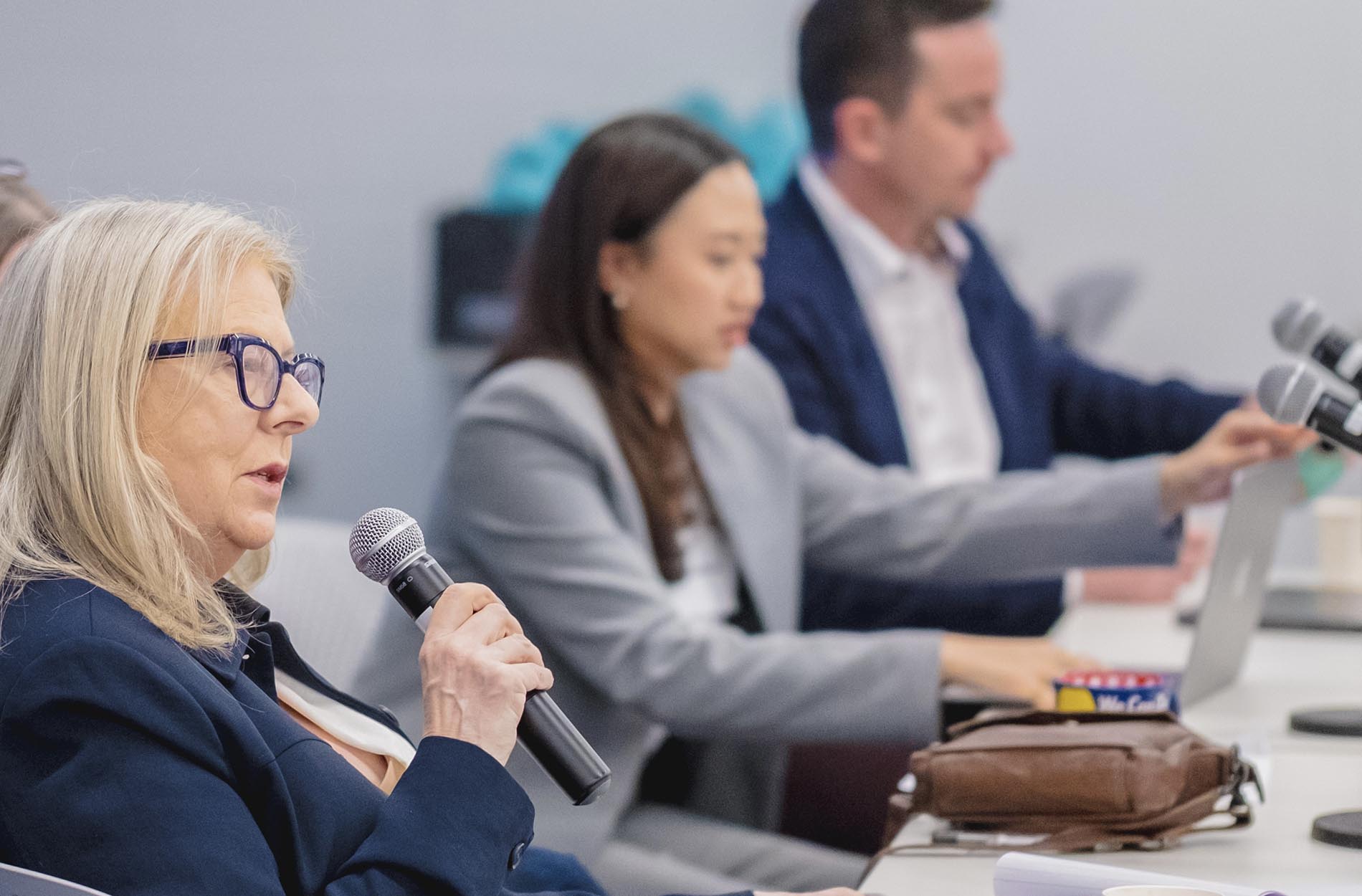
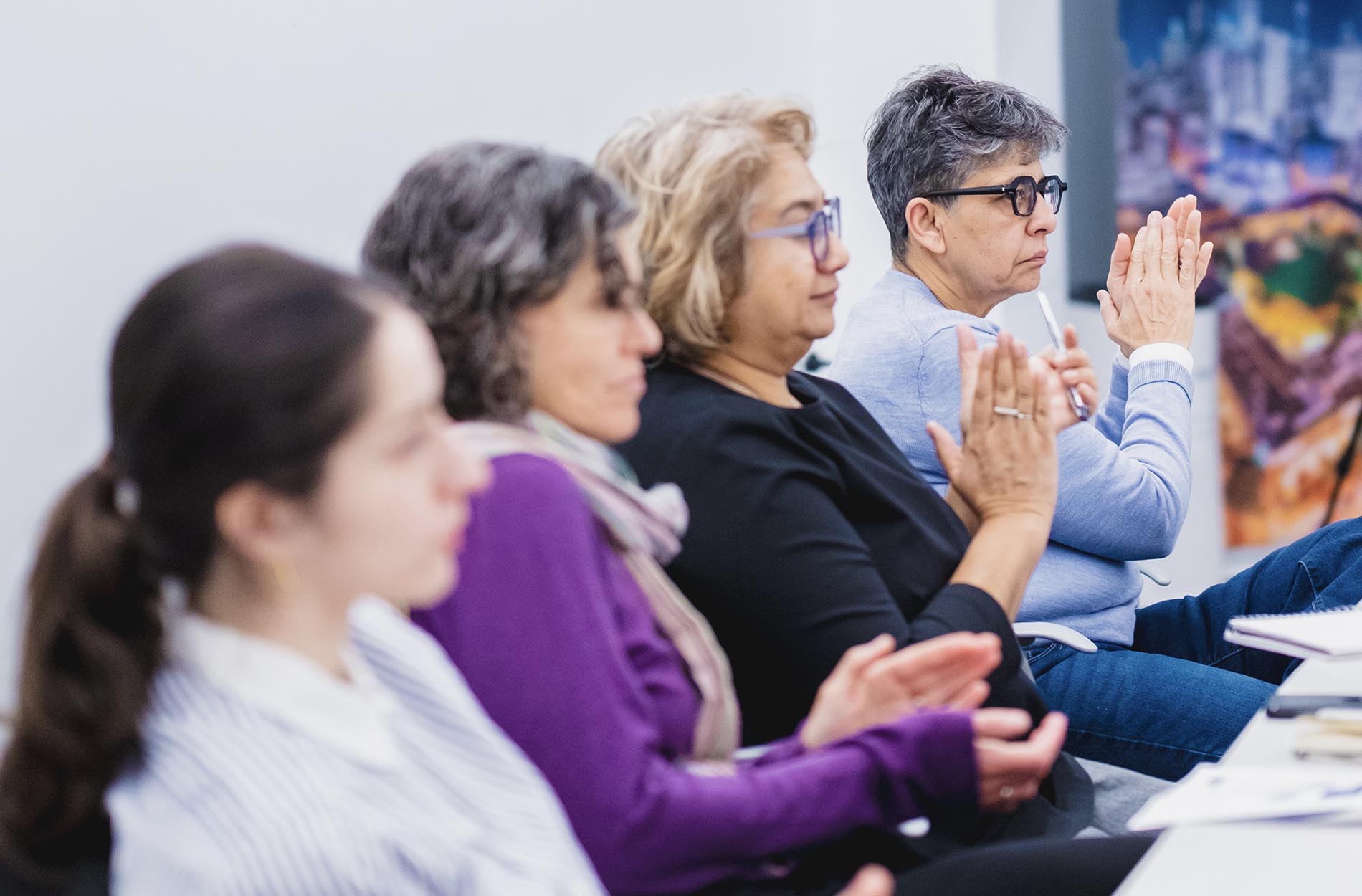
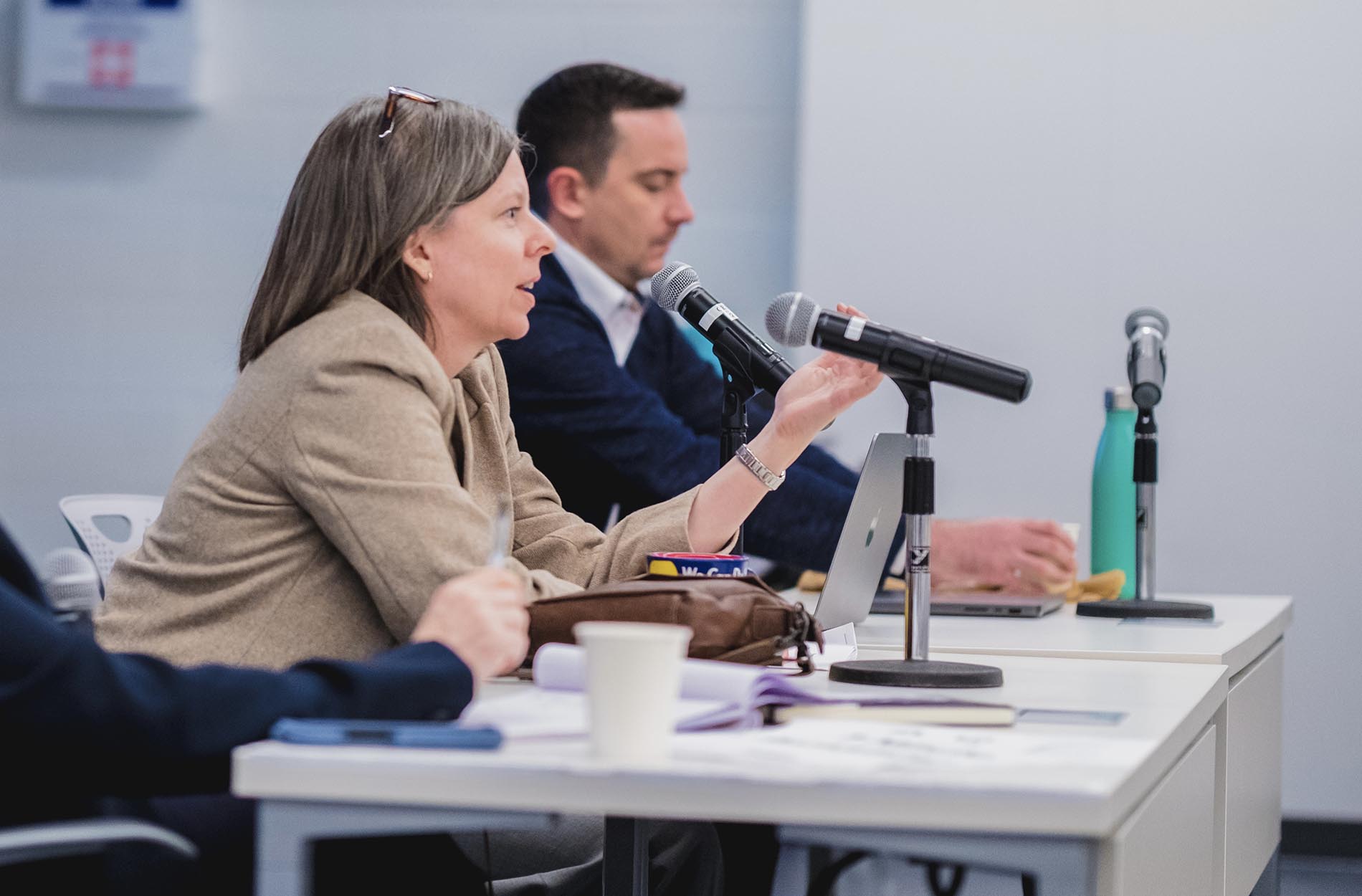
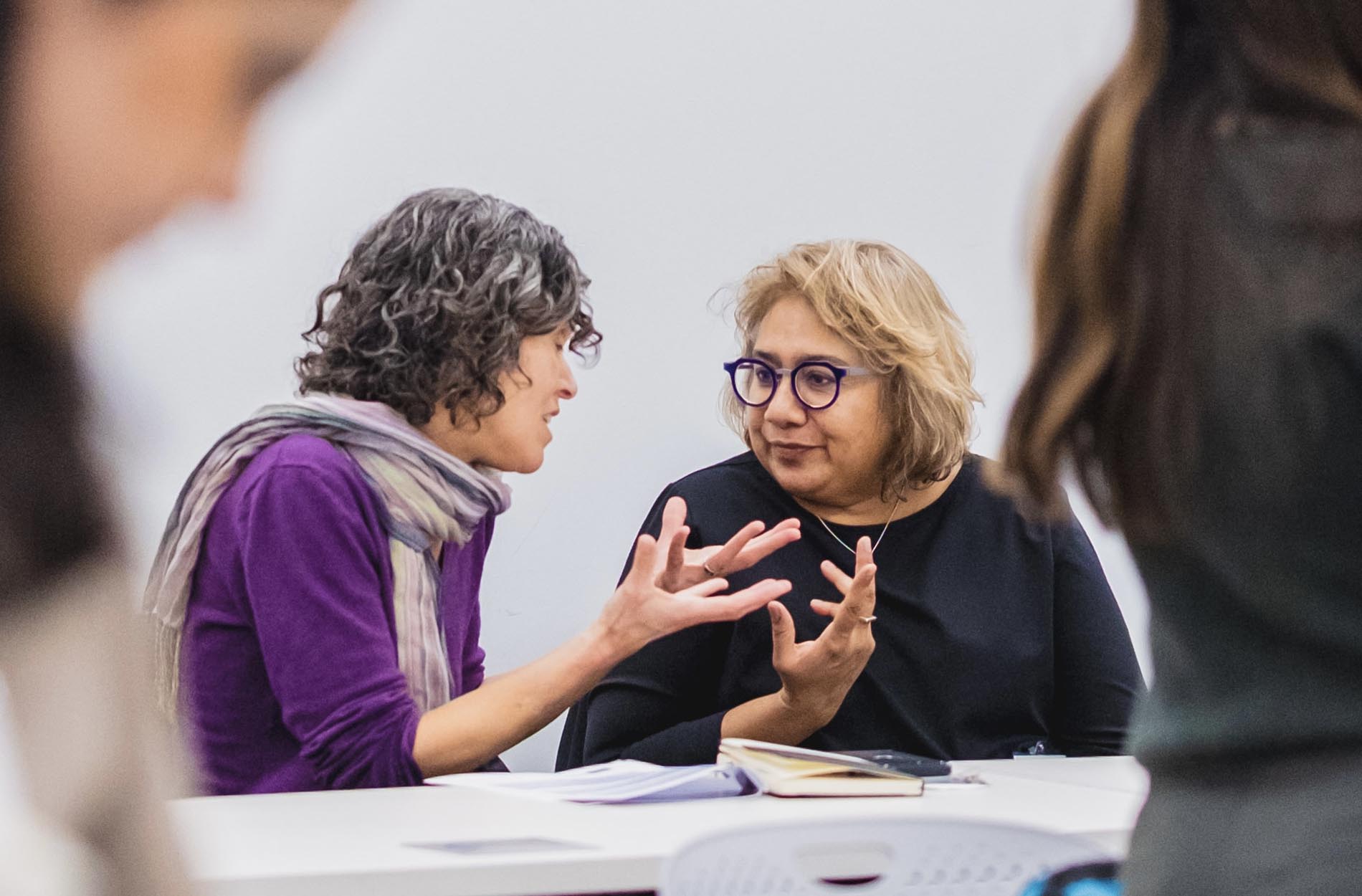
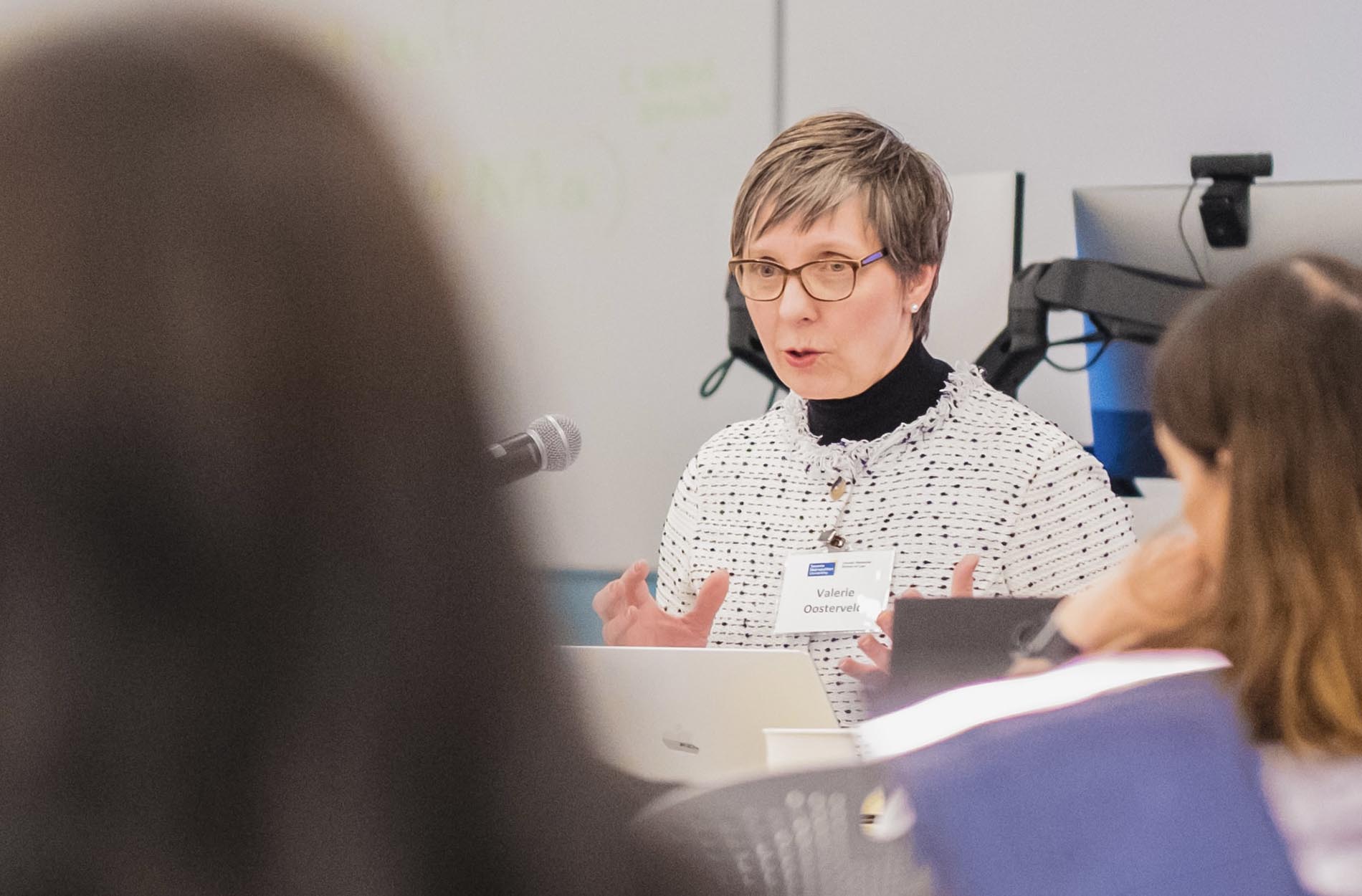
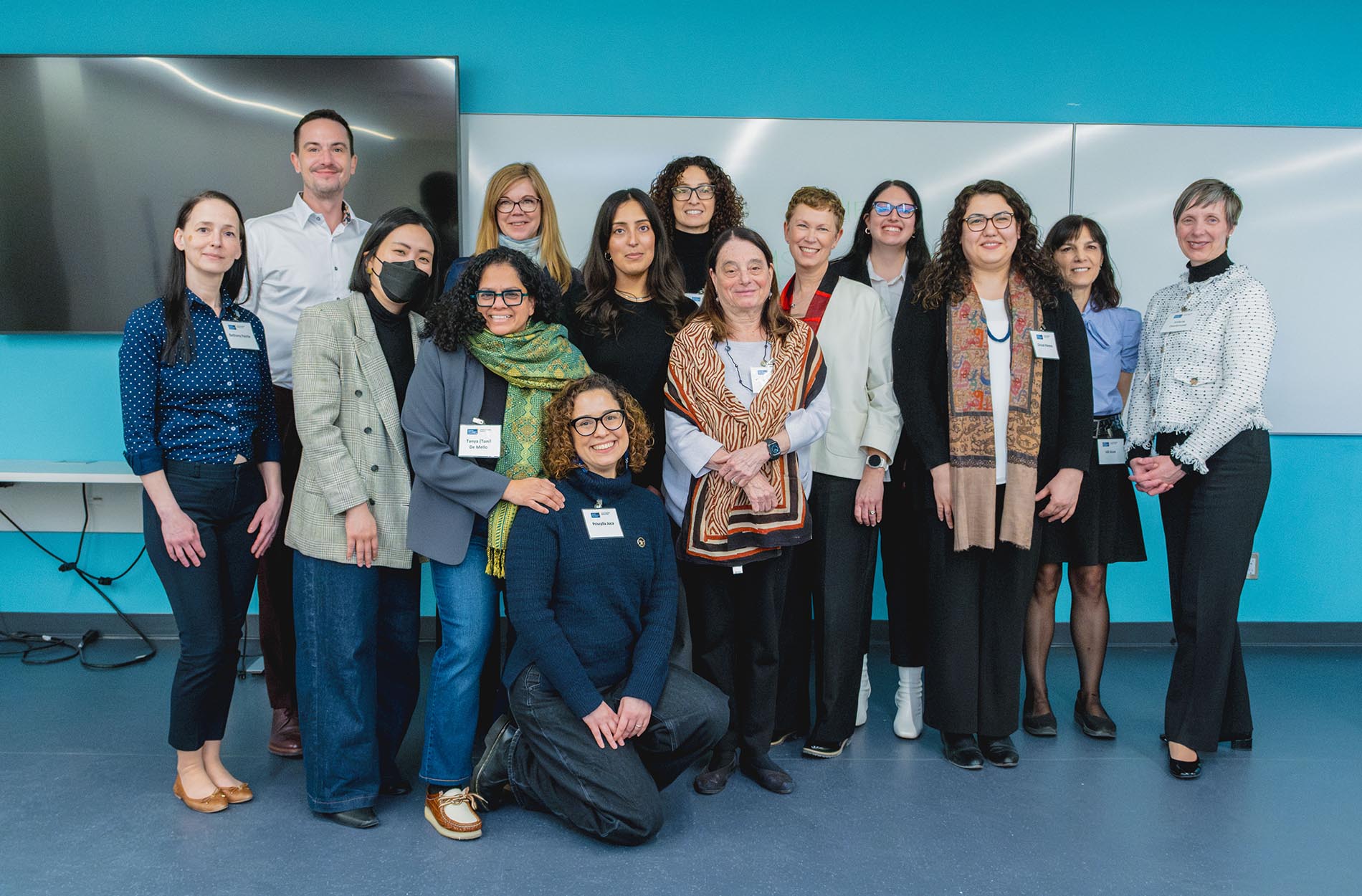
The next day, Canadian and international scholars convened at the law school and explored a range of feminist approaches to dispute resolution and discussed how the frameworks could be applied to family law, international law and migration, sexual assault and harassment, as well as Indigenous law and forms of dispute resolution.
The conference was a follow-up to Orange and Khela’s 2025 article (external link) published in the Journal of Law and Equality, which drew upon Women Talking, a novel written by Miriam Toews that was later adapted into an Academy Award-winning film by screenwriter and director Sarah Polley. Shortly after their article was published, Orange and Khela hosted a panel event at TIFF in conversation with Toews and Polley.
The Imagining Feminist Dispute Resolution Conference was the first conference of its kind in Canada to bring alternative dispute resolution and feminism together, according to the scholars in attendance, and the need for it is as vital as ever. “Rates of gender-based violence continue to climb in Canada,” says Khela, who is currently a Judicial Law Clerk at the Ontario Superior Court of Justice. “Feminist dispute resolution offers a way forward for rethinking how we can mitigate the harms that flow from gender-based violence and prevent it from occurring in the first place.”
Orange says that survivors of intimate partner and familial violence often feel retraumatized by court processes intended to deliver justice. Lawyers can question a victim’s narrative and experience of abuse. Workplace-based processes can leave individuals feeling ostracized by colleagues, rather than empowered and supported. Prison sentences are not always effective in deterring further violence. “We wanted to explore ways to create processes and practices that would not retraumatize people, but that instead would try to build relationships, or at least put the individuals in a position where they can heal and not pass on their trauma.”
In addition to prioritizing survivors’ needs and supporting healing for survivors and, where possible, those who have caused harm, a feminist dispute resolution framework asks survivors what they need to move forward. This may include financial resources, access to therapy, childcare, education, or a commitment from the perpetrators of violence to actively participate in counselling.
Creating space for care in dispute resolution
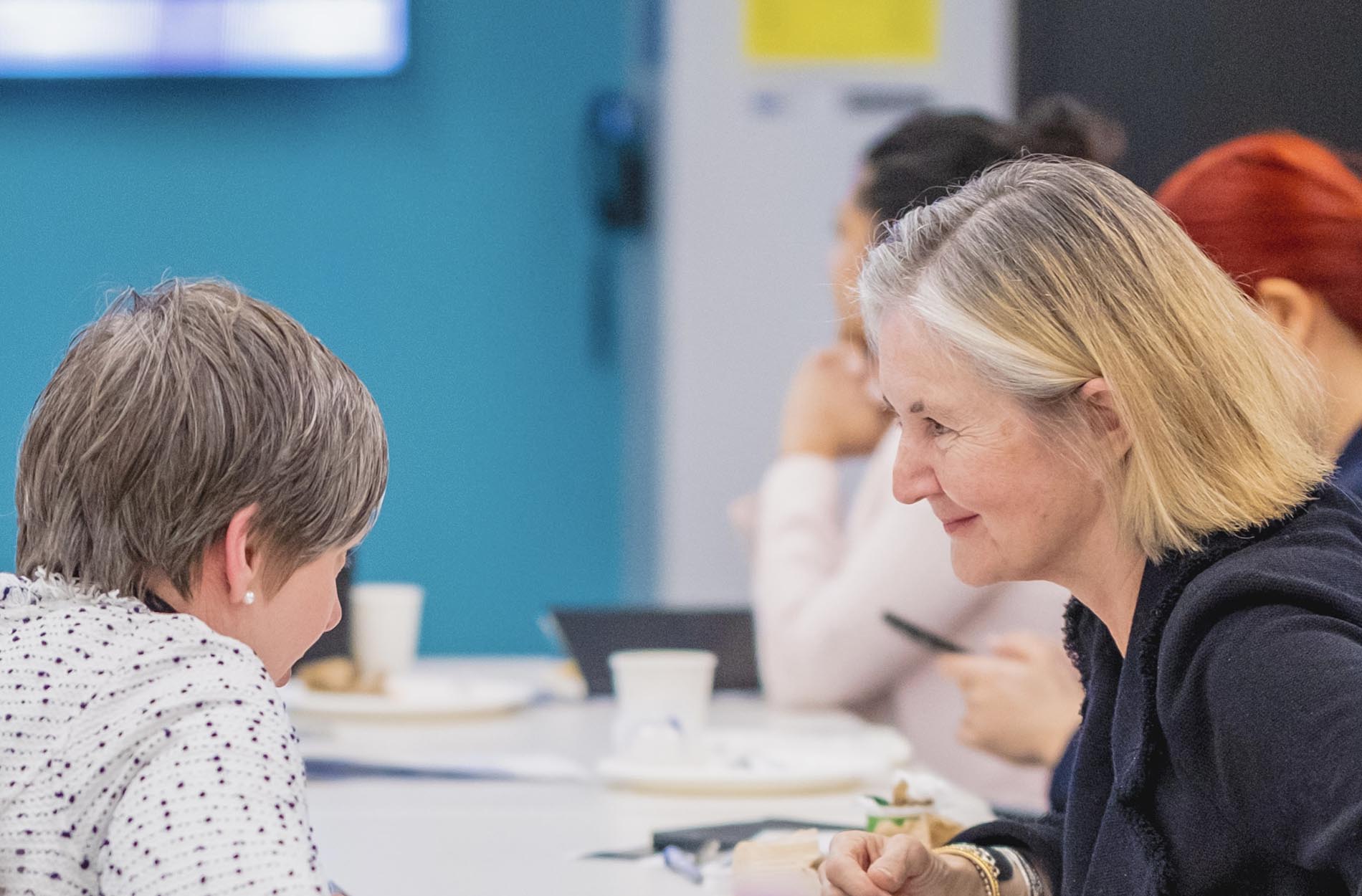
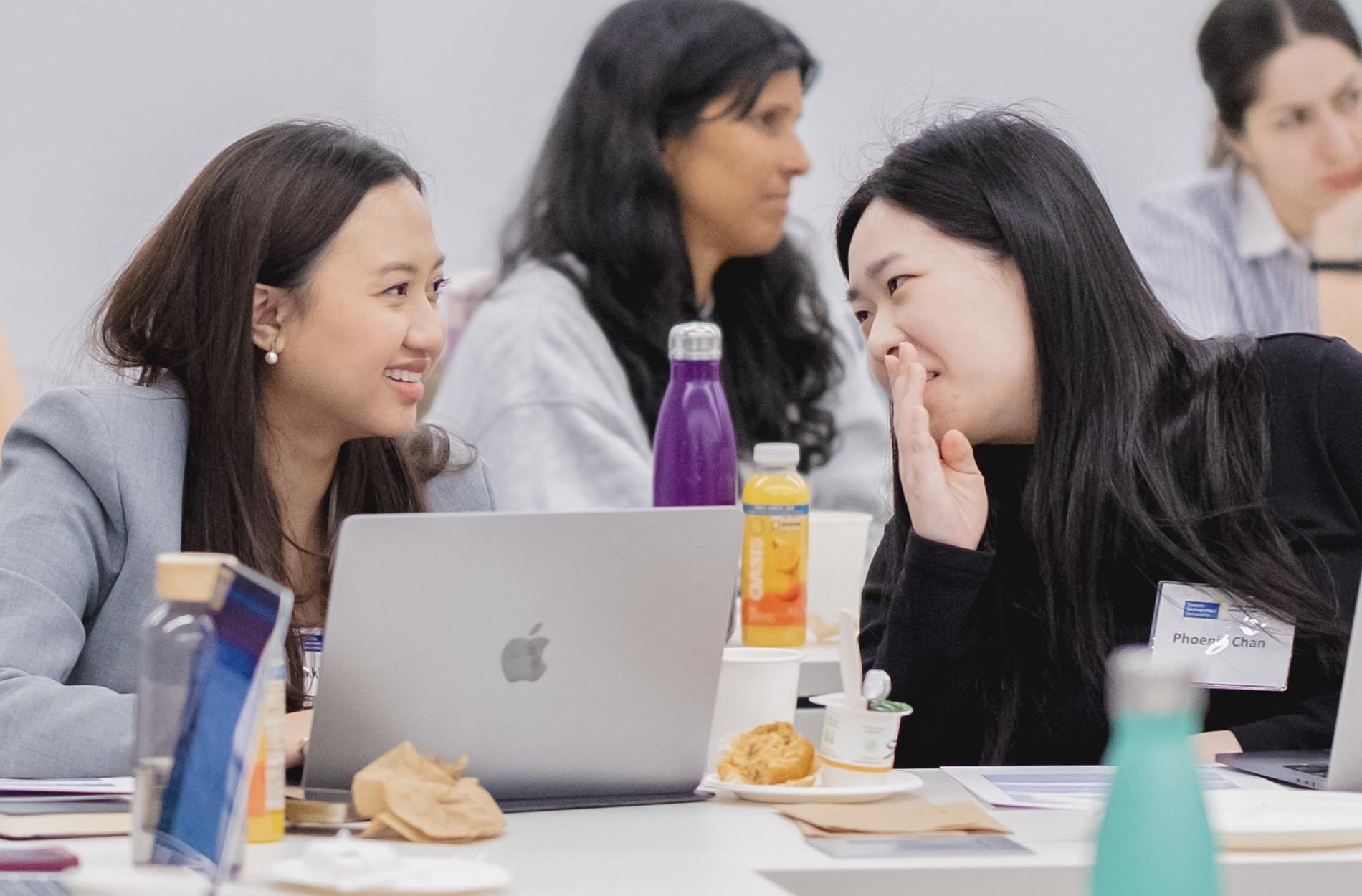
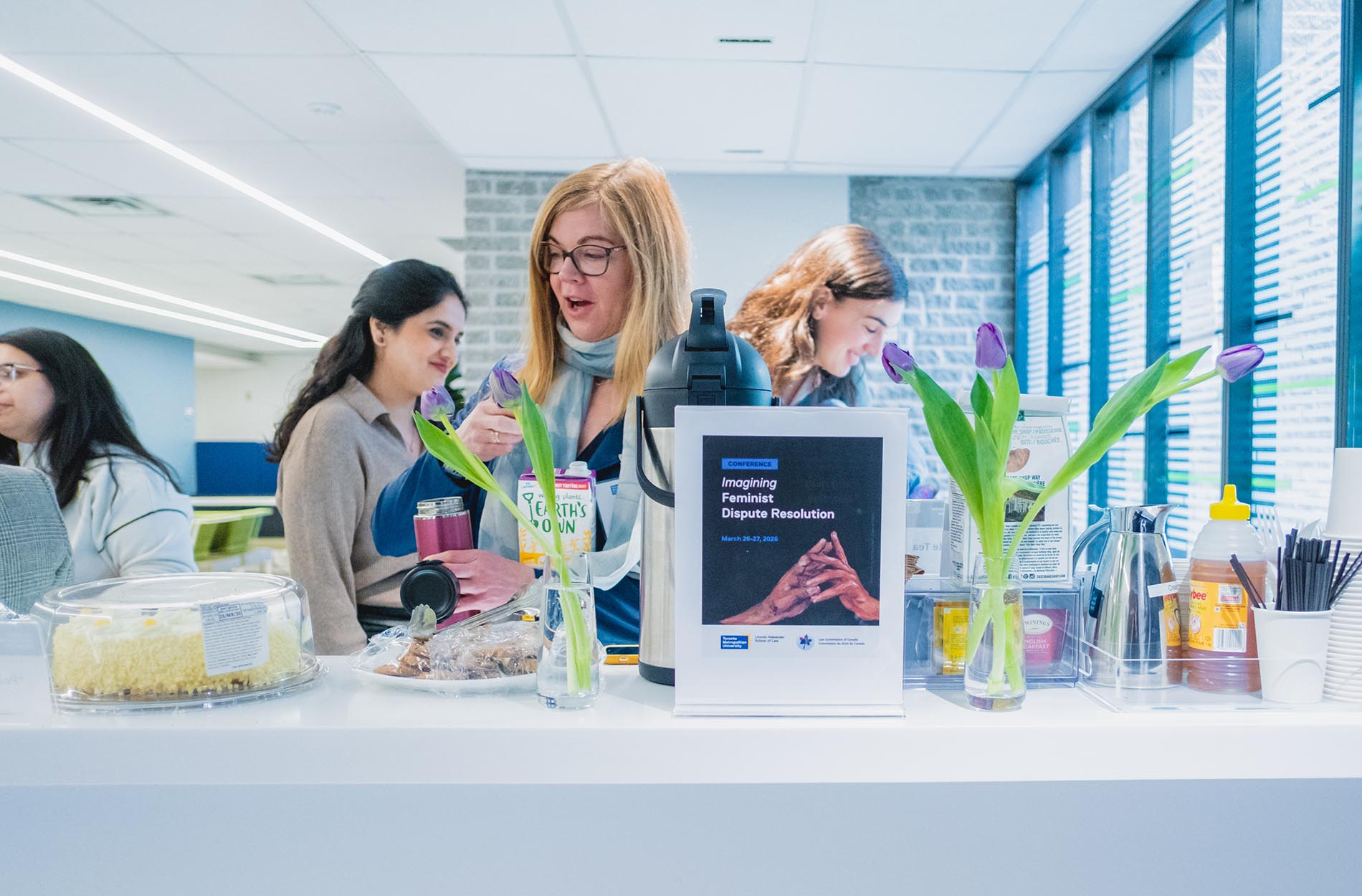
Alongside panel sessions exploring the intersections of feminist dispute resolution with (PDF file) various themes, including family law, international law and migration, and Indigenous law, the conference featured an ADR café – a calming, community-focused space where attendees gathered over coffee, tea, and snacks (including baked goods made by the conference participants) to reflect, connect, and continue the dialogue.
“If participants wanted to explore an idea further or perhaps work through a disagreement that emerged during the conference sessions, they could visit the ADR café,” Khela explained. The concept arose from Ariyanna Dutt, a third-year law student who came up with the creative idea in Orange’s Advocacy and ADR class at Lincoln Alexander Law.
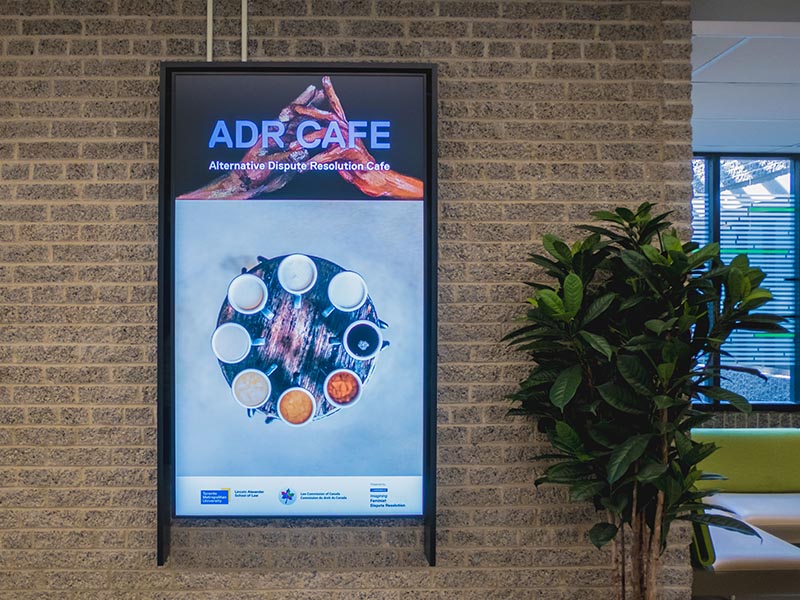
The conference featured an ADR café – a comfortable space where attendees could continue to dialogue over beverages and baked goods.
Reflecting on that experience, Khela noted that one of the key proposals that she and Orange made in their article was to prioritize the care and well-being of those involved in a dispute. “At the end of the day, everyone involved in a dispute is human," she said. "We all have needs and interests that must somehow be recognized and accounted for in the dispute resolution process."
Khela, who studied literature and film before pursuing law, says that film and literature can help law imagine new possibilities. “Only relying on people within the law to think about how it can be better is a very narrow approach,” she says. “I think it’s much more effective to bring in people who have expertise in other areas, whether that might be the arts or humanities or health care, to explore methods we can leverage to make the law better.”
Khan said she had always hoped to screen her film to people involved in the field of justice. “Jennifer and Sabrina are making a much-needed space for difficult and important conversations to take place,” she said. “It was incredible to hear so many perspectives on what justice can look like for people who have been harmed. I loved seeing how many students are interested in feminist alternative dispute resolution.…What still amazes me is how every time I screen the film to a supportive audience, it helps me to heal.”
Building on this year’s conference, Orange and Khela have formed a Feminist Dispute Resolution Working Group, which will hold ongoing reading circles and workshops. Members of the Working Group are currently collaborating on a book on feminist dispute resolution and are planning another conference for 2027.
“Jennifer has been amazing to work with. She’s given me a lot of space to explore my own ideas within a project that she created,” Khela says. “It was the most valuable experience I’ve had in law school and in my academic career to have worked with an incredible faculty member on such a meaningful and impactful project.”
The respect goes both ways. “We communicate really well, and we disagree well. I’m so lucky that someone gets what’s going on in my head and can help me translate that for the rest of the world,” says Orange. “I’ve learned that beyond teaching and mentoring, you can take someone along with you through the process of research, conference planning, and now a book proposal.”
Orange says the work of feminist dispute resolution is especially urgent for her as a human rights lawyer. “In Canada and globally, we’re struggling with so many conflicts within society and between states, and we don’t see enough women visibly leading the resolution of these conflicts,” she says. “I think we have a lot to add from our own experiences in our professions, and in our families and communities. We can do a lot of good work, and we must do that work.”