Advancing Fertility Justice
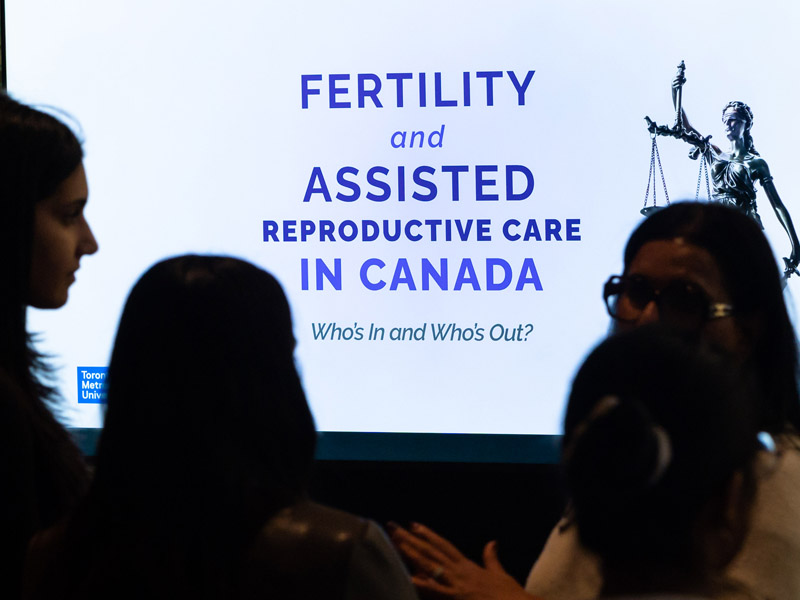
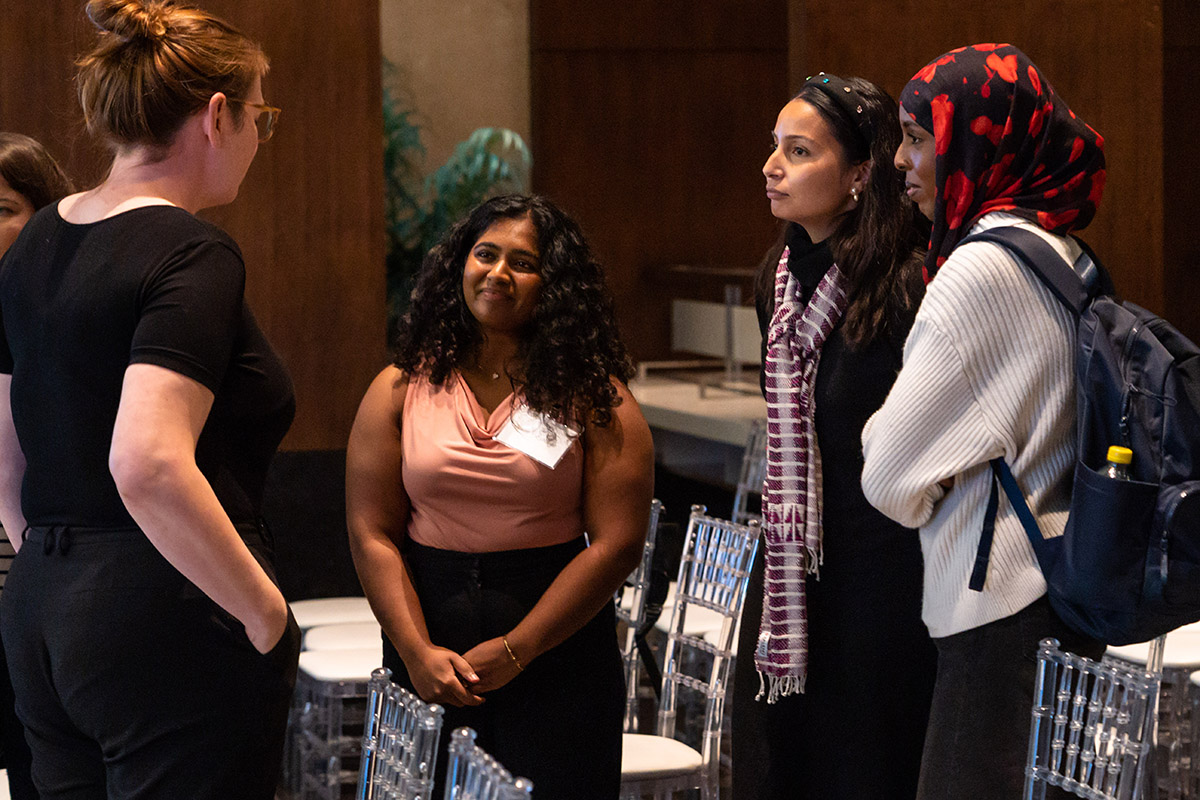
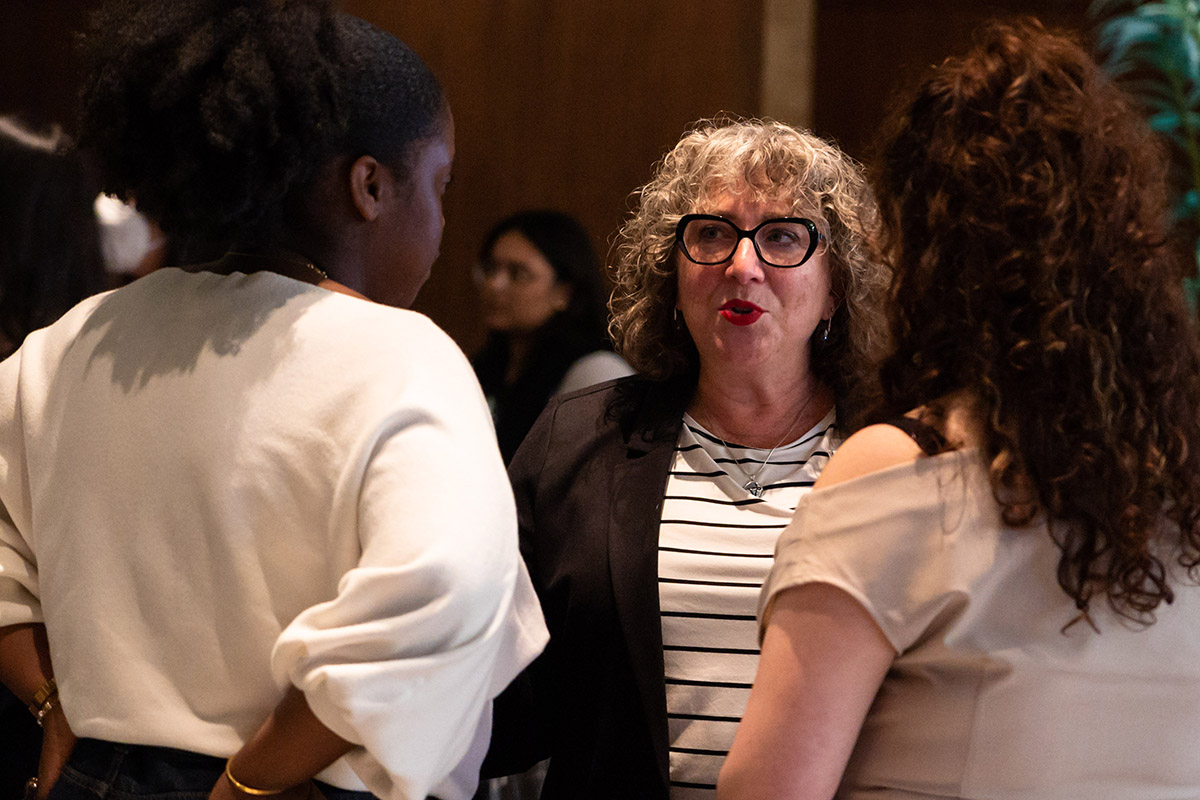
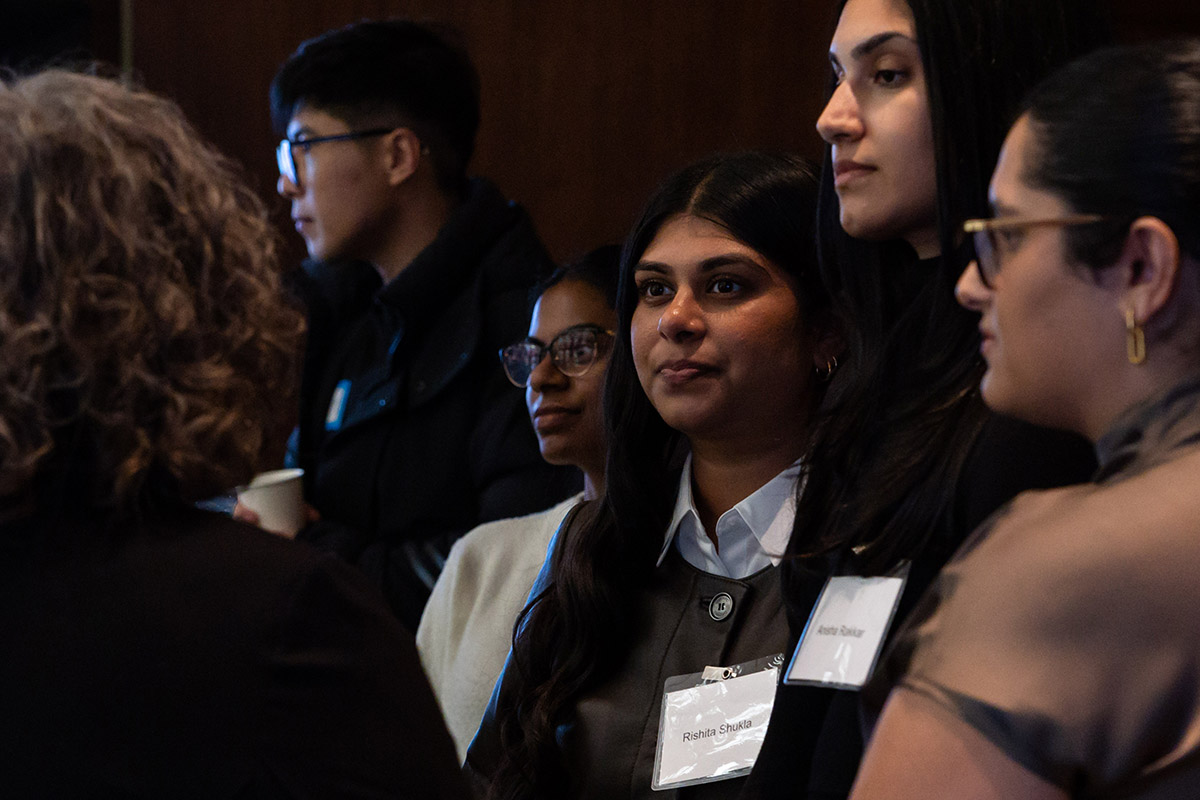
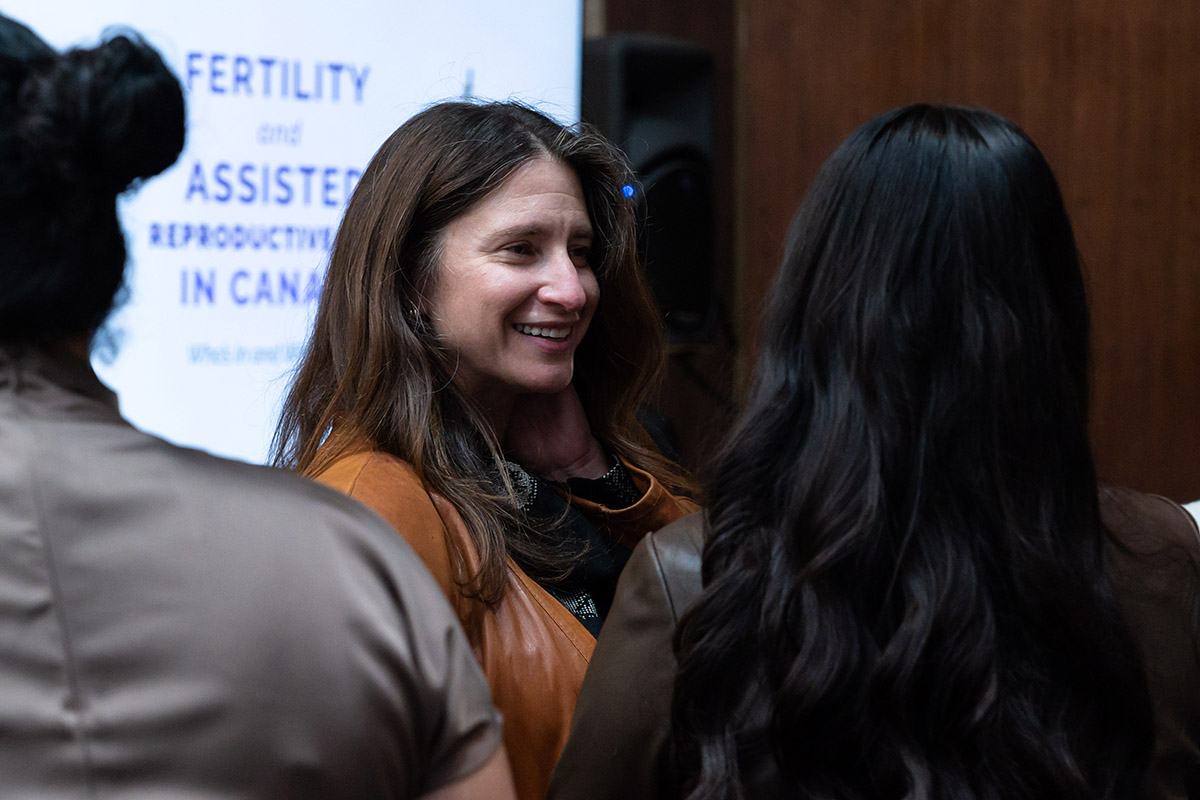
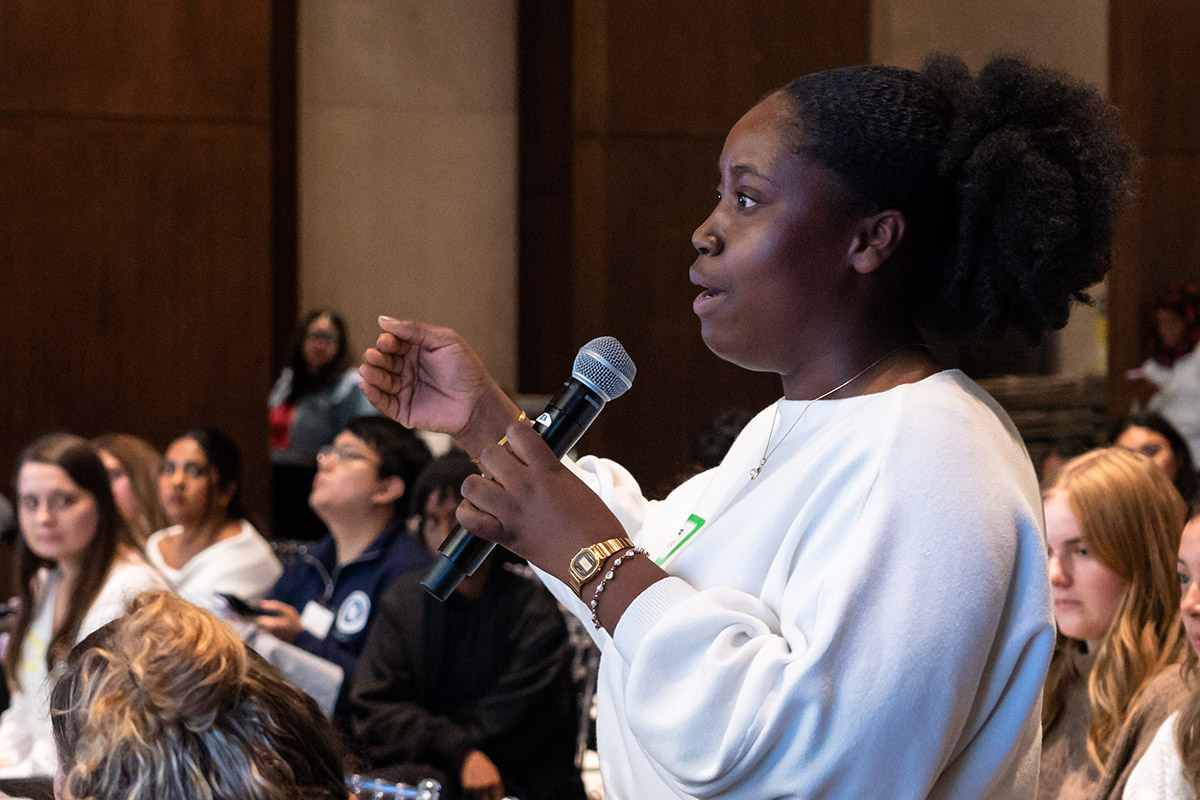
The Fertility Justice Project launched in October with a panel discussion, bringing together experts and community members.
When Salima Fakirani, Director of Student Experience and Engagement at the Lincoln Alexander School of Law, began learning more about the fertility care system in Canada, both through her own lived experience and conversations she was having with her network and community, she became curious about how laws, regulations, guidelines, and healthcare practices affect access and experiences related to fertility care. People exploring fertility care often have to navigate complex information about the likelihood of success, potential risks, and alternatives. Compared to many other areas of health care, there is still much work to be done in developing a more robust oversight system as well as more consistent and transparent standards.
“We’re seeing a growing need to share accurate information, clarify the regulatory frameworks and ensure access is meaningful for people across different communities and lived experiences,” Fakirani explains.
This fall, Fakirani, with the support of a dedicated team, launched the Fertility Justice Project at Lincoln Alexander Law to support and promote fertility justice research, learning and advocacy. The project also fosters multidisciplinary conversations on how fertility care can better serve individuals facing fertility challenges or seeking family-building support, as well as gamete donors, surrogates, and children conceived through donated eggs, sperm, or embryos.
The Fertility Justice Project is the first of its kind at a Canadian law school. In addition to Fakirani who serves as the project’s principal, Professor Katie Hammond, Assistant Professor at Lincoln Alexander Law and an expert in the legal issues surrounding assisted reproductive and genetic testing technologies, helped to conceptualize the initiative and has contributed to its early research and coordination efforts. Nine phenomenal law students are also contributing to the project’s research and developmental efforts. “What makes the project especially meaningful is that students’ interests and ideas are at the forefront of shaping the themes and issues we explore,” Fakirani says.
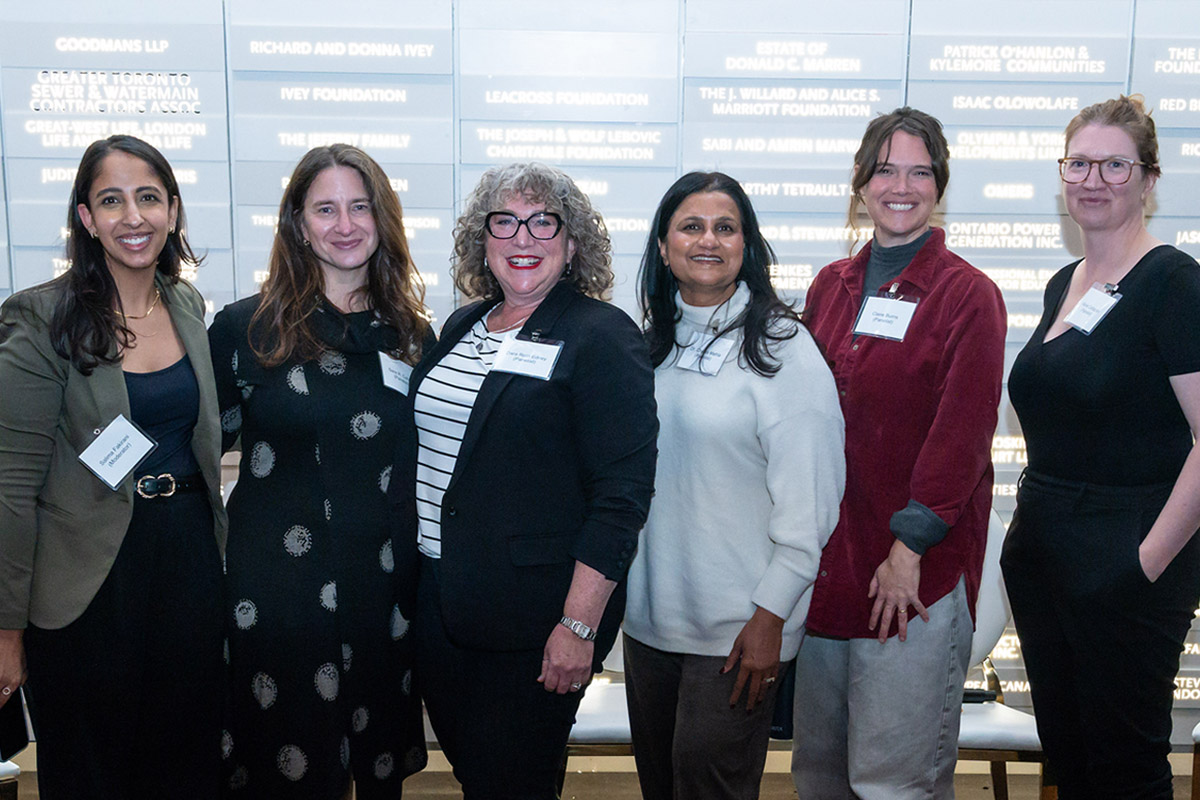
At the project launch event, held at Toronto Metropolitan University in October, Fakirani moderated a lively discussion with Sara R. Cohen, lawyer and founder of Fertility Law Canada; Dara Roth Edney, a reproductive counsellor and the founder and director of Informed Fertility; Dr. Chaula Mehta, an experienced obstetrician, infertility specialist and the founder of Trio Mississauga; Claire Burns, an advocate for people considering or choosing to donate eggs and co-founder of We Are Egg Donors, and Alana Cattapan, Canada Research Chair in the Politics of Reproduction and an Associate Professor in Political Science at the University of Waterloo.
“What the conversation demonstrated is that there is so much work to be done in this space, and there are so many more perspectives to bring in and difficult conversations to have,” says Fakirani. “This was just the tip of the iceberg.”

L-R: Salima Fakirani moderates a lively panel discussion with Sara R. Cohen, Dara Roth Edney, Dr. Chaula Mehta, Prof. Alana Cattapan, and Claire Burns.
Fertility justice issues range from questions of access and discrimination to parental rights to the right to information
The issues implicated by fertility and assisted reproduction are broad in scope and deep in complexity. For example, one set of legal questions arises from the fact that, within broad professional and regulatory parameters, fertility clinics have significant discretion in setting eligibility criteria for treatment. This can result in differences in how factors such as age, health status, or treatment history are weighed, and raises important equity considerations about who is able to access care. “These are mostly private healthcare services delivered by clinics that have considerable room to design their own policies,” Fakirani explains.
Surrogacy laws also present unique considerations. In Canada, legislation is intended to prevent the commercialization of reproduction by limiting payments to surrogates to reimbursement of allowable expenses, and non-compliance can carry criminal penalties. While this framework is designed to guard against exploitation, it can shape surrogates' experiences in complex ways. It may be worth considering how this model can evolve or perhaps shift so that surrogates and intended parents alike have clear guidance, and all parties feel respected, valued, and seen in the process.
Alongside these issues, the Fertility Justice Project team hopes to address several related challenges in the future. For example, they want to examine how current laws serve the rights and interests of donor-conceived children to be able to access information about their medical history or ancestry. Another potential equity gap the team wants to consider emerges in provincial funding models: while provinces increasingly recognize fertility services such as in vitro fertilization and intrauterine insemination as warranting public funding, which is a step in the right direction, these programs alone do not necessarily account for the realities of 2SLGBTQ+ people or single intended parents who more often have to rely on third party reproduction. “There are so many more costs associated with having a child if you’re not coming from a traditional family structure, and family structures in 2025 are much more diverse than they were even 10 years ago,” Fakirani explains.
Ayesha Khokhar, a first-year Lincoln Alexander Law student and researcher for the Fertility Justice Project shared how the project goals “truly align with the reasons behind why I wanted to attend law school in the first place.” At a time when fertility care is often “left out of broader healthcare conversations,” as Khokhar puts it, the research and advocacy conducted by the team can ”help make family-building more accessible, especially for communities who face systemic barriers,” she explains.
Describing Fakirani’s mentorship approach, Khokhar explains that she “makes you feel both supported and challenged in the best ways. She encourages us to share our perspectives and treats our ideas seriously, which means a lot as a first-year law student. She creates a space where we feel comfortable asking questions, taking initiative, and contributing.”
Research, education, and a planned virtual legal clinic to advance fertility justice
So far, the Fertility Justice Project has launched two research projects, one on parentage laws in Canada, and another on the regulation of fertility law clinics in Canada. The team is also planning public legal education sessions for 2026 to help those planning assisted reproduction to understand their legal rights and responsibilities, as well as a symposium targeted towards making fertility care more accessible for underrepresented communities.
In addition to the research and public events, the team also plans to launch a virtual legal clinic and create a robust referral network to serve individuals who can’t otherwise afford fertility legal services. “Students would do an intake of individuals who have questions or need legal advice about, potentially, a surrogacy agreement, donating their eggs or sperm or seeking to participate in an assisted reproductive process under the guidance of supervising lawyers and myself,” explains Fakirani.
“This isn’t a space where we can assume we already know all the right questions to ask,” Fakirani says. “Some issues are obvious right now, and others will surface as the system evolves and we understand it better. Either way, it’s about identity, family, health, and equity. These are all issues that matter.”