Tariffs, Trade, and a Shifting Global Economy
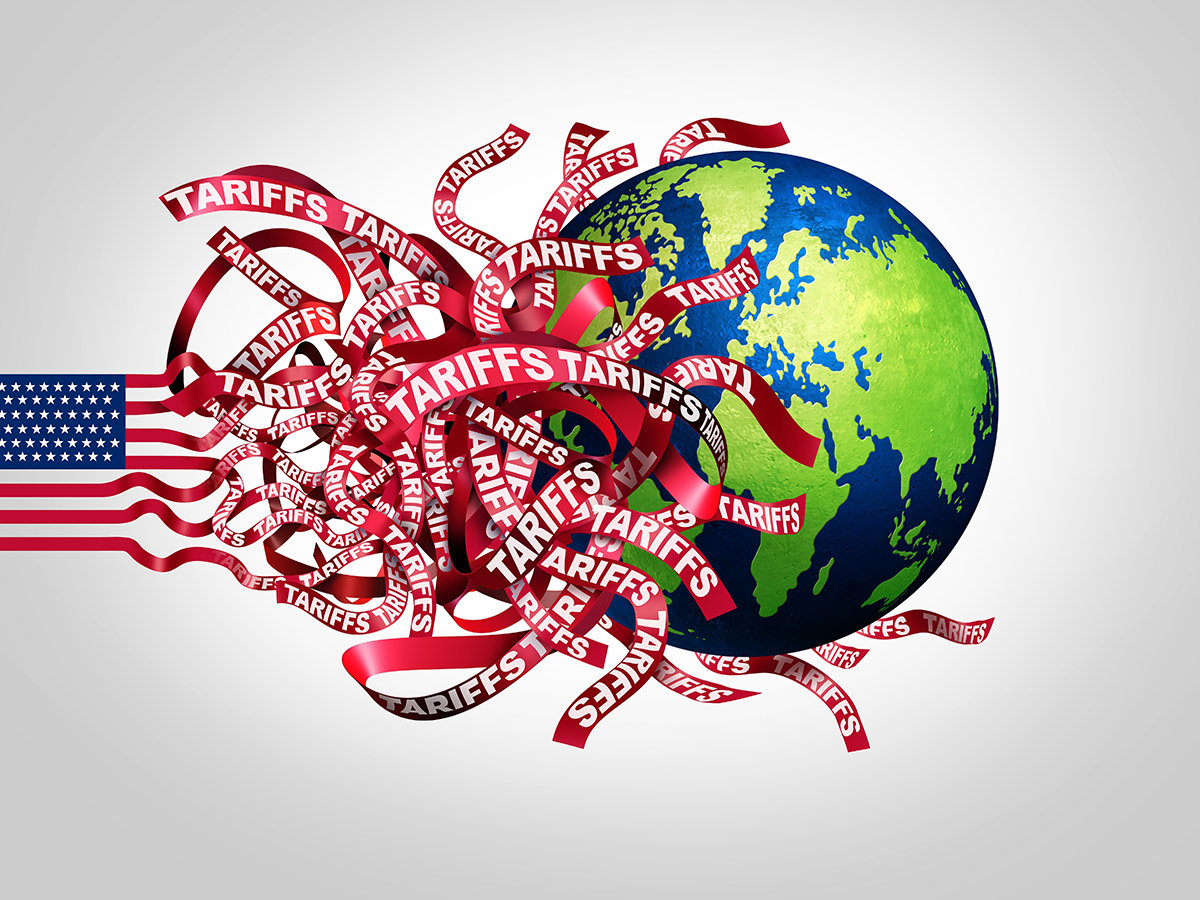
What role can international trade law and legal systems play in the face of tariffs imposed by the United States, and how are global relationships shifting under Trump's tariff regime? These are some of the key questions that Dr. Gil Lan, who serves as a cross-appointed associate professor at the Lincoln Alexander School of Law, explores in his research and teaching. In September, Lan, who also teaches business law at the Ted Rogers School of Management, presented on the topic of Multi-Party Interim Appeal Arbitration Arrangement (MPIA) at After the Backlash: The Future of Arbitration in the Settlement of Investment, Trade and Human Rights Disputes, a conference hosted by McGill University and Université Laval.
The MPIA was launched in 2020 by 16 WTO members, including the European Union (EU), China, and Canada. Essentially “a shadow court” of the World Trade Organization (WTO), the MPIA was created after the Trump government refused to appoint any appellate judges to the WTO, Lan explains. “Since December 10, 2019, the WTO has had no appellate body. This means that countries can appeal WTO rulings with the knowledge that no WTO appellate body will hear the case - effectively voiding the original ruling.”
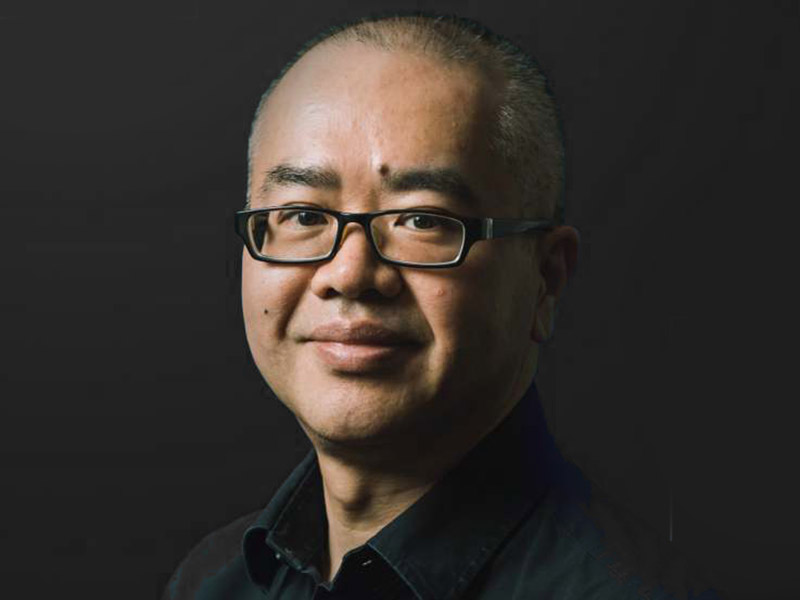
Dr. Gil Lan recently spoke about how U.S. actions are reshaping trade, but not always to the nation’s advantage.
The creation of the MPIA – a body that can settle trade disputes between the now 31 WTO members (30 countries and the EU, the U.S. notably is not an MPIA member). – essentially means that the “unilateral aggression and its withdrawal from all these international agreements will cause the United States to be ironically isolated in global trade,” Lan says. “The MPIA represents a diminishment in the soft power of America.” Major economies, including China and the EU, now have a way to enforce trade agreements, making it easier for MPIA economies to engage with each other, rather than the United States.
So far, the MPIA has issued two rulings. The most significant one ruled in favour of the EU on intellectual property rights, allowing foreign representatives to seek recourse through non-Chinese courts while proceedings are pending in China. “It will be an important litmus test for the MPIA to see if China abides by this ruling,” says Lan.
Given that approximately 75% of Canada’s trade is with the United States – representing a dependency that most Canadians would like to reduce – “the MPIA affords Canada an opportunity to diversify those relationships,” Lan explains.
In addition to researching and teaching about the business and legal implications of the MPIA, Lan also researches how supply chains are being restructured in light of U.S. tariffs, and how evolving technologies like artificial intelligence (AI) and social media can affect international trade.
For example, he points out that AI can be used in ways that could ultimately frustrate the goals of competition laws, but assigning culpability is tricky. Hypothetically, two companies could each have an AI algorithm that ultimately determines the price of goods by matching a competitor’s overly high prices. “Even without the businesses communicating with each other, AI systems could possibly come to a result that is the same as price fixing,” Lan explains. Internationally, countries will need to develop systems and laws that can address these types of anti-competitive acts being carried out, not only by individuals, but also machines.
Another area of interest for Lan is how social media platforms act as an “international marketplace that brings buyers and sellers together,” which presents new challenges around data privacy, marketing claims, and more.
Lan enjoys teaching Lincoln Alexander Law students because of their keen interest in innovation, technology, and social justice. After all, international trade laws have many social justice repercussions – such as the impact that a trade agreement might have on Indigenous peoples or how unfair trade provisions may be imposed on developing countries. “The pillars of Lincoln Alexander Law align very well with my interests,” says Lan, who is frequently sought out by the media for his expertise on international trade law.
When he introduces legal cases, whether related to international trade, Indigenous rights or the gig economy, Lan says it’s not uncommon for students to connect the issues to their lived experience or knowledge gained through a related degree. “Because our student body is so diverse, there have been many moments when a student raises their hand and shares a perspective I hadn’t considered,” says Lan. “Quite honestly, I find myself thinking, ‘That’s a very interesting point, and I had never thought about it this way.’”
“You can feel the momentum, a feeling among the students that we’re working together to build a very unique, innovative law school community,” Lan adds. “There is an eagerness to collaboratively take up the issues we’re facing today.” As the Canadian economy faces uncertainty due to the emergence of new technologies, new trade partnerships, and a very uncertain global political landscape, it’s a reason for optimism.