Welcoming two new professors pushing the boundaries of human exploration
The new year brings two new faces to the Faculty of Science. Both joining the Department of Computer Science, we are pleased to welcome tenure-track professors Sven Lilge, with expertise in continuum robotics, and Anthony Scavarelli, with expertise in virtual reality for social learning. While both of their research spans distinct areas in computing, they share a common goal of advancing computational systems to push the boundaries of human exploration.
Learn more about our two newest professors:
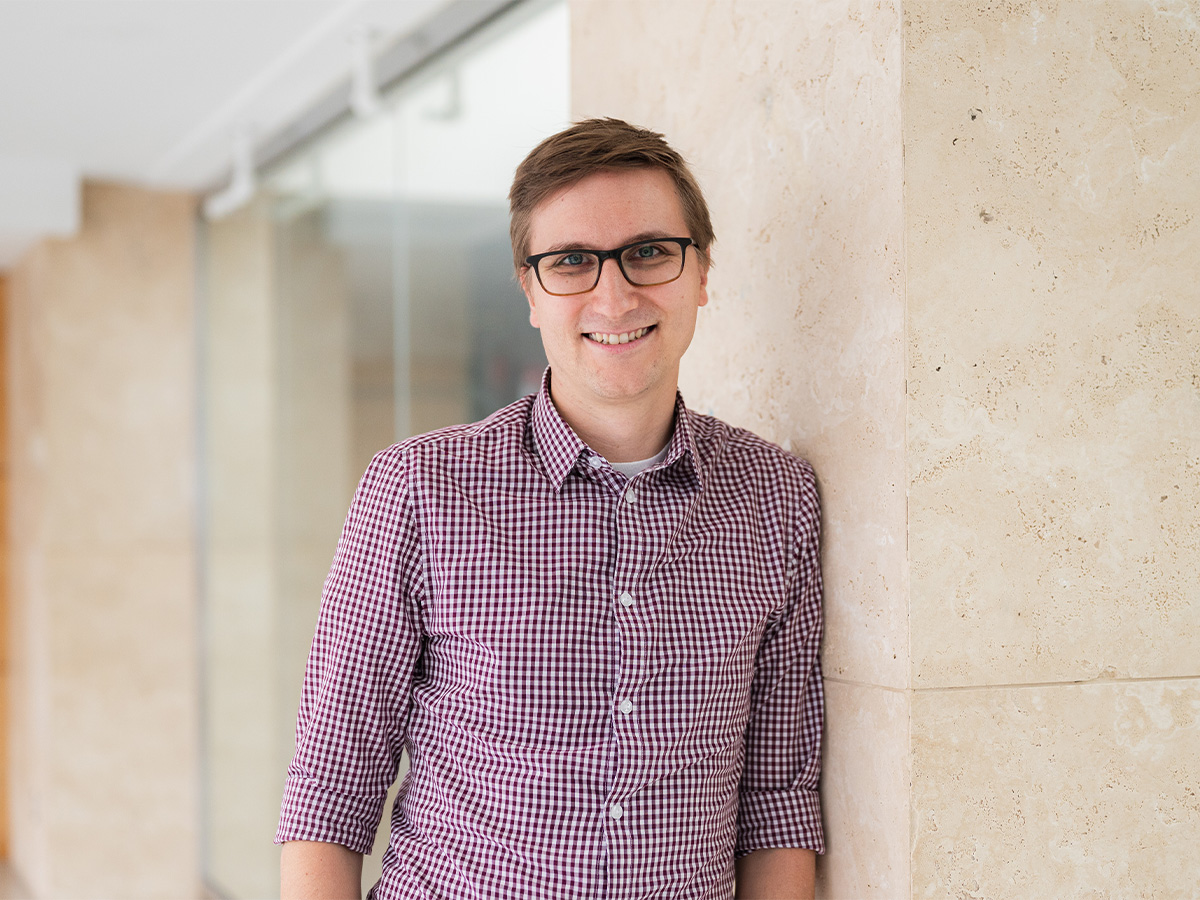
Sven Lilge, Assistant Professor, Computer Science
My research focuses on developing autonomous robots that can assist humans in situations that are too complex, dangerous, or inaccessible for people. Traditional robots, such as industrial arms or wheeled robots operating in structured environments, have made remarkable progress, but many real-world challenges, like surgery or navigating disaster sites, require robots that can navigate tight, cluttered, or unpredictable spaces.
To address this, my research takes inspiration from nature. Animals like elephants, snakes, and worms move with remarkable flexibility, and my work focuses on continuum robots, or soft robots, that share these traits. Made from flexible materials, they can bend, twist, and extend to reach places that traditional robots and humans can’t.
Continuum robots have enormous potential to benefit society, whether by enabling delicate surgeries, performing industrial inspections, or assisting in search-and-rescue missions. My research explores how to design, model, sense, and control these systems, with the goal of making them as capable and impactful as today’s industrial arms, mobile robots, and drones.
Absolutely! I spent over six years at the University of Toronto Robotics Institute, first as a PhD student and later as a postdoctoral researcher. While my PhD focused on continuum robotics, my postdoctoral work broadened to the autonomous navigation of mobile robots.
One recent project I particularly enjoyed involved multiple wheeled robots moving together in a convoy through highly unstructured environments. These robots could patrol areas cooperatively or jointly transport cargo, for example, envisioning future autonomous cargo transport on the Moon. In heavily forested terrain, each robot navigated autonomously using limited sensing while maintaining formation. Seeing them operate reliably in such challenging conditions was incredibly rewarding.
It was particularly inspiring to work with platforms that are close to real-world deployment - a contrast to continuum robots, which are still at an earlier stage of development. Looking ahead, I’m excited to draw on insights from these more mature robotic systems and adapt their algorithms and methods for continuum robots.
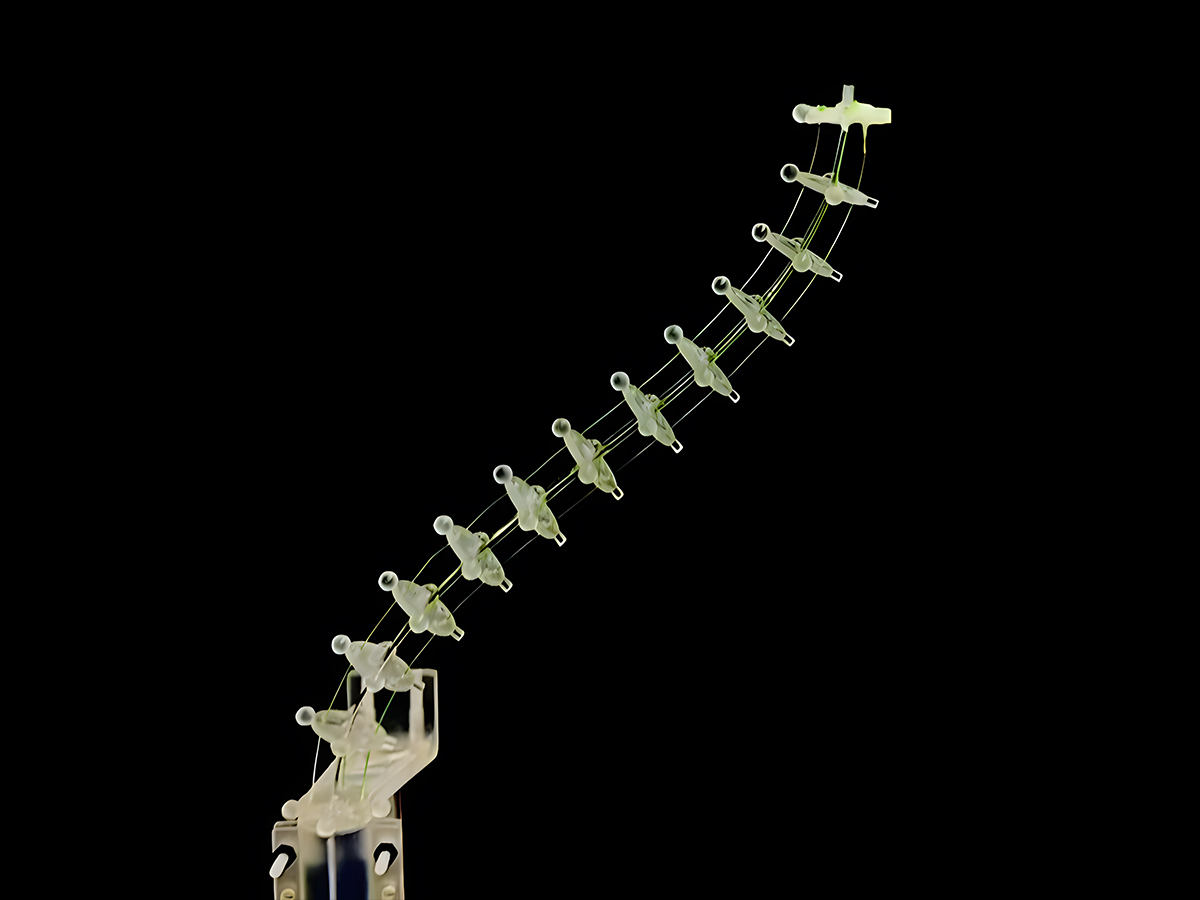
Professor Lilge's research focuses on continuum robots – robots that are inspired by animals like elephants, snakes and worms. Made from flexible materials, they can bend, twist, and extend to reach places that traditional robots and humans can’t.
We’ve seen great progress in designing and modelling continuum robots, understanding how to build these flexible structures and describe their complex movements. I believe the next major leap will come from robust algorithms that make these robots more intelligent and autonomous, enabling them to navigate complex spaces, manipulate delicate objects, and perform tasks with minimal guidance.
Personally, I’m particularly interested in state estimation, motion planning, and control, which help robots determine their shape and position in the world and decide on their next actions. The ultimate goal is to create systems that can understand their surroundings, reason about their situation, and make informed decisions in real time, thereby increasing their autonomy so they can operate effectively and safely in the real world.
I’m most excited to start working with curious and motivated students and to share the excitement of robotics through experiential learning and research involvement. Beyond advancing new scientific knowledge, I look forward to contributing to the education and growth of the next generation of robotics researchers. My goal is to create an environment where students feel inspired to explore, experiment, and innovate.
In my free time, I enjoy playing board games with friends and going for runs. It’s a great way to unwind and recharge outside of work.
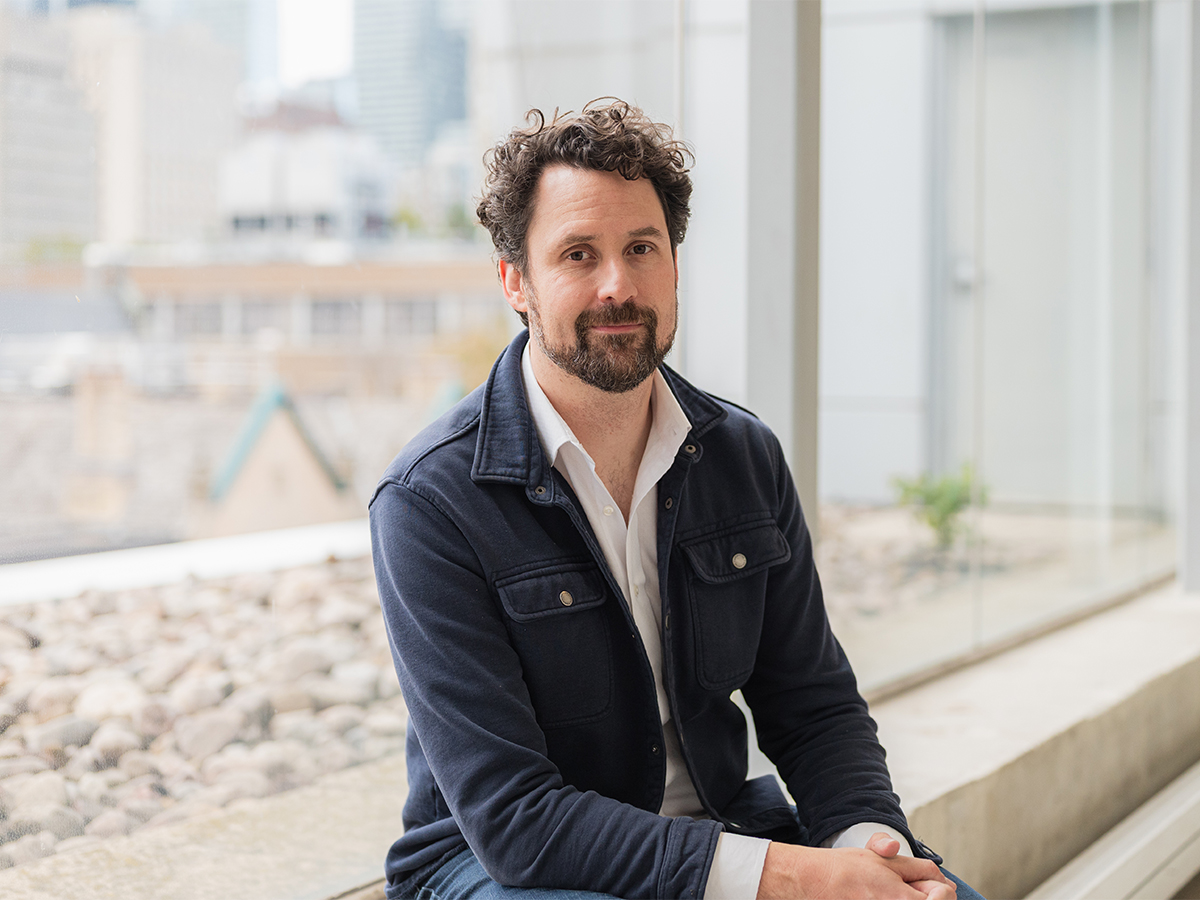
Anthony Scavarelli, Assistant Professor, Computer Science
Fundamentally, my research explores how we enhance connections between people to create new and exciting ways to learn, blurring the boundaries between the physical world and the limitless possibilities of the virtual one.
Currently, I am exploring how to make virtual reality (VR) more inclusive in social learning spaces like classrooms and museums. This research involves developing and evaluating VR systems, experiences, and interaction techniques to enhance usability, skill acquisition, and encourage new perspectives, problem-solving, and experiential learning.
I am also a strong advocate of participatory design methods, co-designing with diverse users and communities to reveal unique insights into how people in different socio-cultural contexts use technology.
Being an adjunct research professor at Carleton University was a fantastic opportunity to build experience co-supervising undergraduate and master's students.
In particular, I am very excited to help lead VR research efforts on an extensive multi-disciplinary collaboration between Carleton University and the First Nation of Na-Cho Nyäk Dun called Kwän Dék’án' Do (external link) ("to keep the fire burning" in Northern Tutchone). Kwän Dék’án' Do is developing unique methods of language and cultural preservation and learning, centred around land-based learning and oral histories using generative AI and VR. It is an important project, as there are so few speakers of Northern Tutchone left, and Western-centric approaches to research and development will not suffice (data sovereignty and continued community ownership are essential). The project is still in its early phases, but initial prototypes have been well-received.
VR has immense potential to reshape society and culture with its perceptual illusions. For now, immersive virtual environments will continue to replicate familiar physical and social spaces, providing a convenient way to train skills and connect people remotely, albeit with many enduring accessibility and inclusion challenges.
In the far future, embodied avatars, AI agents, and immersive parallel realities will reshape how we interact socially, culturally, and politically, while also offering opportunities for increased inclusion, creativity, and the exploration of multiple identities and new cultures.
The future of VR will demand new methods for regulating misinformation and for addressing the blurred lines between human- and machine-generated realities, forcing us to confront what is real and what is not—and whether it matters.
I look forward to helping build communities at TMU that support and inspire one another through our shared passion for building stronger futures for everyone. My community-building efforts will include collaborating with other TMU faculty, mentoring students to become successful researchers and professionals, and being part of a system that supports the ongoing creation and development of research in the beautifully diverse and innovative city of Toronto. I have always been impressed by TMU's ability to connect with industry and creative practices in their research and programming, and I look forward to contributing to those strengths.
Over the next few years, I aim to establish VRiend Lab (external link) as a leader in immersive social learning tools, co-designing new inclusive VR experiences and accessible VR interaction techniques with accessibility, museum, and educational communities at TMU, Toronto, and beyond. Our efforts will guide how these technologies can be used to enhance human abilities and social connections, from traditional and non-traditional perspectives, connecting virtual and physical realities to create and inspire new and unexpected possibilities.
Most of my free time is spent with my family, watching and helping my children grow, spending time with my partner, playing games, practicing art, and connecting with nature. Otherwise, I love to play basketball and watch the Toronto Raptors on TV when I can (and when I can't, I listen to spectacular Toronto sports podcasters Will and Alex (Hello and Welcome (external link) ) or Samson and Tre (Pull Up Tre (external link) ) during my commutes). It can be challenging to find time, but it is important to me to stay inspired and centred by creating art, reading science fiction, listening to classical music, and meditating with a cup of coffee.
Generally, I love learning, being challenged by new things (e.g., I took up Historical European Martial Arts (HEMA) longsword fencing over the past year, and I'm terrible at it!), and connecting with others who are passionate about their subject areas and hobbies to build new perspectives and collaborations.