EngSpotlight Interview: Electrical Engineering
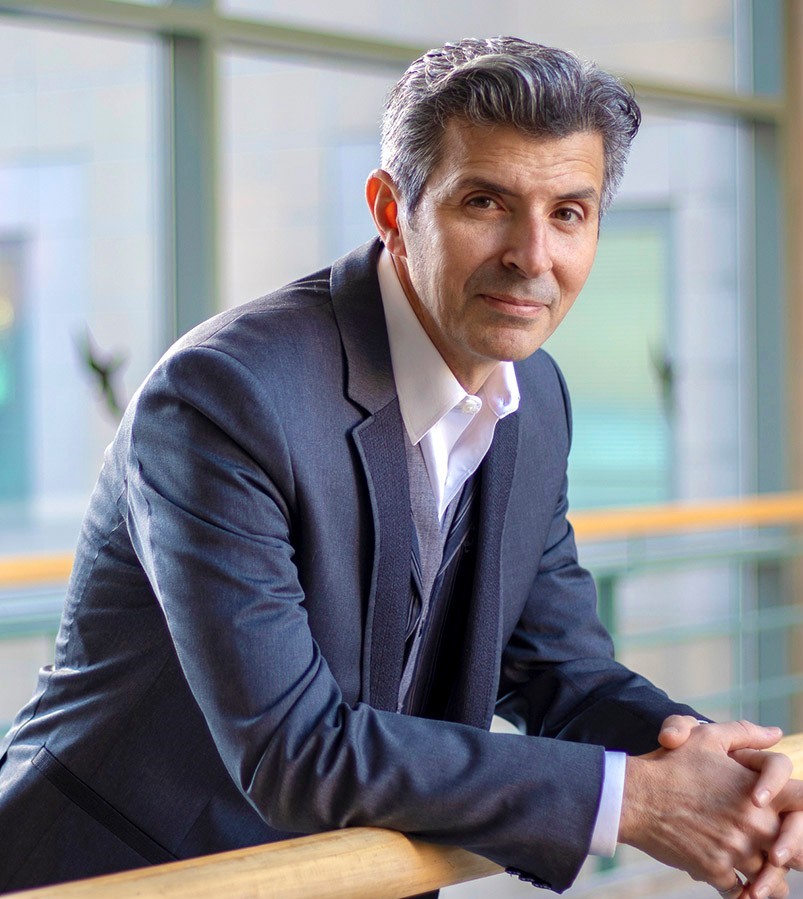
Hi, I am Dr. Dimitri Androutsos. I'm the Department Chair of Electrical, Computer and Biomedical Engineering. I’ve been a professor at TMU since 2004. I am very much into photography, and it comes from, my graduate research which was in areas of image processing. I also like to travel and I like to ski.
What does Electrical Engineering mean to you?
Electrical engineering, not just to me, but to everybody, is probably the most important engineering discipline that we have. If we think about it, what would our world be like without electrical engineering? It is so important to our daily lives. Nothing that we deal with these days can function without electricity. Electrical engineering provides electricity. So the theories for that, and the hardware and the infrastructure is all based on electrical engineering. But beyond that, electrical engineering covers such a broad area of disciplines and fields that there are aspects of life that are part of electrical engineering that people don't even know. With TV streaming and movie streaming, anything that has to do with communication, anything that has to do with cell phones, anything that has to do with image processing, and of course, power generation, power distribution. If it wasn't for electrical engineering, none of these things would exist. So to me, electrical engineering is essential for the way life is today, for all of our technology today. If it wasn't for electrical engineering, none of it would be possible.
How important is the Electrical Engineering sector to a country or to Canada's economy?
The areas and fields of electrical engineering are so broad and so pervasive in our lives and society today that the importance of electrical engineering in Canada’s industrial sector and growth is paramount. The thing about power itself, just the electricity and the need for electricity in society today is more than it’s ever been. There is a lot of research and development in finding efficient, effective ways to create energy, to transmit it to homes, to store it and to use it efficiently. Just from that aspect alone it’s extremely important to Canada. But if you look at other sectors in Canada that are important in the industry, technology is the number one area, if not in the top 3 areas, of what Canada is working on in important industries. And when it comes to technology nowadays, electronics, electric circuits and media, and how that media is created, processed and communicated. And data communication, voice communication, all of these aspects are the most important sectors in Canadian industry. And electrical engineering is at the forefront of that.
What are some of the pressing challenges faced in the Electrical Engineering field?
These days is probably power distribution, power creation and power storage, and primarily the fact that society is looking to move away from fossil fuels and finding ways to create electricity efficiently. If you look at solar panels, for example, the amount of research that goes into those solar panels and creation of solar panels, and to make them more efficient. Also having a power grid that can sustain the demand of electrical requirements of the population. Imagine if everybody stopped using gasoline powered cars and went to electric cars and started plugging their cars into the power grid? The demand that would place on our electrical system would be unbelievable. So that's one of the biggest pressing issues right now. Another one, which is probably not that well known by people, is that the cpu analog design, electronic design, that's kind of been going on the waste side, and people in those areas are hard to come by, since everyone wants to go into the fields of artificial intelligence and machine learning, and there are areas of electrical engineering that don't have as many people working in them right now, and that would be one of them. But I think the biggest challenge is the electrical creation and distribution not just for Canada, but I think for all countries in the world.
What are the different fields that Electrical Engineers can specialize in?
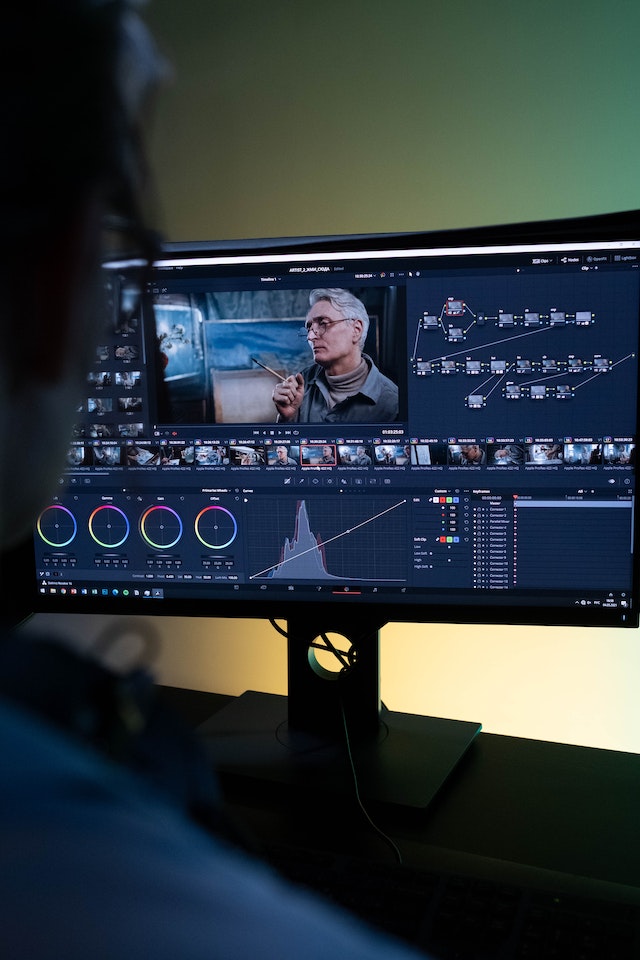
As I mentioned early on, it's the widest or the broadest engineering field that exists. That's what electrical engineering is. I kind of call it like the Swiss army knife of engineering fields. It is so broad, and there are so many areas and so many things that come out of electrical engineering that people have no idea. To most people's impression of electrical engineering is that it's just a power plant that creates power, and we have these Frankenstein switches on a wall that people pull to provide electricity, and Tesla coils and things like that. Electrical engineering is so much more than that. Just to list a few off the top of my head, communications theory, meaning any radio, cellular, phone, data, any communication theory or any communication industry is based on electrical engineering. Companies like Qualcomm, Nokia, Sony, and all these companies, their bases are electrical engineering. Another one is, think about simple things like Instagram. People look at Instagram and they apply filters on their images and everything that they're doing there is based on signal processing, which is an aspect of electrical engineering. When you fire up something like Photoshop, and you apply filters, you do changes on images and you adjust them, the theories are fundamentally electrical engineering there again, part of signal processing. And we think about robotics, what would robotics be today without the series and fundamentals of electrical engineering? Robotics is not just gears. It primarily is the series and the mass and the science behind control theory. How do we control robots to do what we want them to do and make sure that they work within certain parameters? That is control theory. And that is a branch of electrical engineering.
What is one of your memorable engineering work experiences?
It would have to be probably my first job coming out of graduate school. I worked for a small start-up that was working on doing, at the time, it was 1999, doing rotoscope. I don't know how many people know what rotoscoping is, but it's essentially a blue screen and green screen for movies without using a blue screen and a green screen. My experience was memorable because I worked in New York City, and I worked in editing suites, and worked alongside people who worked on some of these huge blockbuster movies to try to get them to use the tools we created. That was a great experience, not only being in New York and Manhattan, which was an amazing experience at the time, but seeing how these people worked in these studios and editing suites, how they would fix up movies and change them and use our tool to help with that at a certain degree. So that was a very memorable experience, because I got to apply all of the theories and technologies that I worked in as a graduate student, and mostly my master's work and the knowledge I gained there, I applied it directly to the work that I was doing in the start-up.
You are a Senior Member of Institute of Electrical and Electronics Engineers (IEEE). Can you tell us about IEEE and what kind of work or research you are involved in?
The IEEE is the Institute of Electrical and Electronics Engineers. That doesn’t mean just electrical engineers, it also means electrical, computer, and biomedical. So it is the worldwide organization where people, who study electrical engineering, computer engineering and biomedical engineering, not just study it, but work in the field, have interest in the field, are part of that organization. Aspects of that organization are to number one, publish in those areas. So IEEE is the leading publication organization. It also has local chapters within every city and region where people who have those interests, whether they're educators or industry or students, get together to meet other people with the same interests, learn about the research, have seminars and take part in seminars. It's kind of like a club, if you want to put it that way. For many students, it also provides a way to make great connections to either, let's say, go to grad school, to meet professors at conferences or at local events, and also build a network that you can maybe find prospective jobs and career opportunities through the IEEE. So it's a great organization to be involved in if you're in electrical or computer or biomedical engineering. I don't know any professor or researcher, or even an industry person who works in these areas, that isn’t a part of the IEEE. It is a worldwide, a huge nonprofit organization, and it can only benefit people by being in such an organization.

How should Electrical Engineering students better equip themselves for the professional field?
My advice to aspiring electrical engineering students, I would say to pretty much all engineering students would be, do as much programming as you possibly can, become competent in programming. People would think that it's just computer engineering, however, programming is a required skill that applies to all areas of electrical engineering. Even if you were to work at Toronto Hydro or a power plant, they require people to know how to program there. Most of the controls of those systems and all that are done with software these days, and they require people who know how to program, build them and program. So programming is an important aspect that I think many students are fearful of, and they don't want to do it. But I think that you need to force yourself to learn that skill, and learning that skill is not just what you're taught in classes. Knowing how to program is extremely important if you're going to work in a technology area these days. I can give you my own example. One of my positions was working in a company that did voice over IP, and I found myself once in one aspect of that job, writing code for the voice over IP aspect of the product. So I was actually writing C++ code and working with other people who were coding, debugging things and trying to write new algorithms and all that. But at the same time people would come to me, and they would ask me how to design a filter because they required a filter for aspects of that project, and the people who are in computer science did not know how to design a filter. Sure they could program, but they had no idea of the theory that was required, and the know-how of designing a filter that worked in the voice pathway. So my skills were used in two ways. So the fact that I knew how to program, and I can say that those programming skills, not only where they developed in school, but I honed them on my own, doing my own projects, and during my graduate work I used programming to simulate things. The fact that I knew how to program made me remain valuable to a company. And the fact that I had an electrical engineering background and I understood filters, I was able to provide even more value to this company. So I would say one of the biggest skill set, is knowing how to program. You’re really cutting yourself short if you're not going to expose yourself to programming.

What is your advice for first-year engineering students?
My advice is, engineering is hard. It is not going to be an easy stroll through. There's a few that find it an easy stroll, but most students will find it challenging. Not just the material, but the workload. The adjustment from high school to university is a huge culture shock. But what it requires is perseverance. It requires you to work hard and try to work with a good study group and make sure you have study habits, and allocate time to doing homework and assignments, and try to keep up with these things. If you work hard through it, and you persevere, it'll work out in the end.
The other advice I can give students is that, if you do find it overwhelming, you shouldn't be forcing yourself to take on workload if it's too much. There is help available in the First-Year Engineering Office, and in later years. All you need to do is to ask for it. There are ways to alleviate your schedule and to help with the workload that could help you cope with those things. I know many students will come in here thinking, “I got to finish in four years!” but nobody says you have to finish in four years. If you take a little bit longer, your mental state is better for it, there's nothing wrong with that. You don't want to be a nervous wreck coming out of here. You want to be able to also enjoy your time as a university student. So come and ask for help. That's what we are here for.
There is no question. Engineering is a lot of work. I don't think anybody came into Engineering thinking it's going to be an easy ride. It's a lot of work, but when you're done in the end, you have a degree that's worth a lot, you can do a lot with. And even if you don't do engineering in the end, the fact that an engineering degree teaches you how to think critically and to solve problems, is knowledge and skills that can apply in many, many areas. There's many people who leave engineering and become lawyers, doctors, accountants or business owners. If you get an engineering degree, you're going to have a great foundation to do whatever you want in the future.