EngSpotlight Perspective Series: Computer Engineering
Take a closer look at what it’s like to study Computer Engineering at TMU
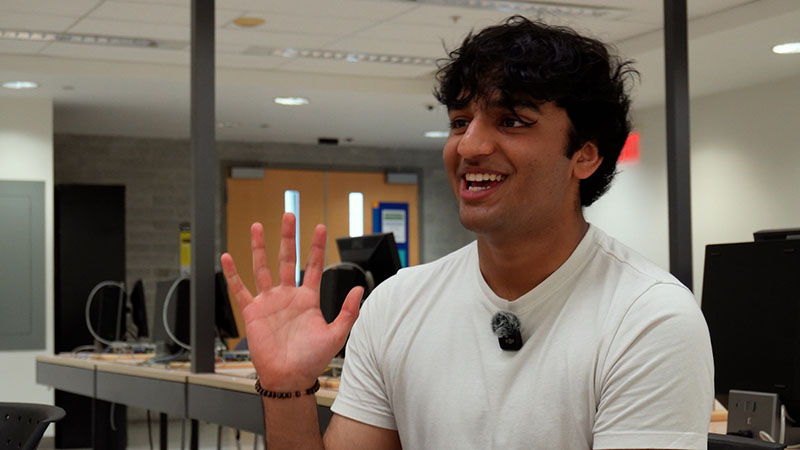
Ritesh Nallapareddy
1st-Year Computer Engineering
First-Year Ambassador
I chose Computer Engineering at TMU because of the networking and vast amount of opportunities where I can reach out to people in the community, industry professionals and upper-year engineering students. They helped guide me through courses, assisted me in finding internships and supported me in surviving my first year at university.
 How would you describe computer engineering to someone who’s never heard of it before?
I would say it’s the gap between electrical engineering and computer science, where you learn all the software theory from computer science and the hardware knowledge, working with circuits, having capacitors and resistors from electrical engineering. Computer engineering essentially bridges the two disciplines, enabling you to create hardware concepts and explore other areas, such as AI, or work with hardware components.
After a year in the program, I discovered that there are hardware concepts to learn. For example, in electrical circuit analysis, you examine the circuits and also look into hardware systems. You could also specialize in one of the two streams. You can go into software, or you could go into hardware engineering under the computer engineering branch.

Neida Wafasharefe
2nd-Year Computer Engineering
MARS & TMU Battle Bots
I joined MARS (Metropolitan Aerospace Rocketry Society). They teach you how to build a rocket from the ground up. Once you build it, you launch it as well. There's a competition, and afterward you write a report. My team and I actually won first place for our entry.
I chose MARS because I wanted to build something with my hands and be proud of what I created. Also, to compete, since I thought a little bit of competition and competitiveness would be fun and exciting.
What are the benefits of joining student groups or design teams?
Adapting to the working environments is one benefit, along with being a good team member, and learning how to collaborate. That's always very important because there is no individual work. Working together and communicating effectively are crucial skills that you can learn from more experienced team members.
You're furthering your knowledge through school or your courses. You're gaining the ability to work hands-on and deepen your understanding of those concepts. You're going to be able to put it all together. I think that’s very important in engineering. You need to be able to work with your hands, create projects, and build your portfolio. That’s usually what puts you ahead of others when you're interviewing or applying for things like co-ops or internships.

Rayyan Faisal
3rd-Year Computer Engineering
Frosh Leader & Co-op
My manager was a significant help during my co-op placement. He went out of his way to connect me with other computer engineers at Ontario Power Generation. I set up meetings with them and learned more through one-on-one conversations. That kind of networking and mentorship really expanded my understanding of the industry and helped me see the diversity of roles within computer engineering.
How did your co-op experience change your understanding of what computer engineers do in the industry?
My co-op really helped me understand the scope of work computer engineers do in the industry, primarily through collaboration and observation. I worked closely with computer and software engineers. We had weekly meetings and project updates. Just being in that environment and hearing about what they’re working on taught me a lot.
I asked them a lot of questions, and they were really open about explaining their work, even inviting me to join some of their projects. That gave me direct exposure to what computer engineers are actually doing in real-world scenarios.
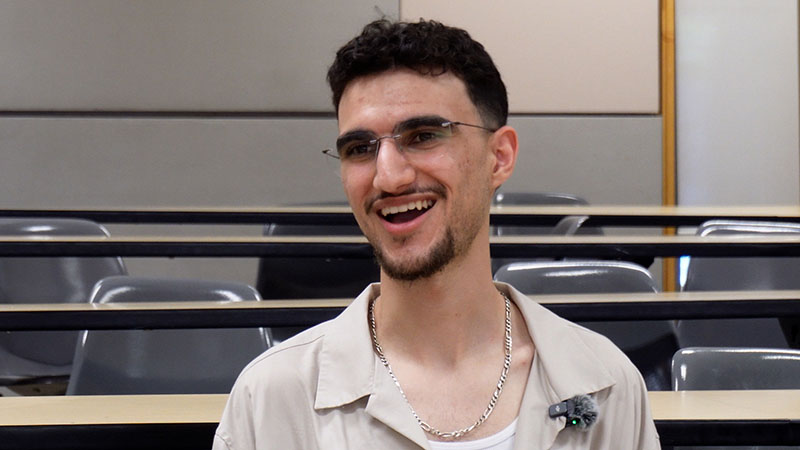
Mahdi Hassan
4th-Year Computer Engineering
Graduate & Founder of TMU BattleBots
During my undergrad, I was really involved in school and even ended up starting my own design team. That experience gave me a strong sense of leadership and confidence in my own abilities. It also taught me how to take initiative. You get to showcase your creativity, dedication and follow-through, qualities employers really value. From my conversations with employers, this has consistently been something they appreciate and are eager to talk about.
How did meeting with professors help you decide what you wanted to do after graduating?
I had always considered graduate studies, but in engineering, you have the option of either a course-based or a research-based master's. I reached out to a professor and asked if we could discuss their research to see what their group does. The professor and members in his group are very passionate about research. He gave me a clear outline of what research actually looks like at university. It’s not like the movies!
The conversation made me realize that this is something I want to be a part of, it’s something I want to do, and it’s definitely something I want to experience. The small steps taken to advance the field is something that's very interesting to me.