These Computer Engineering Students Developed a VR Horror Game to Combat Stress!
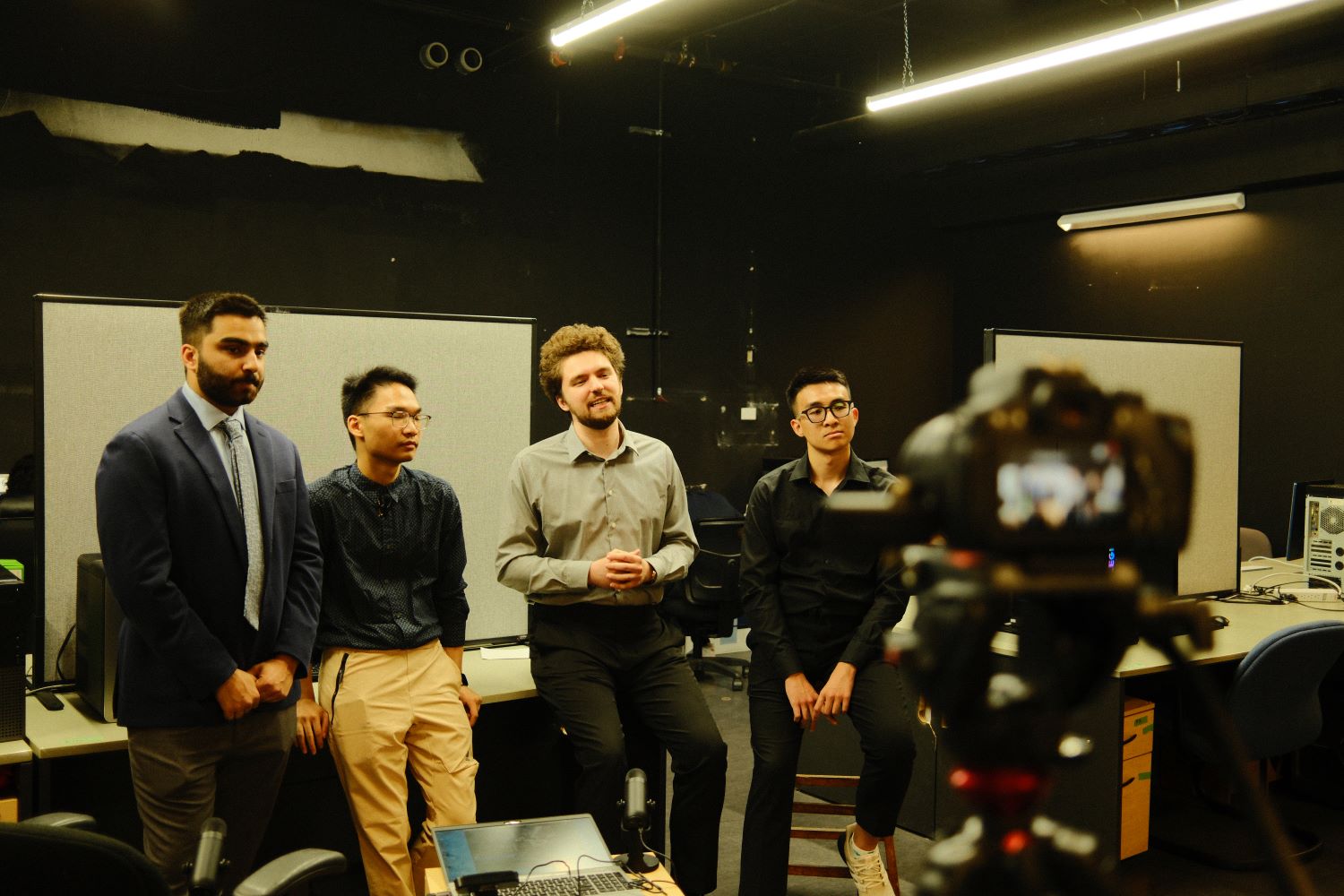
Meet our Computer Engineering Capstone Group: Ethan, Jasper, Adam, and Tri
Why is your capstone project name "Stress buster: A virtual reality biofeed-back-based game”?
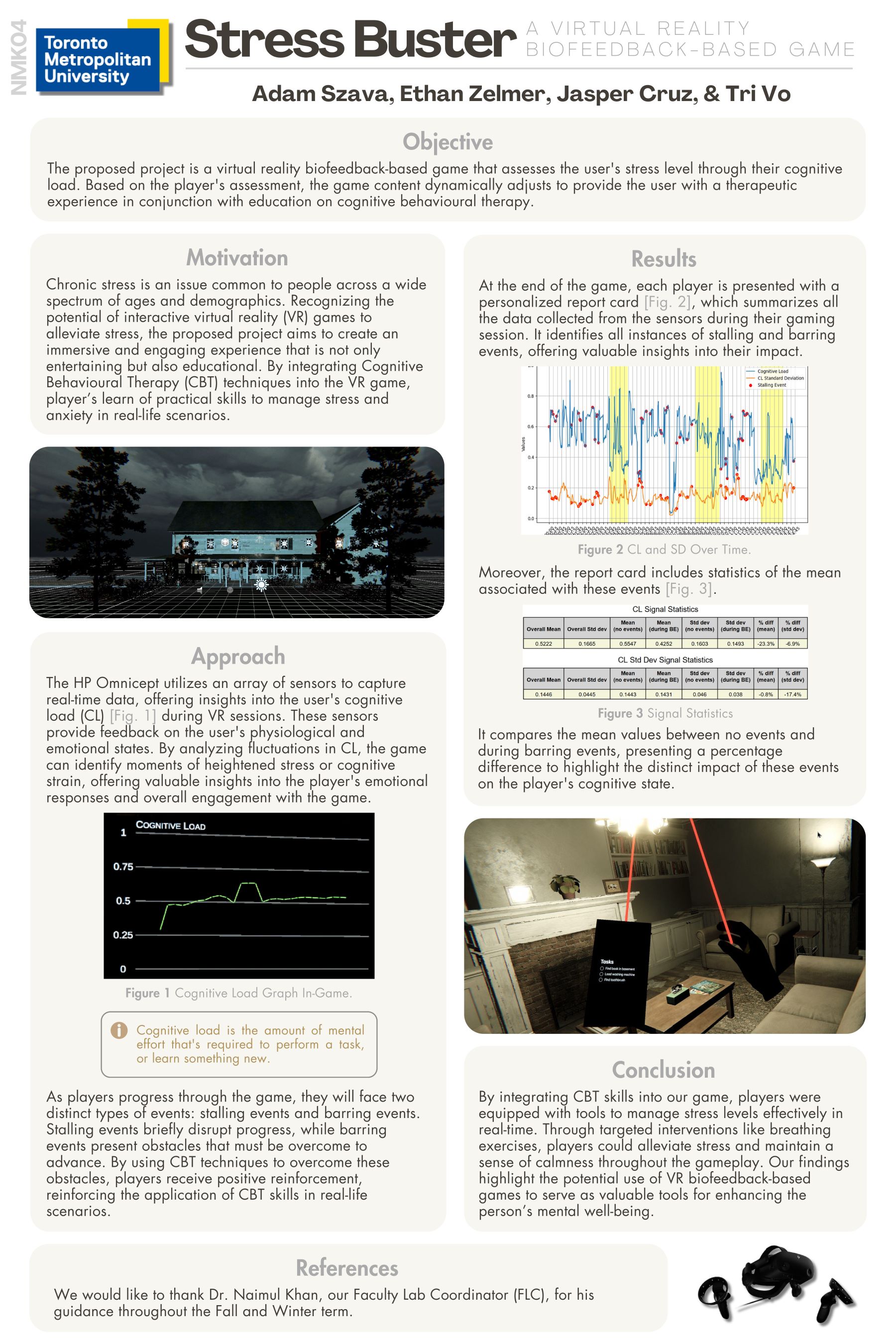
Our project was essentially to make a game that could be used in clinical applications. When people think of games normally they're thinking of fun games, video games that we like to play on phones or consoles, but what we focused on is called serious gaming. It's actually a small field of games that focus on a goal other than entertainment. We look at implementing various biofeedback methods, introduce and experiment with different cognitive behavioral therapy techniques that people can use to manage stress and various coping mechanisms. The stress busters are going to bust your stress. Busters your stress!
Can you walk us through your game and the feedback system?

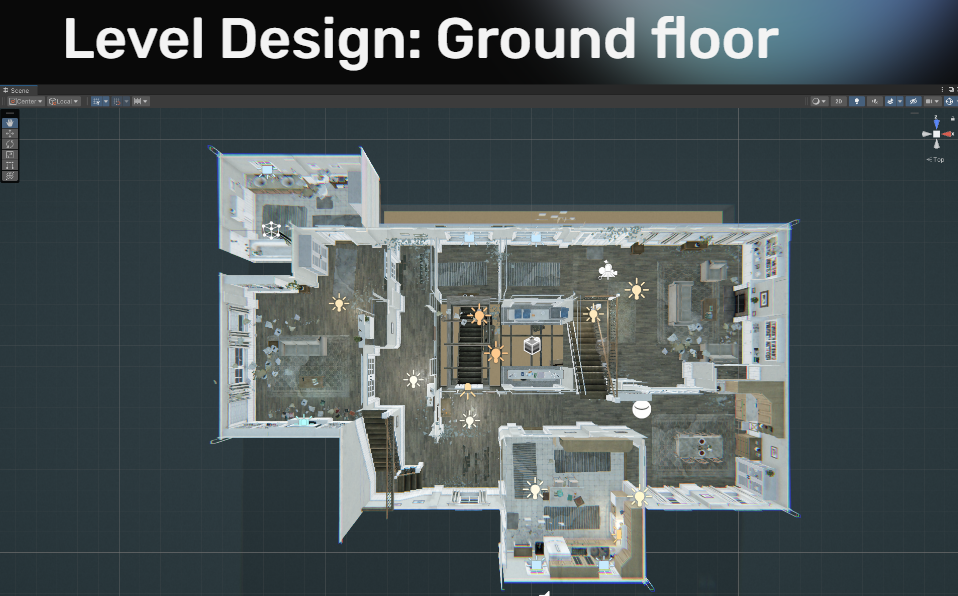
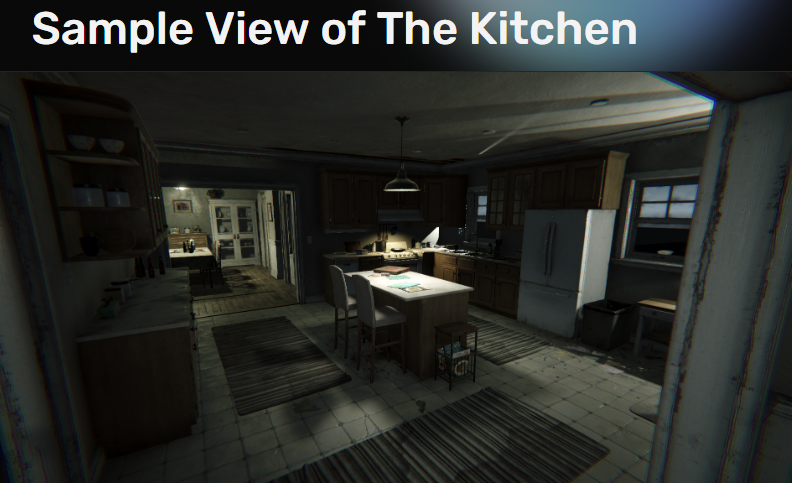
The game starts with the player entering the environment. It's a kind of weird house and they're tasked with a few things to do, a couple chores, etc. As they explore the house, they are being measured in terms of their biometrics in a calm setting. The idea is that the House has these stalling events that happen, and the stalling events are things that just sort of raised to biometrics. The stalling events are things that just raise the cognitive load. The players stress out a little bit.
And then we have three barring events that occur throughout the house. The barring events are an opportunity for the player to learn about different Cognitive Behavioural Therapy (CBT) skills which helps players become more aware of patterns of thinking (cognitions), feeling (emotions) and behaving.
For the biofeedback part, the player's cognitive load is being measured the entire time. And this is affecting the way the game responds, like this affects the way that the game displays the stalling events and how often they occur, and the duration of the barring events.
The idea is that as players go through the game, they will experience the barring events and then as they become more proficient at using CBT techniques, the amount of time that they spend in the barring events will reduce. So right now the way we implemented this is that, when the player's cognitive load is lower, they're less stressed so then we reward the player by reducing the amount of time they spend in the barring events, whereas the stalling events, again, it's the same idea we're trying to reward the player for having a low cognitive load. And then we sum those values together and compare it to a certain threshold.
What platform did you use to create your game?
The main platform that we used is Unity which is a game engine that lets us create 2D and 3D games and VR games. And Unity comes with a lot of packages that are already there to help with creating the game environment as well as integrating VR interactions like grabbing things and being in this world, so there were a lot of tools helpful there. Unity also has a source code management software which is built into it which lets us update and keep everything up to date.
Which courses through your undergrad help you prepare for this project?
So we use a lot of object oriented ideas in the encoding. It allows for some object oriented programming. So specifically COE 318 Software Systems is an introduction to Java which was very fundamental to this project. Actually our supervisor, Dr. Naimul Khan, is the one who actually taught us in that course.
Another course is COE 528 which is object oriented Eng analysis and design. But it's also a very similar thing. It's Java, all the object oriented things, which we applied all the time in this project.
And I love to mention also that we did use some linear algebra quite a lot from first work with vectors. We took a dot product at some point. You might not think that MTH 141 is going to be that important but it does, it comes up.
What advice do you have for first-year engineering students?
- I'd say a big one is just keep trying and don't give up. It is challenging. You know, I had a hard time in my first semester, but really sticking with it, you will learn the skills that you will need. Not just the industry specific skills, but also how to study, how to work hard and build up your work ethic. I think that that's one of the most invaluable things to really push through and you're gonna do great.
- Building a community. I think it's so hard to do all of this alone and have a community of people who are in your class with you, studying with you.That's really what's important.
- I'd also say, go to every class. Okay, I know that's an unpopular opinion but I firmly believe that. If you go and you try your hardest to attend all of the sessions that are available to you, you'll be able to succeed.
Congratulations on your graduation from TMU Engineering!