New outputs from Enhancing Equity in Ontario Elementary Education Symposium
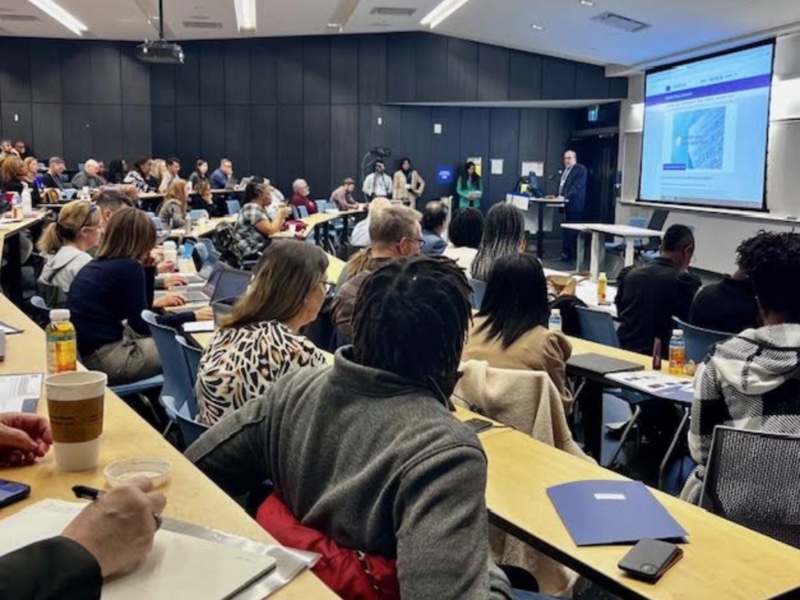
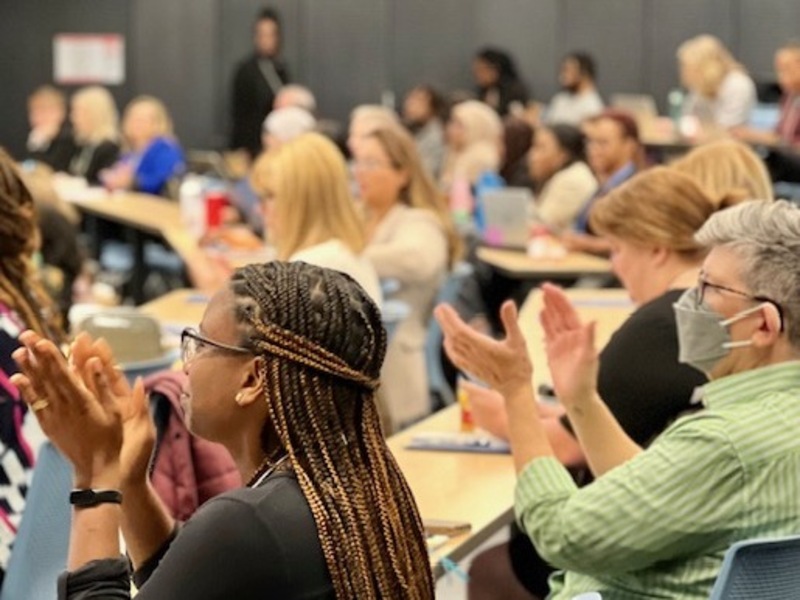
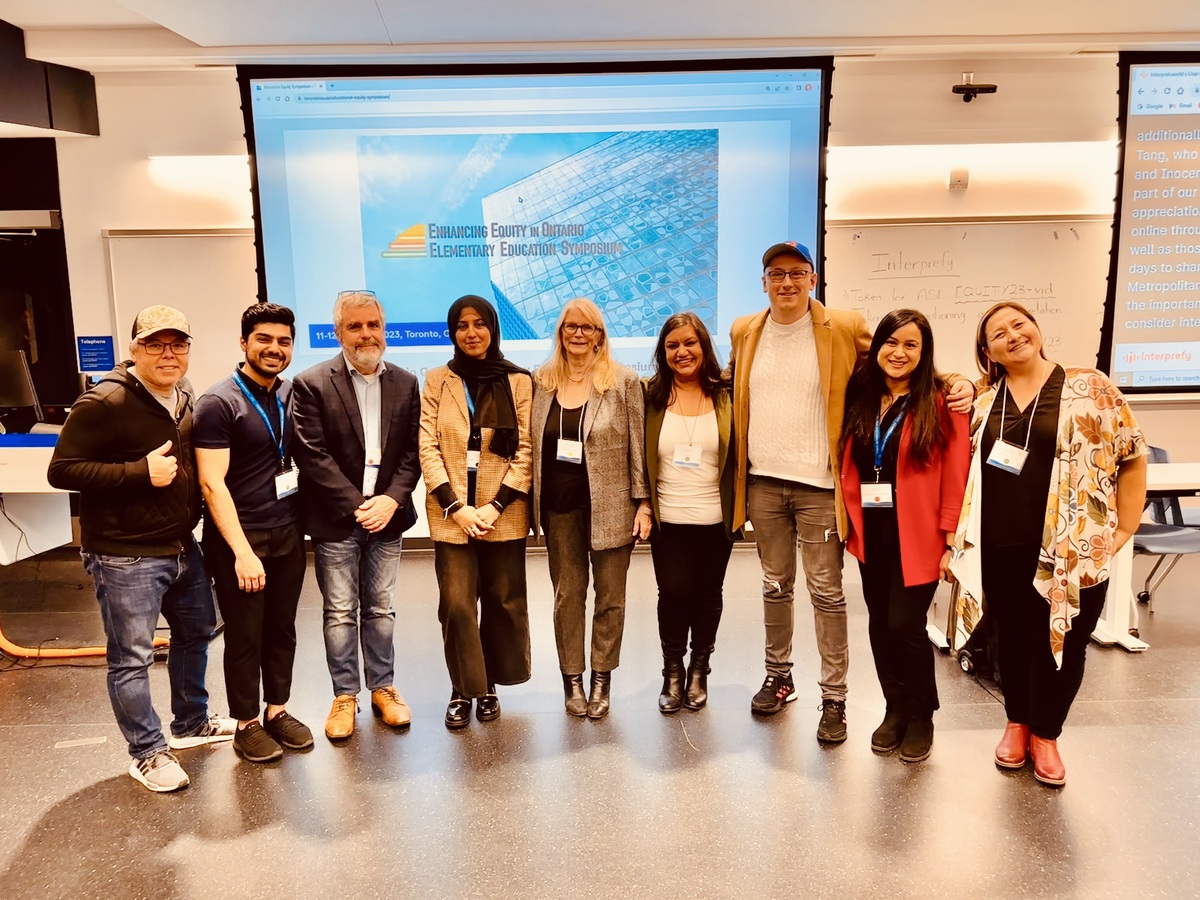
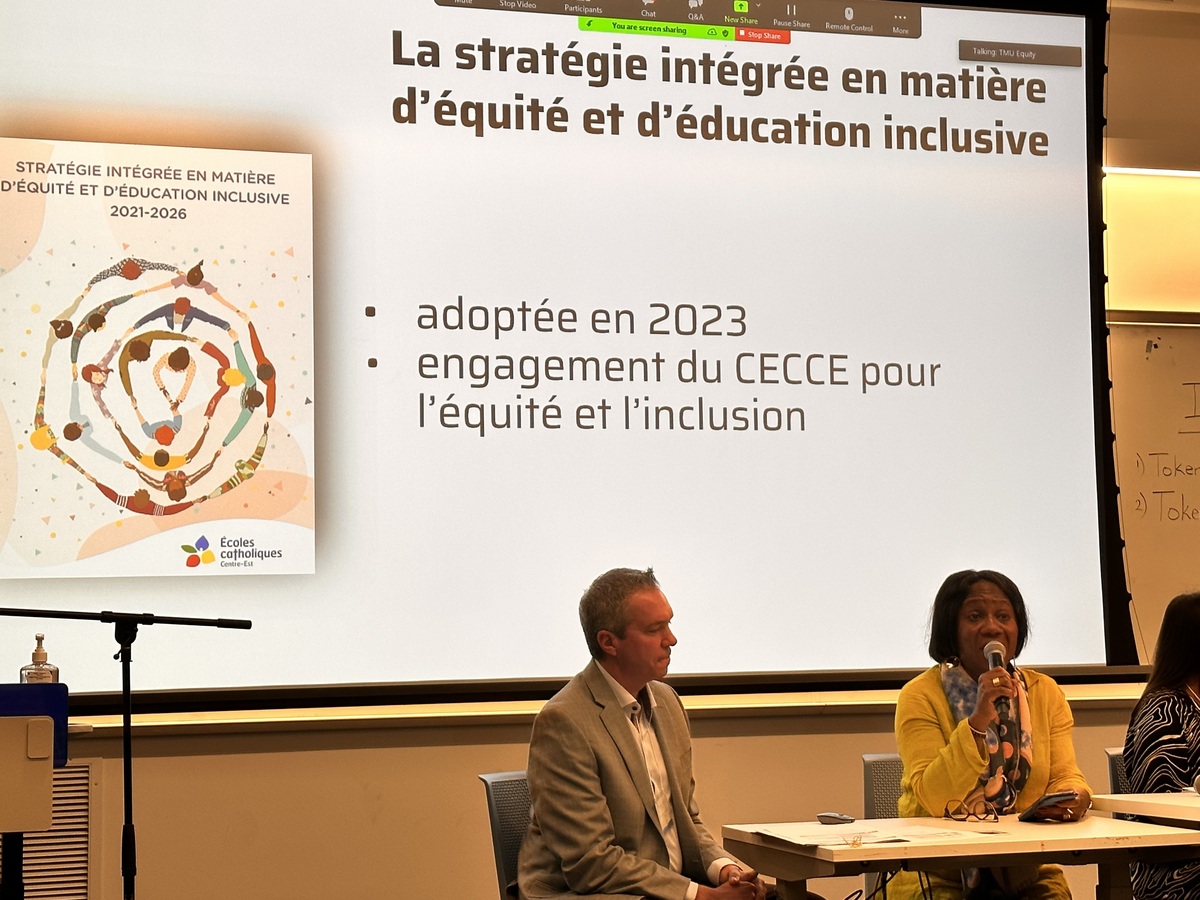
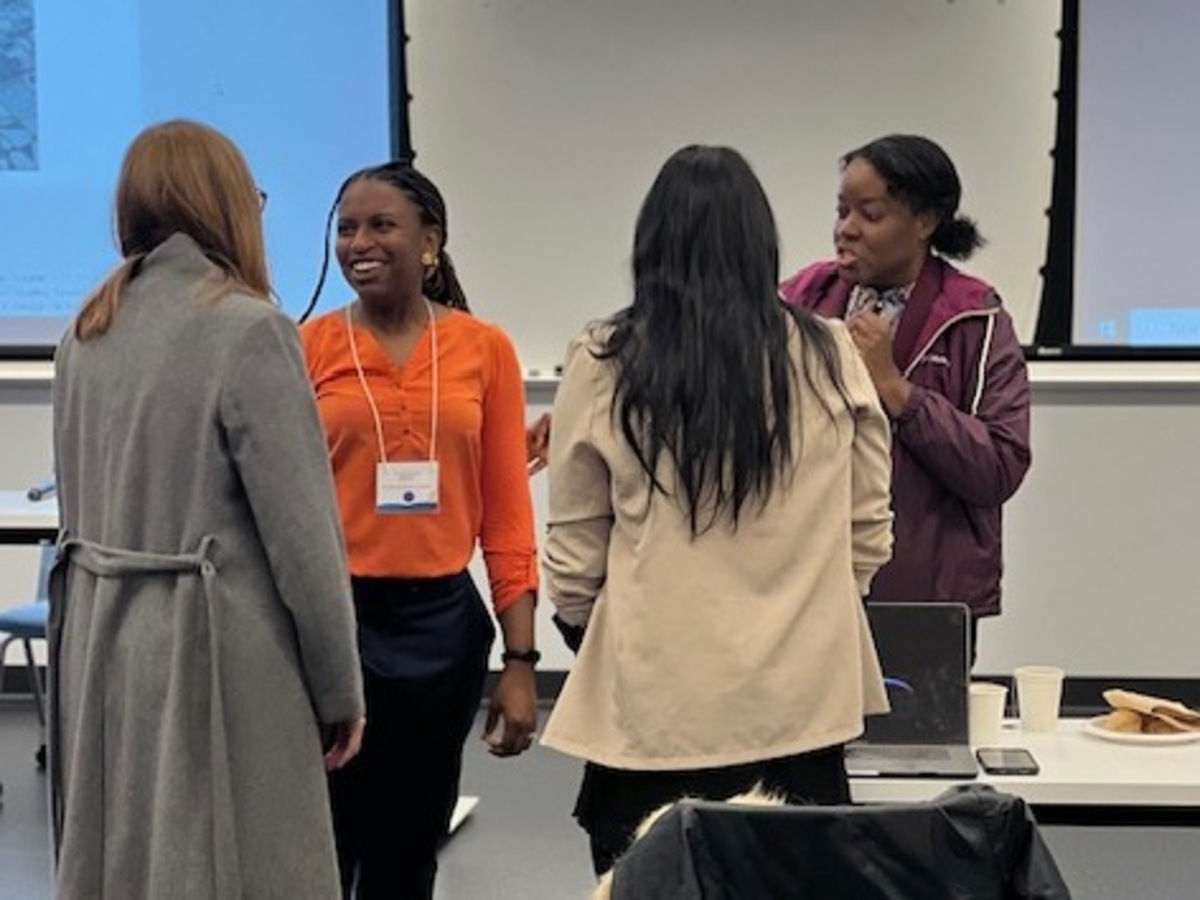
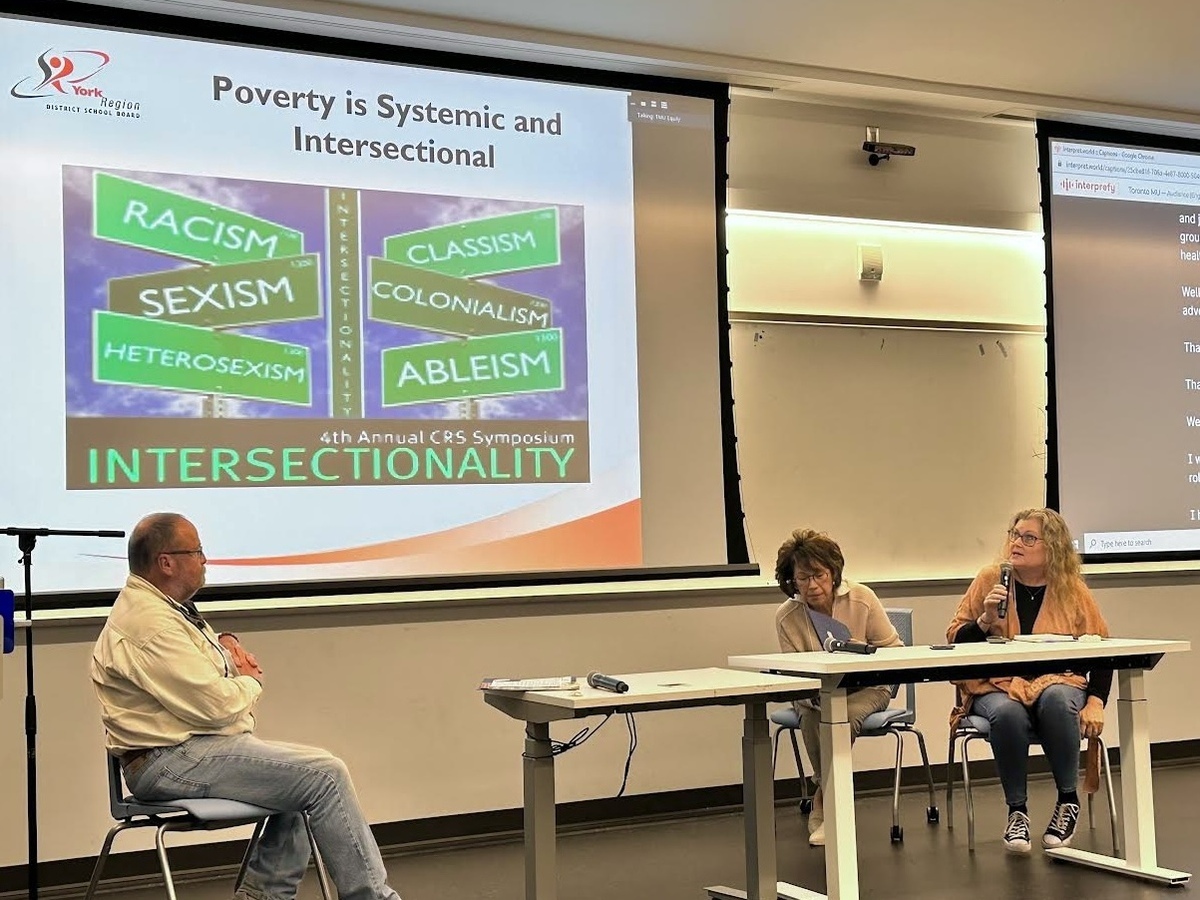
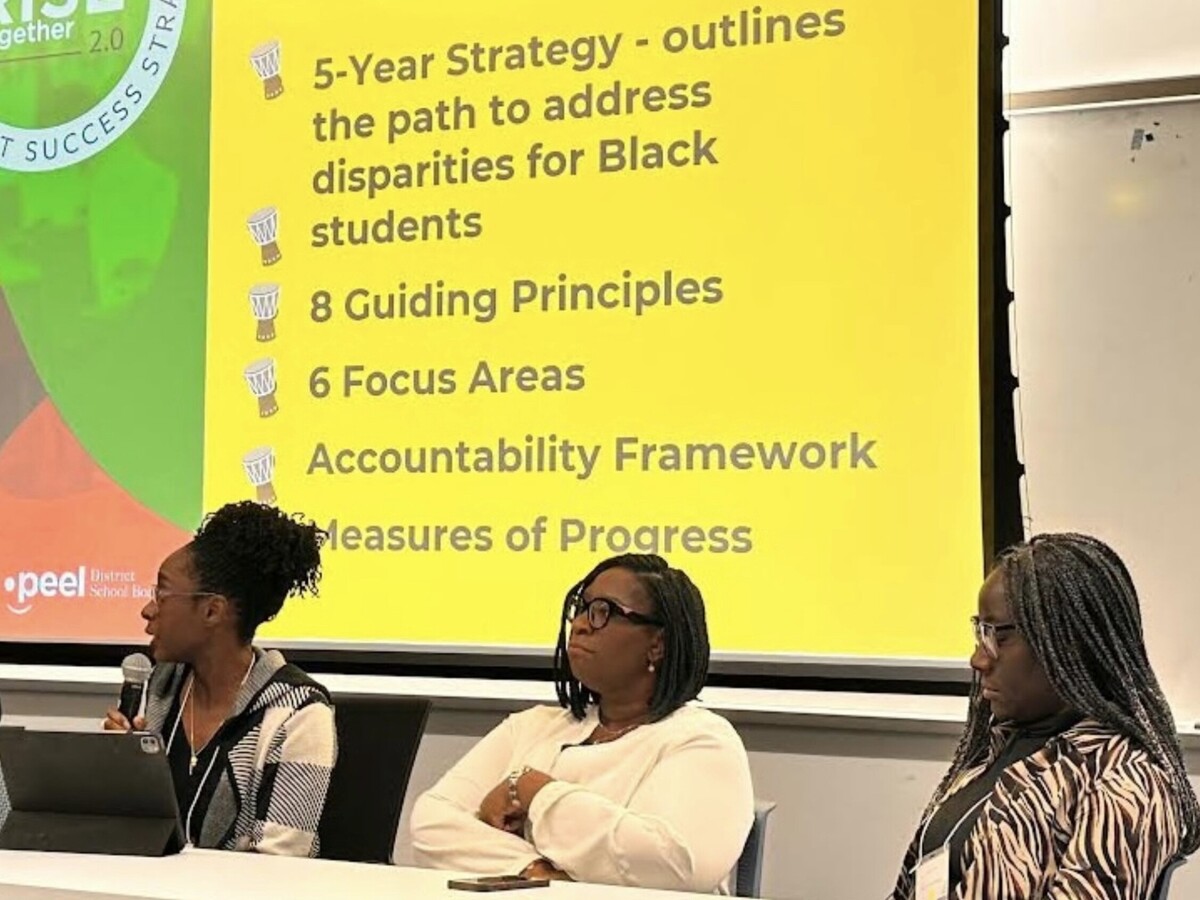
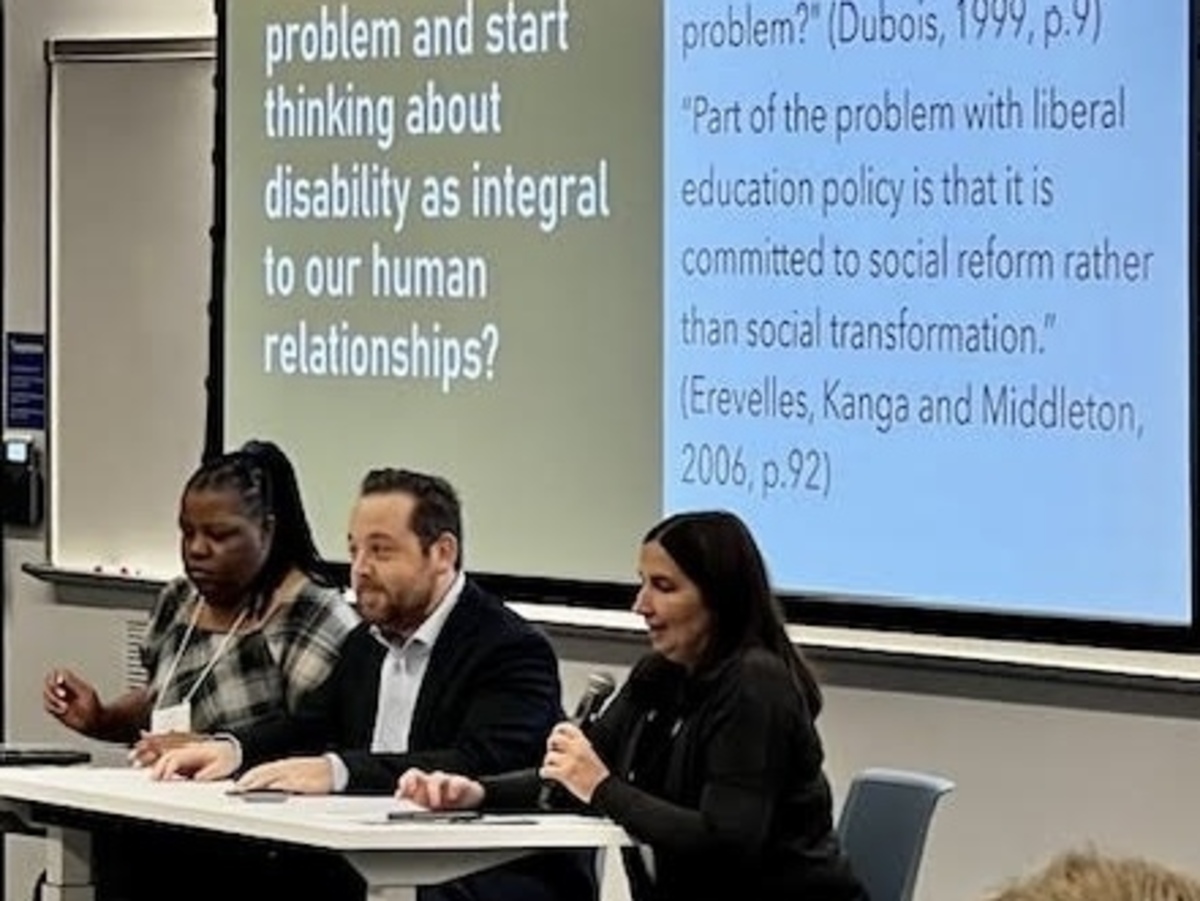
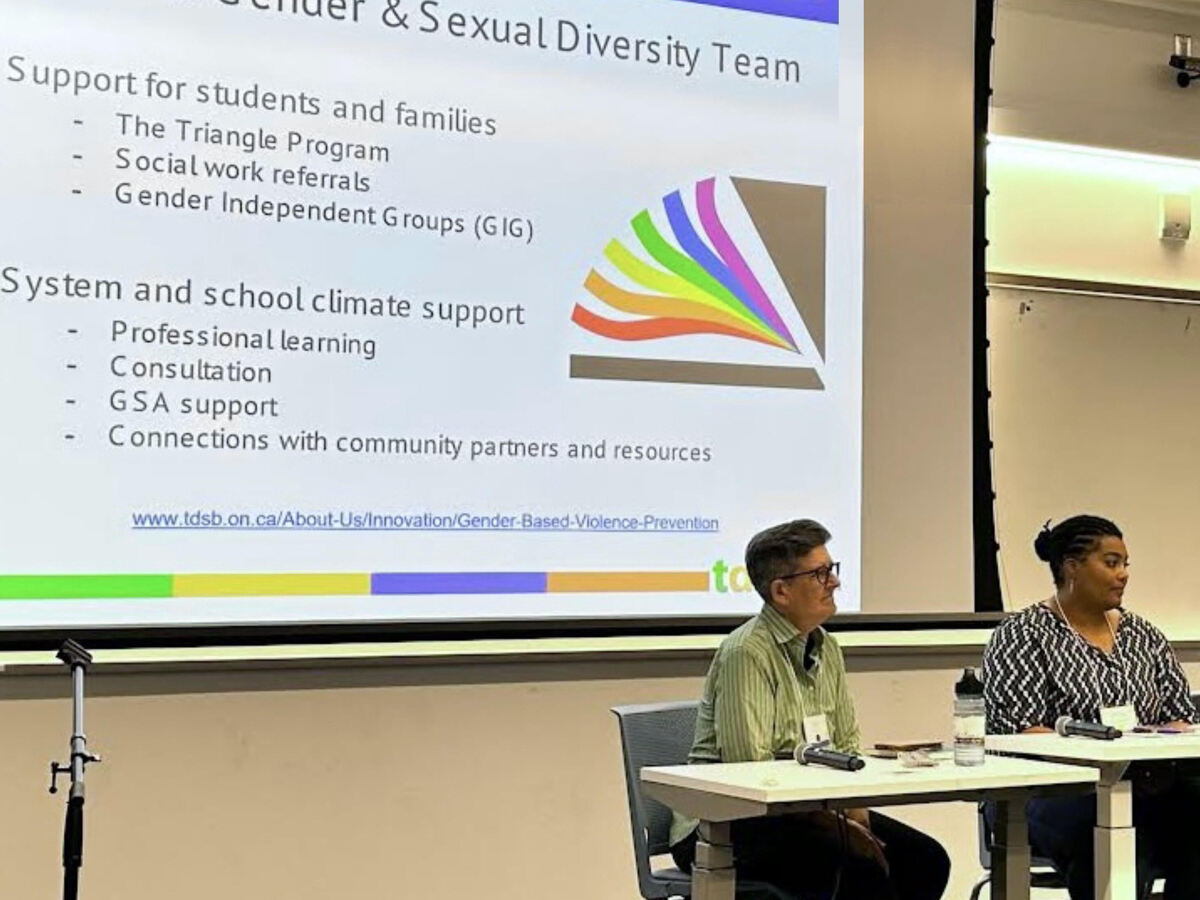
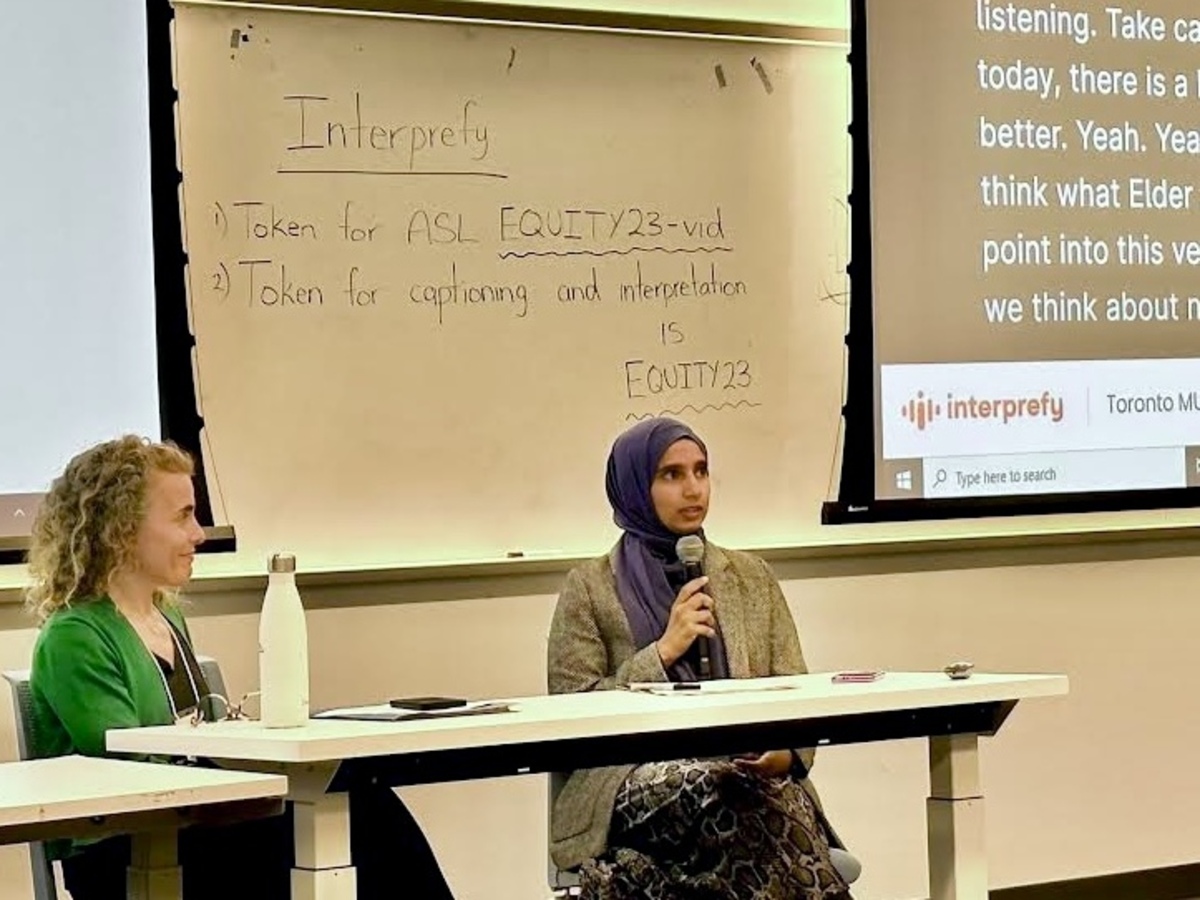
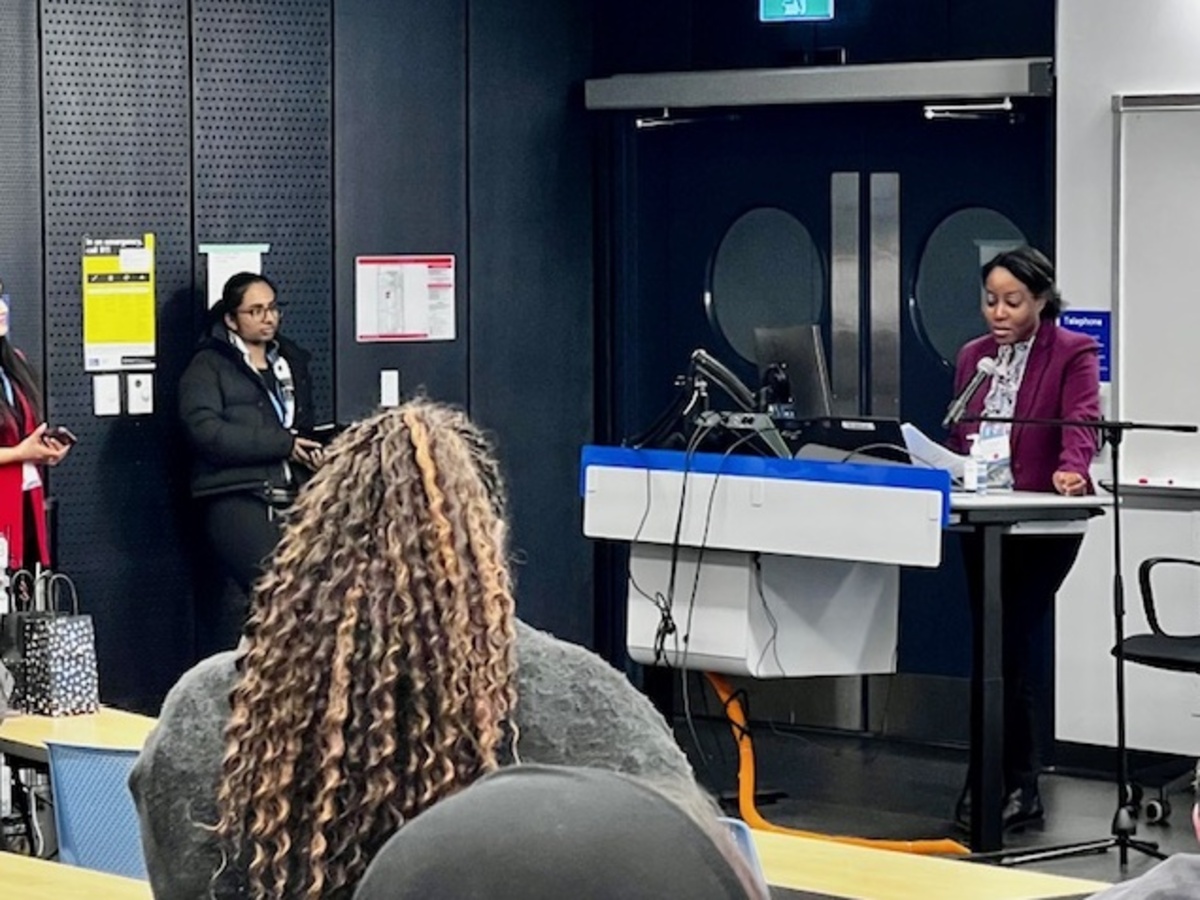
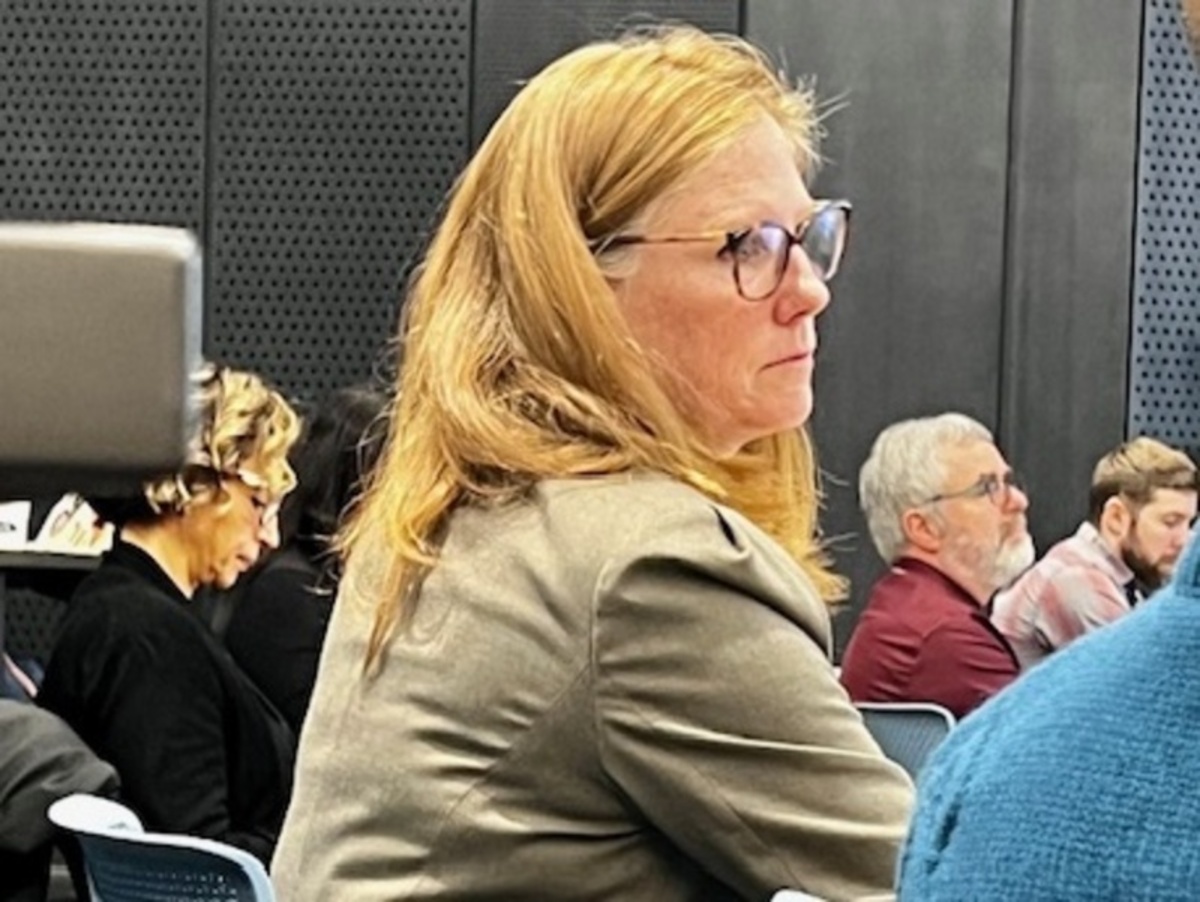
In October 2023, more than 250 staff from Ontario’s publicly funded school boards, policymakers, education stakeholders, and researchers gathered at Toronto Metropolitan University (TMU) or virtually online for the Enhancing Equity in Ontario Elementary Education Symposium.
This SSHRC Connection funded event brought together diverse voices to share knowledge and strengthen commitments to equity and human rights in elementary education. While the symposium has concluded, its work continues through a series of accessible resources designed to support ongoing equity efforts and student learning.
Post-symposium outputs are now available to help communities build on the inspiring conversations and promising practices from the event.
These outputs support educators, school leaders, and community partners in advancing equity and human rights for all students — including those who are Black, Indigenous, racialized, 2SLGBTQIA+, disabled, newcomers, international students, living in low socio-demographic neighbourhoods, and with other intersecting identities.
Community-engaged scholarship
The symposium was shaped by a community-engaged research approach that centered the expertise of practitioners, educators, and community members, with academic researchers facilitating the process.
Dr. Sejal Patel, an Associate Professor and Director of the School of Early Childhood Studies at TMU, led the project in close partnership with school boards, other scholars, and community organizations. This approach ensured that the work was grounded in research and lived experiences of those most affected by educational equity challenges.
“Our symposium explored questions that are meaningful to the community, policy, programming and real-time practice in the field,” said Dr. Patel. “We also broadened our focus beyond single equity groups to consider intersectionality, and the interaction of identities contributing to unique experiences of children.”
New outputs now available
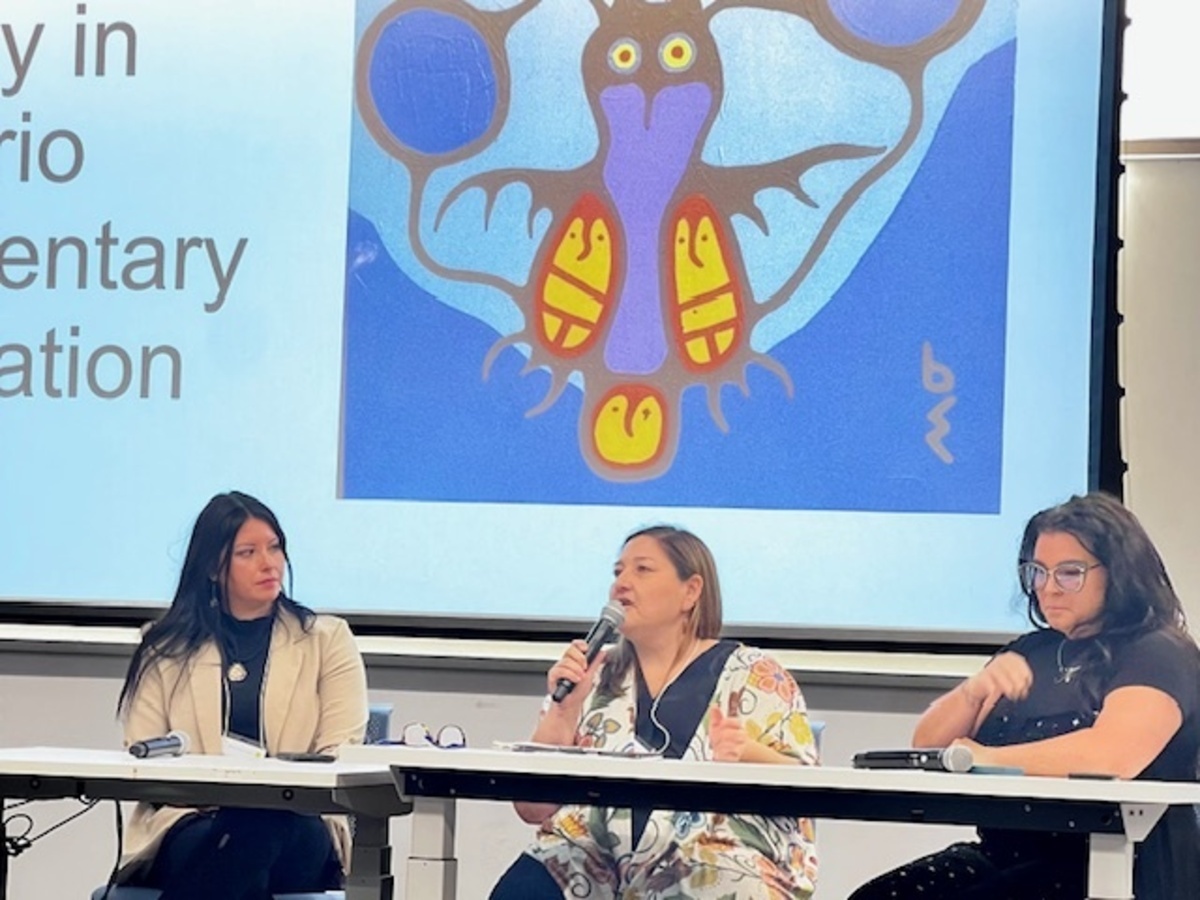
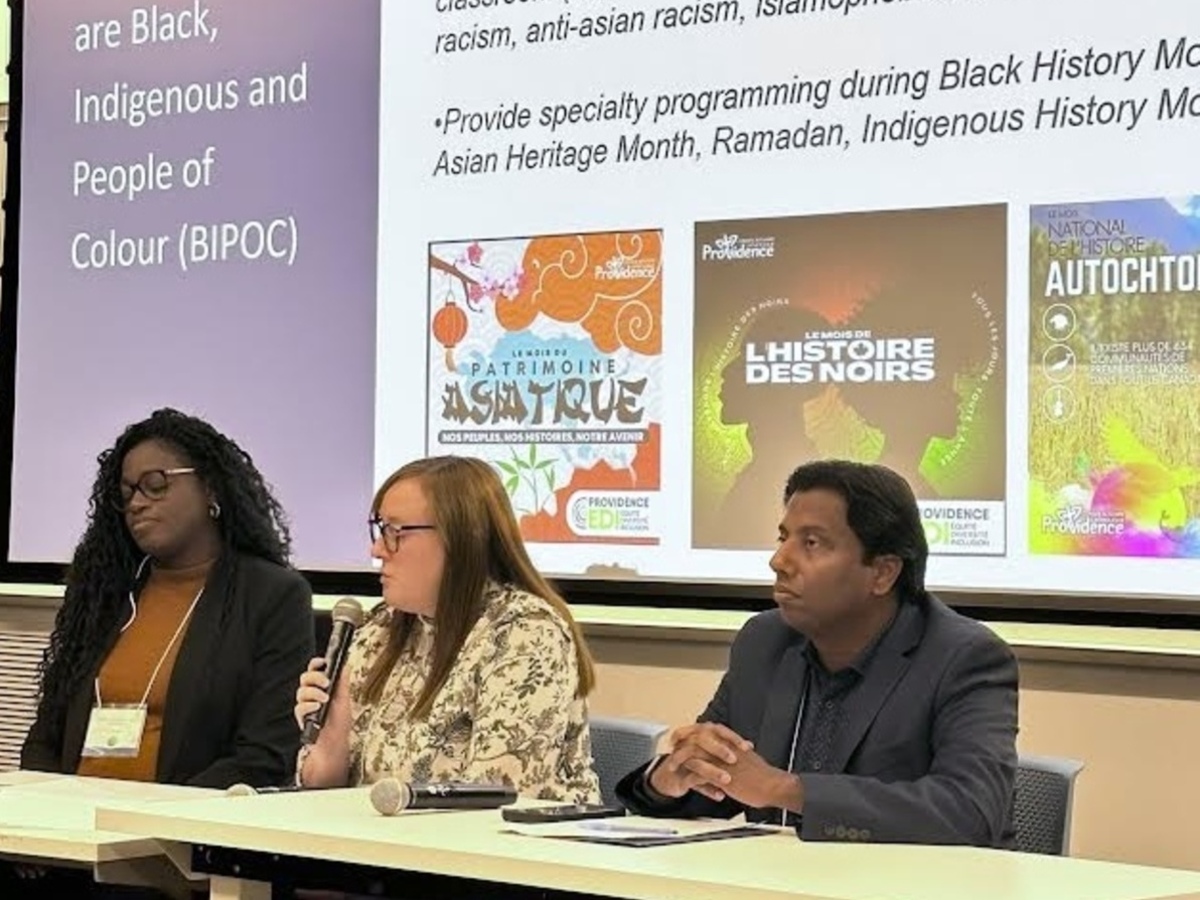
The symposium’s panels generated insights into how to support equity deserving students in Ontario’s elementary schools. Set out in plain language and designed for reflection and application, the symposium outputs are meant to democratize access to research knowledge.
Educators, scholars, systems staff, graduate students, community organizations and anyone interested in creating more inclusive learning environments for all children can now freely access experts' insights beyond the symposium and university setting.
The Educational Equity Podcast series offers accessible audio content that distills key insights from the symposium’s panels and community voices, providing actionable strategies to support equity in elementary education.
Hosted by Stephen Hurley (Executive Director at voicEd Radio), Dr. Sejal Patel (Director and Associate Professor, School of Early Childhood Studies, TMU) and others, the podcasts feature diverse guests including educators, community leaders, scholars, and advocates, all sharing their lived experiences and expertise.
Access the podcast series and transcripts (external link) .
The series covers a broad range of topics, including:
- Indigenous perspectives on learning and unlearning
- Black joy in education
- Dialogue to dismantle barriers
- Culturally relevant pedagogy
- Equity and human rights in education
- Promising practices and challenges in supporting equity for: Indigenous students, Black students, BIPOC students, disabled students, 2SLGBTQIA+ students, students living in low sociodemographic neighbourhoods, students of different faiths, and newcomer students
Each episode is accompanied by accessible transcripts and guest biographies, making these resources valuable for educators, policy-makers, community organizations, and scholars invested in creating equitable learning environments for all children.
Eight plain-language reports were made to summarize each panel, featuring voices from community organizations and school boards, and include additional readings and resources suggested by the panelists. Each report highlights ongoing equity work for students who are Black, BIPOC, Disabled, 2SLGBTQIA+, Indigenous, living in low socio-demographic neighbourhoods, various faith traditions, and/or newcomers.
Contributions to U.N. Sustainable Development Goals
TMU ranked among the top 10% of universities worldwide working to advance the United Nations’ blueprint for a better, fairer world by 2030. The Enhancing Equity in Ontario Elementary Education Symposium supported TMU’s efforts in at least two key areas:
- Quality Education (Goal #4): Eliminate all discrimination in education. Build/upgrade inclusive and safe schools. Ensure equal access to effective learning environments for all.
- Reduced Inequalities (Goal #10): Eliminate discriminatory policies and practices. Empower and promote social and economic inclusion, irrespective of age, sex, disability, race, ethnicity, origin, religion or economic or other status.

Learn more about research at TMU's School of Early Childhood Studies.