Bachelor of Design Non-Academic Requirements
Your TMU Fashion Portfolio:
Start Your Journey
Fashion isn’t just clothing. It’s culture, identity, sustainability, community, storytelling, technology, activism, and imagination.
When you apply to TMU’s School of Fashion, you’re applying to Canada’s leading fashion program, a place where new voices shape the future of fashion.
Your portfolio doesn’t need perfection. It needs you—your thinking, creativity, experiments, and perspective.
Bring your ideas.
Bring your curiosity.
Bring your whole self.
Applying to Fashion TMU for Fall 2026? Make your portfolio stand out.
Get started
The portfolio is an essential part of your application. It shows us your:
• creativity
• exploratory research
• technical skills
• concepts and critical thinking
• interest in fashion and design
Your portfolio includes a combination of visual and written work, with both finished pieces and process work.
Submit four finished pieces of your best creative work. These pieces should reflect your skills, interests, and the unique point of view you bring to fashion.
If you have something from a high-school art or fashion class you’re proud of, that already counts as one of your four pieces.
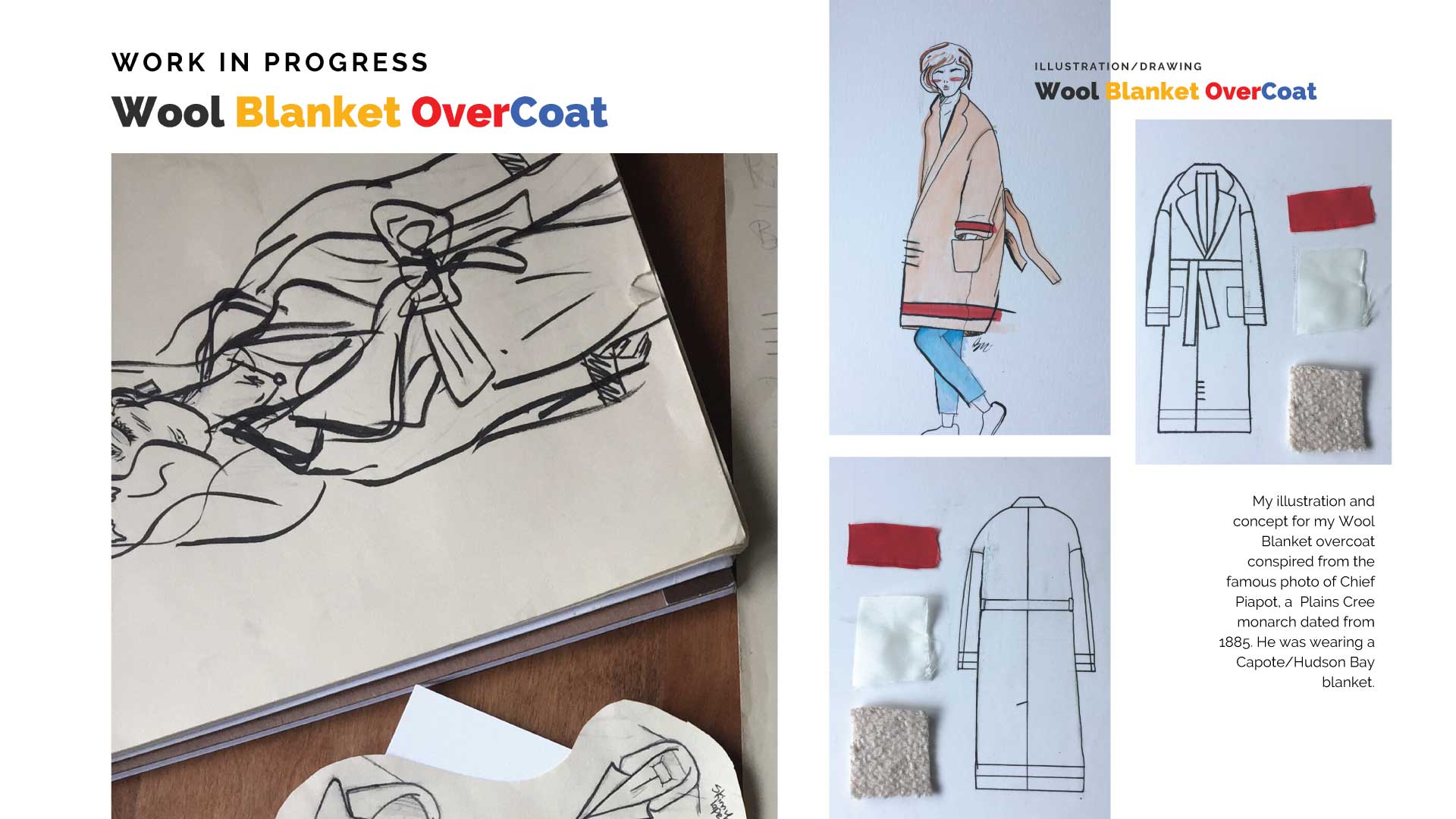
We also want to see your process, the ideas you experimented with along the way.
Process work might include:
• quick sketches
• multiple concepts
• material exploration
• photos of work in progress
• inspiration images (credited)
• your notes, research, and questions
Label your process work clearly so we can follow your thinking.
You can choose any mix of the categories below.
If you submit more than one piece from the same category, show different skills and approaches.
And remember—you can also submit work not listed here.
Clothing & Accessories
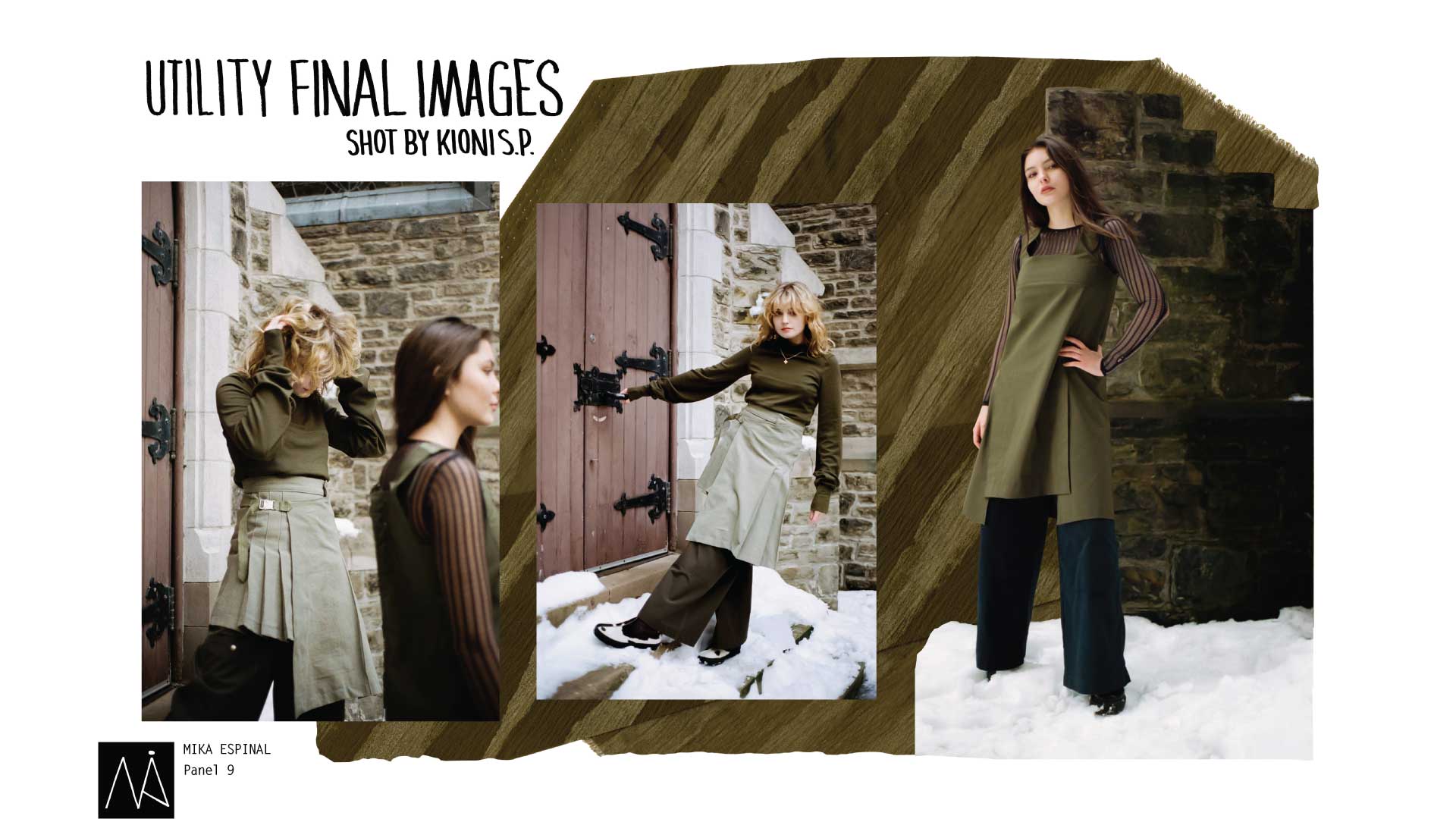
• Sewn garments (from a commercial pattern or your original design)
• Creative reuse or upcycled garments and accessories
Tip: Display on a body or dress form. Include front, back, and detail photos + a short description.
Graphic Design
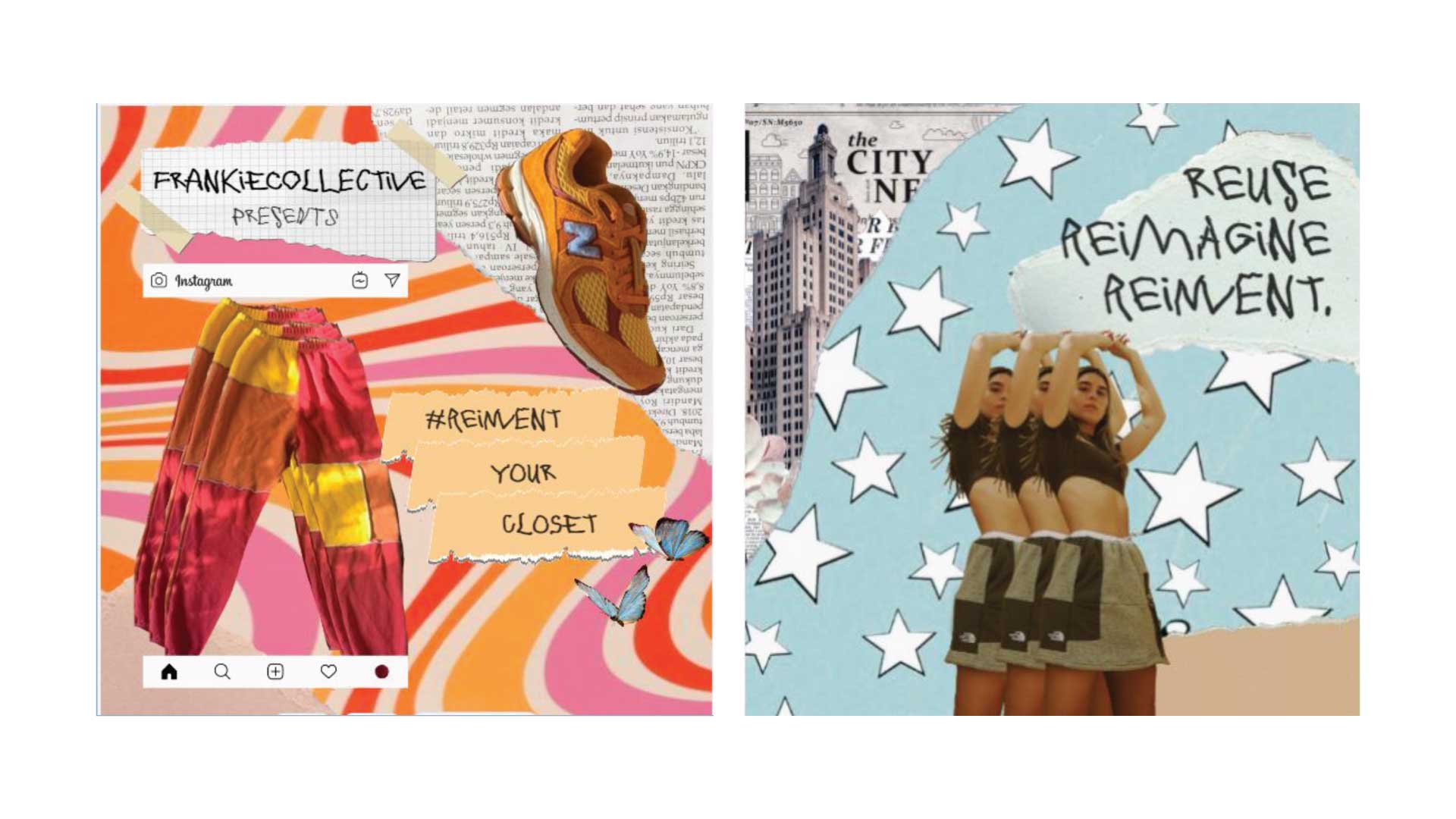
• Branding: logos, advertisements, posters using your original imagery
• Social media campaigns: graphics + a written description of your concept and strategy
Fine Art
• Painting, printmaking, collage, sculpture
• Illustration or drawing (fashion figure, garment design, accessories)
• Photography—abstract, editorial, product-focused, conceptual
Accessory or Textile Design
• Accessories: jewellery, hats, purses, bags (illustrations, renderings, or photos of prototypes)
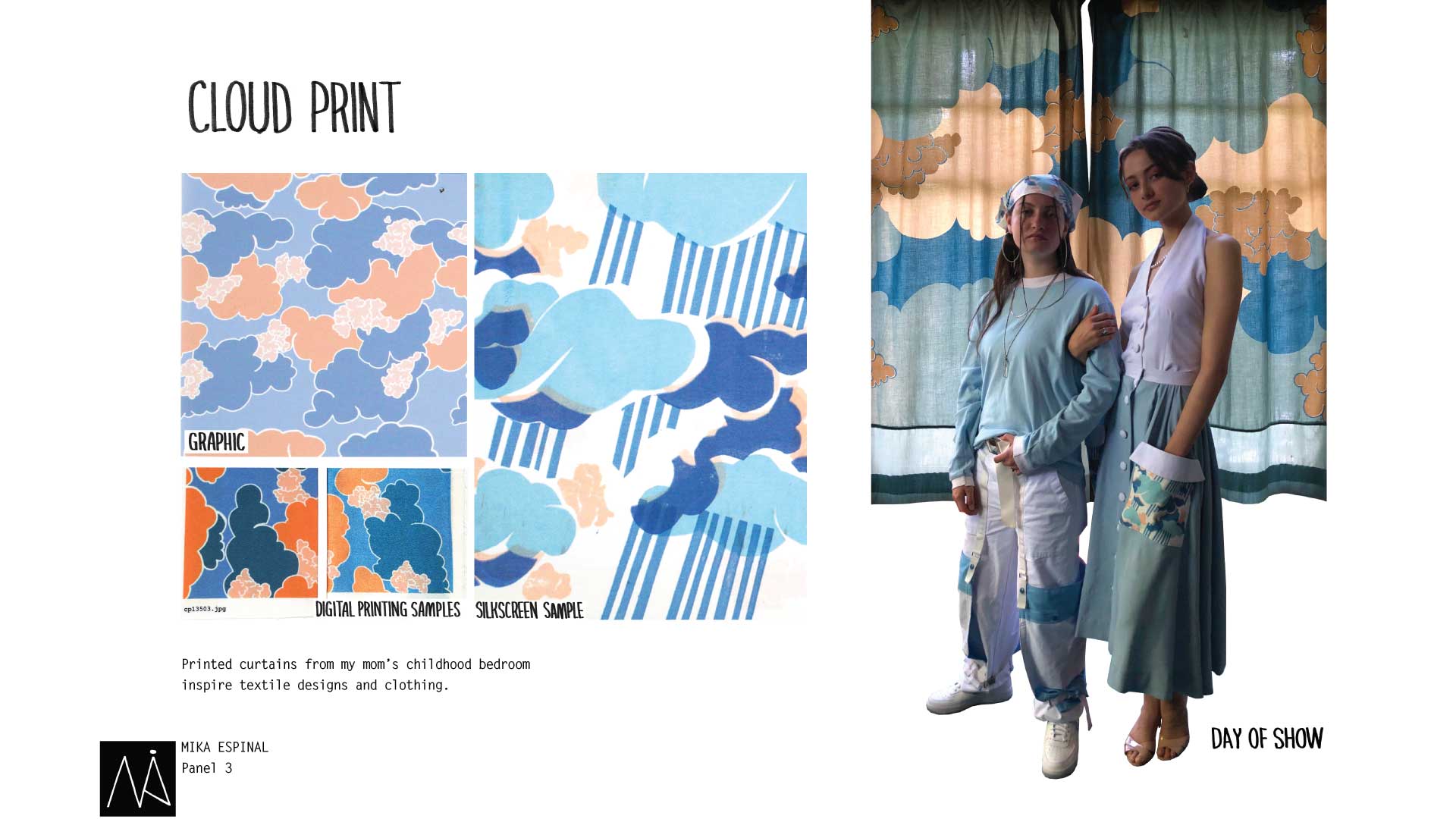
• Textiles: block prints, digital patterns, weaving, embroidery, surface design
Tip: Include sketches or process images showing development.
Writing
You may submit writing that reflects your research, storytelling, or communication skills:
• academic essays
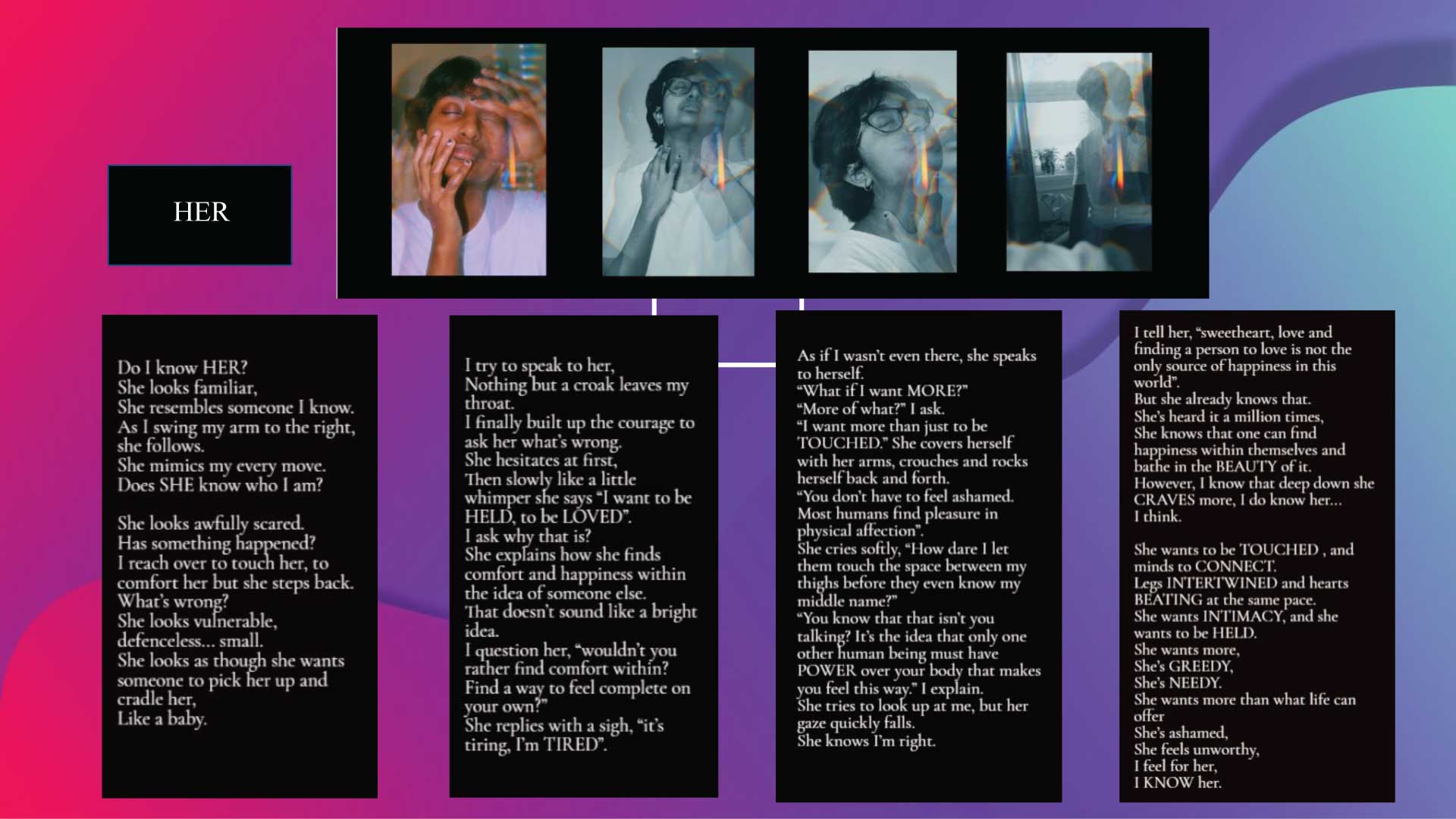
• creative writing (fiction, non-fiction, poetry)
• fashion journalism (articles, critiques, reviews, blog posts)
Fashion Business
• New business or product ideas
• Marketing plans for a fashion brand
Tip: Include 1–2 pages of description + sketches, visuals, or concept images.
Fashion Event
• Your role in planning, coordinating, styling, producing, or participating in a fashion-related event
Tip: Include a 1–2 page description + photographs or related materials.
Your Own Choice
These categories are suggestions—not limits.
You’re welcome to submit any creative work that represents your skills, imagination, and interests.
How to Start Your Portfolio (practical steps)
You don’t need fancy tools or years of training. You just need a willingness to begin.
Here’s how:
1. Start with what you already have
Drawings, writing, photos, clothes you’ve altered, digital art, graphics, school projects—anything creative is a starting point.
2. Turn existing work into fashion work
Not “fashion” yet? Make it fashion by applying your work to clothing, creating a poster or campaign, photographing a styled look, or turning a sketch into a textile or garment idea.
3. Try a one-day project
In one day, you can:
• upcycle a garment
• sketch three outfits
• shoot a mini photoshoot
• design a poster or brand identity
• write a fashion story or critique
Add your process, and you have a full portfolio piece.
4. Write your Statement of Intent through storytelling
Reflect on:
• when fashion first meant something to you
• the role of identity or culture in your creative life
• issues in fashion you care about
• why TMU feels like the right place
A simple starting point:
3 sentences about you
3 sentences about an issue you care about
3 about your work
3 about why TMU
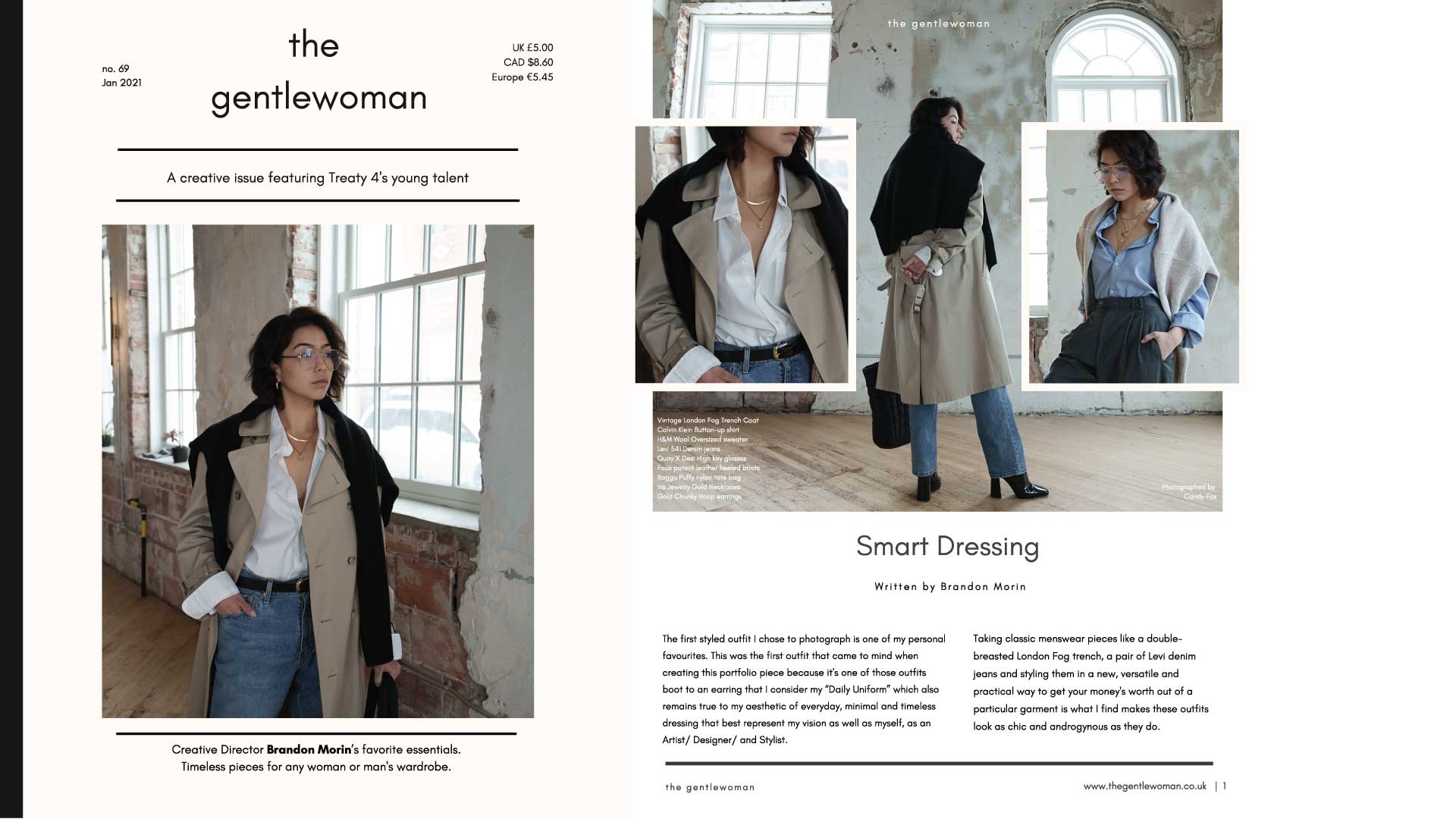
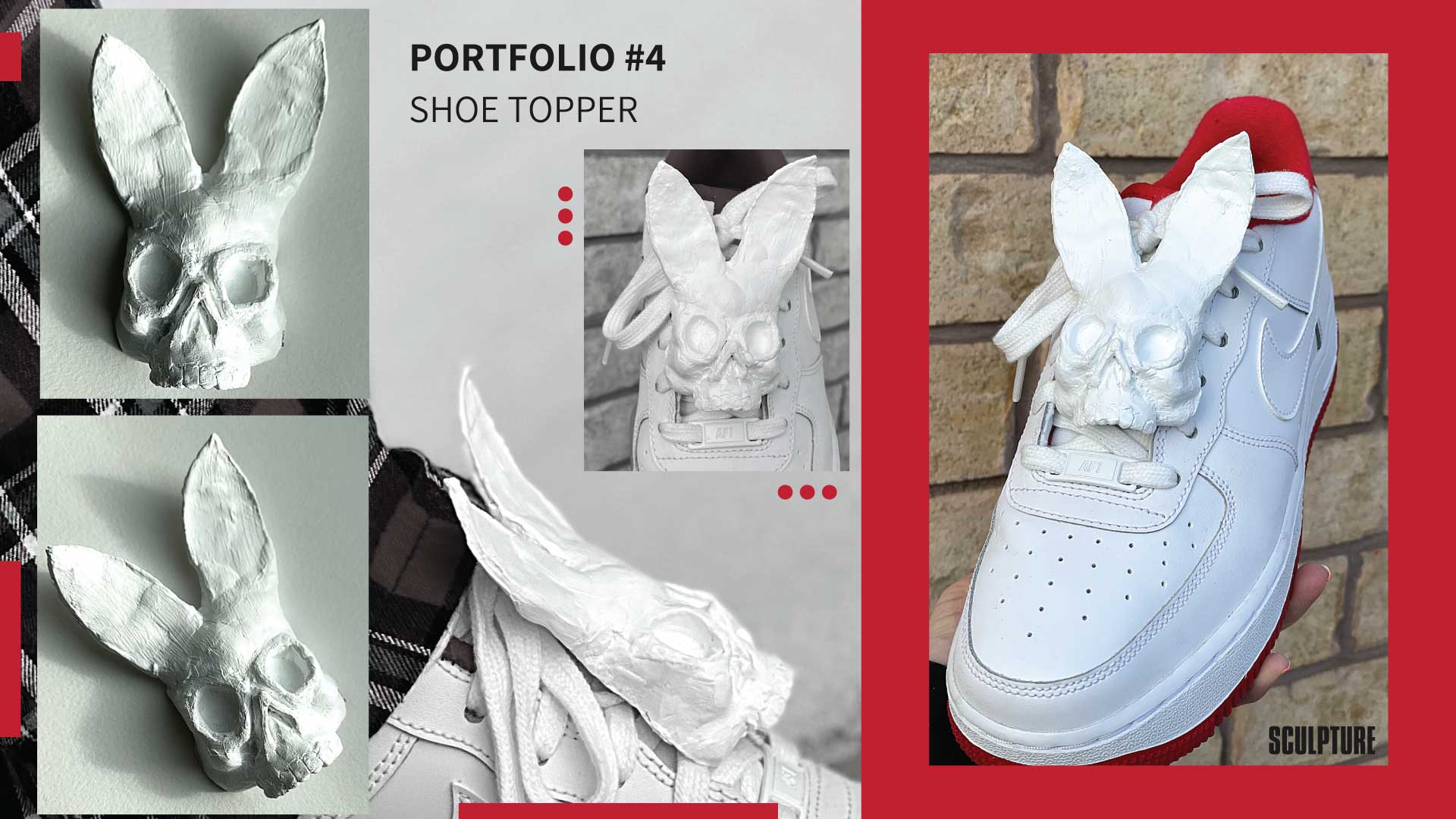
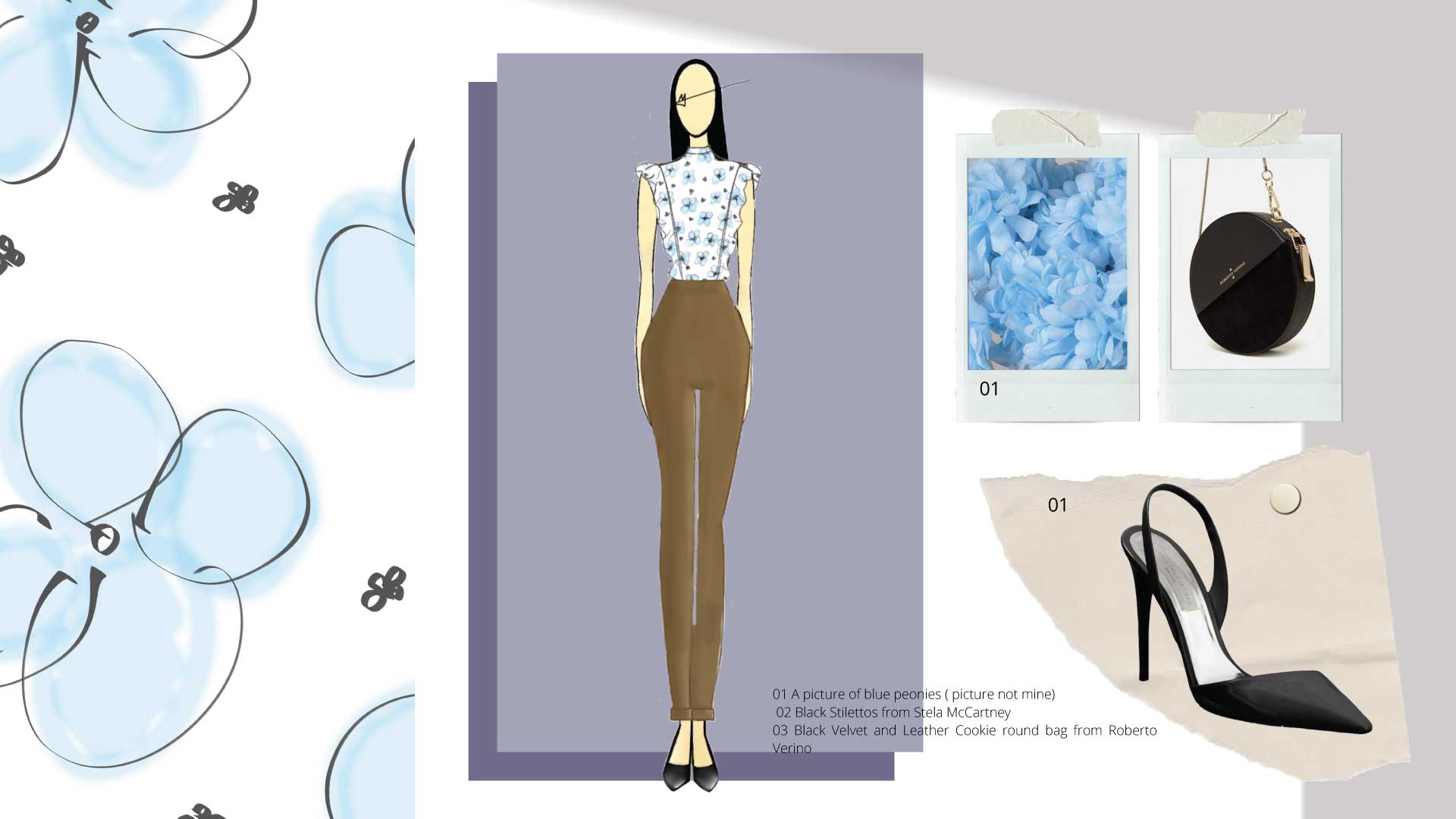
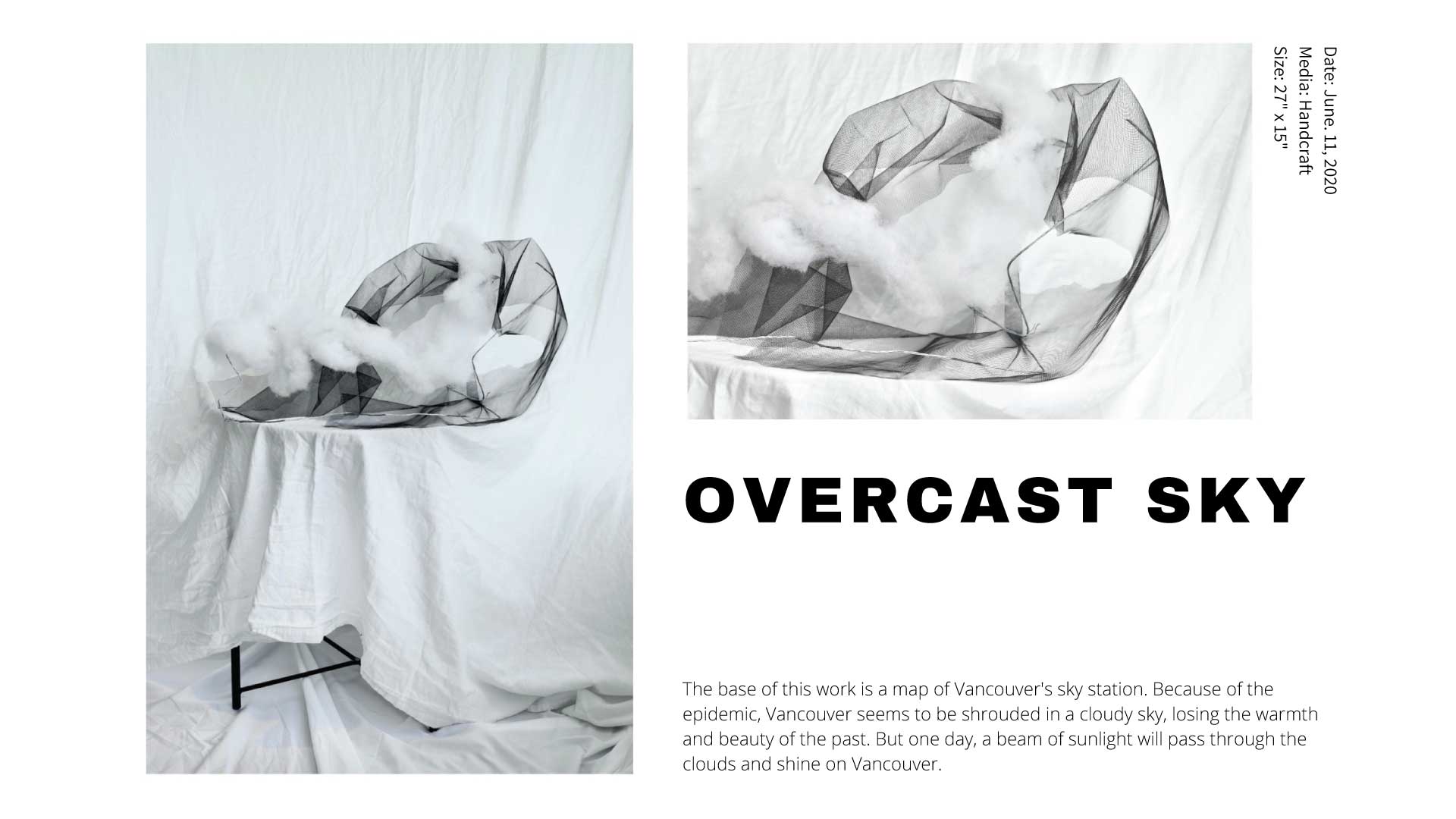
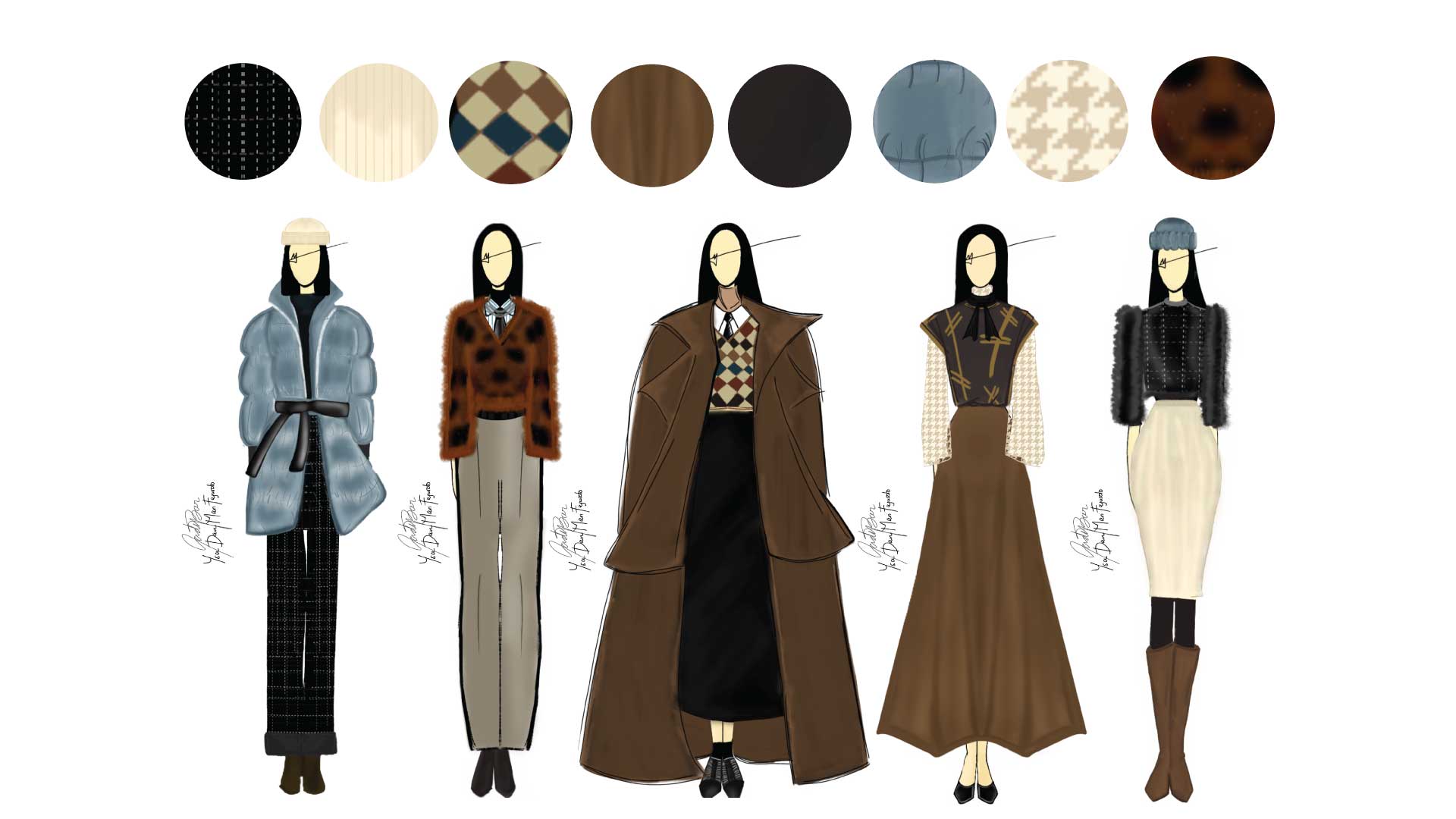
Examples of successful portfolio submissions

Frequently Asked Questions
The non-academic requirements assessment fee is $50 CDN and must be paid in order for your submission to be reviewed
The payment instructions can be found on our Undergraduate Admissions page under "Assessment Fee." Assessment fees are paid via the ChooseTMU portal.
The Non-Academic Requirements are due on February 1st, or 10 business days from your academic application, whichever comes later. February 1st is the deadline for guaranteed consideration to the program for Fall 2026, and any applications submitted after that date will be considered based on the volume of applications.
The choice to submit multiple pieces within the same category is up to you! However, keep in mind that we are looking for breadth within your creativity and technical skills. If you choose to submit two illustrations, for example, perhaps try exploring different mediums for each illustration (i.e. digital vs hand rendered).
Show us YOU! Show us your individual perspectives on fashion, and your creativity. We want the portfolio to be a reflection of yourself. When constructing the portfolio, keep in mind that you are showing your potential and creativity. We don't expect you to have very refined technical skills heading into the program, as the program is designed to teach you!
Process work is not a requirement, but it is a recommendation. It is recommended to include at least one piece of process work per portfolio item to show your creative process and provide context for your portfolio. Process work is a great way to show the development of your ideas. It allows the faculty evaluating your work to know more about you and how you think.
Toronto Metropolitan University Admissions reviews your academic grades separately. The Fashion department is responsible for reviewing the portfolio and sending the assessment to the Admissions department. Admissions takes the assessment, and makes an offer of admission based on both factors equally.
The Statement of Intent is read and evaluated by the fashion faculty evaluating your portfolio. The Supplementary form is read by the admissions department who review the academic requirements and portfolio results, and make the decision.
No! The program is designed to teach you these technical skills when you arrive at the school, if that is the path you wish to take. When constructing the portfolio, keep in mind that you are showing your potential and creativity. We don't expect you to have very refined technical skills heading into the program, as the program is designed to teach you! Once you've arrived at Fashion, you are free to take courses and electives to customize your experience. Check out our Undergraduate course offerings here. There are 5 Concentrations to choose from, and they do not all include sewing. You do not declare a concentration when you apply. If you choose to pursue a concentration you will start taking the courses in 2nd year