Safeguarding your research while traveling
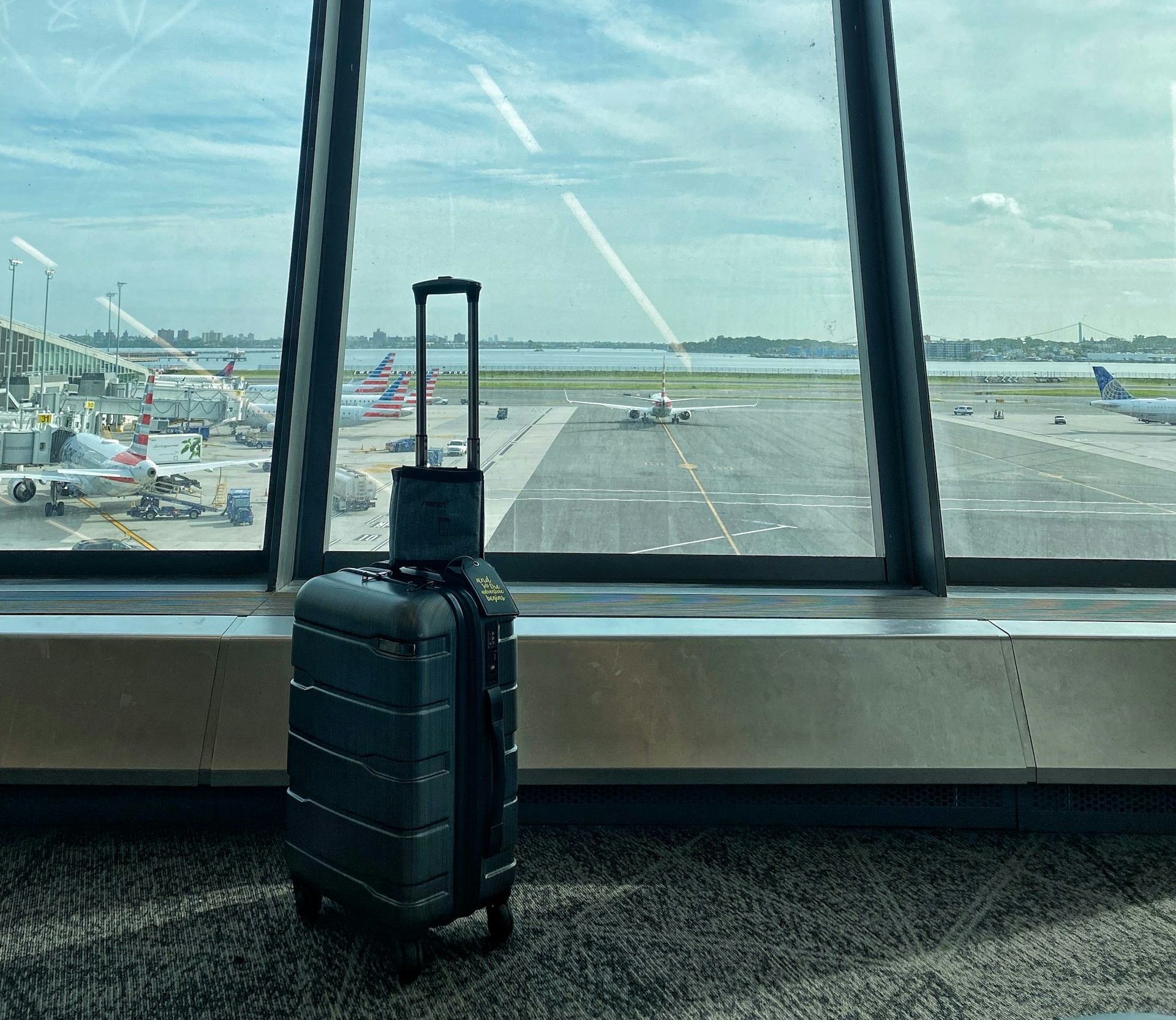
Whether you’re heading to a conference, conducting fieldwork or collaborating with international partners, summer travel can be an exciting opportunity to advance your research. At the same time, it’s important to be mindful of security risks.
Canadian researchers traveling abroad for academic and professional purposes may be targeted for their access to valuable information and data, as foreign governments and businesses place a high priority on acquiring information related to research and innovation.
Taking a few precautions before and during your trip can help protect your research, personal data and digital devices.
Learn more about research security at TMU by visiting the research security page on the Office of the Vice-President, Research and Innovation website or the Government of Canada’s travel security guide for university researchers and staff page (external link) .
Your information and research could be gathered even before you arrive
- Assume interested actors have reviewed your research and social media profiles and are aware of your research area, collaborators, personal and professional contacts and personal views if you’ve shared these online.
- Your visa and travel applications can be used by foreign governments to assess their interest in your work.
- Your biometric data may be gathered, stored and shared across multiple jurisdictions.
- Border agents gather, record and transmit information about your reasons for traveling. If you’ve been pre-flagged as a person of interest, you may be subject to a secondary set of questions or search.
Reduce your risk before you travel
- Limit the information you provide to border agents and on travel applications and visas to only what’s required and avoid offering additional personal or professional details.
- If a secondary search is requested:
- You have the right to request consular services if questioning becomes inappropriate.
- If you’re a dual citizen, understand in advance how to exercise your rights.
Keeping your information secure while you’re abroad
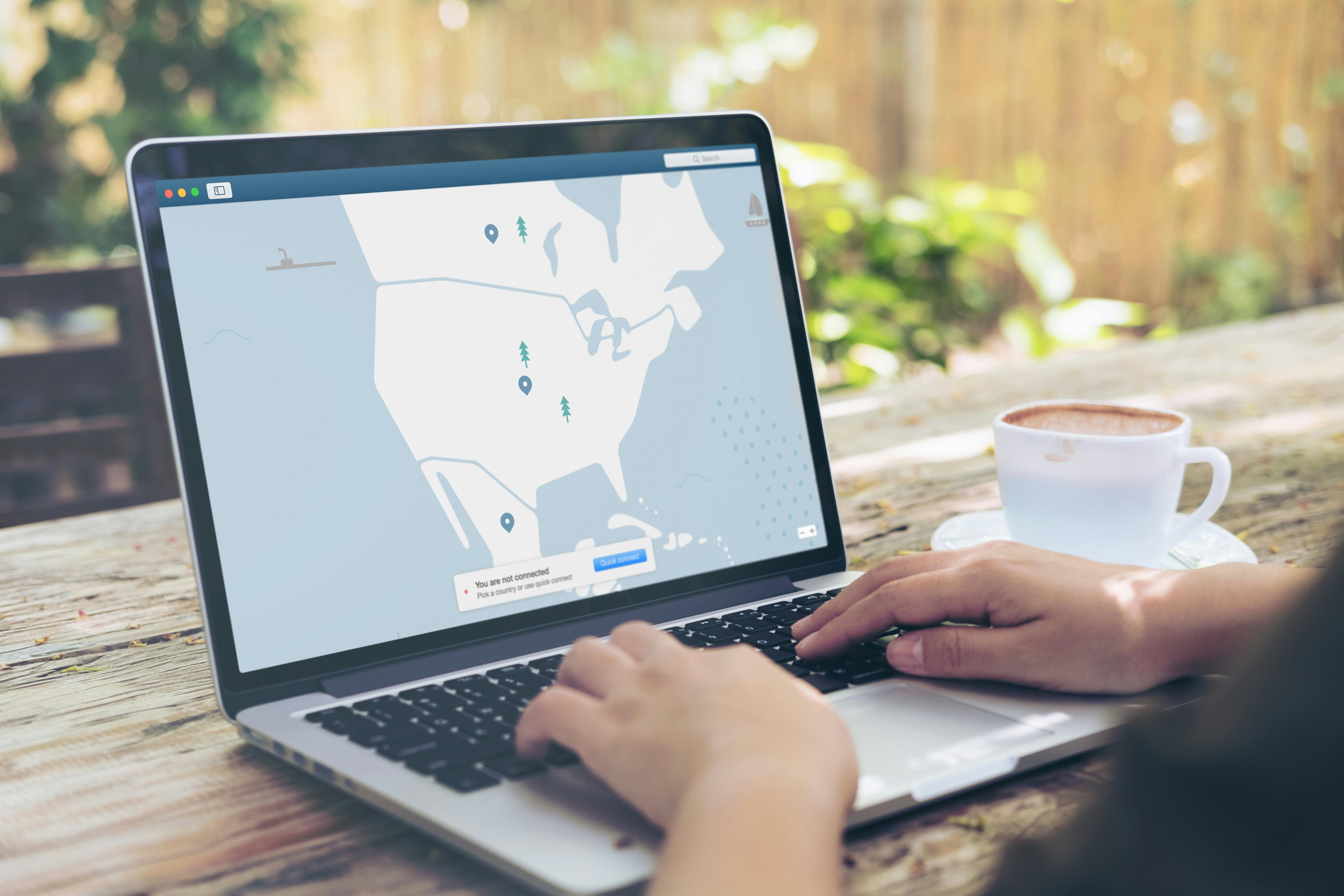
- Be aware that your wireless communications could be intercepted and monitored: Local authorities often have access to telecommunications networks and can access information stored to your devices like contact lists, messages and documents or listen in and record your calls. If your device has been “taken over” and intercepted, these vulnerabilities could persist even after you return home. To help protect yourself, we recommend using TMU’s global.torontomu.ca proxy service to access TMU applications safely while abroad and TMU-VPN’s overseas profile when connecting to other internet services.
- Protect yourself from identity fraud and phishing: If your information or accounts are accessed or stolen, attackers could impersonate you and send phishing emails with ransomware to your professional contacts.
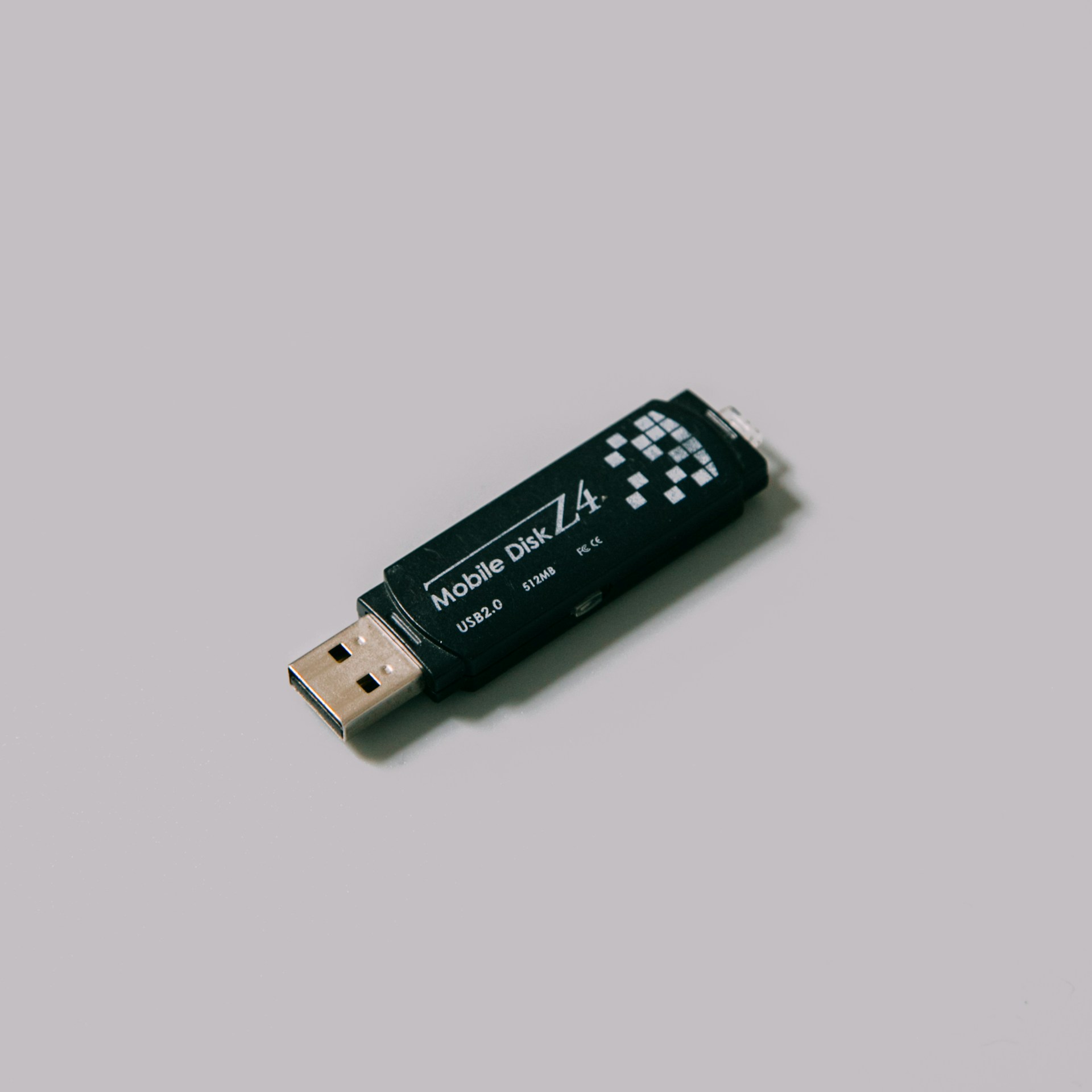
- Be wary of USB devices: Any device that can be plugged into your laptop’s USB port is a potential threat as malicious actors can use these to gain access to your device and compromise it.
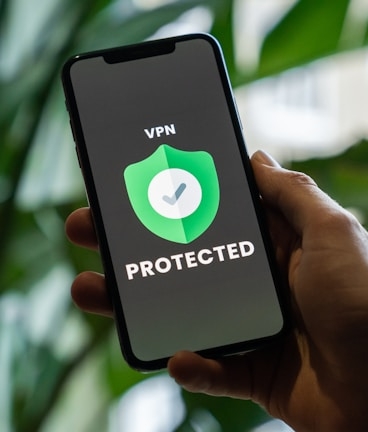
Best practices to minimize risks while traveling
- When possible, use burner or travel-specific devices when abroad.
- Only bring files and data required for your trip when working outside of Canada.
- Save encrypted files and data to an external storage device and keep it with you at all times. Do not save your passwords to external storage devices.
- Avoid plugging external devices like USBs into your laptop. If you’re presenting at a conference, request a computer from the organizers that could be used to present.
- If possible, avoid accessing cloud data storage sources like your TMU Google Workspace account while traveling.
- Upon returning home, run your antivirus software and clean your hard drive on all devices used on your trip, including any you received as conference gifts or swag.
- If your device was lost or stolen while traveling, notify CCS immediately.
Stay alert for other threats to your research
- Face-to-face interactions: Be wary of individuals impersonating students, taxi drivers or business and government officials who aim to gain your trust and extract information from you, including efforts to blackmail or sexually entrap you.
- Physical intrusion: Always be aware of your surroundings as you may be subject to eavesdropping or have your hotel room or rental car compromised.

Interested in learning more?
Questions?
If you have any questions, please contact the Computing and Communications Services (CCS) Help Desk via the IT Help portal, help@torontomu.ca or 416-979-5000, ext. 556806.
For research security inquiries, please contact An Chi Lee, director of research security in the Office of the Vice-President, Research and Innovation (OVPRI), at an.lee@torontomu.ca.