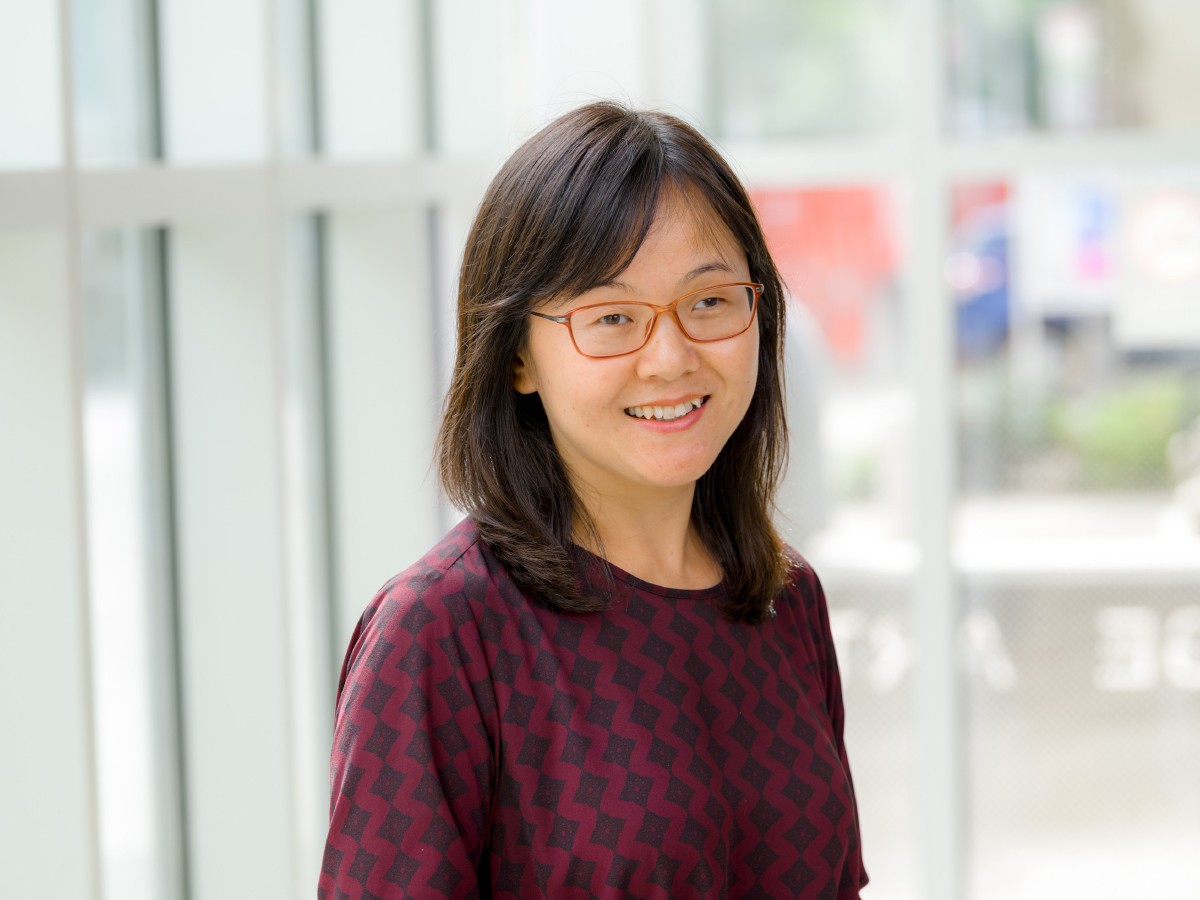
Dr. Lili Ma
Biography
Dr. Ma received her PhD in developmental psychology from the University of Virginia in 2007. After graduate school, she completed postdoctoral training at the University of Texas at Austin and the University of British Columbia. She joined the Department of Psychology at TMU in 2010.
Dr. Ma’s research centers on social-cognitive development in early childhood. More specifically, she studies how children make social judgments and decisions based on information from various sources. Some of her current areas of interest include children’s (1) perception of generative AI, (2) considerate behaviour, (3) social perception based on different social markers, (3) negativity bias in trust, and (4) credulity toward misinformation. Her research has received funding from NSERC and SSHRC.
Dr. Ma’s teaching interests include undergraduate courses in introductory and developmental psychology, as well as advanced/graduate seminars in social-cognitive development and digital childhood.
Selected Publications
Dobrin-De Grace, R.*, & Ma, L. (2023). Prosocial lie-telling in preschoolers: The impacts of ethnic background, parental factors, and perceived consequence for the partner. Frontiers in Psychology, 14:1128685.
Ruggiero, A.*, Parolin, E.*, & Ma, L. (2020). The impact of gossip valence on children’s attitudes towards gossipers. Infant and Child Development, 29 (4), e2180.
McDonald, K.*, & Ma, L. (2016). Preschoolers’ credulity toward misinformation from ingroup versus outgroup speakers. Journal of Experimental Child Psychology, 148, 87-100.
Jaffer, S.*, & Ma, L. (2015). Preschoolers show less trust in physically disabled or obese informants. Frontiers in Psychology, 5:1524.
Ma, L., & Xu, F. (2013). Preverbal infants infer intentional agents from the perception of regularity. Developmental Psychology, 49, 1330-1337.
*indicates trainee