Your questions answered: An interview with Sonny Wong, Faculty of Arts Career-Focused Counsellor
The Faculty of Arts (FoA) at Toronto Metropolitan University (TMU) offers resources to support students throughout their academic journey. There are Student Success Navigators and Job Search Workshops provided by the Career, Co-op and Student Success Office to ensure that all students learn how to build job search skills and discover their employment opportunities. Exclusive to the Faculty of Arts is Sonny Wong, Faculty of Arts Career-Focused Counsellor (external link) . He offers counselling to help FoA students address their career-life stage issues that may impact their career well-being and academic success. We sat down with Sonny to discuss diverse career choices associated with a Bachelor of Arts (BA). More importantly, how students can prepare themselves to overcome uncertainties and self-doubts as they embark on their year-to-year transition during undergrad and eventually into the world of work. Sonny believes that every student deserves to flourish as they combine their personal aspirations with their professional hopes and dreams.
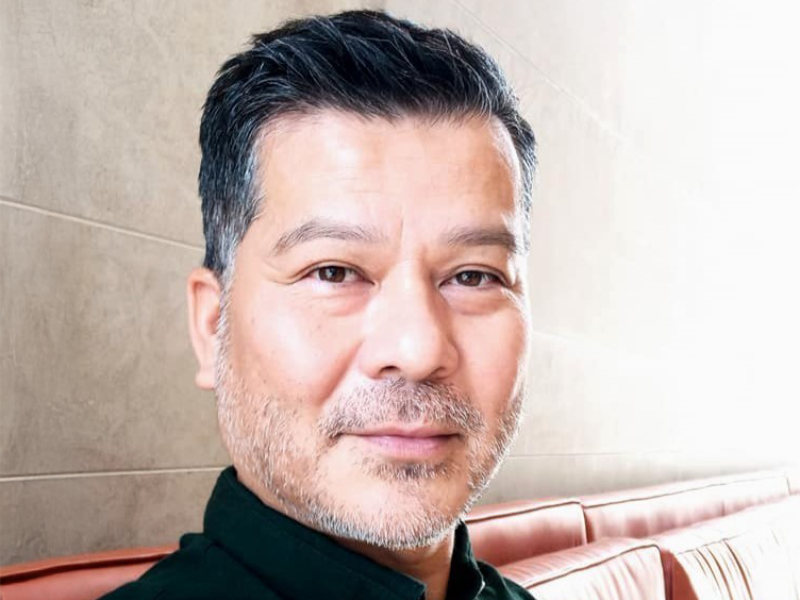
Sonny has been a career-focused counsellor for the past two decades, helping students unlock their potential.
Tell us about what you do as a career-focused counsellor and what resources are offered to students in the FoA
When people hear I am a career-focused counsellor, they assume I provide employment opportunities and strategize on how to get a job. As a Registered Psychotherapist with a career-focused specialization, I have been working with Arts students to develop a healthy career identity. I facilitate a therapeutic dialogue with students exploring their natural strengths to build their resilience to overcome life challenges, explain their goals to create realistic plans for uncertain times, and develop their competencies to foster meaningful personal and professional relationships, which contribute to their overall career well-being.
I hope that by developing students’ career life skills, I am helping them acquire essential life skills to overcome the emotional challenges related to educational and career decision making, untangle peer and family career influences, and engage in purposeful activities as they transition from school to work. The undergraduate years are a crucial stage in one’s self-development, and it is a period where life situations can test one’s ability to cope with their personal and academic stresses. Career-focused counselling is talk therapy with the students to identify, understand and discover solutions to increase their career well-being and prevent issues from becoming mental health problems.
What can students expect when they meet with you?
When students meet with me they can expect is a safe, non-judgmental space where they can express their thoughts and emotions to understand how they have the inner strengths to overcome uncertainties and distress. My role is to help students align their personal, cultural, and family values with their career goals. This helps them develop a healthy career identity that reflects who they truly are now and who they want to become.
When students engage in career-focused counselling, they can expect a confidential session. We co-construct a plan based on regulated and approved therapeutic methods, integrating established psychological developmental career theories to explore their complex thoughts and feelings about careers. The clients learn how to generate solution-focused self-queries to challenge the social perceptions associated with a liberal arts education. We explore how internalized social narratives may hinder motivation level, aspirations, and career exploratory activities. They acquire the self-assurance to take risks to decrease their career uncertainties. The result is that they gain life skills to overcome challenges in their life-career stage. Sometimes, the clarity is gained in one or two sessions, and sometimes students work with me until they accomplish what they deem essential. With any type of self-development improvement, what happens in between the sessions is homework. The small life-skills building exercises they can integrate into their daily lives can lead to positive change. Those changes can be how they interpret barriers, feel about themselves and small actions leading to bigger successes.
What kind of careers have you seen Arts students move into after graduation?
Over the past two decades, I’ve worked with over 6,000 Arts students and seen them transition successfully into a variety of careers within business, education, advocacy, and human services sectors. The positions include a variety of fields, including Human Resources, Policy Writing, Marketing and Advertising, Journalism and Public Relations, Entrepreneurship, Project Management, and Not-for-Profit Administration and Management. Additionally, roles such as Environmental Certified Agents and Financial Personnel, as well as positions in Civil Responsibility Education, are also included.
It's also important for students and parents to recognize that a liberal arts education is versatile and can lead to many career possibilities. Liberal Arts degree holders can enter regulated professions just like their non-Liberal Arts counterparts. Fields like law (Lawyers and Paralegals), education (Teachers and Educators), social work (Social Workers and Psychotherapists), and healthcare (Doctors and Dentists) are all available to anyone with a bachelor’s degree. Many people think that having a BA means you have to continue your education to find a good job. However, if a student chooses to work in a regulated profession, everyone with a degree will need to go through additional training to meet the requirements set by their licensing organizations. It’s important for Liberal Arts students entering the discipline to first ask: What degree can best enhance my personal interests and strengths, allow me to be shaped academically and help me develop skills that align with my vision of meaningful work?
In Ontario, there are several professions which are governed by profession-specific legislation and are overseen by their respective regulatory colleges (licensing bodies). However, there are many non-regulated careers in the province, and many of them are accessible to graduates of various disciplines.
Students are often curious: How much can you expect to earn with a BA?
How much a student can expect to earn with a BA is a common and complex question, but it's helpful to look at the facts. In Canada, there have been a lot of studies about salary. A longitudinal study (external link) tracking BA students for over 10 years, people with Arts degrees (such as Humanities or Social Sciences) may start with lower salaries than those with other types of degrees. But over time, their earnings often catch up. By around age 45, many BA graduates make about the same as people with non-Arts degrees. Statistics Canada’s survey (external link) found that about half of business-oriented jobs in Canada are held by people with Arts degrees. This also debunks the myth that only B.Comm graduates can acquire business-related positions. Also, (PDF file) Arts graduates usually have shorter unemployment periods (external link) and are less likely to experience unemployment compared to their non-Arts counterparts. It is important to understand that a Bachelor’s degree training means you are an educated person; it does not mean one type is better than another.
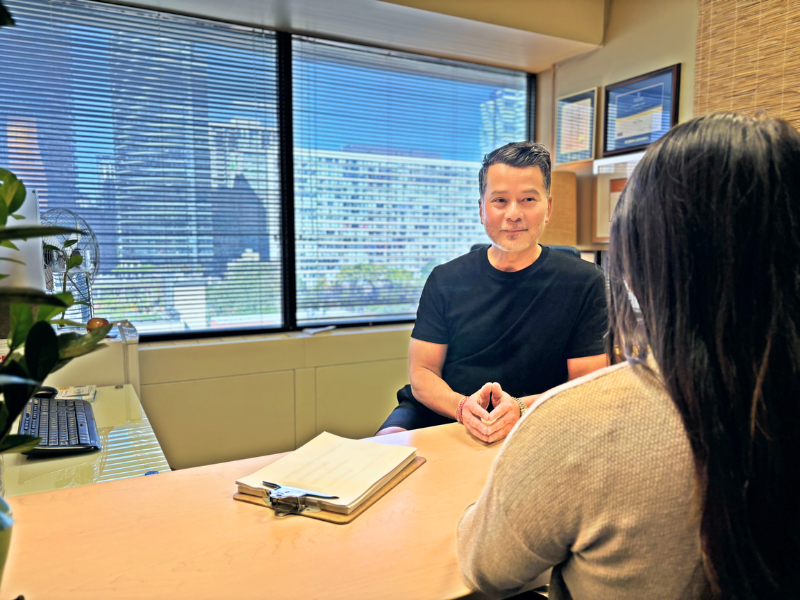
Sonny is available to meet with students either virtually or in person at his office in Jorgenson Hall.
Do students need to get a Master’s degree after a BA?
Whether a Bachelor's or Master’s degree is the right path depends a lot on your personal career goals and the industry position hiring requirements. For example, if you want to work in a profession like law, medicine, education, or mental health, we're talking about professional training, not just a graduate master's degree, to get into those fields.
The salary for any job depends on a variety of factors, like the specific degree training, the industry, your skills, and even the role’s value. But it’s important to recognize that salary isn’t just about your level of education; it’s also about the job’s value and demands in the labour market.
In the end, it often depends on how well you can apply your skills in the real world. Life skills and career management competencies are the individual's abilities to navigate career and social mobility. The process of self-reflection and exploratory activities is an important factor in figuring out the right path for you. Higher degree training does not guarantee one’s prestigious or high-paying work.
What advice would you offer to students who are feeling overwhelmed or uncertain about their future career?
It’s normal to feel lost or overwhelmed during this development stage (external link) - no one expects you to have full clarity. During this stage, you are allowed to take risks, change your minds, pick your likes and dislikes, and encounter hardships. You must know that you are not alone, even though your peers may look or sound more confident than you. Family may compare you to your siblings or cousins’ educational goals. Friends or acquaintances may project their uncertainties related to your degree choices onto you. Career-focused counselling helps you reconnect with your authentic self by exploring your natural strengths, interests, and concerns about social issues, which you may want to help resolve as a career professional. Arts students are multi-dimensional individuals, and it is about allowing their personal interests to emerge through exploration. Remember, the high school to university transition is very different from the university transition to work. This next stage is about “adulting,” and that is a non-linear process.
If you have questions, need direction when it comes to your future career, or want to increase your satisfaction during your undergraduate years, don’t hesitate to reach out. You can email me at sonny.wong@torontomu.ca. I am also happy to meet with you virtually or in person.