Better together: Resistance, solidarity and refugee rights in Canada
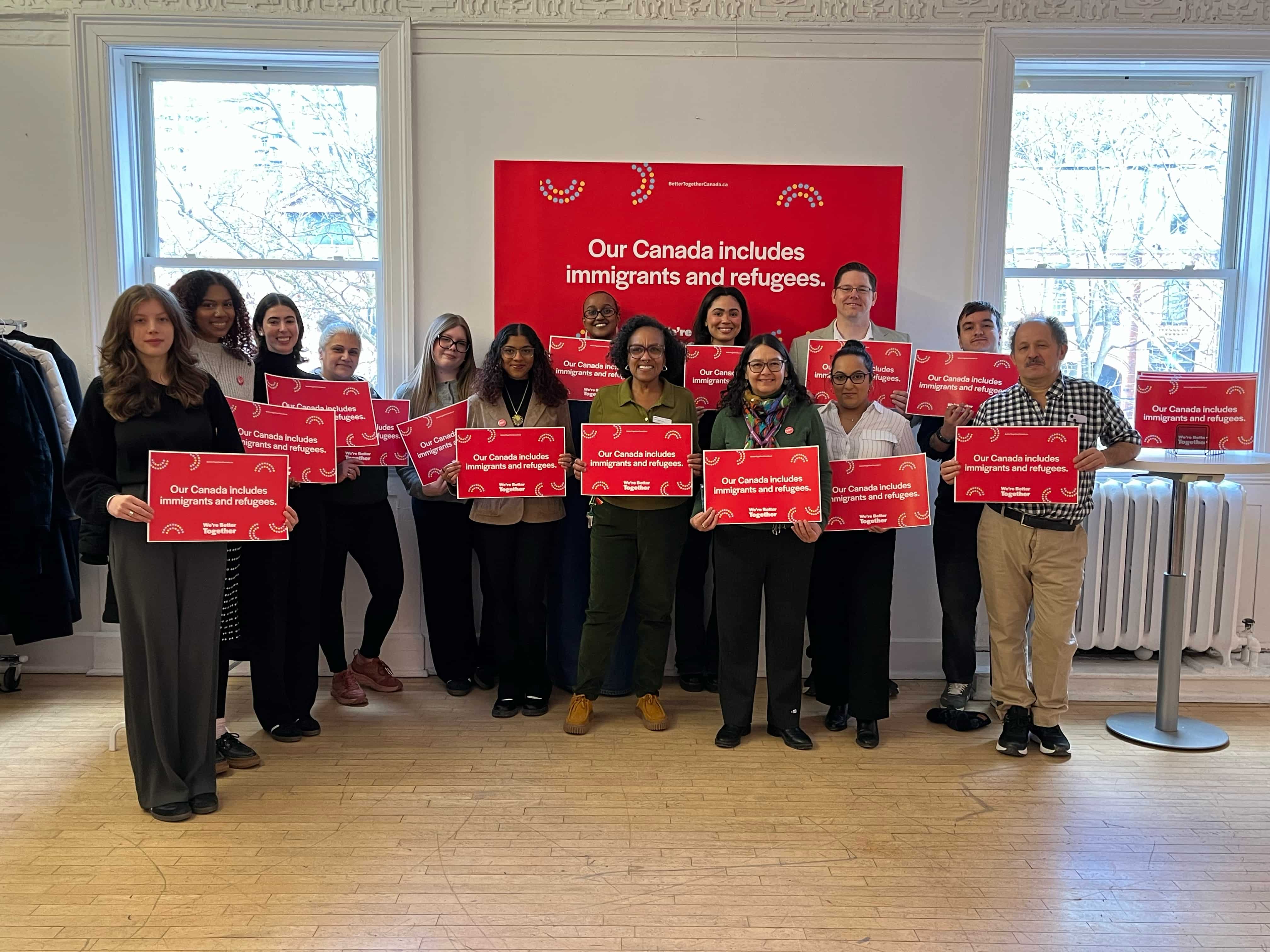
In recognition of Refugee Rights Day (external link) and as the final class of CRM 303: Immigration and Refugee Protection, 170 attendees, including students, TMU and wider community partners, gathered on April 7 for Better Together: Resistance, Solidarity & Refugee Rights in Canada, a panel discussion examining the state of refugee protections amid growing policy concerns.
The event, generously hosted in the ballroom of The 519 (external link) , brought together legal, clinical, and community-based perspectives to reflect on the legacy of the Singh decision (external link) and its continued relevance. On April 4, 1985 the Supreme Court of Canada Singh decision (Singh v. Minister of Employment and Immigration) established that the Canadian Charter of Rights and Freedoms protects the fundamental rights of refugees, guaranteeing them the right to an oral hearing. It ruled that everyone physically present in Canada is entitled to fundamental justice under Section 7.
Speakers addressed emerging challenges, including recent legislative changes and cuts to refugee healthcare, while a Q&A created space for direct dialogue with community members. Speakers included legal scholar and professor Sharry Aiken, whose work focuses on inequalities of immigration and refugee law, who spoke to concerns about the recently passed Bill C-12 (link to Global Migration Institute Statement on the Bill), community leader Lisa Duplessis (external link) , who spoke to on-ground impacts of ongoing funding cuts and policy changes on organizations serving refugee claimants and the 2SLGBTQ+ community and physician Vanessa Redditt, who works directly with refugee and migrant communities who spoke on the anticipated negative impacts of Federal government cuts to refugee health care coverage (external link) . A refugee claimant in the midst of the process powerfully shared her recent reception experience, situating these developments within broader conversations about access to justice and Canada’s international commitments.