From Toronto to Mexico City: How Arts students are bridging the gap between theory and practice
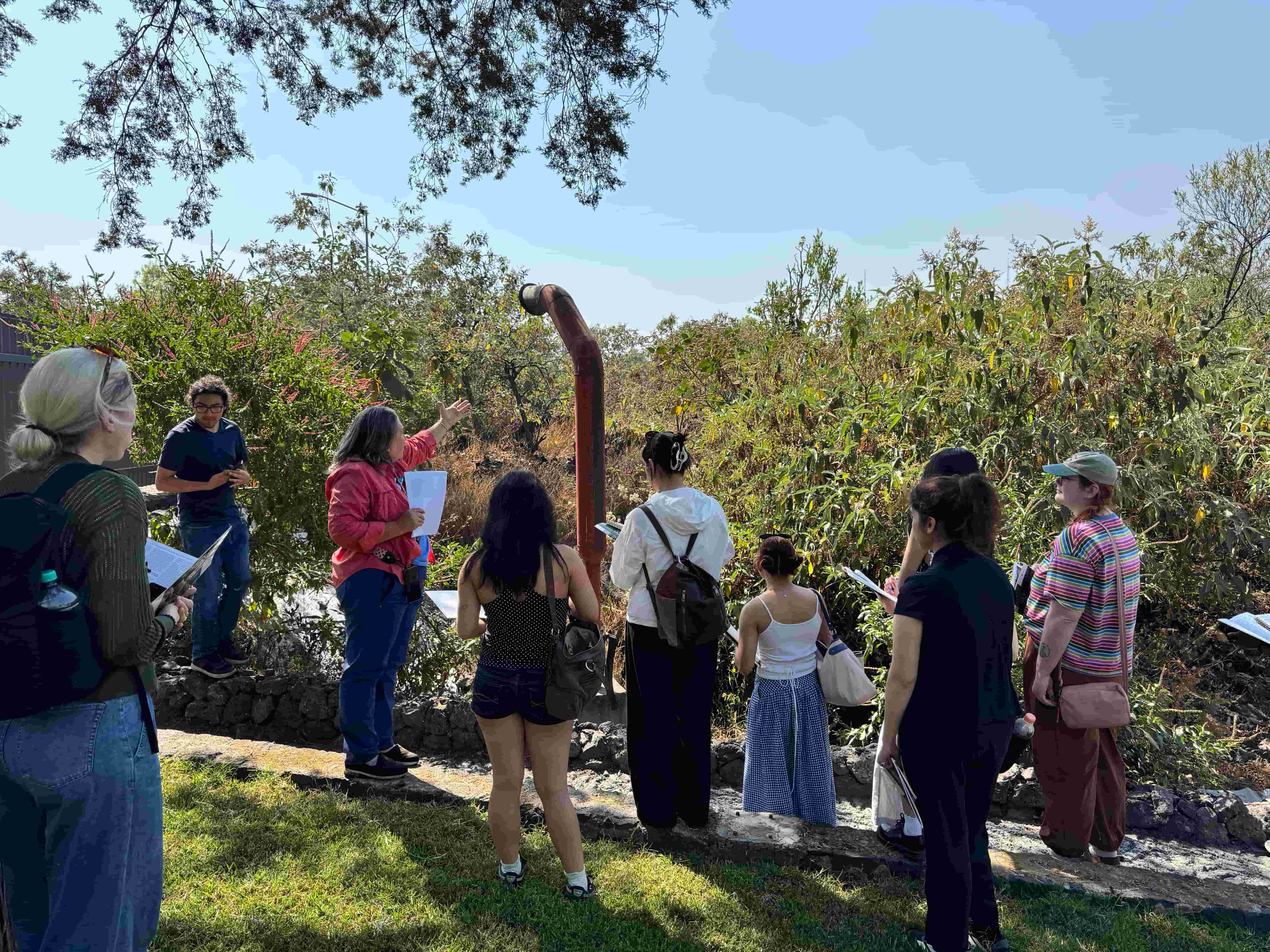
In order to prepare students for a career postgraduation, a combination of classroom and experiential learning is critical in setting them up for success. That’s the goal of the field studies courses within the Environmental and Urban Sustainability (EUS) and Geographic Analysis (GA) programs. This semester, 13 undergraduate students, led by Dr. Tor Oiamo, Associate Professor and Chair of the Department of Geography and Environmental Studies, and supported by Dr. Claire Oswald, Associate Professor in the same department, visited the Universidad Nacional Autónoma de México (UNAM) – a public research university located in Mexico City.
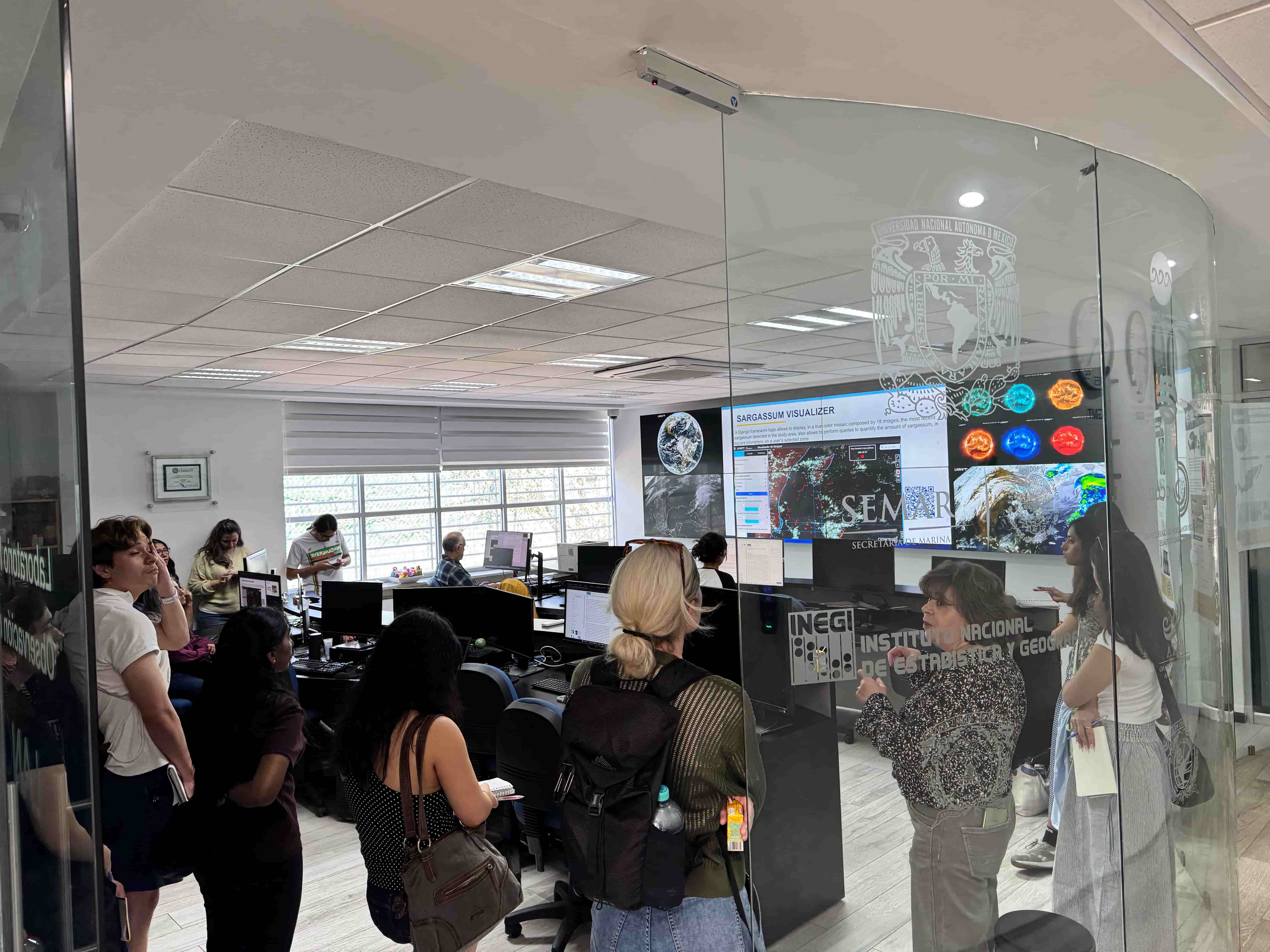
UNAM is the largest university in Latin America, and is highly ranked globally. The university – which is recognized as a UNESCO world heritage site – has 48 research institutes and centres. In addition, UNAM has a unique partnership with the Mexican government to help collect critical environmental and geographic data on a national level. Students got to visit three renowned institutes that complete such tasks amongst others: the Institute of Marine Sciences and Limnology (ICMyL), the Institute of Geography Research and Education, and the Centre for Atmospheric Sciences and Climate Change.
The international field trips integrated into the EUS and GA courses enhance the student learning journey, allowing them to explore completely new human, geographic, cultural and social environments that equip them with the knowledge and skills needed to address practical challenges in their future careers. The Field Studies courses (EUS880 and GEO773) have explored various areas of the world, including Vancouver Island, Las Vegas, San Francisco, Norway, Iceland, the Netherlands, Germany, Italy, Austria, and China.
“Each place is unique and the best way to learn about them is by being there and observing it up close,” says Dr. Oiamo. “It’s hard to understand the systems, the urban structure, and how cities interact with the natural environment unless you go see somewhere that is very different and has to operate in a different way.”
The assessments and class components in the course are meant to help prepare students for the designated field trip. Through the in-class lessons, students learn how to collect data safely, how to report and present data, work in groups and engage with different actors in their studies. With the field trip taking place in the middle of the course, students spend half the time preparing for the trip and the other half debriefing and working with their findings.
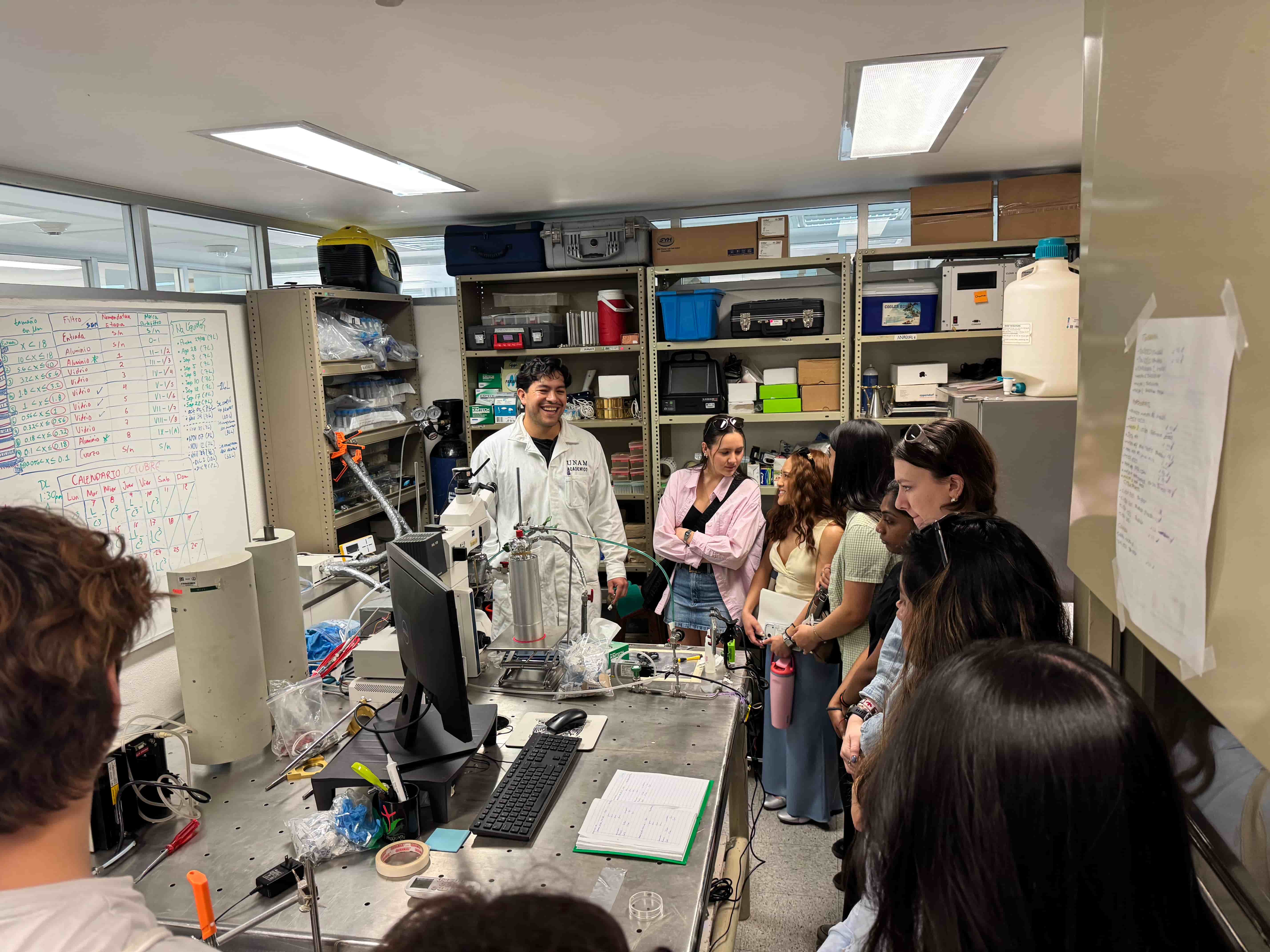
Through interdisciplinary coursework and applied research, students explored the intricacies of environmental issues and urban development of a specific region, helping prepare them for careers in spatial analysis, environmental consulting, urban planning, renewable energy and more.
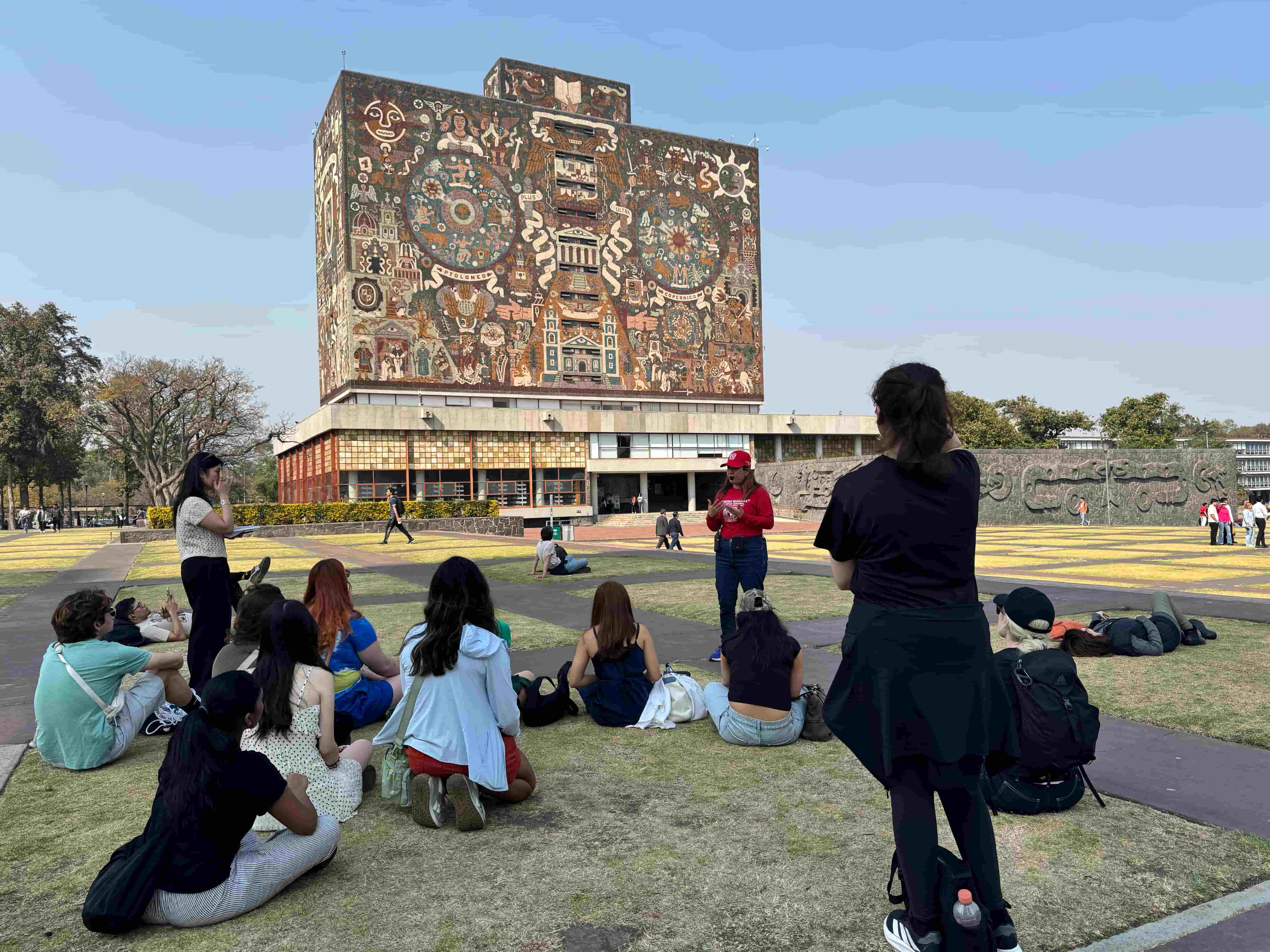
For students Clare Moloney and Julianne Jadormeo, the field trip was rewarding and enriching not only academically and professionally, but on a personal level as well. The opportunity to access state-of-the-art technology at the UNAM campus to collect and analyze data for their research topics helped bridge their classroom knowledge to a real-world setting, and being able to explore Mexico City and immerse themselves in its local culture and rich history is an experience Moloney and Jadormeo won’t soon forget.