Faculty of Arts researchers recipients of NSERC Discovery Grant
The Natural Sciences and Engineering Research Council of Canada (external link) ’s (NSERC) Discovery Grants (external link) invest in research that pushes the frontiers of the country’s scientific advancements. This program supports long-term research projects that are typically five years in duration. This year, four of the twenty-four Toronto Metropolitan University (TMU) recipients were from the Faculty of Arts.
Behrang Keshavarz
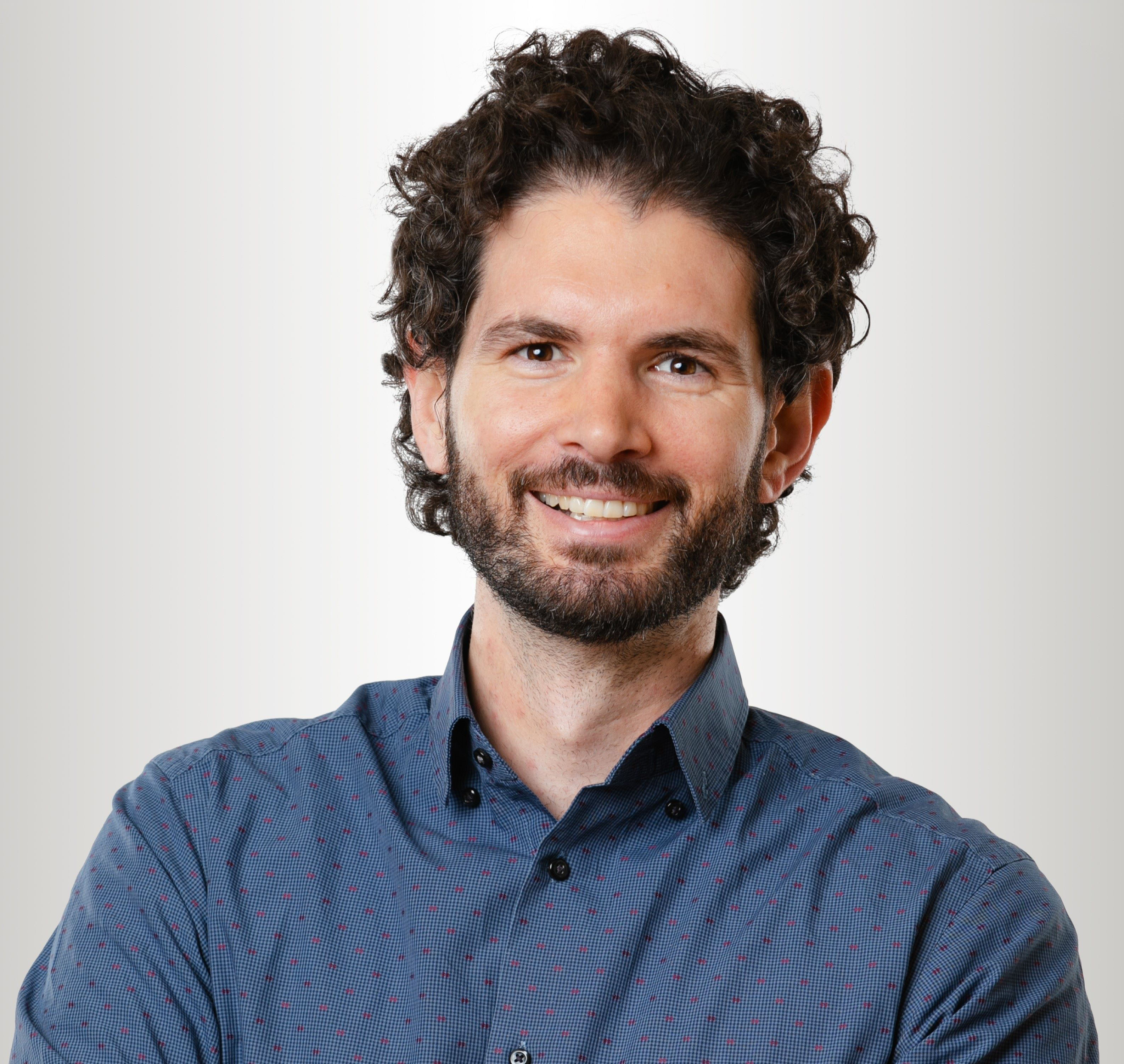
TMU Psychology professor and Senior Scientist at the KITE Research Intitute-University Health Network (external link) , Behrang Keshavarz, receives Discovery Grant funding for his research project Investigating the neuro-cortical, perceptual and behavioural correlates of illusory self-motion (vection) under multisensory stimulation.
Vection is the illusion of self-motion without physical movement, often sought in Virtual Reality (VR) to enhance presence and immersion. Vection is a complex sensation that manifests itself on perceptual, behavioural and neuro-cortical levels, however, the interaction between these levels, especially during multisensory visual and auditory stimulation, remains unclear. Keshavarz’s research aims to bridge this gap by integrating subjective, behavioural and neurophysiological methods to optimize VR user experience.
The NSERC Discovery grant is vital in supporting the projects using research facilities and allows Keshavarz to continue his research agenda on multisensory vection in VR environments alongside TMU graduate students in the Psychology department. This research program will be conducted using immersive state-of-the-art VR laboratories housed at the KITE Research Institute-University Health Network (external link) . The research program consists of multiple studies, with the first findings expected in one to two years.
Claire Oswald
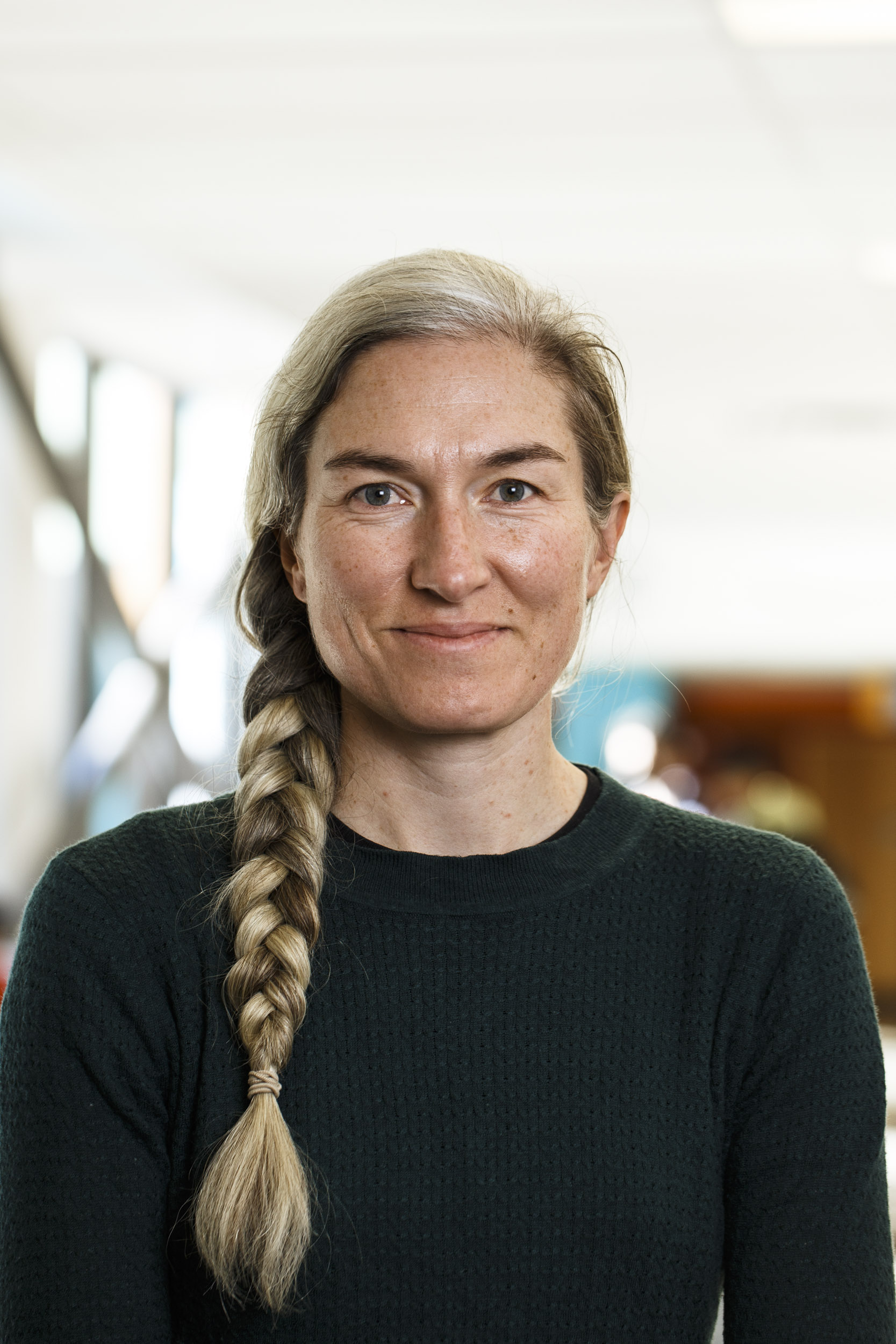
As a Geography and Environmental Studies professor, Claire Oswald is exploring the impacts of urbanization on the water cycle and water quality in Canada for her project, Understanding the impacts of urbanization on hydrological processes across scales using field, modelling and geospatial methods, supported by the Discovery Grant.
While past research on urban water cycles has mainly focused on the effects of impervious surfaces on streamflow, particularly for infrastructure management and flood control, significant gaps remain. These include understanding the role of unpaved areas in watershed hydrology, the importance of infrastructure-mediated flow pathways and whether key hydrological processes are consistent across cities. There is also a need for a more comprehensive understanding of how urban development interacts with surface waters in Canada.
Oswald’s research aims to address these gaps by developing national indices for urban water threats and data gaps to inform monitoring, management and policy decisions. This work is timely, given the federal government's expansion of the Freshwater Action Plan and the establishment of the Canada Water Agency.
Over the next five years, findings will be shared through journals, reports, presentations and other platforms. The Discovery Grant will support Oswald’s work in urban hydrology, including predictive modelling, and will involve undergraduate and graduate students in field-based research.
Moriah Sokolowski
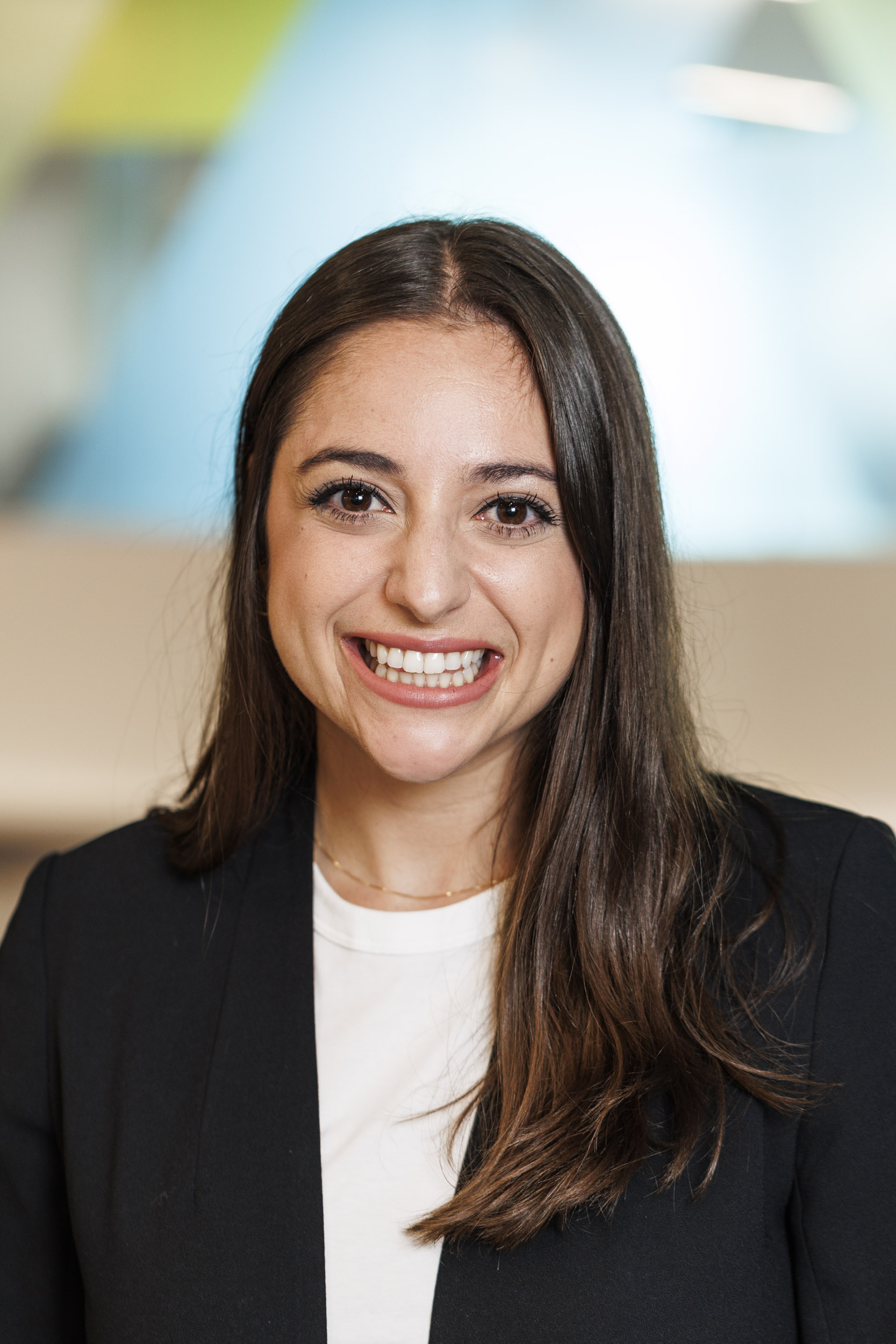
Psychology professor, Moriah Sokolowski, has received the Discovery Grant for a project titled Mapping Developmental Trajectories of Early Number Systems, in which Sokolowski’s research program aims to understand and embrace individual learning differences in early mathematical thinking and empower all children to reach their fullest potential.
Sokolowski's project uses behavioural and neuroimaging methods to explore the cognitive and neural bases of mathematical thinking in adults and children. Humans can represent numbers nonsymbolically (an array of objects) and symbolically (‘three’). For young children to grasp the meaning of number symbols, they must link these symbols to the corresponding quantities. This leads to the intriguing question of how the symbolic and nonsymbolic number systems develop and evolve throughout childhood.
Sokolowski plans to conduct three longitudinal studies on children aged five to nine over the next five years, using behavioural and neuroimaging techniques to explore how they process symbolic and nonsymbolic numbers in various tasks. The results will be published in peer-reviewed journals. She hopes the findings will enhance educational equity, reduce achievement gaps and help students succeed in their ideal academic paths.
Christopher Wellen
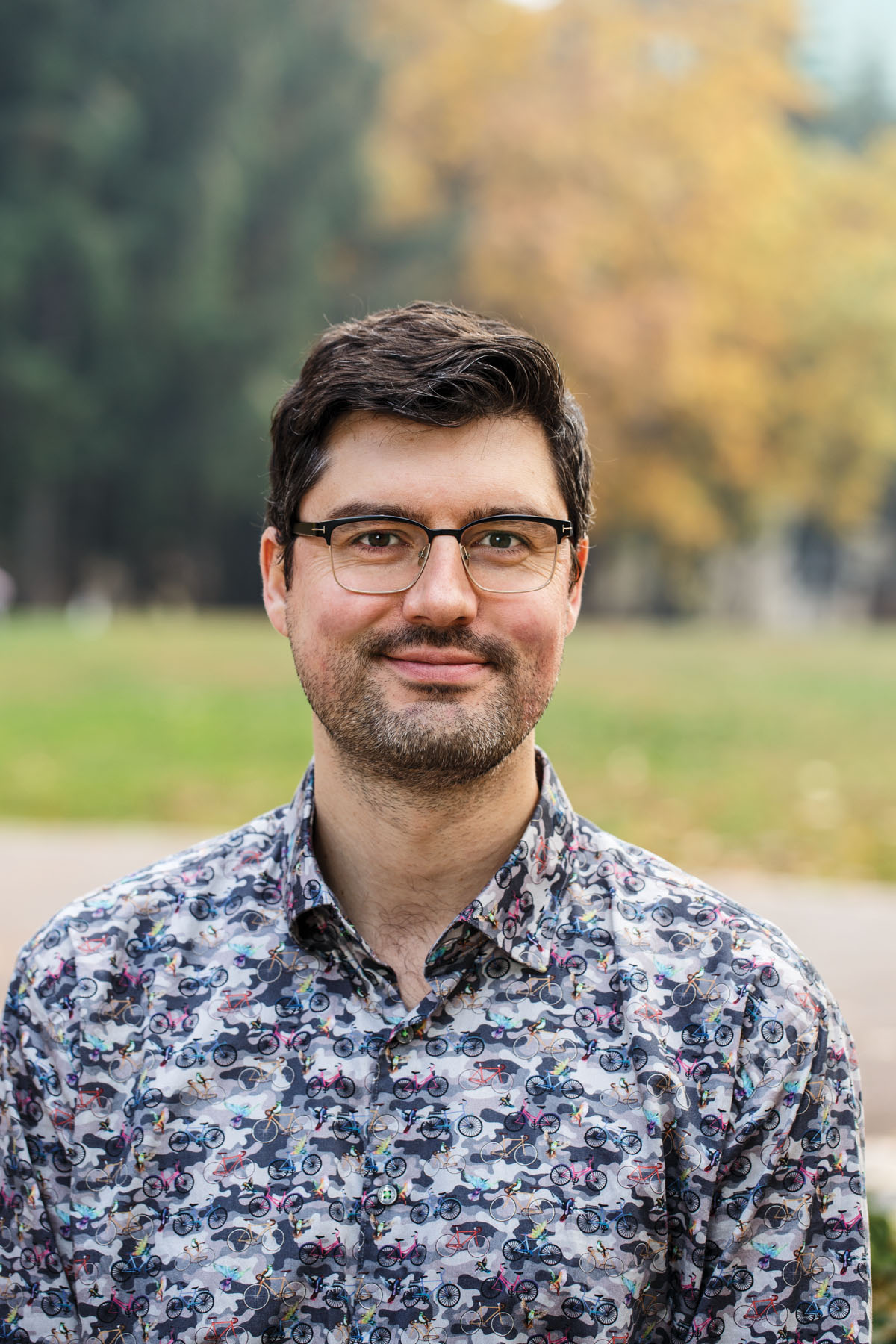
Christopher Wellen, a professor in the Department of Geography and Environmental Studies, investigates the interplay between urban infrastructure and the environment in his Discovery Grant-supported project, Integrating data science and process modelling for better predictions in human dominated environments, set for completion by 2029.
Wellen’s research focuses on creating innovative watershed models by integrating big data, machine learning and traditional methods.
Over 75% of Canada's population lives in urban areas, which include several rapidly growing cities. Urbanization poses various water quality challenges, increasing the cost of water treatment and limiting recreational water use. Watershed models are essential for managing water resources, as they simulate the effects of weather, landscape and pollution on runoff and streamflow. Current urban watershed models mainly focus on infrastructure and often neglect its interaction with the environment. Wellen aims to specifically investigate the role of urban soils in runoff and pollution generation, the storage and release of water and pollutants in the shallow subsurface and the downstream transport of pollutants. The research seeks to guide urban development to protect ecosystem services and improve predictions of how land use and climate change affect water management in urban and downstream areas.