Bodies in Crisis - Screening and panel for International Day of Persons with Disabilities
Please join the Office of Social Innovation at Toronto Metropolitan University as we mark International Day of Persons with Disabilities with a free public screening of Bodies in Crisis, a feature-length documentary by Maria Teresa Larrain.
About the film
In the midst of a profound social conflict, Maria Teresa Larrain, a blind activist and filmmaker based in Canada, returns to her native Chile to document five activists who embark on a transformative process to dignify their lives. Bodies in Crisis follows these activists through the constitutional process that took place in Chile between 2020 and 2021. The film powerfully traces the intersections of gender, disability, and Indigeneity in ongoing struggles for disability rights and justice.
Bodies in Crisis was recognized with two laurels at the Toronto International Nollywood Film Festival: Best Diaspora Film Award and Nomination for Best Canadian Film Award.
Language:
Spanish with English subtitles
Length:
108 minutes
Following the screening, we’ll host a panel discussion on local and global disability rights and justice movements with disability studies scholars and activists Dr. Flávia Luciana Magalhães Novais and Dr. Akihito Kato.
Filmmaker Maria Teresa Larrain will be in attendance and available for Q + A.
Access:
- ASL interpretation
- This will be a masked event. Surgical masks will be available at the door
When:
Wednesday, December 3, 2025, 5:00–7:00 p.m.
Where:
288 Church Street, Room 707/709, Toronto Metropolitan University
This event is free and open to the public.
About the Filmmaker and Panelists
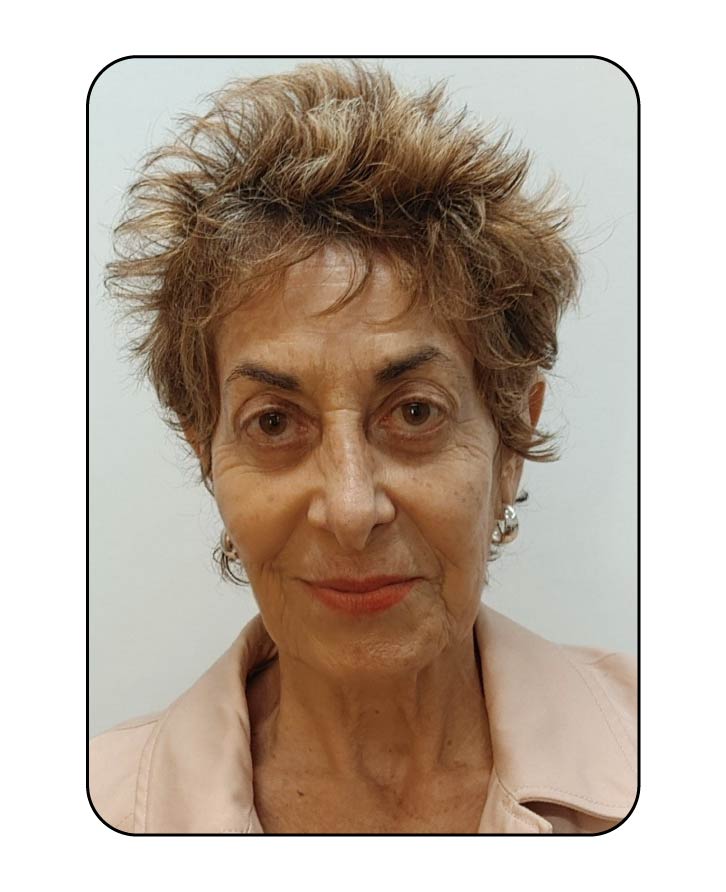
As a young Law and Drama student in Chile, award winning writer, director and producer Maria Teresa Larrain was actively involved in the social movements that supported the deep processes of change that took place in her homeland during the democratically elected government of Salvador Allende (1970-1973).When the CIA’s supported coup d’état overthrew Allende’s government, replacing it with the brutal dictatorship of Augusto Pinochet, Maria Teresa emigrated to Canada, where she kept working on issues related to social justice, graduated from the Radio and Television Arts Program at the Toronto Metropolitan University (TMU) and became a filmmaker. When years later she started to lose her sight, she became a disability activist and returned to TMU where she took Disability Studies. Maria Teresa’s work is deeply personal, depicting character driven stories set against the backdrop of a social issues scenario. Her previous feature length films include: Shadow Girl (2016) a highly experimental film that trails the director’s journey into blindness and her encounter with a group of blind street vendors who help her step into her new identity and Besieged Land (2007), which follows a territorial dispute between a respected Mapuche Chief and a powerful landowner who accuses him of terrorism.
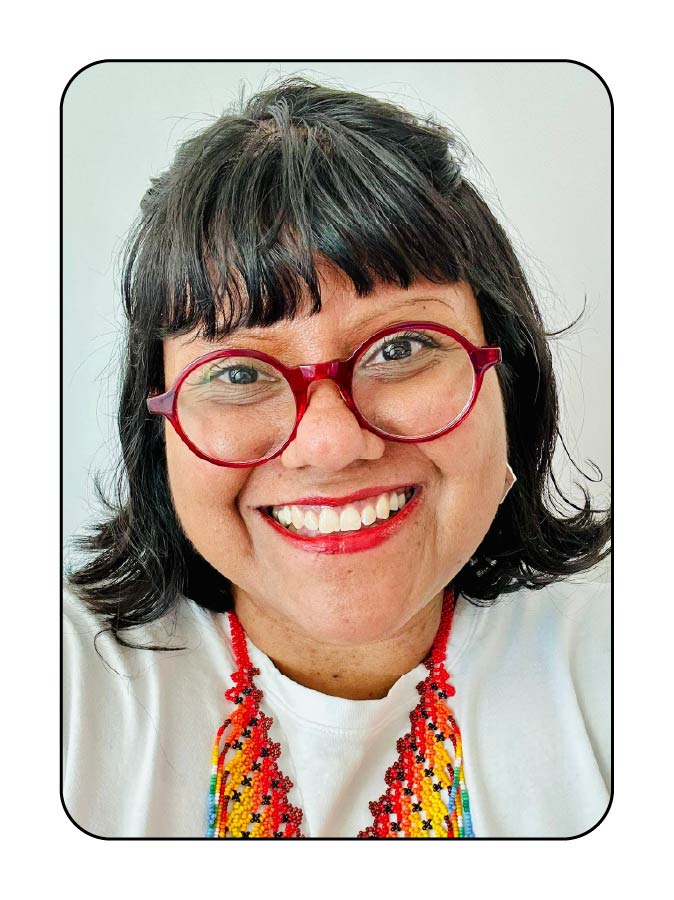
Flavia Luciana Magalhaes Novais graduated in Social Work from the Federal University of Maranhao (2010). She obtained her Master in Social and Institutional Psychology from the Federal University of Rio Grande do Sul (2017), and her PhD in Social and Institutional Psychology at the Federal University of Rio Grande do Sul (2023). She was a CAPES scholarship holder during her master's degree and doctorate. Flavia has experience in the area of Sexual, Gender and Body Diversity; and Care Theories, inspired by Science and Technology Studies (STS) and Postcolonial and Ethnographic approaches. Currently, she has been appointed as the Ethel Louise Armstrong Postdoctoral Fellow at the School of Disability Studies, Toronto Metropolitan University, where she participates in research and projects involving gender, race, and disability diversity, as well as teaching undergraduate courses.
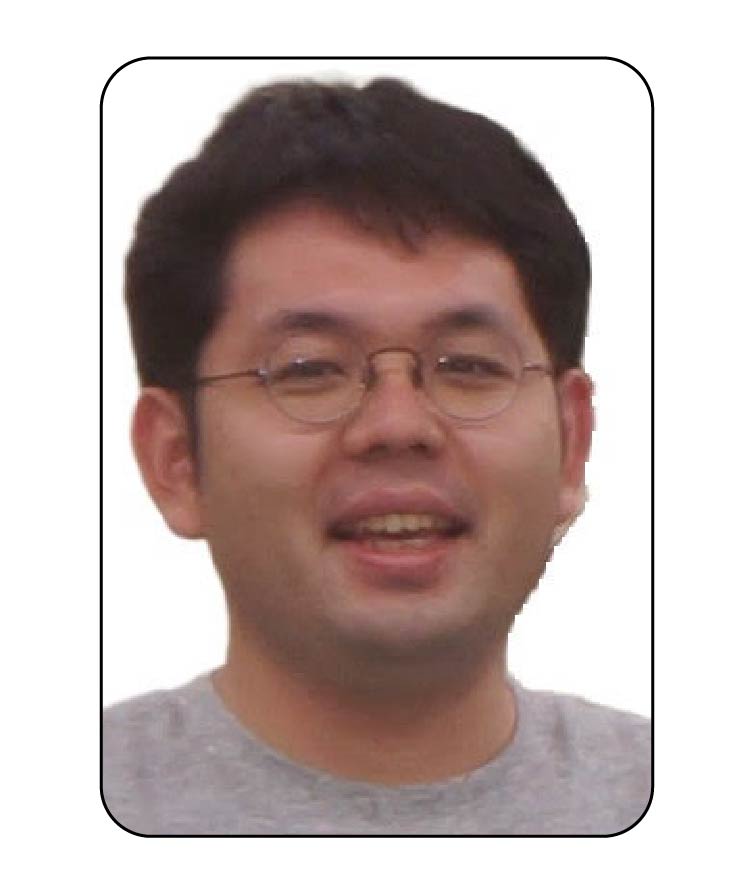
Dr. Akihito Kato is a postdoctoral fellow of the Japan Society for the Promotion of Science, and a visiting scholar at Toronto Metropolitan University. Based in Tokyo Suburb, which is one of the birthplaces of disability activism in Japan, he focuses on genealogies of disability activism, drawing on disability archives, community-based research and Critical Disability Studies. He is also a member of the Japanese translation group of Feminist, Queer, Crip by Alison Kafer. Bringing theory, history and activism together, he is paving the way to reimagine disability politics and accessible futures.