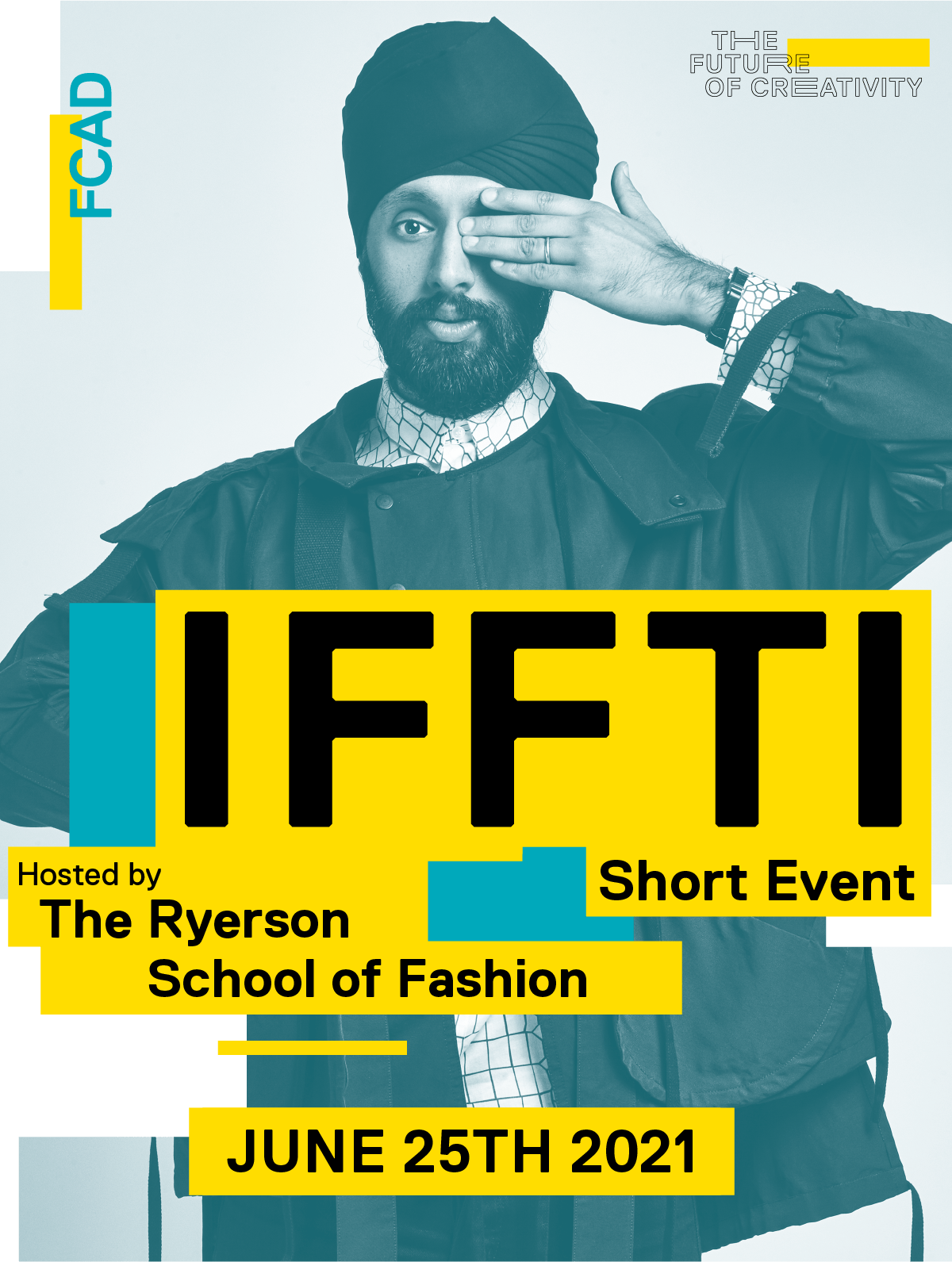
Ryerson IFFTI Short Event
 FAQ
FAQ
Manchester |
Delhi |
Melbourne |
Toronto |
3:00-5:00pm |
7:30-9:30pm |
12:00-2:00am |
10:00am-12:00pm |
Schedule »
Time |
Presenter |
|---|---|
10:00am |
Welcome - Dr. Sandra Tullio-Pow, School of Fashion |
10:20am |
Talk 1: Dr. Kirsten Schaefer - 3D Knit Design for Inclusivity: Roadblocks to Succes |
10:45am |
Talk 2: Romana B. Mirza, PhD candidate - An Exploration of Intersectional Identities Using Digital Storytelling in Fashion Studies |
11:20am |
Talk 3: Dr. Anika Kozlowski - The Western charity myth: Unpacking the impacts of second-hand clothing in Ghana |
11:50am |
Close - Dr. Sandra Tullio-Pow, School of Fashion |

TALK 1 - 3D Knit Design for Inclusivity: Roadblocks to Success

Dr. Kirsten Schaefer is a Postdoctoral Research Fellow in the KITE Research Institute at the University Health Network investigating solutions for textile-based electrodes for various healthcare applications. She is also a sessional instructor at the School of Fashion at Toronto Metropolitan University. Kirsten has collaborated on many multi-disciplinary projects, developing apparel solutions for users with specialized needs. Her research interests include knitting technologies, human-centred design, sustainability, and the intersection of technology and textiles for improved health and wellbeing.
The 3D knit ecosystem is a collaborative network of three xkey stakeholder groups including designers, programmers, and manufacturers who contribute to the development of 3D knit textile and apparel products. As an emerging technology, 3D knitting promises great potential for innovation in size inclusivity, comfort, product integrity, and wearable technology, but bottlenecks in communication have hindered widespread adoption across the economy. This research identified the challenges encountered by all stakeholders engaging with this technology, as well as the key skills required by designers to effectively participate in this collaborative environment and centre design in the development process. Tacit knowledge was found to play a meaningful role in the performance of these skills and in the way that stakeholders relate to one another through various channels of communication. 3D knit technology amplifies the differences in tacit knowledge between the different institutions involved in this cooperative fabrication process because it brings together practitioners from distinctly different institutional backgrounds, who do not naturally share a collective understanding of work-based objectives. This research has implications for current practices in textile and apparel production as well as for higher education institutions preparing design students for careers in this evolving industry.

-Dr-Kirsten-Schaefer-VISUAL.jpg)
TALK 2 - An Exploration of Intersectional Identities Using Digital Storytelling in Fashion Studies
-Romana-B-Mirza.jpg)
Romana brings over 25 years’ worth of experience as a marketing executive and brand strategist in creative industries to her scholarly research, teaching, and academic career. Romana is currently a third year PhD candidate in the Communication and Culture program offered jointly by Toronto Metropolitan University and York Universities in Toronto, Canada. Her research will challenge Islamophobic assumptions surrounding modest dressing and the dominant narrative that marginalizes Muslim women who dress modestly.
Creating alternative ways of knowing through innovative arts-based methods like digital storytelling contributes to understanding the embodied realities of those who are targeted by divisiveness, marginalization, and hate. As foundational work for my PhD I attended a digital storytelling workshop then conducted one with four Muslim women who veil. In this presentation I will centre the digital stories created by two participants as a decolonizing intervention into the whiteness of the field. This method allows participants to have agency over their narrative and freely express deeper feelings and their intersectional identities leading to a more inclusive research experience. Challenging dominant narratives and stereotypes these digital stories give voice to this marginalized and misunderstood community that often stands in harm’s way because their sartorial choices make them hyper-visibly Muslim. The presentation reveals that by prioritizing modesty these women are diverting the Western gaze, navigating away from superficial and oppressive Western beauty ideals, and challenging Islamophobic stereotypes.
-Romana-B-Mirza-VISUAL.png)
TALK 3 - The Western charity myth: Unpacking the impacts of second-hand clothing in Ghana
-Dr-Anika-Kozlowski-min.png)
Dr. Anika Kozlowski is an inter-disciplinary designer, researcher and educator who combines holistic systems thinking with sustainable fashion design practice. Anika’s research includes studying the design practices of emerging small scale sustainably-minded fashion brands which has led to the creation of the ReDesign Tool. Recent research interests include place-based design practices, upcycling and repair as it relates to sustainable system design. This research is deepened through work in West Africa to explore issues of textile waste and the second-hand clothing economy.
Western nations, including Canada, are major contributors to the global textile waste issue. A quarter of donated clothing in Canada is sold abroad to countries in the Global South such as Ghana. Donations feed the second-hand clothing (SHC) supply chain which has become a global waste management strategy that equates to dumping the Global North's excess onto the Global South, i.e. waste colonization. This research study investigated the environmental and social impacts of the SHC supply chain in Ghana through a mixed-methods approach working with the NGO, The OR is Present. A series of qualitative research methods were used such as structured interviews and participatory action research (PAR). In addition, quantitative SHC waste surveys were conducted along the Gulf of Guinea coastline of Accra to determine volume and nature of SHC waste along the beaches. Results highlight the difficulty in determining textile waste volumes along the shorelines due to uncontrollable environmental variables. While outcomes of this research study demonstrate how colonization and power dynamics are still deeply rooted in the SHC global supply chain which is extraordinarily complex and opaque.
-Dr-Anika-Kozlowski-VISUAL-min.png "The Western charity myth: Unpacking the impacts of second-hand clothing in Ghana")

Further Information
Participants: the event is open to all IFFTI member staff and students; participants are invited to listen to our speakers and participate in a lively Q&A session.
Joining Instructions: all participants will be sent joining instructions prior to the event.
Recording: the event will be recorded and available on the IFFTI website – all users will consent to recording when they sign up.
 FAQ
FAQ

Dr. Sandra Tullio-Pow, PhD, Associate Dean of Undergraduate Education and Student Affairs, Faculty of Communication and Design, and Associate Professor, School of Fashion
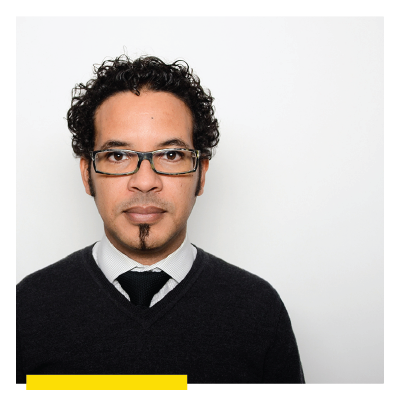
Henry Navarro, CIS Faculty Liaison: Fashion Zone, Associate Professor, School of Fashion
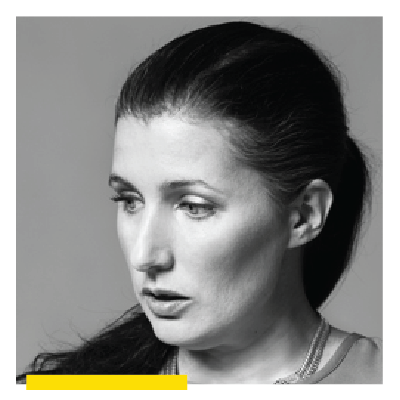
Danielle Martin, FDCD_3DLab Director, Assistant Professor of Fashion Design & Creative Direction, School of Fashion

Tricia Crivellaro, MA Graduate, School of Fashion
Sean Truong, FCAD, Design Assistant