Trust to Impact: Trustworthy and Responsible Al for Citizenship, Migration, and Social Good (TIAI)
- Date
- May 25, 2026
- Time
- 9:00 a.m. - 5:10 p.m. ET
- Location
- Ted Rogers School of Management, 55 Dundas Street West, Toronto, ON
- Open To
- All
Why a Trust to Impact Workshop?
AI systems and AI agents are increasingly deployed in high-stakes social domains, including healthcare, mental health support, public services, and migration- and citizenship-related decision-making. While these technologies promise efficiency, scalability, and broader access, they also raise fundamental concerns around trust, safety, reliability, fairness, accountability, and transparency. These challenges are especially acute in contexts where errors, bias, or misuse can have serious human, social, and legal consequences.
Aligned with the Bridging Divides research program, this workshop focuses on responsible and trustworthy AI at the intersection of technology, society, and policy. The goal is to foster a constructive, interdisciplinary dialogue between researchers, practitioners, policymakers, and community stakeholders on how AI systems can be designed, evaluated, governed, and deployed in ways that promote public trust and social good—particularly in domains related to citizenship, global migration, and other safety-critical social systems.
The Trust to Impact: Trustworthy and Responsible AI for Citizenship, Migration, and Social Good (TIAI) workshop will feature invited keynote talks, technical and non-technical paper presentations, poster sessions, and panel discussions. It is explicitly designed to bridge technical perspectives (e.g., robustness, uncertainty, safety, verification) with societal, ethical, legal, and policy perspectives (e.g., governance, accountability, equity, lived experience, and community impact).
Workshop organizers: Reza Samavi and Naimul Khan, Toronto Metropolitan University
Topics of Interest
We invite submissions of abstracts on topics including, but not limited to, the following:
Technical and Methodological Aspects
- Trustworthy and responsible AI agents
- Confidence, uncertainty quantification, and reliability assessment in AI systems
- Robustness, reliability, explainability, and safety of AI in high-stakes applications
- Privacy-preserving, fair, and interpretable machine learning methods
- Safeguarding AI systems against misuse, distribution shift, and adversarial manipulation
- Hallucination detection, mitigation, and prevention in generative AI and LLM-based systems
- Verification, validation, and auditing of AI systems
- Human–AI collaboration and decision support in safety-critical settings
- Data quality, dataset shift, and responsible data practices
Societal, Ethical, Legal, and Policy Aspects
- AI governance, regulation, and accountability frameworks
- Ethical, legal, and social aspects of AI in citizenship, migration, work, healthcare, and mental health
- Bias, discrimination, and equity in automated and AI-assisted decision-making
- Transparency, explainability, and public trust in AI systems
- Participatory, community-centered, and co-design approaches to responsible AI
- Case studies of AI deployment in public services, health, or migration contexts
- Risk communication, oversight, and institutional responsibility
- Socio-technical perspectives on AI adoption and impact
Submission Format and Review
We invite short abstracts for consideration for oral and/or poster presentations at the workshop. Contributions may be technical or non-technical, including (but not limited to) research results, system demonstrations, position papers, policy analyses, case studies, and community-based perspectives. Submissions should clearly articulate how the work relates to responsible AI and its impact on citizenship, migration, or other high-stakes social domains.
Accepted abstracts will be published on the workshop website. This workshop does not require full papers, and presentation at the workshop does not preclude later publication of extended versions elsewhere.
The workshop is explicitly interdisciplinary and welcomes contributions from computer science, engineering, social sciences, health, law, policy, and the humanities.
Submission Instructions
For more information, visit the Call for Abstract page.
The deadline for submissions has passed
| Program | |
| 9:00 AM | Welcome Coffee |
| 9:30 - 09:45 AM | Morning Session, Chair: Reza Samavi Welcome: Anna Triandafyllidou, CERC Migration and Scientific Director, Global Migration Institute and Bridging Divides, Toronto Metropolitan University |
| 9:45 - 10:30 AM | Keynote Speaker "The Accuracy Trap: When Better Prediction Produces Worse Allocation in Public-sector AI" | Shion Guha, Human-Centred Data Science Lab, University of Toronto |
| 10:30 - 11:00 AM | Coffee Break |
| 11:00 AM - 12:00 PM | Morning Paper Session | 6 talks, ~8 min each 1. Evaluating the Open-source Toxicity Detector, "Detoxify", in Sensitive Migration and Health Contexts | Hirad Daneshvar 2. Detecting Invisible Stress: A Digital Tool for Newcomer Youth with Autism: Establishing Physiological-Behavioural Discordance in Children with Neurodevelopmental Conditions | Salma Mohamed 3. A Comparative Analysis of Key Concepts of Trustworthy AI in Healthcare | Michael S. Ramirez Campos 4. Hardware-Level Uncertainty Quantification: Leveraging Balanced Ternary Logic for Failsafe Human-AI Collaboration in High-Stakes Public Systems | Kagan Katran 5. RAG-Powered Billing Agent in Healthcare: Transforming Physician Documentation into Accountable Billing Actions | Ishaan Mehta 6. Adaptive Conformal Semantic Uncertainty for Responsible AI | Hamed Karimi All abstracts available (PDF file) here. |
| 12:00 - 1:30 PM | Lunch Break & Poster Session |
| 1:30 - 2:30 PM | Afternoon Session, Chair: Naimul Khan Keynote Speaker |
| 2:30 - 3:15 PM | Afternoon Interdisciplinary Paper Session | 5 talks, ~8 min each 1. Leveraging Large Language Models to Map Immigrant-Serving Organizations: Data Construction, Organizational Visibility, and Implications for Digital Governance | Pedro Seguel 2. A socio-technical perspective on the labour-market implications of an Artificial Intelligence (AI) centred-economy | Virginia Kanyogonya 3. Trust from Below: Lived Experience and Human Rights in Designing Trustworthy AI for Migration | Murtaza Mohiqi 4. Shadows in the Code: Chinook, Algorithmic Bias, and the Erosion of Procedural Fairness in Canadian Immigration | Berik Izbassarov All abstracts available (PDF file) here |
| 3:15 - 3:30 PM | Coffee Break |
| 3:30 - 5:00 PM | Panel Discussion: Responsible and Trustworthy AI and in High-Stakes Systems
5 minutes introduction by each panellist (25-30 minutes) followed by 45 minutes of structured questions and 15 minutes of questions by the audience. |
| 5:00 - 5:10 PM | Closing Remarks and Next Steps |

Keynotes
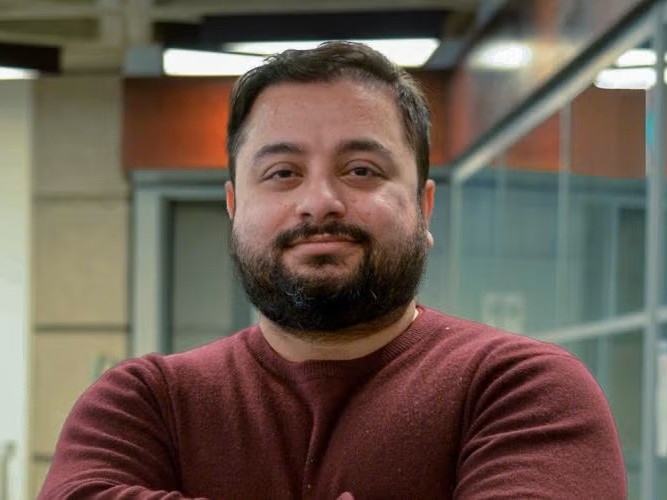
Shion Guha is an Assistant Professor in the Faculty of Information at the University of Toronto, cross-appointed to the Department of Computer Science, and directs the Human-Centered Data Science Lab. He also serves as Senior Research Scientist at Parkview Health. He leads a research program that examines how data, measurement, and organizational practice interact when governments adopt algorithmic systems. His team works with agencies in child welfare, healthcare, and homelessness services to study model development and use, to audit outcomes with mixed methods, and to co-produce evaluation criteria that reflect service goals and community priorities. The program emphasizes practical artifacts that institutions can deploy immediately, including assessment protocols, procurement checklists, and implementation guides that link analytics to clear accountability paths. Guha is the author of Human-Centered Data Science: An Introduction (MIT Press, 2022) and a forthcoming book manuscript, Public Interest Technology: When AI Becomes Government. His research has been funded by CIFAR, NSERC, CIHR, SSHRC, and NSF. He has been recognized with a Way-Klingler Early Career Award (2019), a Connaught New Researcher Award (2021), and a Schwartz-Reisman Institute for Technology and Society Faculty Fellowship (2023). He has partnered with Canadian municipal, provincial, and federal bodies on AI initiatives and provided expert input to U.S. state agencies and civil society organizations. His work has been covered by CBC, Newsweek, the Associated Press, ABC, NBC, and the Toronto Star. He holds a MS from the Indian Statistical Institute and a PhD from Cornell University.
By Shion Guha, Human-Centered Data Science Lab, University of Toronto
Abstract
Public-sector AI systems that rank and allocate scarce resources — shelter beds, child welfare investigations, cancer triage — face a structural problem that conventional fairness tools cannot see. Under scarcity, improving a model's ranking precision produces exponentially larger disparities between groups, even when groups differ only marginally in the underlying data. I call this the Accuracy Trap: better prediction, worse allocation.
In this talk I present a scaling relationship, D ∝ exp(t·ρ·Δ), that formalizes the interaction between scarcity, ranking precision, and structural group gaps, and validate it across three empirical domains spanning two countries: Toronto's shelter system, Toronto child welfare, and U.S. cancer triage using the NCI SEER registry. The talk then argues that the appropriate response is not better debiasing but a shift in the unit of analysis — from the model to the infrastructure — with implications for stability auditing, procurement contract design, and Canada's current AI governance window. Throughout, I make the case for human-centered data science as the minimum viable methodological approach for public-interest AI.

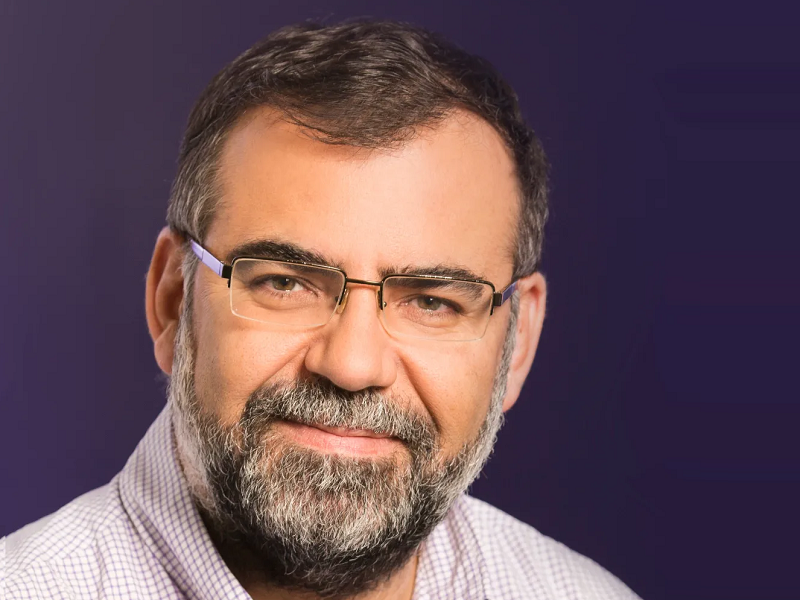
Ricardo Baeza-Yates is a part-time WASP Professor at KTH Royal Institute of Technology in Stockholm, as well as part-time professor at the departments of Engineering of Universitat Pompeu Fabra in Barcelona and Computing Science of University of Chile in Santiago. Before, he has been Director of Research at the Institute for Experiential AI of Northeastern University in its Silicon Valley campus (2021-25) and VP of Research at Yahoo Labs, based first in Barcelona, Spain, and later in Sunnyvale, California (2006-16).
He is a world expert in responsible AI and member of AI technology committees at GPAI/OCDE, ACM and IEEE. He is co-author of the best-seller Modern Information Retrieval textbook published by Addison-Wesley in 1999 and 2011 (2nd ed), that won the ASIST 2012 Book of the Year award. In 2009 he was named ACM Fellow and in 2011 IEEE Fellow. He has won national scientific awards in Chile (2024) and Spain (2018), among other accolades and distinctions. He obtained a Ph.D. in CS from the University of Waterloo, Canada, and his areas of expertise are responsible AI, web search and data mining plus data science and algorithms in general.
By Ricardo Baeza-Yates, KTH Royal Institute of Technology, Universitat Pompeu Fabra & Universidad de Chile
Abstract
Machine learning (ML), particularly deep learning, is being used everywhere. However, not always is used well, ethically and scientifically. In this talk we first do a deep dive in the limitations of supervised ML and data, its key component. We cover small data, datification, bias, predictive optimization issues, evaluating success instead of harm, and pseudoscience, among other problems. The second part is about our own limitations using ML, including different types of human incompetence: cognitive biases, unethical applications, no administrative competence, misinformation, and the impact on mental health. In the final part we discuss regulation on the use of AI and responsible AI principles, that can mitigate the problems outlined above.
Speakers
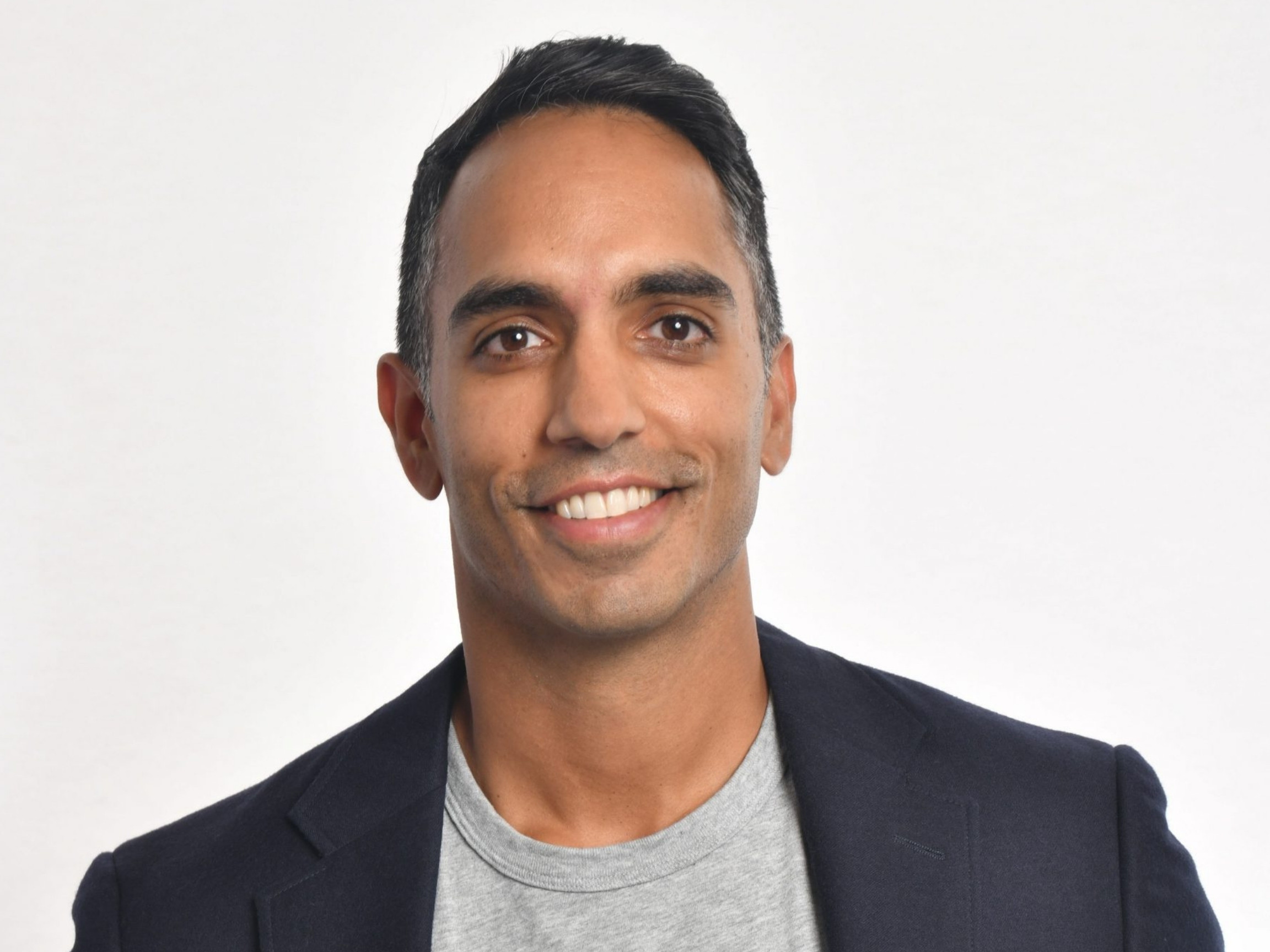
Arif Jetha is Associate Scientific Director and Scientist at the Institute for Work & Health. He is also an associate professor (status-only) at the University of Toronto’s Dalla Lana School of Public Health.
Jetha earned his PhD in behavioural sciences and public health at the University of Toronto, and an MSc in health community and development from the London School of Economics and Political Science. He also held post-doctoral fellowships at the Liberty Mutual Research Institute for Safety and the Institute for Work & Health.
Jetha’s program of research aims at understanding how sociopolitical, technological, environmental and economic changes that characterize the future of work affect the health and employment participation of vulnerable workers including young workers and persons living with disabilities. He is specifically interested in the implications of artificial intelligence (AI) on the health, safety and well-being of workers. In 2025, he became the director and principal investigator of the Partnership on AI and the Quality of work (PAIQ). It's a seven-year partnership project to study AI, job quality and worker wellbeing.
To pursue his research program, Jetha takes a systems perspective and uses a mixed-methods research approach. He collaborates closely with diverse research partners to produce findings that can inform policy and practice.
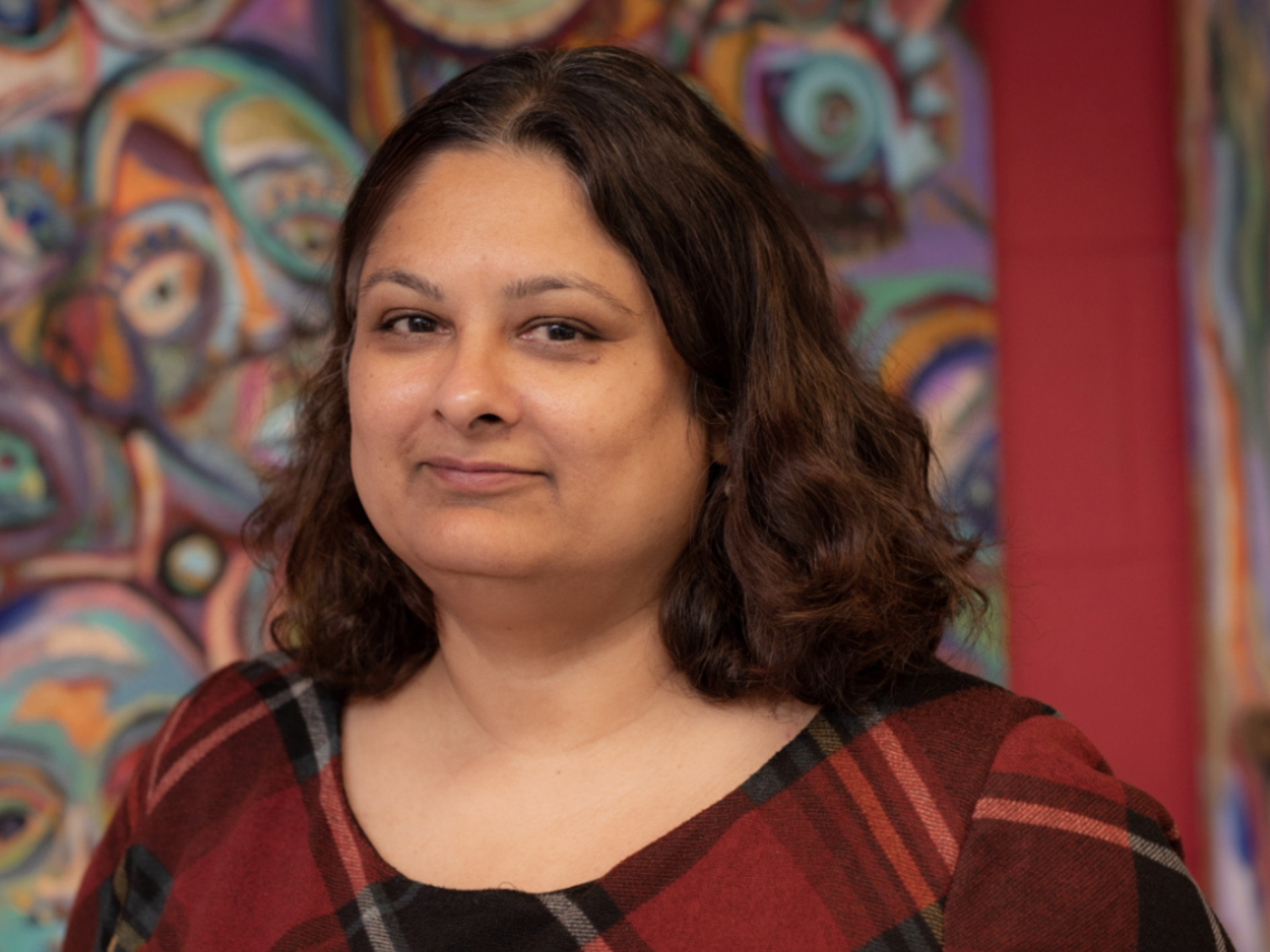
Shital Desai is an Associate Professor in Interaction Design at the School of the Arts, Media, Performance & Design, a Research Chair in Accessible Interaction Design at York University and the co-lead of the Connected Minds Training Committee.
With nearly 30 years of experience in Robotics and Participatory Design, she leads the innovative Social and Technological Systems (SaTS) lab, supported by the Canada Foundation for Innovation.
Her groundbreaking work focuses on developing accessible and inclusive technologies and services that champion the UN Sustainable Development Goals, particularly in Health and Well-being. Dr. Desai's research is dedicated to creating assistive technologies for vulnerable populations, including seniors, children, Neurodivergent populations, people with speech, physical and cognitive impairments, and individuals with dementia, utilizing participatory codesign and system thinking approaches.
As a committed member of the World Health Organization (WHO) Dementia Knowledge Exchange, she actively contributes to global health policies and care systems. She was recently invited to be a panel member for the new WHO Grand Challenges in Social Connection program at the UN.
She is the recipient of several awards including the 2021-22 AMPD Dean’s Research Award and the Petro Canada Young Innovator Award. She was nominated for the 2023 Postdoctoral Supervisor of the Year Award and the President’s Emerging Research Leadership Award (PERLA). She was one of the 24 semi-finalists selected from applicants worldwide for the prestigious Longitude Dementia Award in the UK, where she is working with researchers in Canada, the UK and the Netherlands to develop technologies for cueing people with dementia in everyday activities.
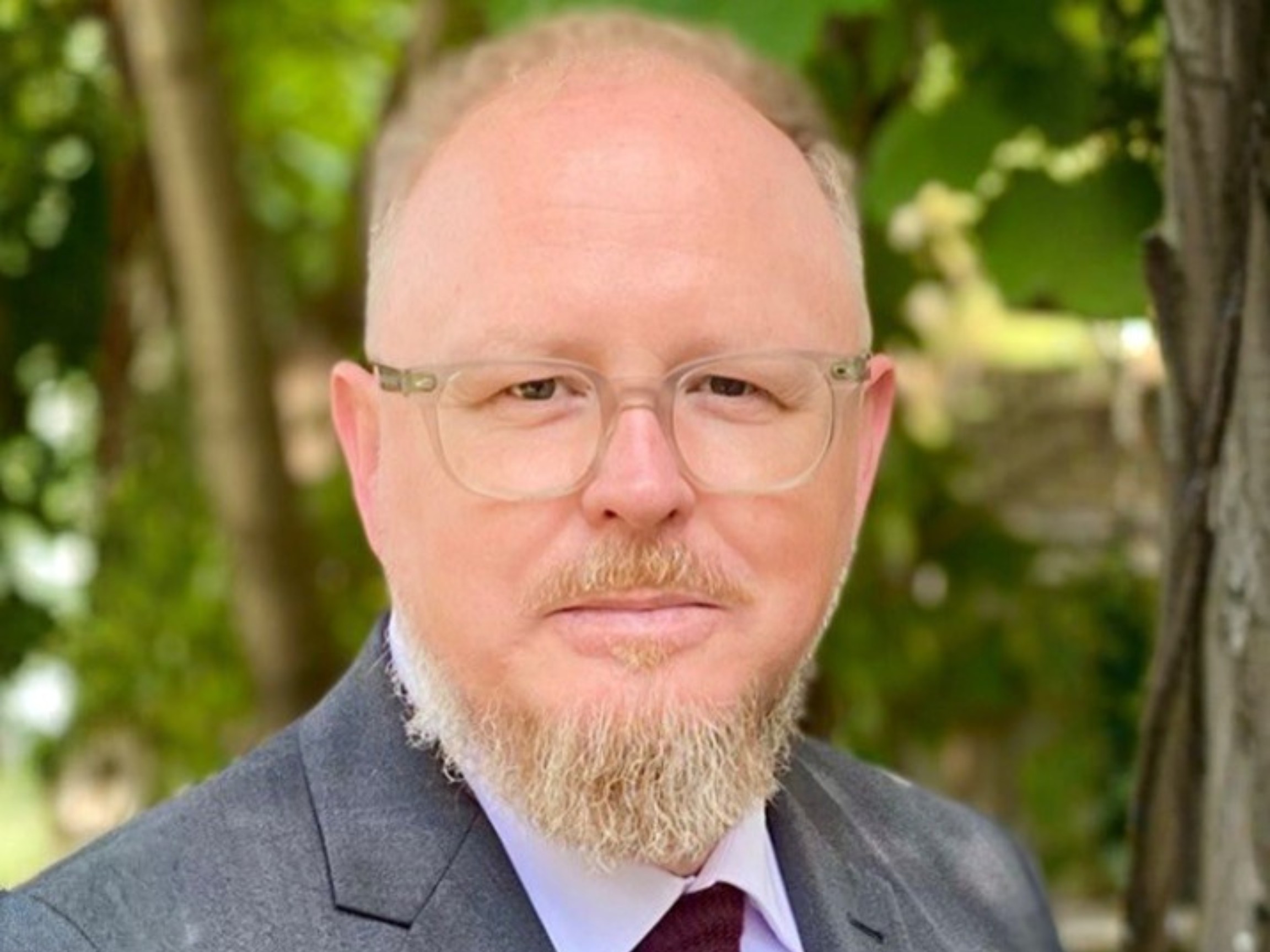
Thomas E. Doyle is Associate Professor of Electrical and Computer Engineering and Associate Member at McMaster School of Biomedical Engineering at McMaster University.
Thomas' core motivation is exploring how computational machines can interact with us for the augmentation, rehabilitation, and enhancement of human attributes. Perhaps the best description of his research is derived from the term cybernetics, which was defined by Norbert Wiener as the study of communication and control in the animal and the machine. He believes that the focus of his work is best defined as cybranetics, or the study of communication and control between the animal and machine.
With the recognition that biological systems exhibit inherent variability, the role of machine learning and artificial intelligence is a natural fit for the interfacing of learning devices and systems. Additionally, health risks prediction and classification based on medical and related data has become an area of great interest for medical providers, patients, and resource allocation. The computation from the smallest embedded devices, to cloud based services, to the high-performance computing all have role in this research.
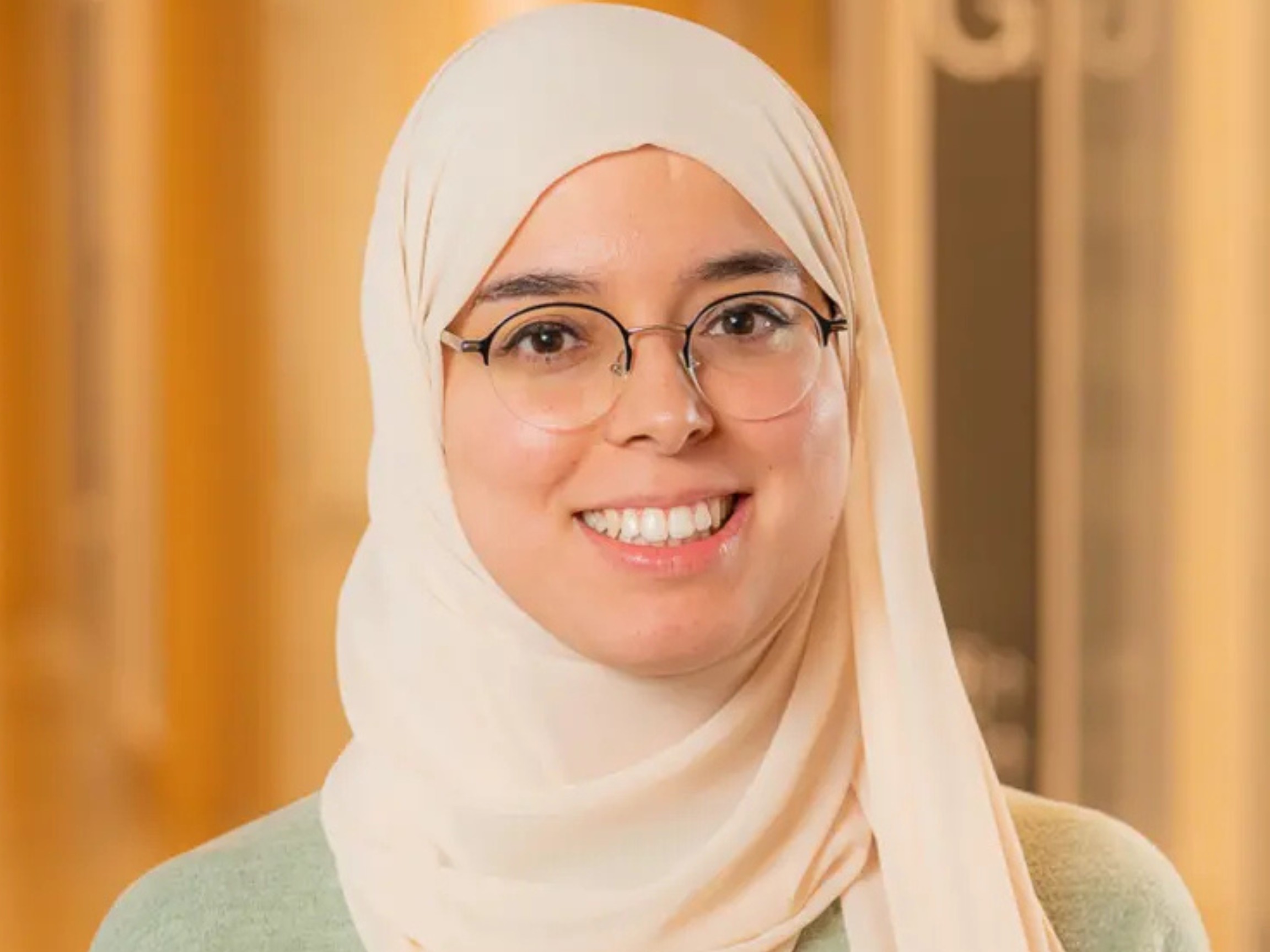
Ines Arous is an Assistant Professor in the Department of Electrical Engineering and Computer Science at York University. She leads the ARIN research lab, dedicated to advancing human-centered natural language processing (NLP) that is explainable and effective. Prior to joining York University, she was a Postdoctoral Researcher at Mila - Quebec AI Institute and McGill University, where she worked with Jackie C.K. Cheung on optimizing the use of human feedback in large language models. Her work focuses on designing frameworks that leverage human intelligence to enhance NLP models and tailoring them for applications with significant societal impact.
Ines earned her PhD from the University of Fribourg under the supervision of Philippe Cudré-Mauroux, specializing in human-AI collaborative approaches for data curation. She developed hybrid human-AI approaches for data collection, evaluation, and model explanation. Her work has been accepted and presented at top conferences, including The Web Conference, AAAI Conference on Artificial Intelligence, and Annual Meeting of the Association for Computational Linguistics. During her doctoral studies, she completed an internship at Alexa Shopping, Amazon Research.
Her research interests lie at the intersection of human computation and natural language processing. She aims to develop human-centered NLP models that are trustworthy, controllable, and effective.
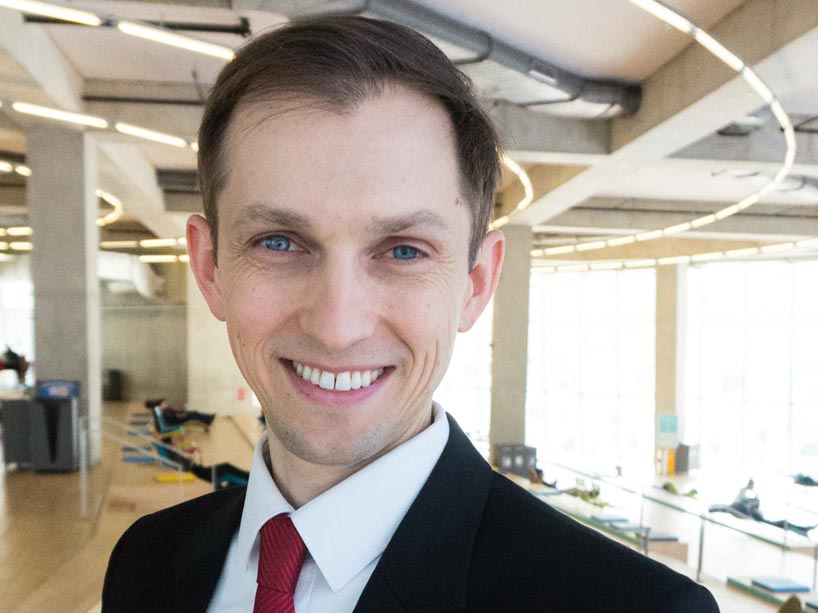
Anatoliy Gruzd is a Professor at the Ted Rogers School of Management and the Director of Research at the Social Media Lab at Toronto Metropolitan University. As a computational social science researcher, he investigates how social media affects the way people and organizations communicate, collaborate, and share information, including misinformation. His expertise lies in studying online communities and social networks, as well as in developing new computational methods and tools to analyze public discourse across various domains. Most recently, he has been examining the spread of pro-Kremlin narratives, propaganda and disinformation related to the Russia-Ukraine war. Anatoliy’s innovative approach to studying social media has led to his being named a Canada Research Chair in 2015 and inducted into the Royal Society of Canada’s College of New Scholars, Artists, and Scientists in 2017.
A Bridging Divides initiative, hosted by: