Gulf Canada Connections - Migration, Citizenship, and Urban change across Borders
- Date
- May 07, 2026 - May 08, 2026
- Time
- 9:30 a.m. - 4:15 p.m. ET
- Location
- Global Migration Institute, Toronto Metropolitan University
- Open To
- All
The Gulf Cooperation Council (GCC) countries–Bahrain, Kuwait, Oman, Qatar, Saudi Arabia, and the United Arab Emirates–have long been central nodes in global migration flows. While often portrayed in international migration discourse as exceptional due to the kafala (sponsorship) system and limited pathways to citizenship, the GCC has remained a crucial site for migrants.
Although this model starkly contrasts Canada's conventional global image as a “welcoming” country, the two systems are deeply interconnected and recent policy changes in Canada and GCC are arguably narrowing the gap between the two migration regimes. Emerging scholarship also highlights the growing phenomenon of multi-step migration, where migrants use the Gulf as a prolonged transit before arriving in Canada (Das Gupta, 2021). Similarly, evolving yet interconnected migration and diversity politics directly shape the urban development of Canadian and Gulf cities.
These complex changes and migration trajectories challenge conventional binaries such as temporary/permanent, origin/destination, and exclusion/inclusion that entrench stereotypes based on race, gender, religion, class and other vectors of social location. The everyday lived experiences of these migrants and evolving sense of belonging remain underexplored, particularly in the context of an increasingly digitalized world.
This workshop, therefore, seeks to: (1) fill a significant gap by examining the understudied phenomenon of Gulf-Canada migration; (2) move beyond exceptionalist and homogenous framings of the Gulf by analyzing GCC states as key sites for understanding broader global shifts in migration regimes; (3) explore how these evolving migration regimes shape urban life and space, including the everyday use of the city by inhabitants with diverse legal and socio-cultural statuses.

Organized and convened by: Asma Atique, Richa Shivakoti, Jeremie Molho, Yousef Khalifa Aleghfeli, Amin Moghadam, and Hari KC
| Day 1 - Thursday, 7 May 2026 | |
| 9:30 AM | Welcome Coffee |
| 10:00 AM | Welcome Remarks and and Land Acknowledgement by Anna Triandafyllidou, CERC Migration and Scientific Director, Global Migration Institute and Bridging Divides, Toronto Metropolitan University |
| 10:10 - 11:00 AM | Keynote Address by Tania Das Gupta (Professor Emeritus and Senior Scholar, York University) |
| 11:00 AM - 12:30 PM | Roundtable on Gulf Migration, Citizenship, and Urban Change in the Context of War Chair: Yousef Khalifa Aleghfeli, Research Fellow - Data Science, Global Migration Institute, Toronto Metropolitan University
|
| 12:30 - 1:45 PM | Lunch |
| 1:45 - 4:00 PM | Panel 1 | Multi-step migration in the Gulf and Canada Chair: Hari KC (Toronto Metropolitan University)
|
| Day 2 - Friday, 8 May 2026 | |
| 9:30 AM | Welcome Coffee |
| 10:00 - 10:45 AM | Keynote by Anju Mary Paul (Professor, New York University Abu Dhabi) |
| 10:45 AM - 12:45 PM | Panel 2 | Belonging and transnational lives Chair: Jeremie Molho (Toronto Metropolitan University)
|
| 12:45 - 2:00 PM | Lunch |
| 2:00 - 4:00 PM | Panel 3 | Navigating precarious conditions across the Gulf and Canada Chair: Richa Shivakoti (Toronto Metropolitan University)
|
| 4:00 PM | Closing Remarks by Richa Shivakoti (Toronto Metropolitan University) |

Speakers
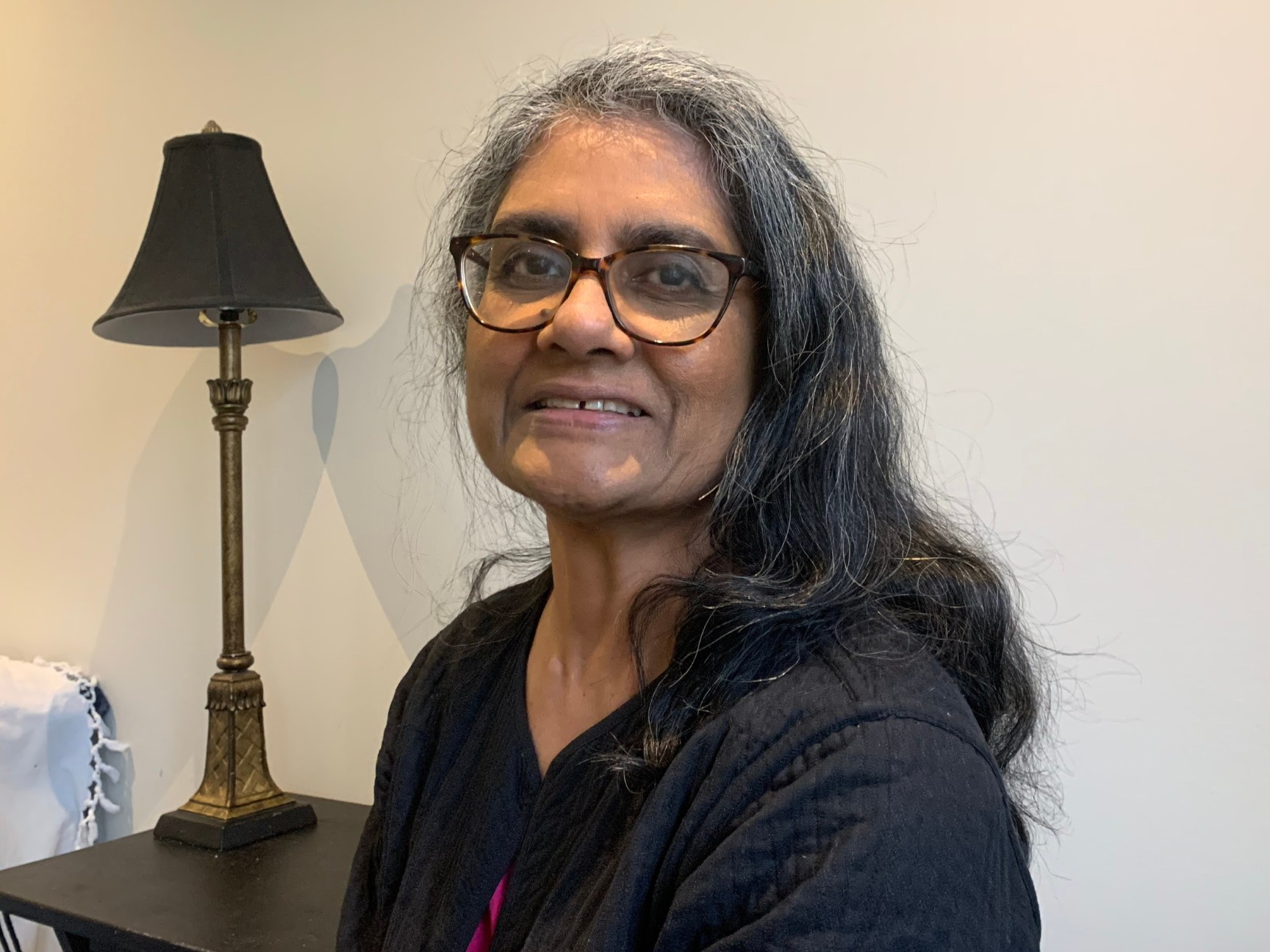
Tania Das Gupta is Professor Emeritus and Senior Scholar in the School of Gender, Sexuality and Women’s Studies, York University, Toronto, Canada. Her publications and research interests include: South Asian diaspora and transnationalism, race and racism, anti-racism, migration, women, work and families, community activism. Most recently she has published Twice Migrated, Twice Displaced: Indian and Pakistani Transnational Households in India which focuses on South Asians in the Gulf Peninsula migrating to Canada. Earlier publications include Real Nurses and Others: Racism in Nursing (2009); Racism and Paid Work (1995) and Race and Racialization: Essential Readings (co-edited).
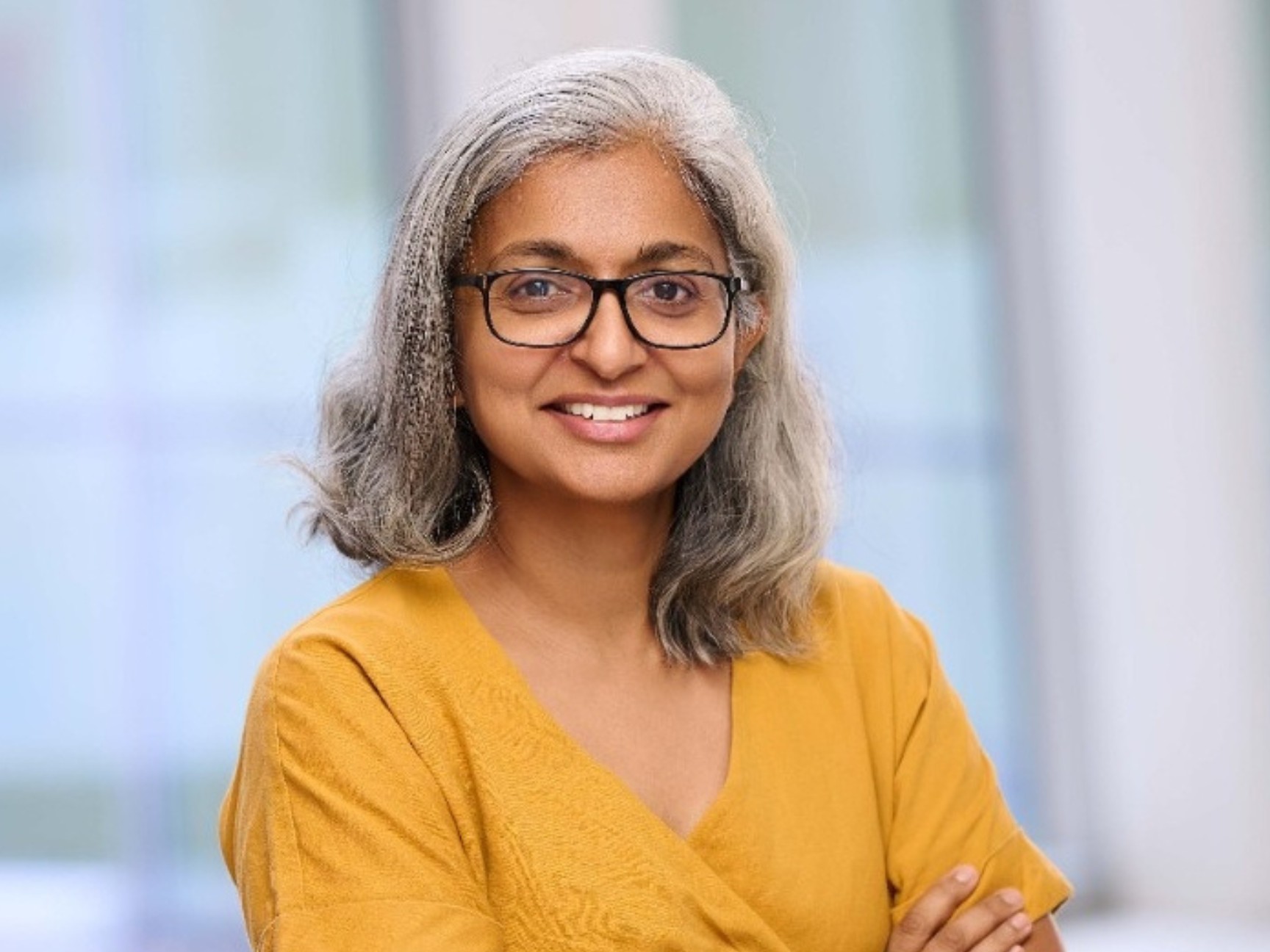
Anju Mary Paul is Professor of Social Research and Public Policy. She holds a Bachelor's in Business Administration from the National University of Singapore, a Master's in Journalism from New York University, and a PhD in Sociology and Public Policy from the University of Michigan, Ann Arbor. Paul is an international migration scholar with research interests that include emergent migration patterns, particularly to, from, and within Asia and the Middle East, gender and labor, globalization, domestic work, and care policy. Prior to joining NYU, Paul served as a faculty member at Yale-NUS College in Singapore. She is the award-winning author of Multinational Maids: Stepwise Migration in a Global Labor Market (2017) and Asian Scientists on the Move: Changing Science in a Changing Asia (2021).
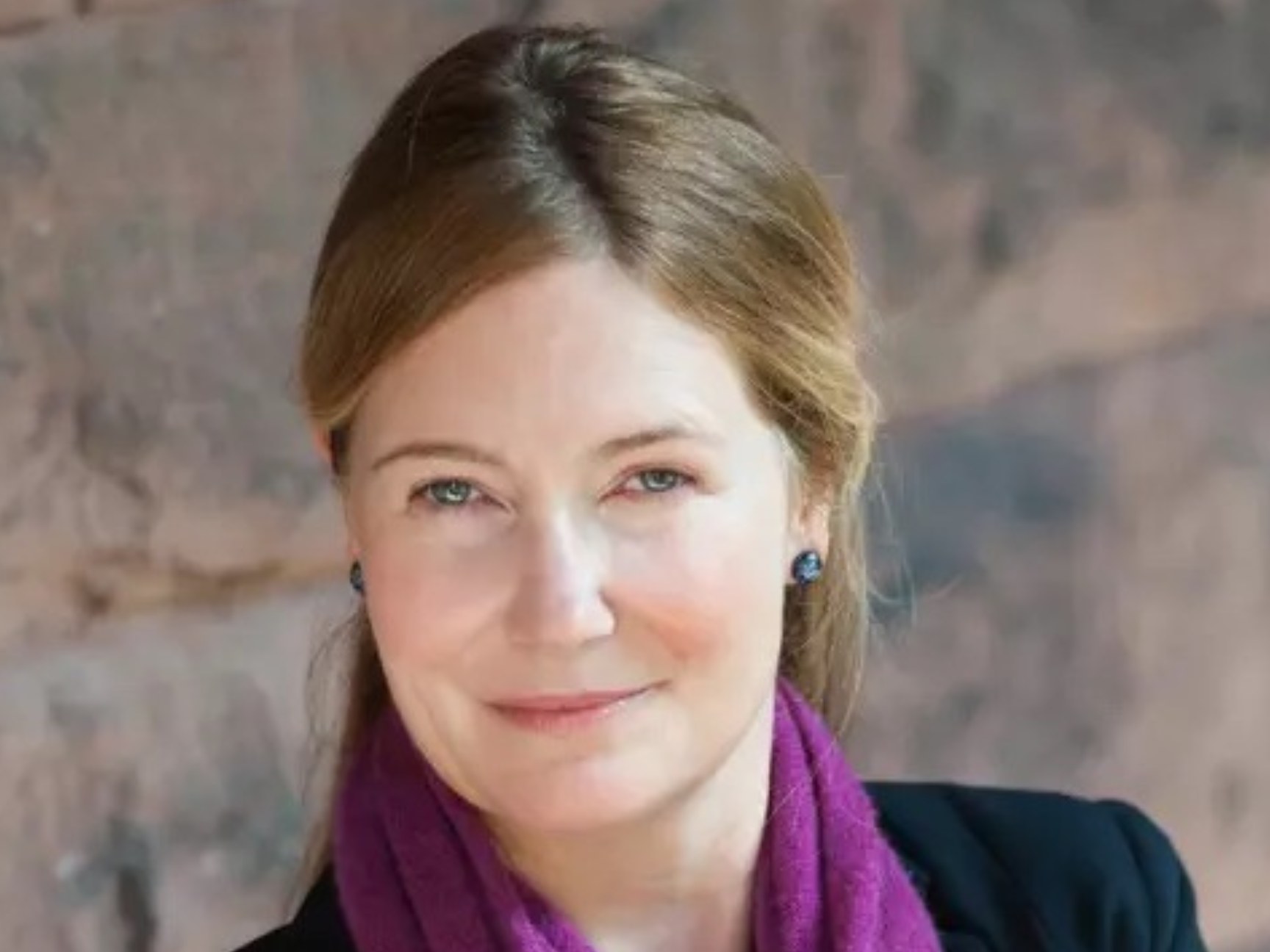
Rachel Silvey is a Professor in the Department of Geography and Planning. Professor Silvey was Richard Charles Lee Director of the Asian Institute. She is a Faculty Affiliate in CDTS, WGSI, and the Ethnic, Immigration and Pluralism Studies Program. She received her PhD in Geography from the University of Washington, Seattle, and a dual BA from the University of California at Santa Cruz in Environmental Studies and Southeast Asian Studies. Professor Silvey is best known for her research on women’s labour and migration in Indonesia. Her current work, funded by the US National Science Foundation, with collaborator Professor Rhacel Parreñas examines Indonesian and Filipino domestic workers’ employment in Singapore and the UAE, and she leads the project on migrant workers’ labour conditions for the SSHRC Partnership Project, “Gender, Migration and the Work of Care: Comparative Perspectives,” led by Professor Ito Peng.
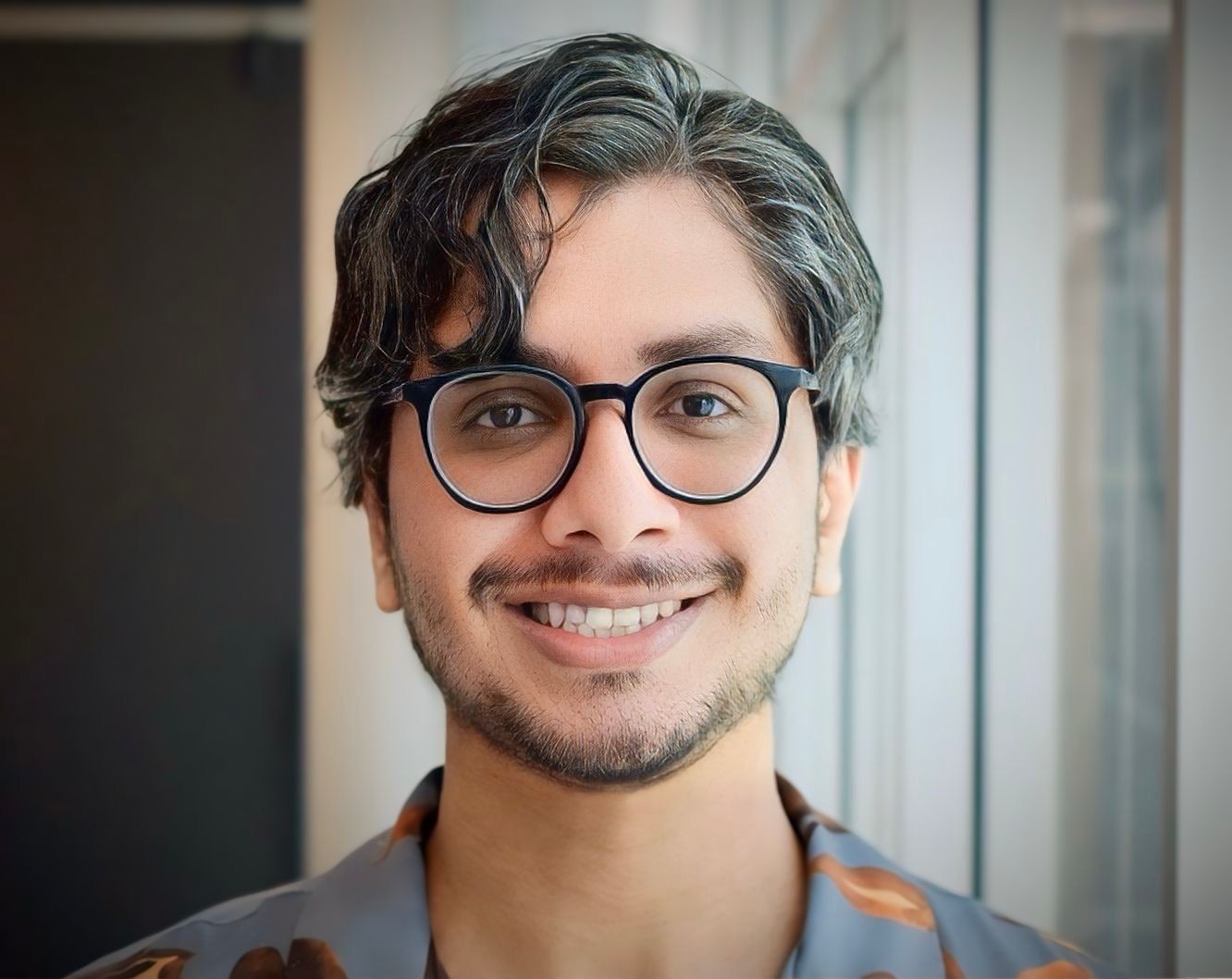
Yousef Khalifa Aleghfeli is Research Fellow in Migration Data Science at the Global Migration Institute at Toronto Metropolitan University, where they lead projects that sit at the nexus of migration and mobility studies and data science methods. Yousef is currently the Project Manager for Demographic Projections and Migration Foresight. Yousef completed their DPhil in Education at the University of Oxford, where they wrote on the educational resilience of unaccompanied and separated children based on fieldwork and data collection in Jordan and Greece. Yousef also completed a Master of Education from Harvard University, a Master of Public Administration from Columbia University, and a Bachelor of Arts in International Studies from the American University of Sharjah in the UAE.
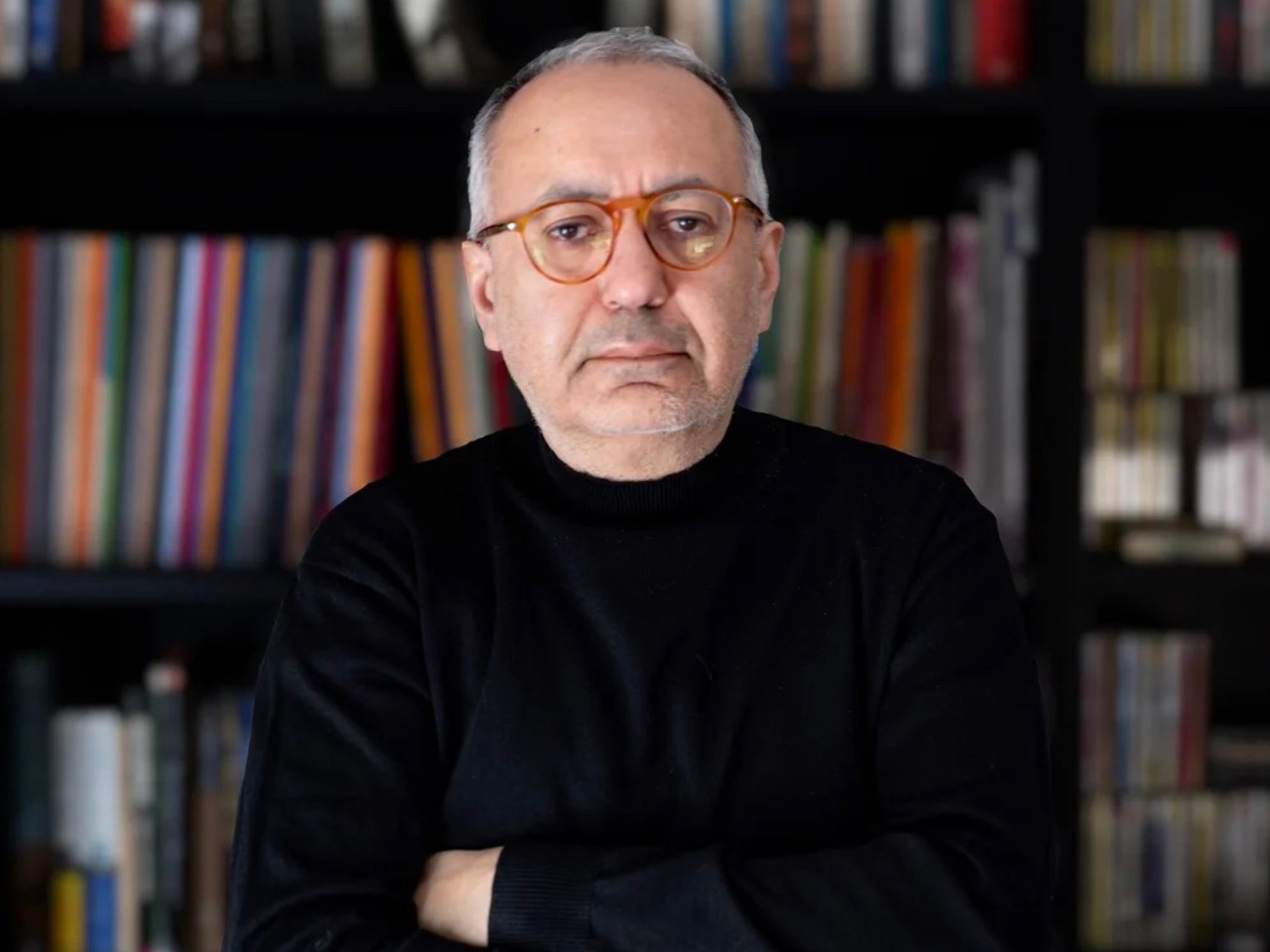
Yasser Elsheshtawy is a Non-Resident Scholar at the Arab Gulf States Institute in Washington, DC, and an Adjunct Professor at Columbia University’s Graduate School of Architecture, Planning and Preservation (GSAPP). His books include Riyadh: Transforming a Desert City, Temporary Cities: Resisting Transience in Arabia, Dubai: Behind an Urban Spectacle, and Arab Modernism(s): Cities, History and Culture (Routledge). His forthcoming book is titled My Cairo: A Cartography of Belonging and Everyday Urbanism (AUC Press). He was one of the lead authors for the UN-Habitat’s “State of the Arab Cities 2020” report where he looked at infrastructure in Arab cities. He served as curator for the UAE Pavilion at the 15th Venice Architecture Biennale in 2016 and has been interviewed by the Wall Street Journal, BBC, Associated Press, Radio Monocle, National Geographic, The Guardian, Boston Globe, Neue Züricher Zeitung, and ArchDaily. He holds a PhD in Architecture from the University of Wisconsin–Milwaukee, a Master of Architecture from Pennsylvania State University, and a Bachelor of Architecture from Cairo University.
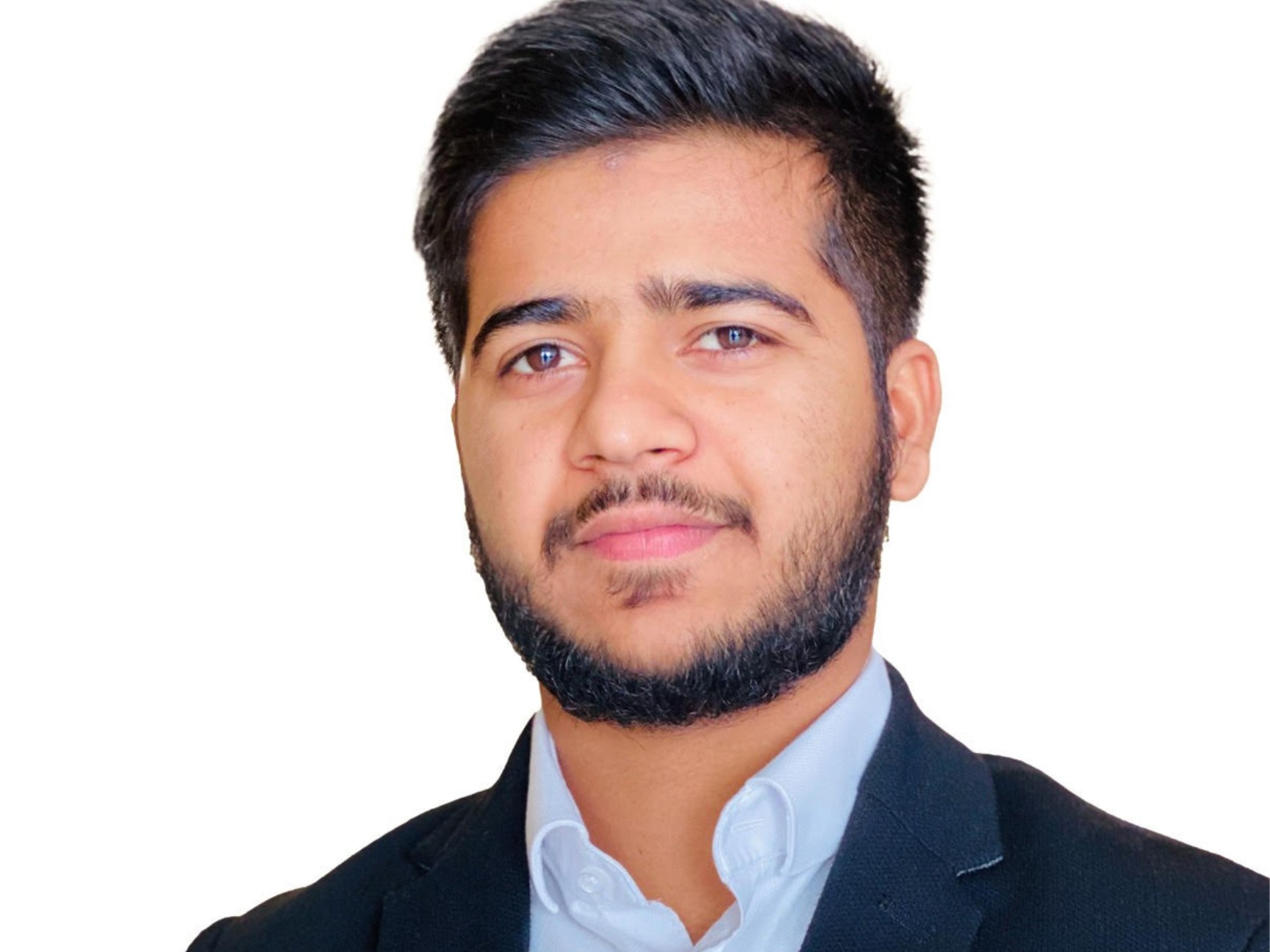
Sharique Umar is a PhD candidate at Qatar University’s Gulf Studies Program and Center. He holds an MA in International and Area Studies from Jamia Millia Islamia University in New Delhi, India. His research focuses on the intersections of international politics, migration, and economics, with particular attention to South–South migration in the Gulf Cooperation Council (GCC) states. His research interests include mobility and belonging, as well as the socio-economic dimensions of migration flows in the region. He is the co-editor of the recently published volume, Handbook of Families in the Arab Gulf States.

Sarah Alghamdi is a legal scholar and PhD candidate at York University’s Osgoode Hall Law School. Her doctoral work focuses on the role of EU third-country international migration agreements in producing increased restrictions on the most vulnerable migrants and refugees and closing the space for South-to-South mobility. Sarah has two master’s degrees in law, one from the University of Toronto and one from Osgoode Hall, in addition to a bachelor's degree in law from King Abdulaziz University in Saudi Arabia.
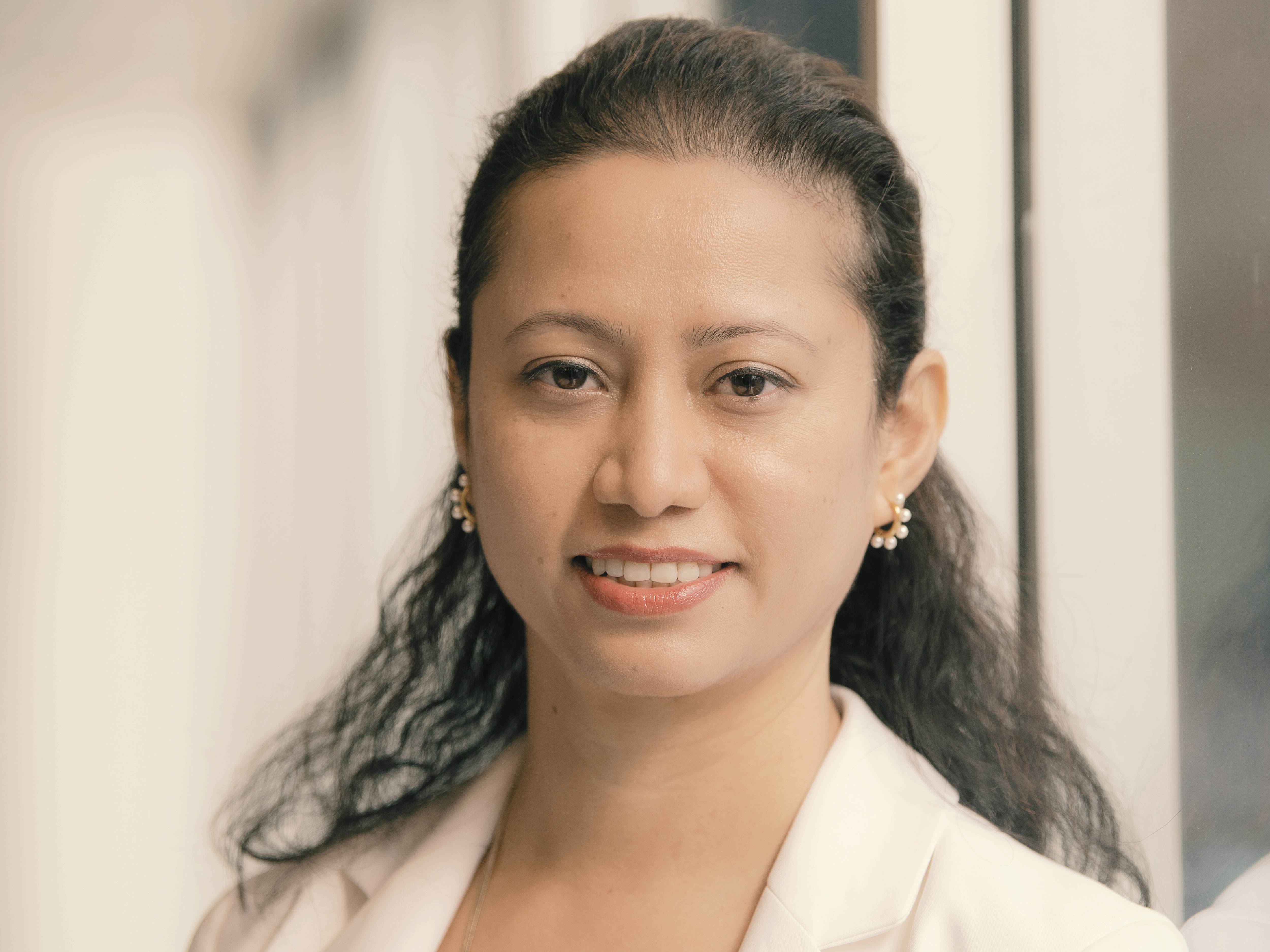
Richa Shivakoti is the Research Lead on Migration Governance at the Global Migration Institute and a Researcher with the Bridging Divides program at Toronto Metropolitan University. Her current research focuses on Multinational migration to Canada and on Emigration from Canada. She also works on gendered migration policies and the impact of migration bans on migrant domestic workers from Ghana. She has also worked on issues related to the governance of labour migration within Asia, particularly between the labour-sending states of South Asia and South East Asia and the labour receiving states in the Gulf states.
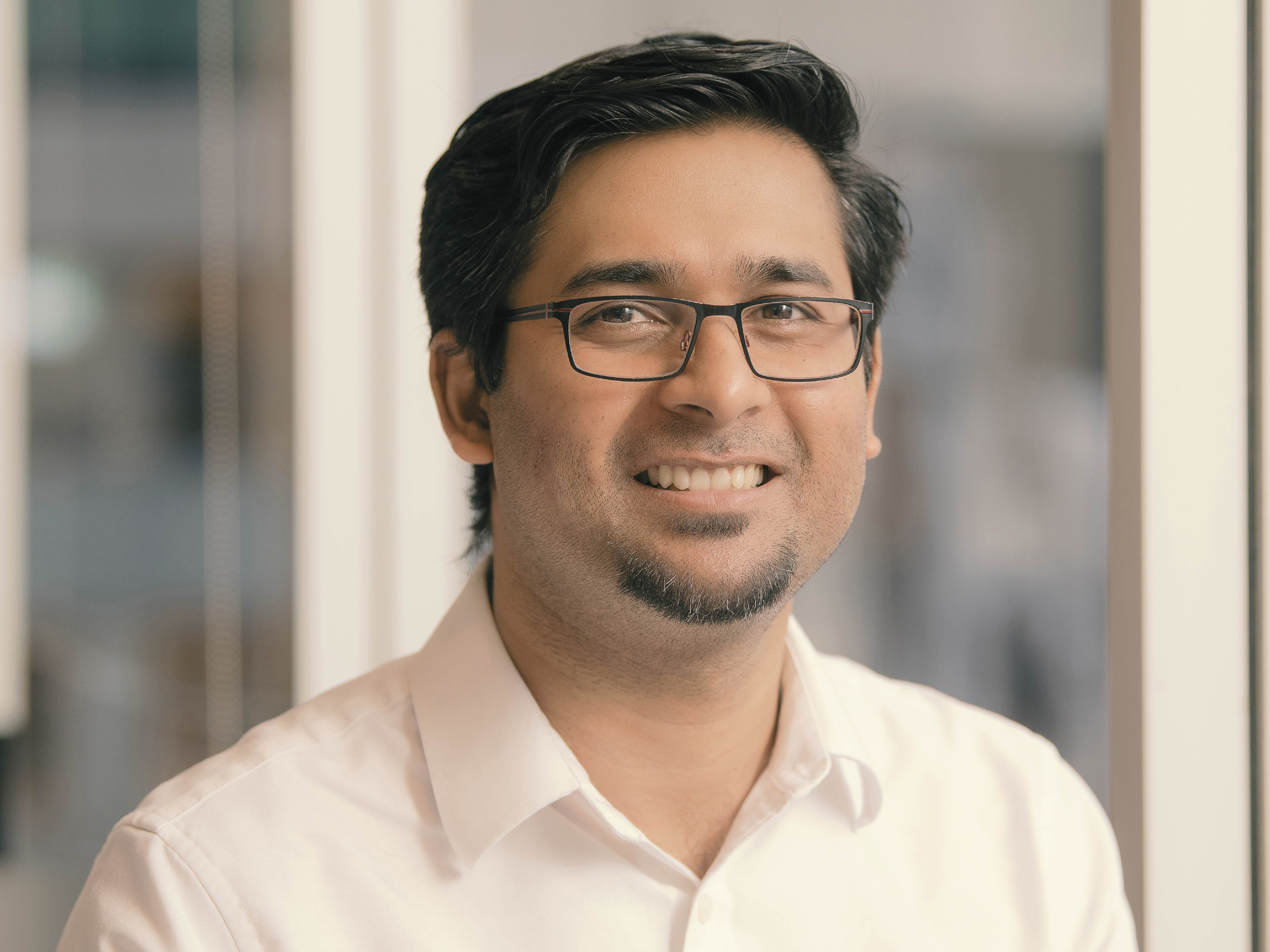
Stein Monteiro is the Lead Research Associate in the Immigration Knowledge Area at Signal49 Research (The Conference Board of Canada). In this role, Stein assists in providing insights on Canadian immigration policy issues and the integration outcomes of newcomers. Stein has worked with the Canada Excellence Research Chair in Migration and Integration Program and the Global Migration Institute at Toronto Metropolitan University since 2019 conducting research on the labour market integration of newcomers in Canada and the role of technology in assisting migrants to learn about life in Canada.
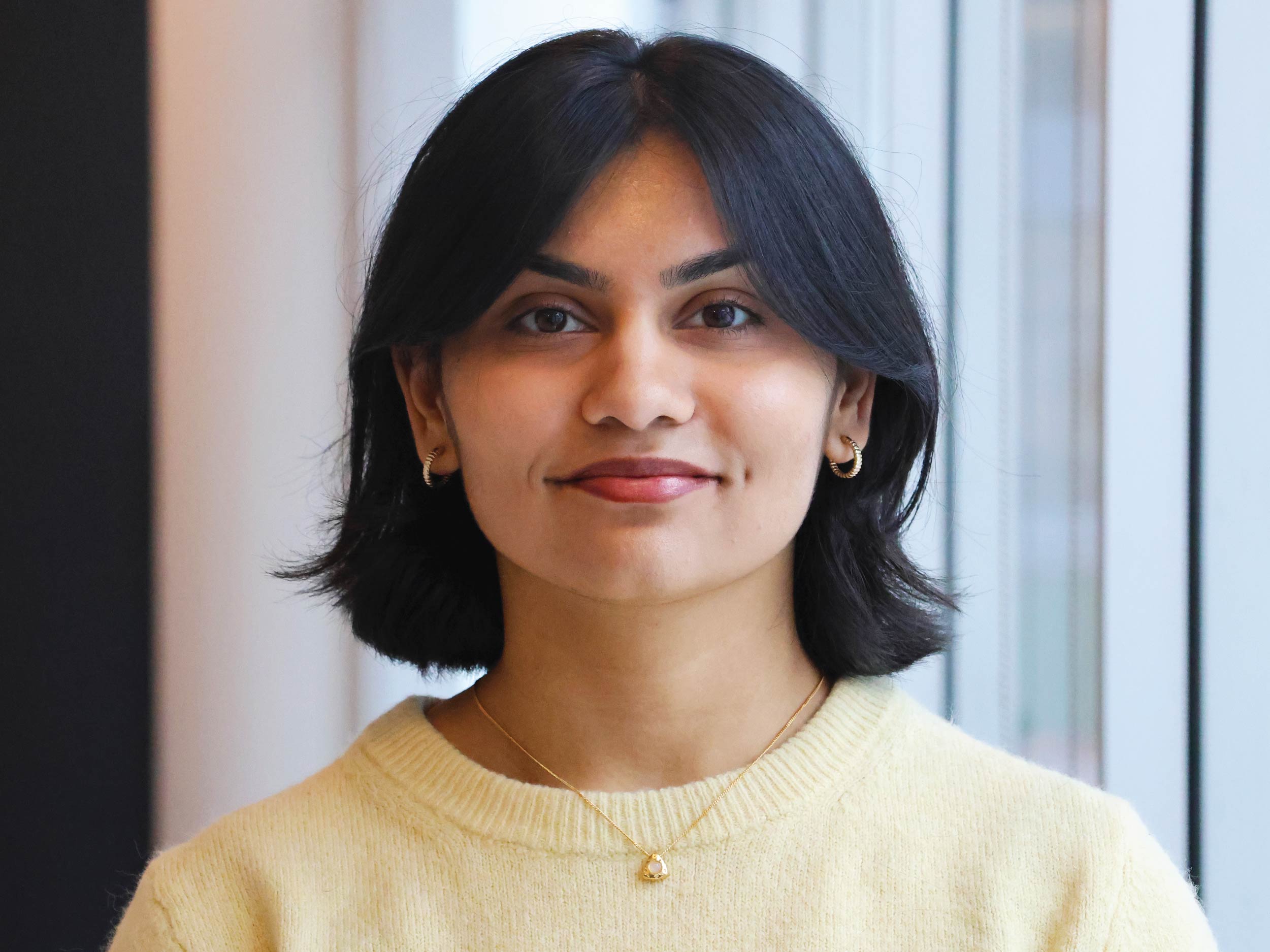
Devaanshi Khanzode is a Quantitative Researcher with theGlobal Migration Institute at Toronto Metropolitan University, where she contributes to empirical research on the socio-economic dynamics of global mobility. As a recent MA graduate in Economics, she developed advanced training in applied econometrics and public policy analysis. She applies these methods to large-scale datasets to examine multinational migrants, emigration from Canada, and complex migration pathways. Her work involves statistical modelling, and the measurement of migration corridors to better understand how policy and labour market structures shape migrant trajectories. Her research aims to translate rigorous quantitative evidence into insights that inform inclusive, data-driven migration policy. She is particularly interested in how mobility patterns intersect with vulnerability, opportunity, and long-term socio-economic outcomes across origin and destination contexts.

Areej Jamal is a Postdoctoral Fellow at the University of Alberta and with the Bridging Divides research program whose research focuses on migration and integration, specifically examining Gulf migration. Drawing on extensive experience in Saudi Arabia, she explores the complexities of identity, belonging, and transnationalism among different migrant groups.
Sandeep Agrawal is an Associate Dean in the Faculty of Graduate Studies and Research and a Professor in the Department of Earth and Atmospheric Sciences at the University of Alberta. He was an Associate Chair in the department and Inaugural Director of the School of Urban and Regional Planning between 2013 and 2023. During his tenure as director, he led the development of MSc Planning and PhD specialization in urban planning, and established the School in 2018. Prior to moving to the University of Alberta, he was Associate Director and Founding Graduate Program Director of the School of Urban and Regional Planning at Toronto Metropolitan University (formerly Ryerson).
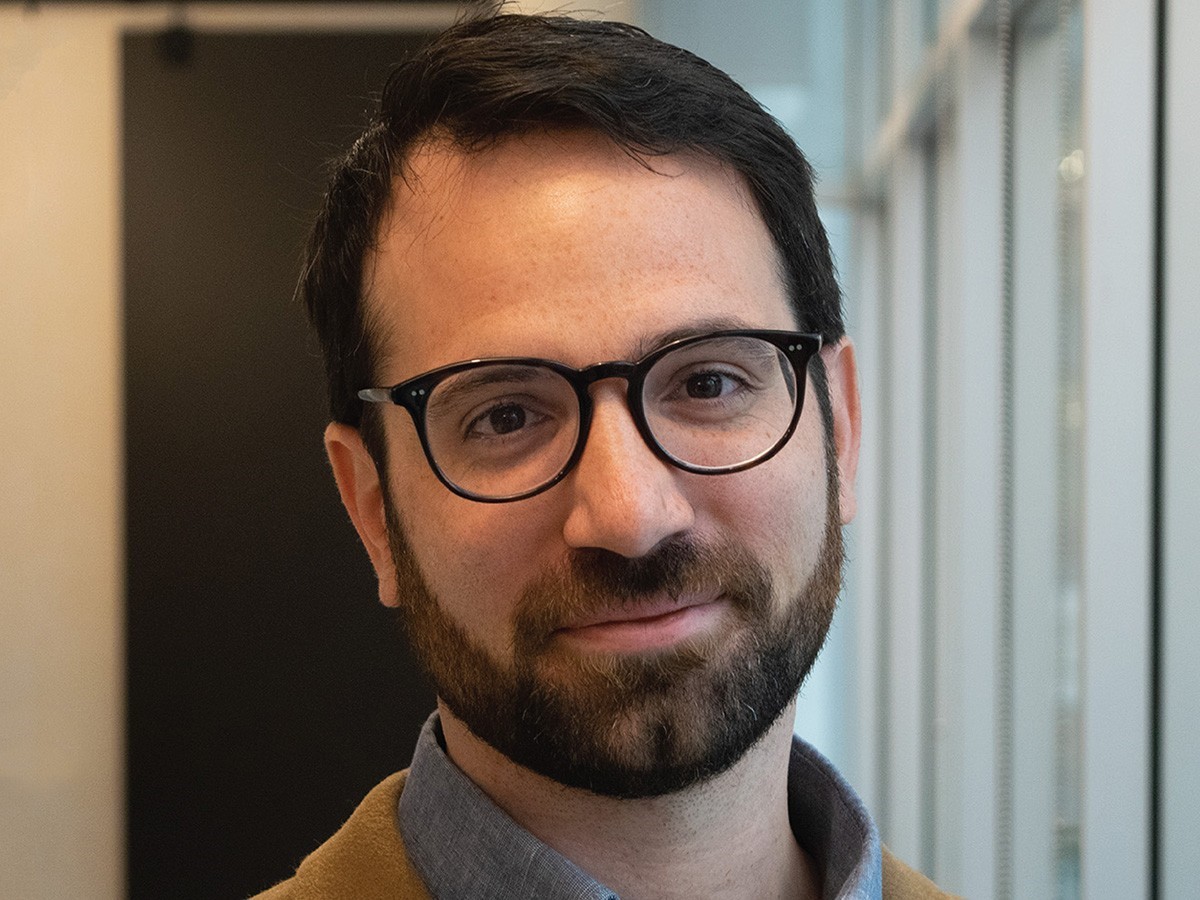
Jérémie Molho is Research Lead, Cities and Migration and Responsable du développement du réseau francophone de la recherche at the Global MIgration Institute at Toronto Metropolitan University. His research explores the intersections of migration, urban governance, and cultural change in global cities. Since 2024, he is the Principal Investigator of the project Highly Skilled Migration in Global Cities, funded by the Social Sciences and Humanities Research Council (SSHRC) Insight Grant. This project investigates the complex trajectories of hypermobile professionals and the evolving strategies of global cities to attract and retain diverse forms of talent. From 2023 to 2025, he has also been the Principal Investigator of Fostering Integration Through the Arts (FIT-ART). Jérémie received his BA in Middle Eastern Studies and MA in Urban Studies from Sciences Po Paris, and his PhD in Geography (2016) from the University of Angers, France. From 2016 to 2019, he was a research associate at the European University Institute (EUI) in Florence, Italy, then a Marie Curie Fellow at the National University of Singapore (2019–21) and the EUI (2021–22).
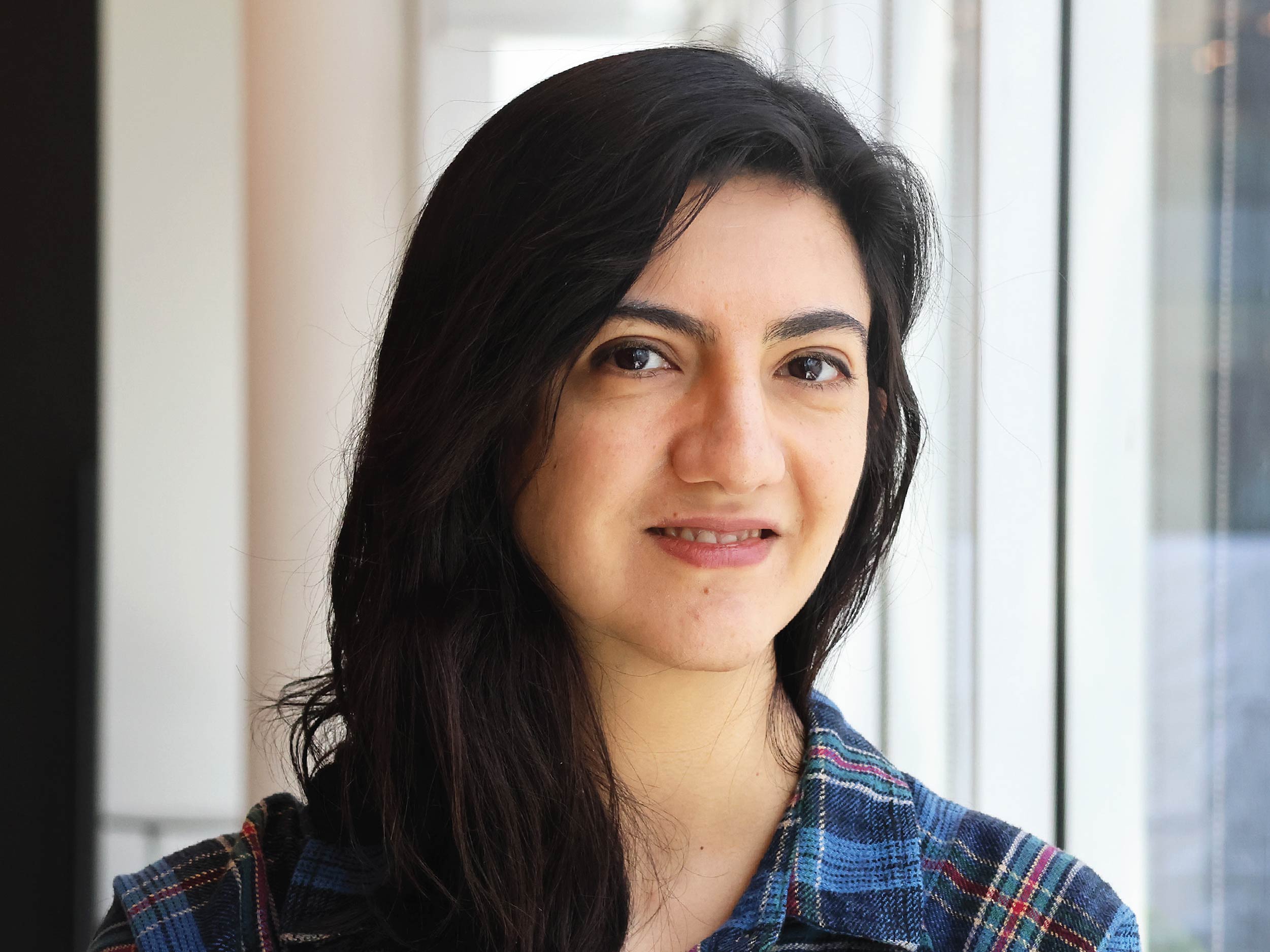
Maryam Lashkari is a research fellow at the Global Migration Institute at Toronto Metropolitan University. She is part of the SKIM team researching the complex migration of highly skilled migrants in global cities. She holds a PhD in Human Geography from York University. Her research interests include feminist geography, urban and migration policy, and critical geopolitics. She has taught City Studies Workshop at the University of Toronto Scarborough, and Urban Geography and Economic Geography at Brandon University, Manitoba, where she designed courses on migration, urban policy, economy, and globalization.
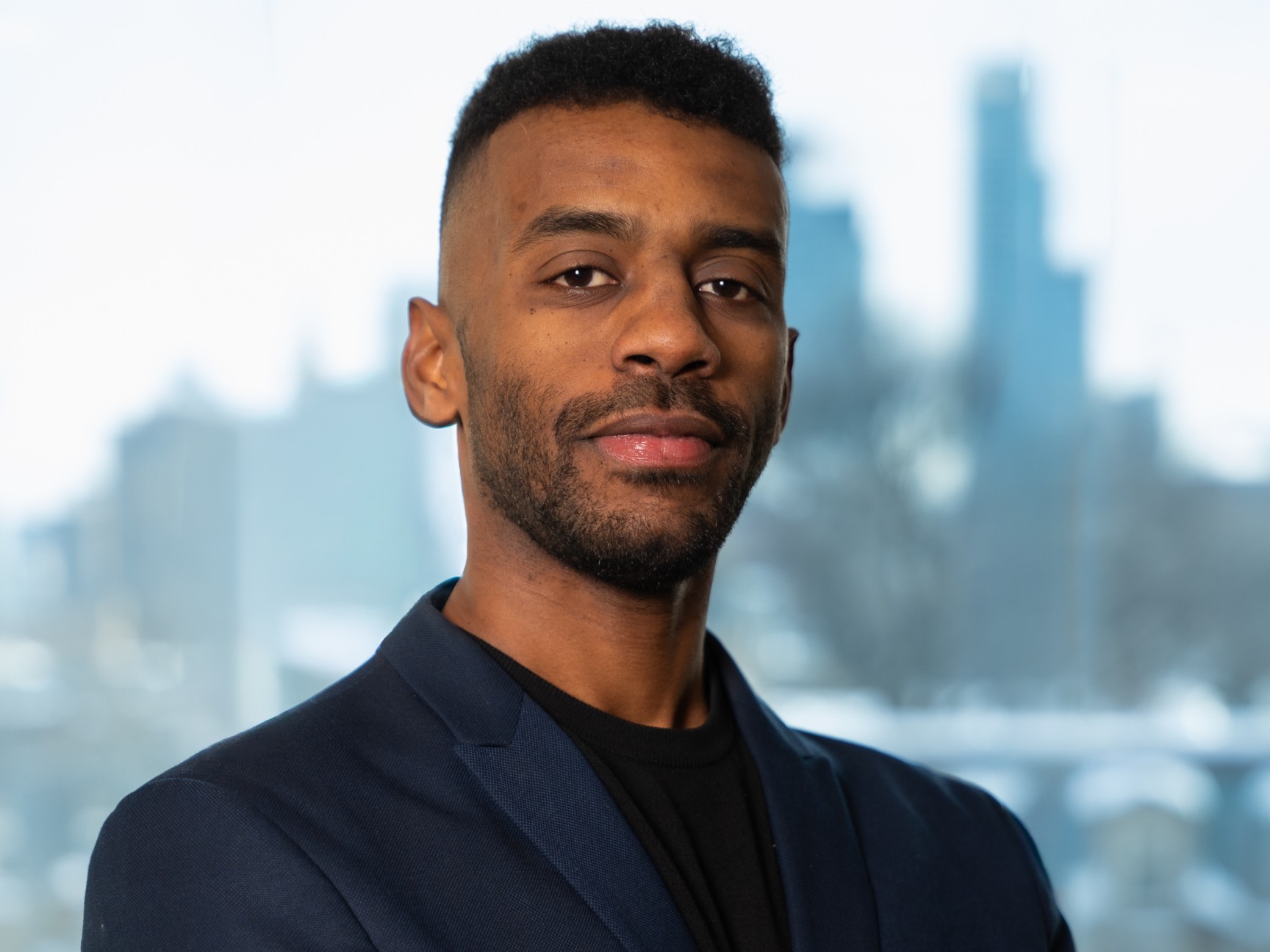
Hazim Mohamed is a doctoral candidate at the University of Toronto, specializing in political theory and international relations. His work broadly revolves around migrant responses to border justice. Hazim's dissertation examines the strategies available to expats in the state of Qatar for navigating the country’s exclusionary citizenship laws. Methodologically, he is interested in ethnographic approaches to political theory or how concepts and ideas are understood and challenged by actors on the ground. He received an MA in the Social Sciences from the University of Chicago, and a BA from the School of Foreign Service at Georgetown University.
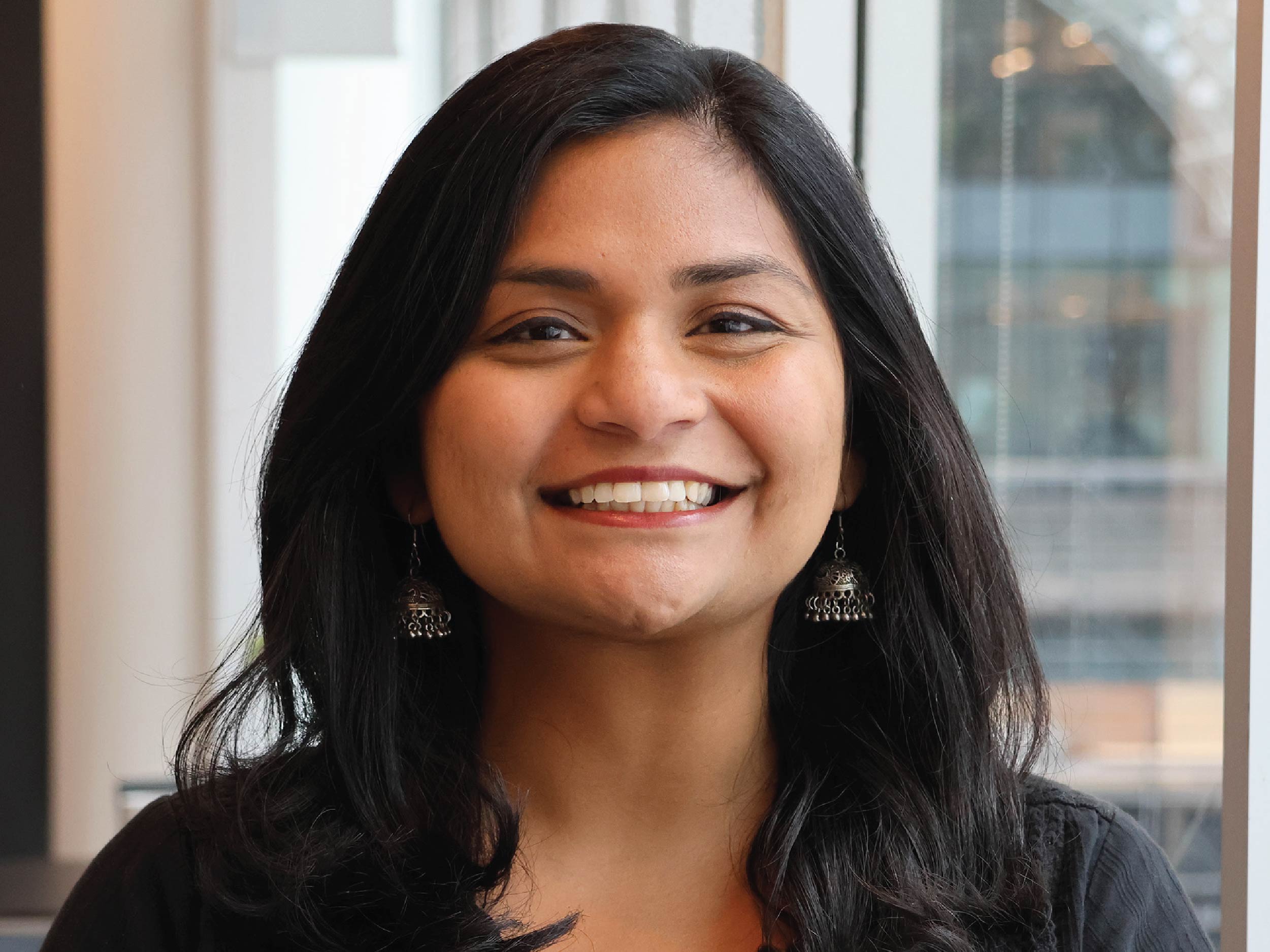
Asma Atique’s research is broadly on migration and environmental law and policy. She is a Research Fellow at Global Migration Institute, Toronto Metropolitan University where she is researching international student mobility, recruitment, and labour market integration. She holds a PhD in Law from Osgoode Hall Law School, York University, where she studied environmental justice and Pakistani migrant workers in the United Arab Emirates. She holds an LLM in Environmental Law from Newcastle Law School. Before joining CERC Migration and the Global Migration Institute, Asma worked at the Ontario Council of Agencies Serving Immigrants and was a Postdoctoral Research Fellow at York University.
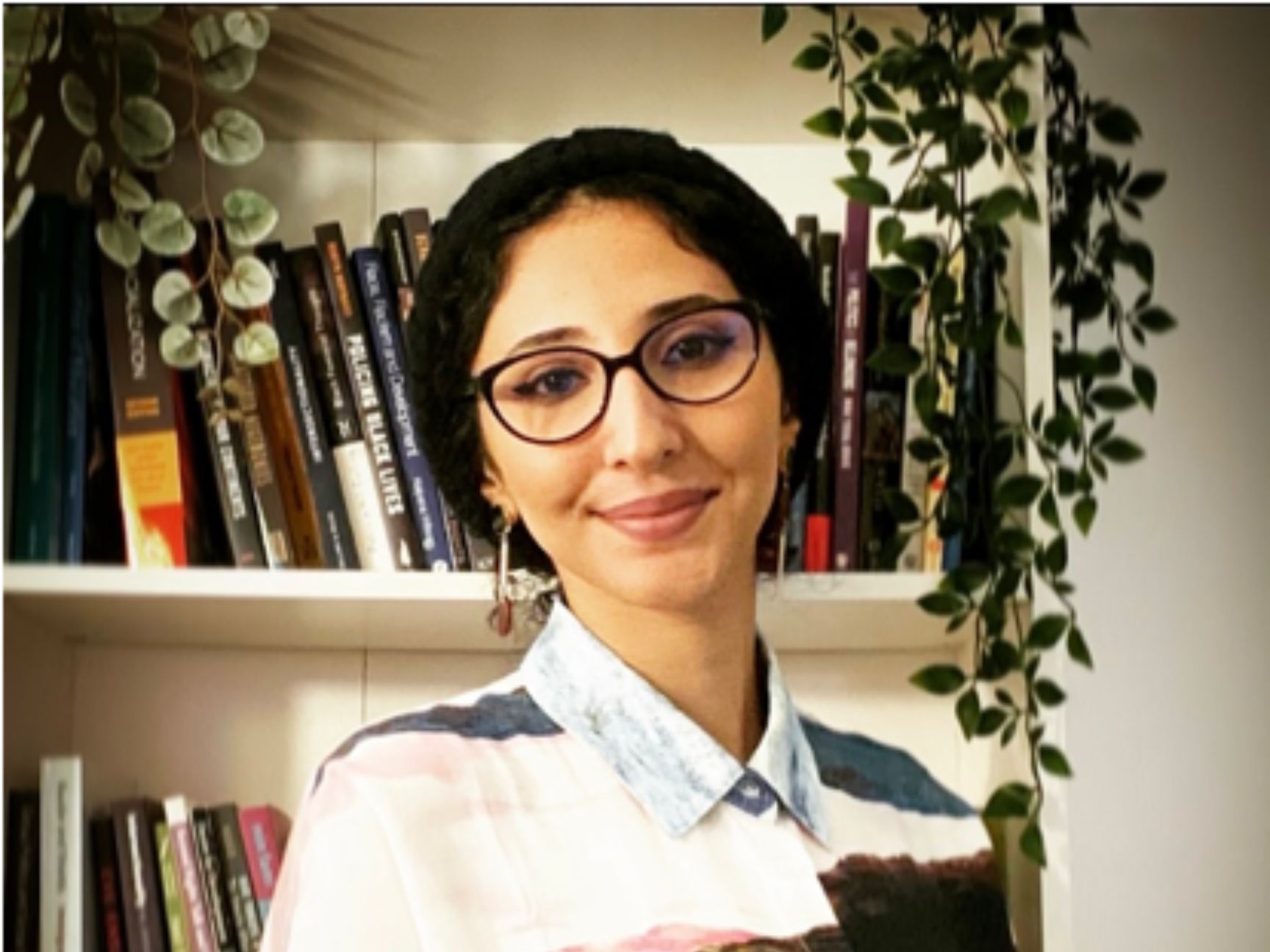
Areej Alshammiry is a Vanier Doctoral Fellow in sociology at York University, Toronto. She has over a decade of experience spanning academia, policy research, international advocacy, community-based research and knowledge mobilization. Her work is grounded in social justice and community action, with expertise in statelessness, forced migration, gender-based violence, and decolonial knowledge production. Much of her thinking is informed by the interconnections between scholarship and activism, as well as her own experience of statelessness and forced/transnational migration between Kuwait and Canada. Her research explores the coloniality of human rights, development and international law. She is currently exploring how ‘stateless’ people reckon with statist and international regimes of rights and membership and their politics of recognition, and their alternative conceptions of belonging and citizenship.
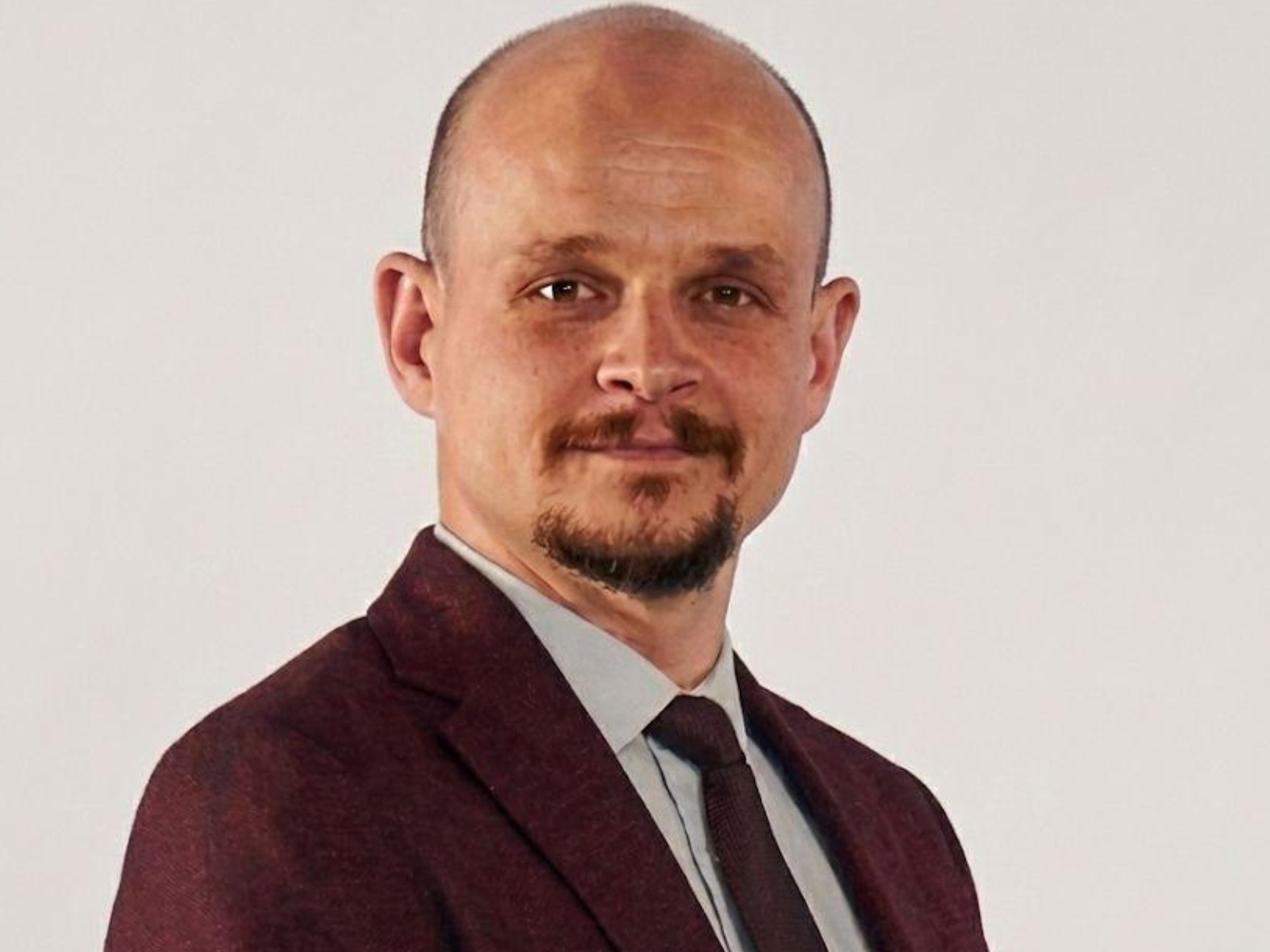
Burak Yalım is a PhD candidate in Migration Studies at Kocaeli University, Turkey. His research focuses on Turkish migration to the Gulf — particularly the United Arab Emirates — examining cosmopolitan orientations, post-diasporic identities, and transnational mobility pathways. Drawing on extensive fieldwork, he explores how highly skilled Turkish migrants experience belonging and navigate limited citizenship regimes in the Gulf context.
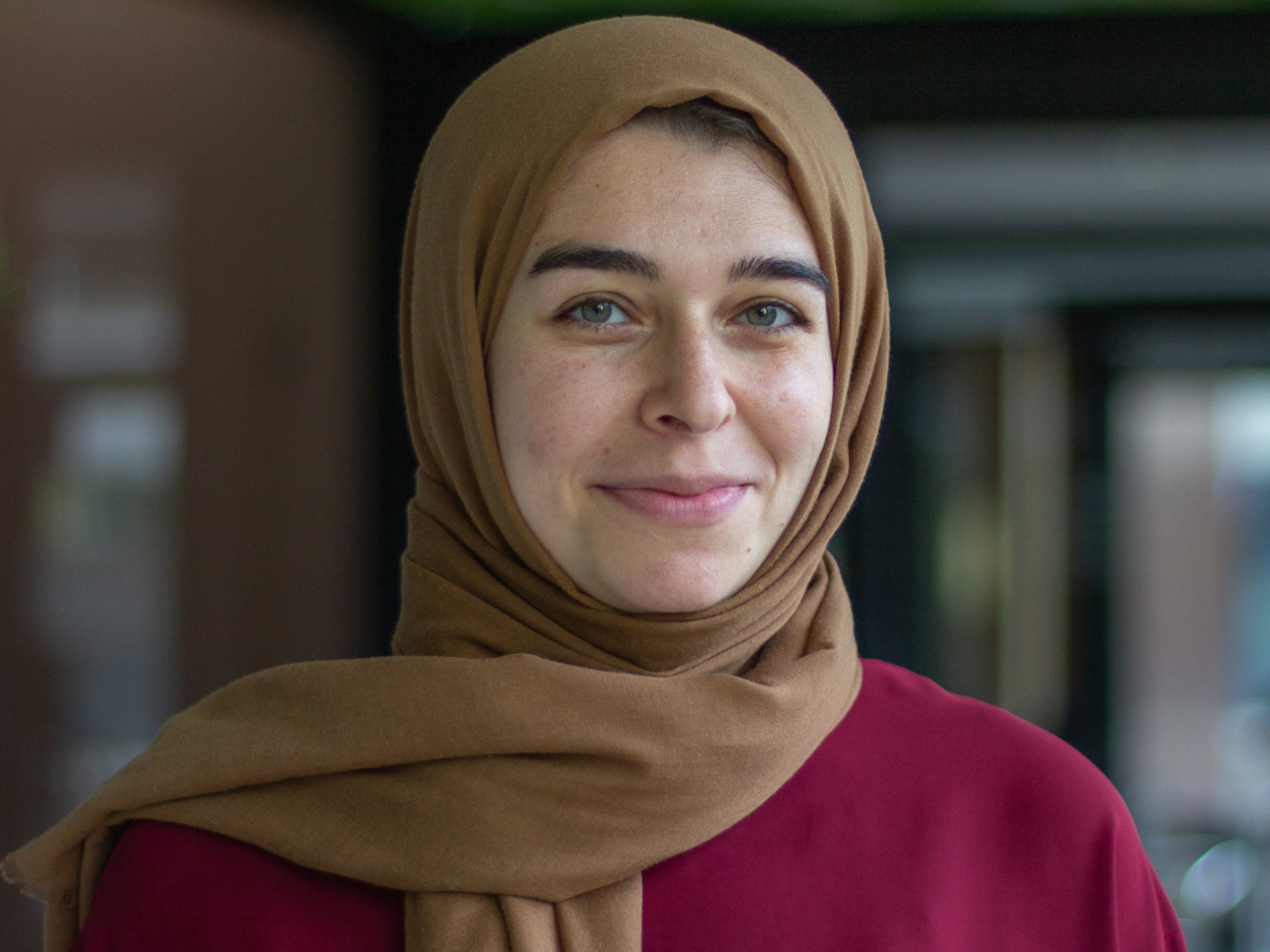
Joud Alkorani is an assistant professor of Islam, Politics, and Society at Radboud University in the Netherlands. Holding an MA and PhD from the university of Toronto, Joud is an anthropologist with a background in Middle Eastern and Islamic Studies. She studies how migrants’ everyday lives and religious practices take shape in the aftermath of the Arab Spring. Her research and teaching engage themes like migration and transnationalism; statehood and governmentality; relationality and subjectivity; and lived theology.
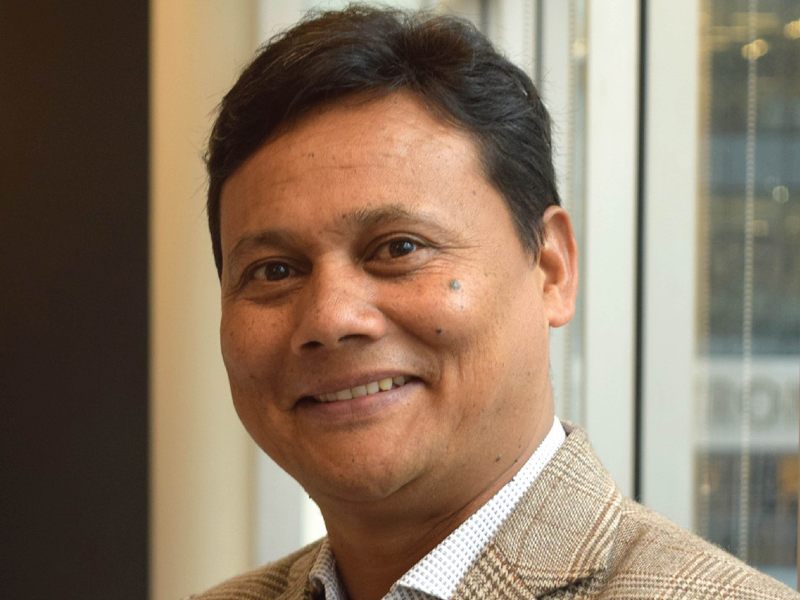
Hari KC is a Research Fellow with the Migrant Integration in the Mid-21st Century: Bridging Divides program at Toronto Metropolitan University and a BSIA Fellow at the Balsillie School of International Affairs, Wilfrid Laurier University. He also serves as Contract Teaching Faculty and a Special Graduate Faculty Member at Wilfrid Laurier University, where he teaches and supervises graduate and undergraduate students in migration, globalization, gender, and public policy. A scholar of global governance and migration, Hari holds a PhD in Global Governance from the Balsillie School of International Affairs. His research expertise lies at the intersection of gender, labour migration governance, digital nomadism, transnational mobility, and migration policy, with a particular focus on South–South migration and Nepali migrant workers in the Gulf. Drawing on multi-sited ethnographic fieldwork across Asia, the Middle East, Europe, and North America, his work advances feminist and decolonizing perspectives on migration, precarity, and mobility justice. Hari has published widely in leading journals and edited volumes, including the Journal of Ethnic and Migration Studies and Migration Policy Practice, and is currently authoring books on gendered labour migration and migration governance. He is an active contributor to major international research initiatives, including the Gender + Migration Hub, and regularly engages in policy-oriented and community-based research to inform equitable and gender-responsive migration governance.
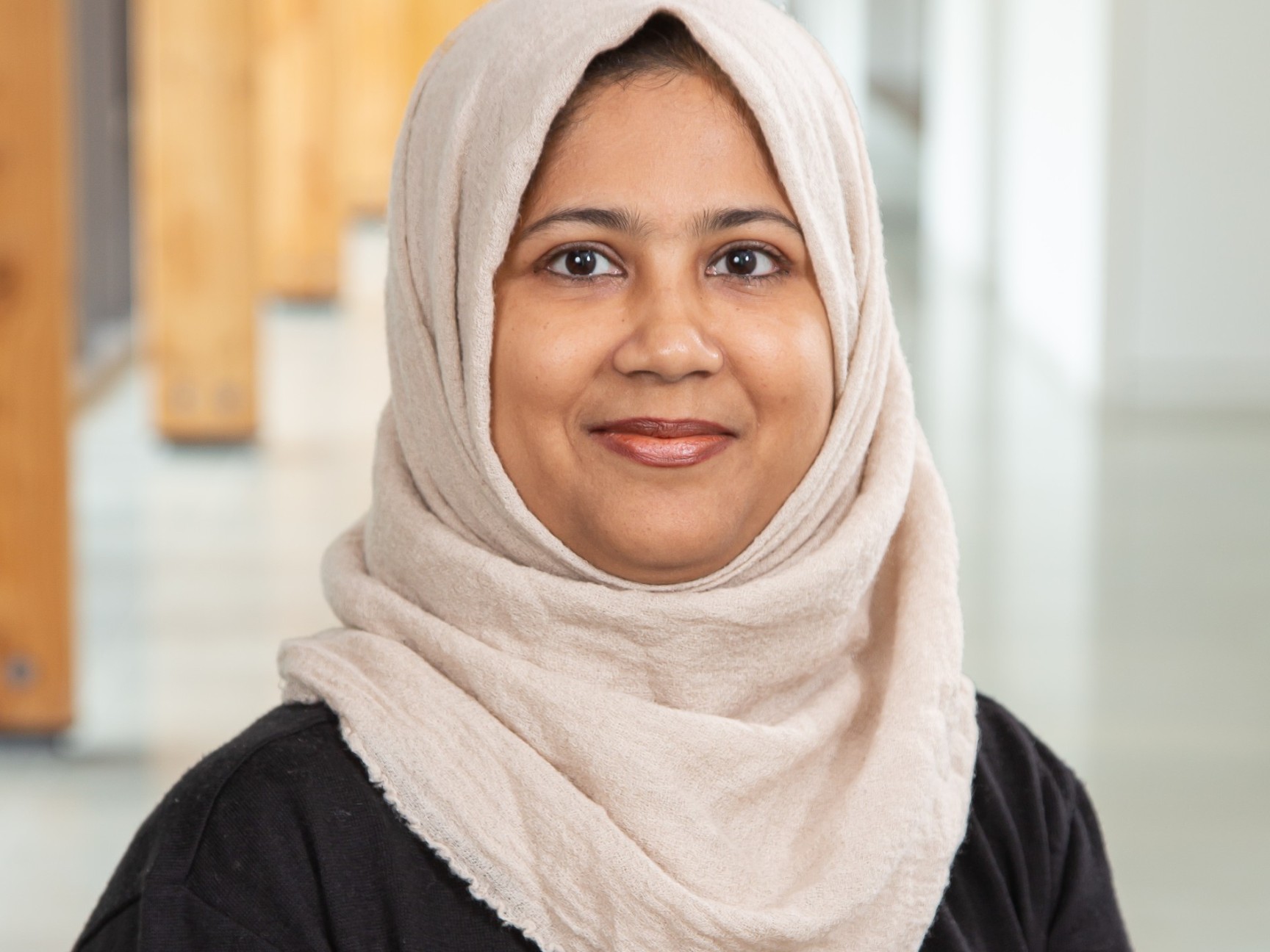
Rumana Khorshed is a PhD candidate in Global Governance at the Balsillie School of International Affairs, affiliated with Wilfrid Laurier University, Canada. She holds a Master’s degree in Sustainability Management from the University of Waterloo. Her research focuses on gendered labor migration governance and the political economy of care in the Global South. With extensive experience in public administration and development policy in Bangladesh, she brings both scholarly and policy perspectives to questions of migration, precarity, and global labor governance and aims to contribute to the development of equitable and rights-based migration policies.
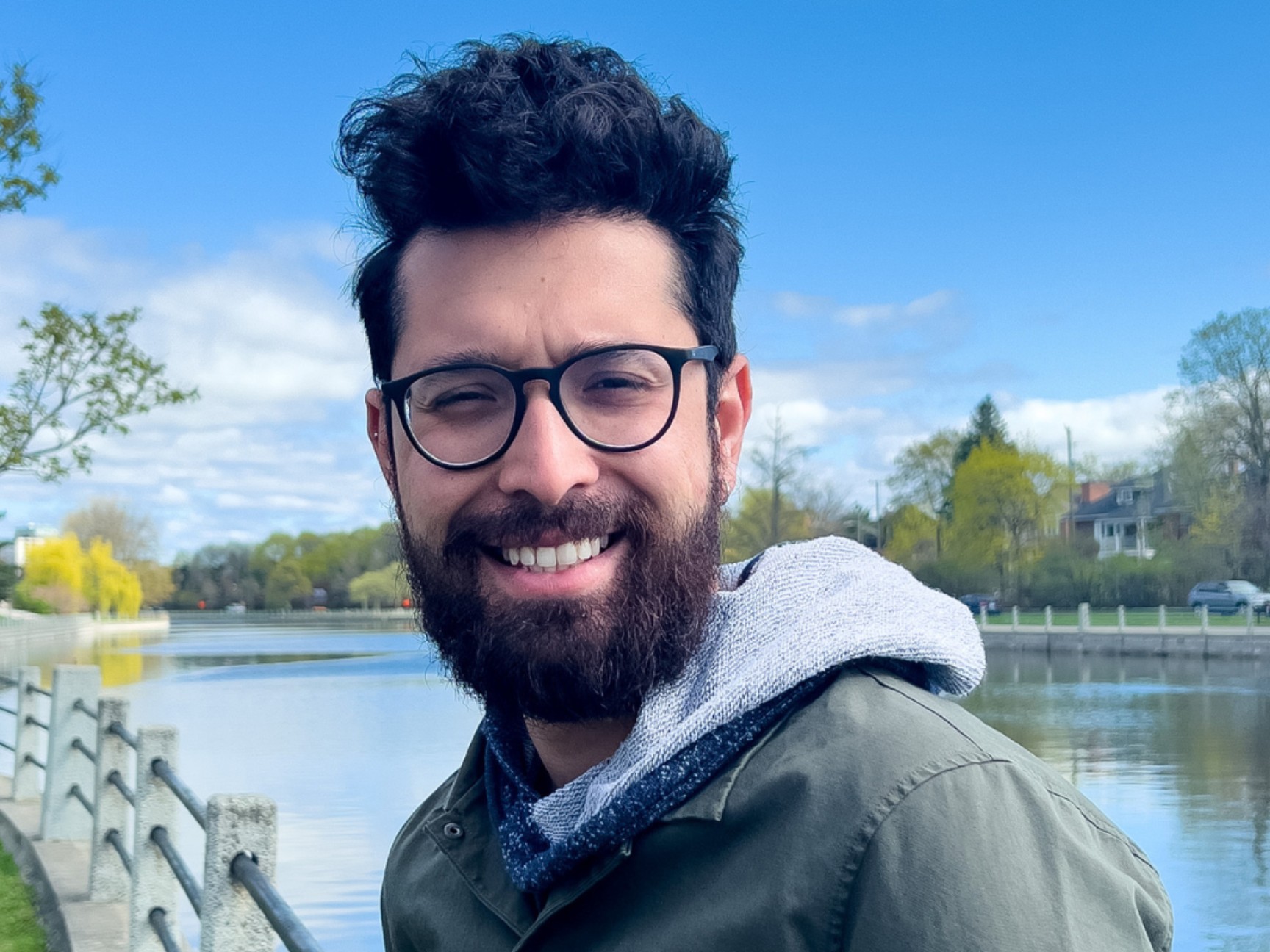
Fayssal Yatim is a PhD candidate in Anthropology at Carleton University. His research examines the lived experiences of migrant workers in Kuwait, focusing on waiting, illness, precarity, and return at Dawwar al-Hammam (“the pigeon roundabout”). Born in Kuwait to a Lebanese family, his work combines autoethnography and ethnographic fieldwork to explore how migration governance, masculinity, and legality shape everyday survival among informal migrants. Drawing parallels with his own experiences of chronic illness and legal precarity, his research highlights how structural and bodily vulnerability intersect to shape both livelihood and health outcomes in the Arab Gulf.
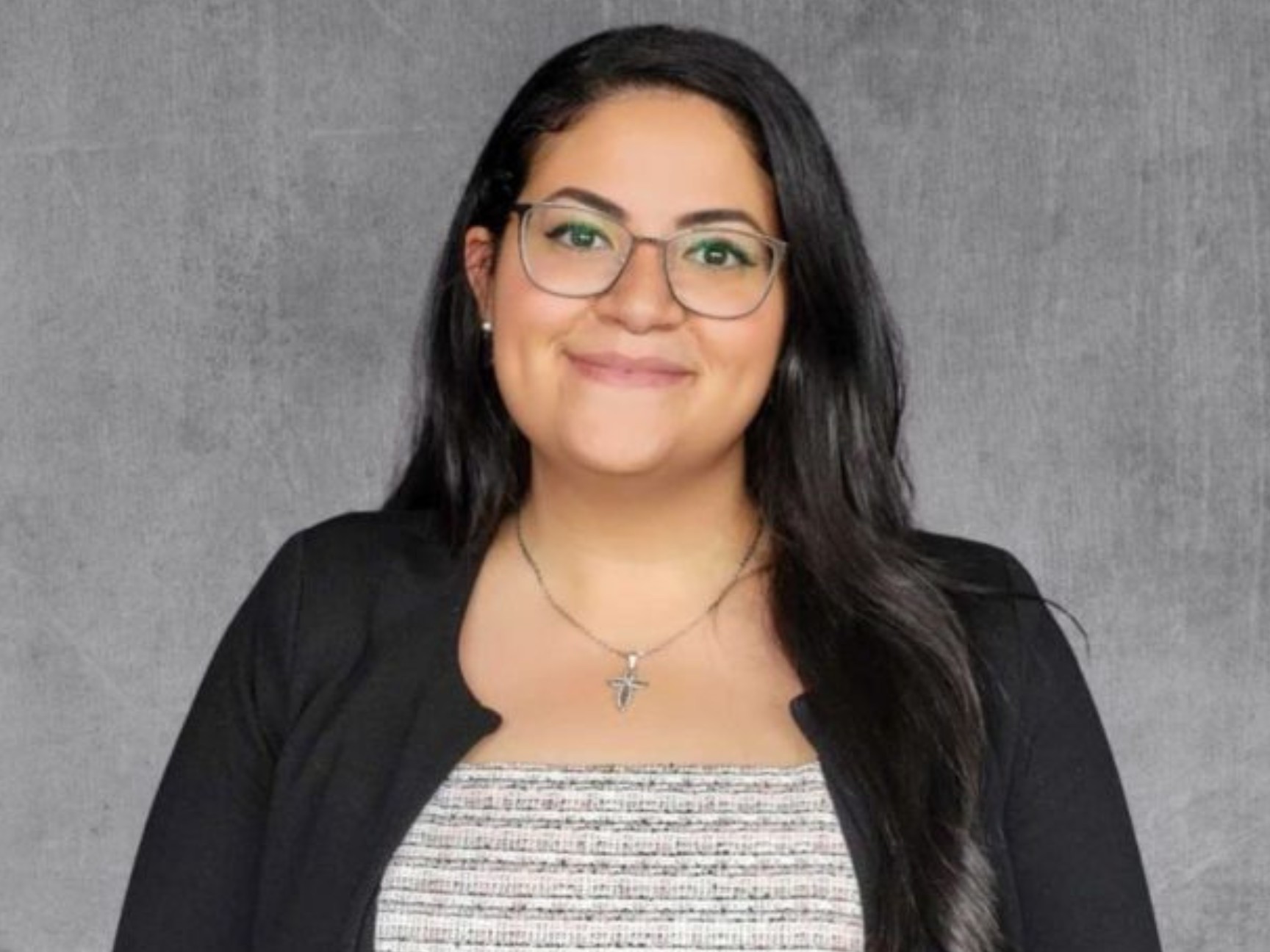
Meray Sadek’s research journey began with her Master’s in Interdisciplinary Studies at York University, supported by the prestigious Joseph Armand Bombardier Canada Graduate Scholarship – Master’s (CGSM). Her thesis examined Canadian public policies on the repatriation and integration of children recruited or exploited by ISIS, with a focus on those detained in Al-Hol refugee camp in Syria. She is now a PhD Candidate in the Department of Sociology and Legal Studies at the University of Waterloo. She is an Egyptian who lived in Saudi Arabia for 15 years before immigrating to Canada to escape the aftermath of the Egyptian revolution and the systemic discrimination she faced in Saudi Arabia. She proudly identifies as an Afro-Indigenous Coptic minority woman whose academic and community work center on themes of migration, belonging, and systemic exclusion. Her doctoral research investigates the intersecting forces of religious, gendered, and state-driven discrimination experienced by Coptic Orthodox Christians in Saudi Arabia, examining how structures such as the kafala (sponsorship) system, the “Expat Dependent Fees,” and entrenched patriarchal controls shape migration and post-migration experiences, particularly for women and children.
By participating in TMU events and online communities, participants agree to abide by the TMU Code of Conduct Guideline. TMU reserves the right to update and modify this policy as needed to ensure a safe and inclusive environment for all participants.
A Bridging Divides initiative, hosted by: