‘Community Express’: A Service and Leadership Lesson My Six-Year-Old Taught Me
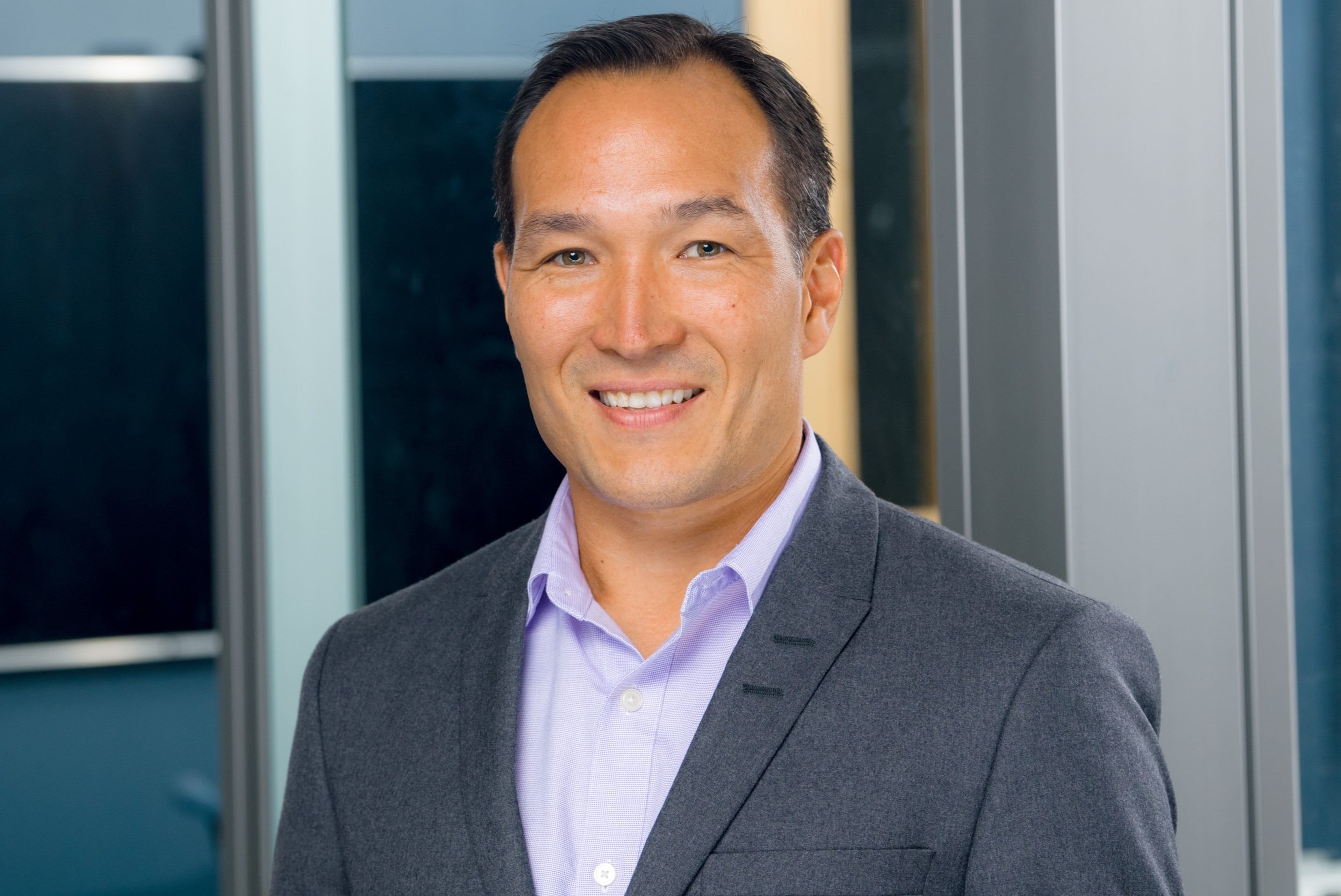
In the spring of 2021, I was Chair of the School of Professional Communication, and like most of the TMU community, I hadn’t set foot on campus in more than a year. We were deep into the pandemic lockdown, navigating the strange reality of building an academic community through webcams, breakout rooms, and livestream links.
That spring brought a wave of challenges that no one had prepared us for: How do you make a virtual convocation, and the reception afterward, feel like the milestone it’s meant to be? How do you host final student showcases when many of those students haven’t been in a classroom together for over a year? How do you welcome new colleagues into a school they’ve only encountered through a screen?
I spent a good part of those weeks recording and re-recording remarks for year-end events, trying to channel warmth and presence through a tiny laptop camera. At some point I realized I kept forgetting to introduce myself, so I stuck a bright Post-it beside the webcam that said: “Remember: Introduce yourself!” So every take began the same way. I would imagine myself in the same room as the people I was addressing and say warmly and calmly, “Hello everyone, my name is John Shiga, Chair of the School of Professional Communication…”
I won’t admit how many takes it took to get those sentences out naturally, but I will say that the next morning, my then-six-year-old daughter had heard them enough times to deliver her own version over breakfast. Between mouthfuls of cereal, she looked at me and announced:
“Hello everyone and welcome to a special event. My name is John Shiga and I’m sitting on a chair in … Community Express.”
At first I laughed - her take on “Professional Communication” as “Community Express” was certainly inventive. But as I thought about it later, I realized her phrasing was more accurate than I had given her credit for. “Community express” was exactly the challenge of that moment: how to create, sustain, and express community - quickly, responsively, and creatively, and when none of the usual forms of connection were available. Our graduating students were presenting capstone projects they had completed during a year when most of their interactions with classmates and instructors took place online. Our one-year master’s students were about to finish the entire program without having set foot in a classroom together. New faculty were joining us in a Zoom-tired world, yet deserved every bit of the welcome, mentorship, and belonging we normally cultivate through shared spaces.
In many ways, the work of service and leadership that year was “community express”: building connections under extraordinary constraints, creating a sense of belonging across distance, and reminding myself as well as our students, instructors, and colleagues that we were part of something larger than a curriculum or a research agenda. With our offices and classrooms sitting empty, the need to feel part of a shared community was as urgent as ever.
That strange spring crystallized something I’ve encountered again and again in service roles at TMU: whether we’re on campus or online, facing ordinary demands or extraordinary challenges, service in the university is ultimately about cultivating the conditions where community can take shape. The real work of service isn’t in the paperwork, meetings, reports, or events (important as those are) but in how we create a sense of connection across whatever divides we’re facing.
That spring also made me think more carefully about what service and leadership actually mean in a university today, especially at a time when everyone is carrying a full plate and already feels pulled in many directions when a new service opportunity arises. Faculty want to contribute, but they’re doing so against a backdrop of shifting external pressures and a sector that is being asked to do more with less. These conditions can gradually push us toward more task-oriented, efficiency-driven approaches to service - approaches that don’t always leave much room for the relational, care-based side of academic life.
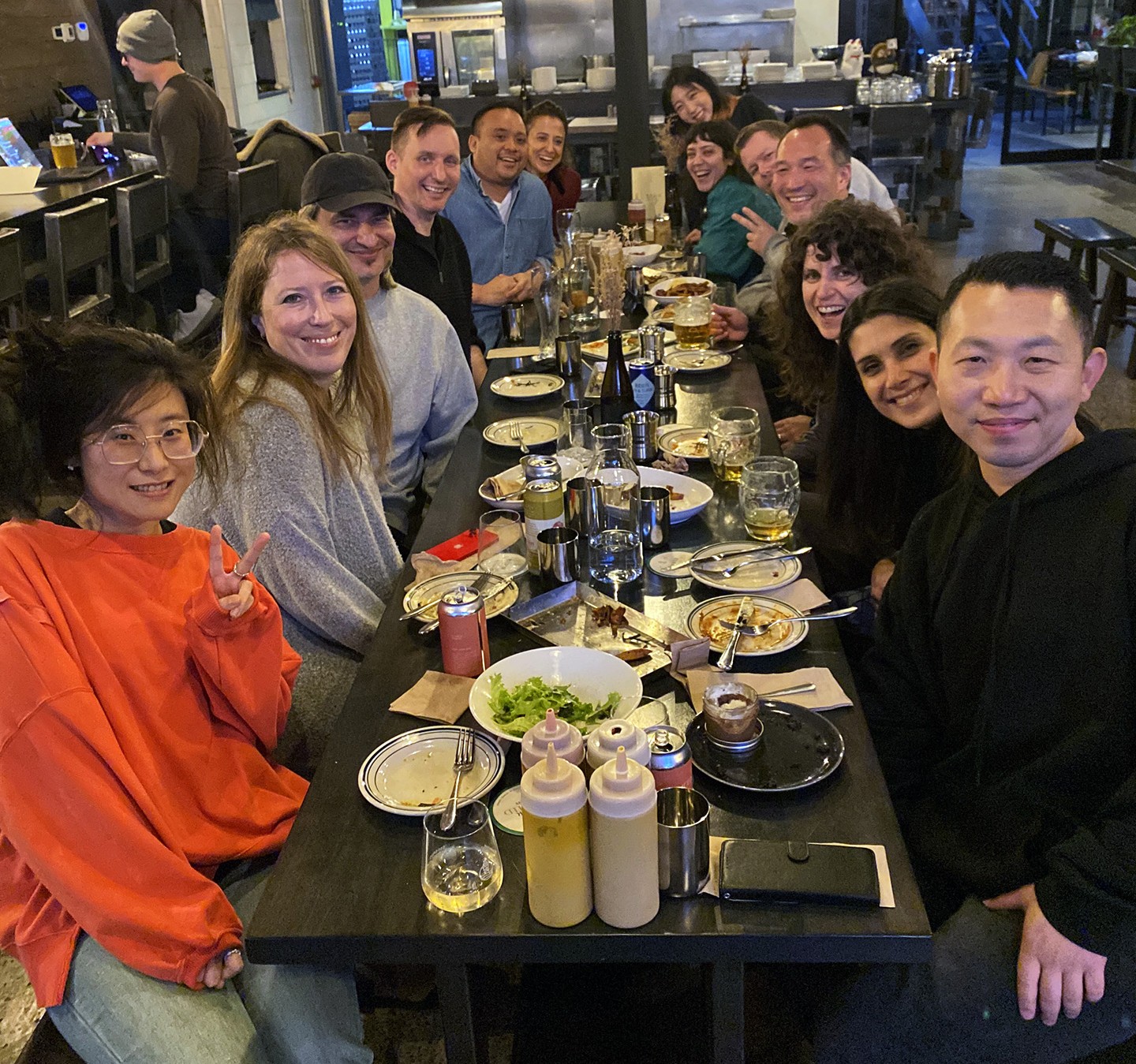
John Shiga at an end-of-term social event with first-year PhD students in the MDI program he directs.
We are fortunate at TMU to work within a system of collegial governance. When we participate in service - whether on a curriculum committee, a hiring committee, a working group on equity, or a university-wide initiative - we are not merely fulfilling a requirement. We are exercising leadership. Service becomes meaningful not because the tasks are glamorous (they rarely are), but because each role lets us participate in steering our academic community toward something stronger, fairer, and more connected.